

Growth seen in EU in 2017, but uncertainty looms: Eurofer
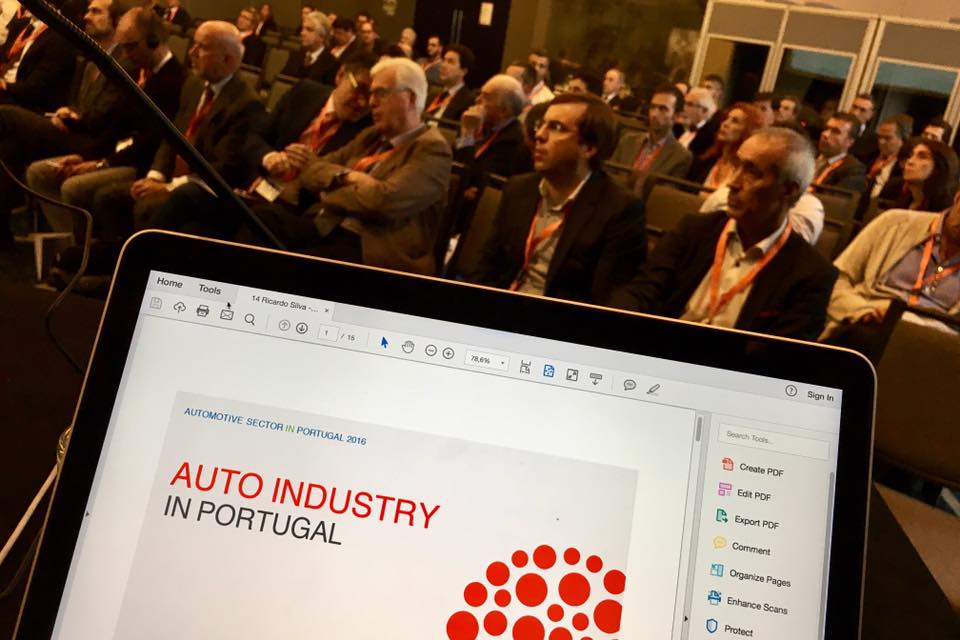
“Economic recovery is seen to be strengthening in Europe, but uncertainty looms in the steel sector, in light of Britain’s vote to leave the European Union and the new US president elect, Donald Trump,” Jeroen Vermeji, Eurofer’s head of economic studies, said at the EUROMETAL Steel Net Forum in Porto Friday.
Eurofer said a stronger industry improvement is expected in 2017, based on the third-quarter. Steel using sectors have been growing 2.5% in 2016, with the automotive sector currently at its peak since the pre-crisis level — the only steel using sector to have achieved this.
Eurofer also expects exports to be in a position to increase next year, as the world economy gains momentum, adding that 2017 also looks to be a good year for private consumption. “I think we can be sure about the strength of private consumption,” he said.
Despite signs of confidence, it is currently “impossible to assess the impact” of the latest turn of events. “If Trump imposes a ‘large economic box’ around the US, it could depress investments,” Vermeij noted. Post-Brexit jitters could also hurt steel demand, as the uncertainty could weigh on investment.
“The EU is divided more than ever,” and the relationship with Turkey is “fragile and definitely at risk,” he said, referring to Brexit and the refugee crisis in the region — President Erdogan’s post-coup crackdown has also led to fears in Europe over his increasing grip on power.
Vermeji said European apparent consumption is up 2.6% (2.1 million metric tons) year-on-year, in the first half of 2016. However, imports are growing faster than domestic demand and therefore are capturing most of the rise; imports grew by 11% in the same period (1.8 million mt). “We are not benefiting from the increase in demand,” he said.
Apparent steel consumption is expected to stay stable in 2017, with distributors and service centres currently holding high stock levels. However, real steel consumption is expected to grow by 2.4% on the back of the growth seen in steel using sectors, Vermeij concluded.
Erica Sesay, PLATTS
Challenges lie ahead for Iberian steel: industry executives
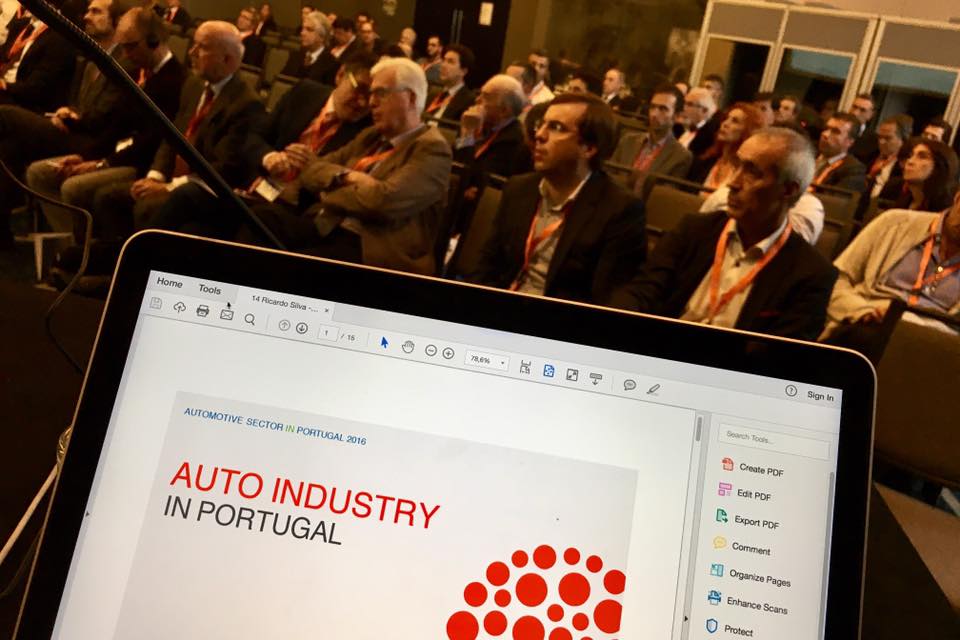
The steel sector in the Iberian peninsula will face various challenges in the coming year, industry executives at the EUROMETAL Steel Net Forum in Porto, Portugal, said last Friday. While ongoing issues such as lackluster demand and over-capacity are expected to persist, other challenges are likely to arise in the coming year, they said.
Mergers and acquisitions, plus anti-dumping measures are expected to be prominent in the European steel industry in 2017 but prices are not expected to increase sharply, speakers said. Carlos Vieira of Spain’s Gonvarri Steel Services told attendees that any consolidation would lead to the reduction of sourcing options for steel distributors, an issue which could be made worse by a spate of protectionism barriers expected next year.
The ongoing issue of Chinese over-capacity was, once again, a topic of discussion. Jens Lauber, ceo Tata Steel Distribution Europe and president of EUROMETAL, said: “overcapacity in China is a key factor to the destabilisation of the EU market,” adding that “EU producers are clearly in survival mode.”
The idea of generating value, as mentioned by other speakers at the meeting, was reiterated as a key strategy in improving profitability in the midst of the challenges ahead. “Europe needs a complete and strong value chain, with all participants to play their roles for value generation,” Lauber said.
Economic challenges are also looming, participants said. Fernando Pinto, president of Açomefer, the Portuguese association of wholesalers of steel, metals and tools, noted that the growth of Spanish and Portuguese GDP was positive in 2015, but that 2016 forecasts are negative, with Spanish growth receding to 3.1% for 2016 and Portugal’s expected to decline by 1.3%.
A further 2.2% decline is forecast for Spain in 2017, while an uptick of 1.6% is expected for Portugal in 2017.
Erica Sesay, PLATTS