


Independent SSC future seen bright, protectionism a threat
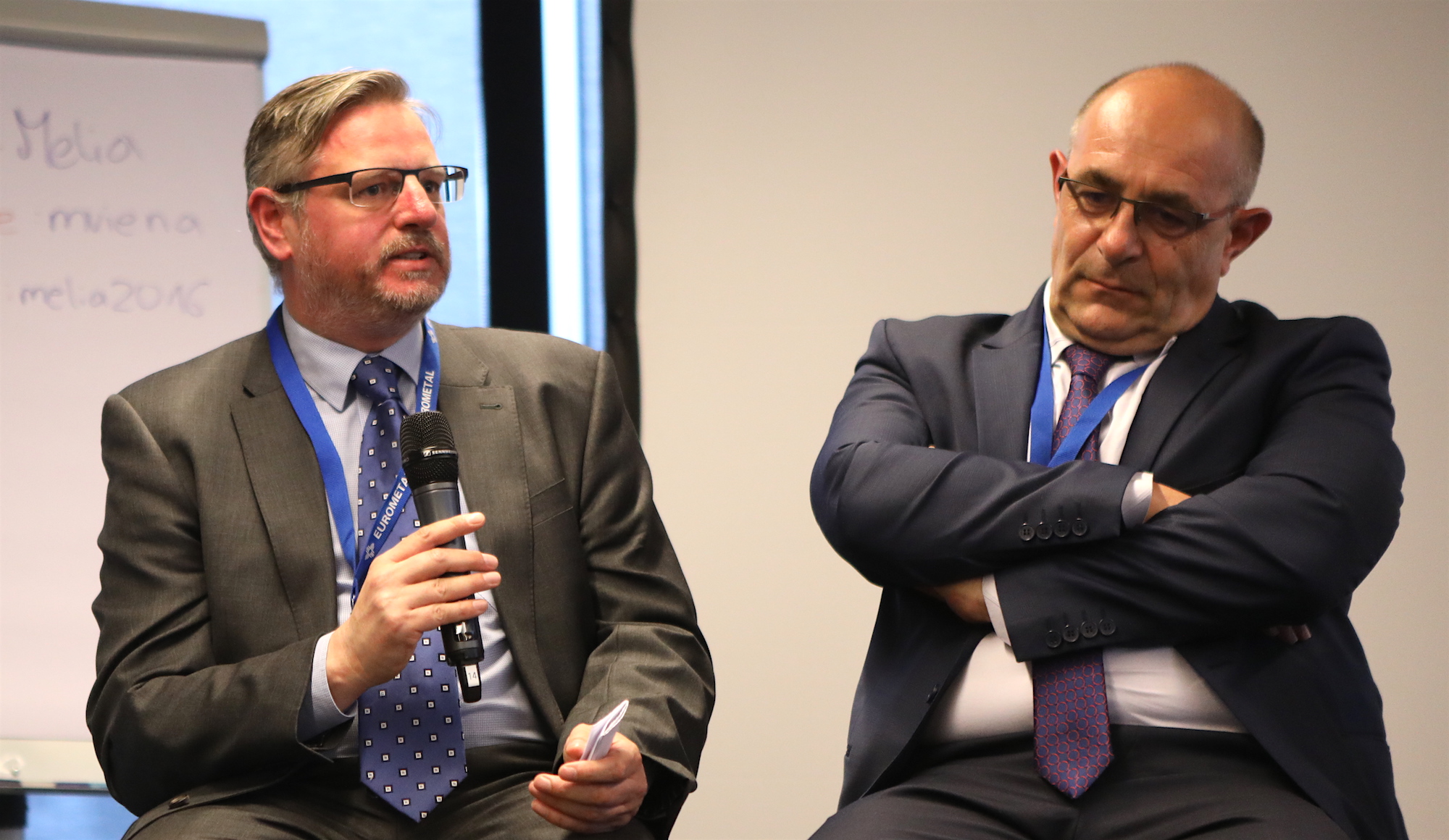
Independent service centres have a bright future as they are able to tailor services to the needs of individual customers better than mills and can offer more competitive pricing. This was the opinion among the majority of participants at the Central Europe Regional Meeting of Distributors’ association EUROMETAL.
During the panel discussion, Czech service centre Mi-King SSC general manager Garry Furey said besides being able to service smaller customers, distributors can also offer non-EU material. “We provide something to non-EU mills because we give them the ability to sell in Europe and not let down their customers in Europe,” he said at Tuesday’s meeting in Vienna attended by Kallanish. Moreover, distributors are able to operate in the local language of the countries they are based in.
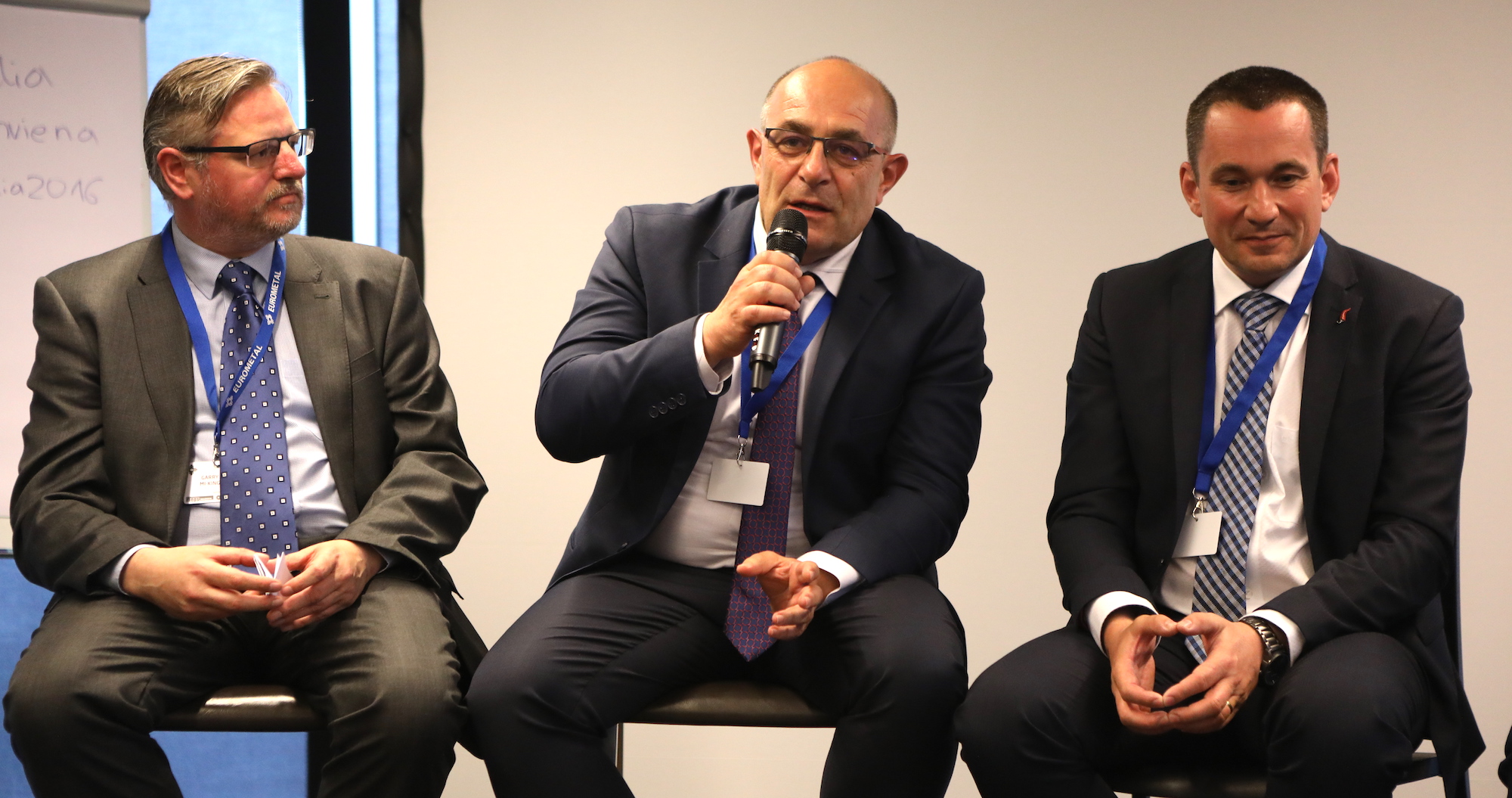
As a tube producer, Branimir Minchev of Bulgaria-based Steelimpex agreed that service centres and distributors better cater for small-tonnage orders and specific requirements. Steelimpex conducts back-to-back business as it does not want to store purchased hot and cold rolled coil for a longer period so that it is not damaged, he said. The firm therefore prefers to sell small tonnages to stockholders for processing.
Jan Moravec, executive director – corporate audit at Czech distributor giant Ferona, said mill-tied distributors can be inefficient. “These (mill-tied) distribution networks are basically forced to follow certain strategies and they are not flexible enough,” he opined. These distributors are not able to purchase from a wide selection of sources and may therefore not offer the optimal product, he added.
“I also think the future is independent centres,” Minchev responded. These firms are “…much more flexible, they can buy from everywhere, they can deliver different material and they are able to… find the best price.” Moreover, local service centres can reduce risk for foreign companies selling into individual countries, he added.
An opposing view was, however, offered by Roland Fazekas, president of Hungarian stockholder Carboferr. “I don’t think independent service centres have that bright a future,” he warned. “We can see it in the anti-dumping procedures: it was a fight between integrated mills and independent players on a large scale… and we could see that now it’s really in the favour of integrated.”
Mills have moved more into stockholding in recent years due to the zero interest rate environment that makes it easier to keep stock and serve smaller customers, Fazekas said. This will only change when interest rates rise and mills are forced to return to traditional means of financing, he added.
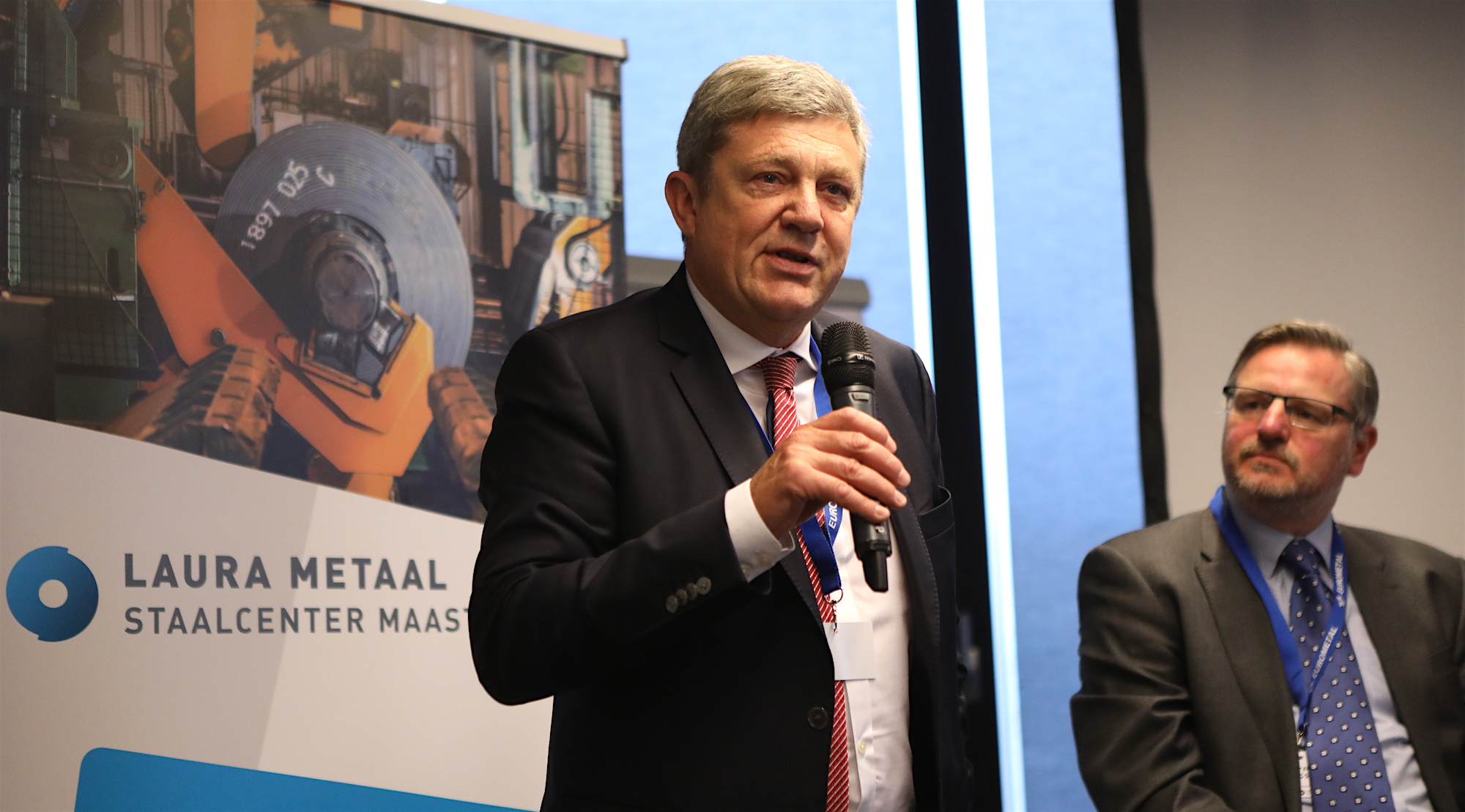
Ralf Reintjes, managing director of German trader Primex Steel and ISTA executive committee member, said “…independent service centres are the backbone of the industry.” However, they are in danger due not only to the anti-dumping measures but also to the EU’s safeguard probe launched in response to Section 232, which is a “…general attack on imports.”
“There should be a certain structure on the import side, we should not have a Wild West market,” Reintjes continued. “All the independent traders, service centres, distributors are depending on imported material besides the material they buy from EU mills. There has to be a healthy mixture between both, otherwise we lose our competitive edge.” Distributors need a body independent of Eurofer to represent them in EU trade cases, he suggested.

Central European distributors fear market correction

There is likely to soon be a reduction in steel consumption and prices in Central and Eastern Europe as the market is overheated after an “…extremely good” 2017. So said Jan Moravec, executive director – corporate audit at Czech distributor giant Ferona, during Tuesday’s Central Europe Regional Meeting of Distributors’ association EUROMETAL.
“2018 will still be ok, but we are extremely nervous – if we do not perform, we are nervous, and if we perform too much we are nervous as well because it’s not sustainable,” Moravec said during the panel discussion at the meeting in Vienna attended by Kallanish.
“We really think we are on the top, I mean the V4 countries… We hope there will be no drop, but there will be a certain slowdown and definitely a certain reduction, but of course no one knows when,” he continued. US tariffs have clouded the situation further.

Roland Fazekas, president of Hungarian stockholder Carboferr, added: “We could see very nice figures for the construction market… for Hungary and Poland, but we already see the price correction in the rebar market, for example, and in terms of demand the past two months was really a challenge for our business. In some segments, in flats, quarto, for example, the market is quite stable, but in longs we already see that a storm is coming.”
If the EU is not given an exemption from US tariffs, moreover, Italian suppliers will return to supplying the European market, Fazekas added.
Moravec said potential risks for the Czech market include reduced consumption; price volatility; the performance of Germany, on which Czech steel suppliers rely; and Chinese and Russian exports. Moreover, customers’ payment discipline could cause problems. Opportunities include digitalisation and investment into other products such as plastic or composite materials, in order to offer customers a complete package.
In a presentation earlier in the day, Moravec observed the success of populist governments in the V4 region should not have a negative impact on the recent good economic growth.
US steel tariffs should have little direct impact on European steel sellers as no EU countries are among the US’ major suppliers. The tariffs are therefore “…not critical or vital for the European industry in general,” Moravec opined. “On the other hand, there is the risk of pressure towards prices because all the countries, if they are not able to export to the USA, they will be trying to find new markets.”
Kallanish