

Polish distributor foresees continued demand from construction

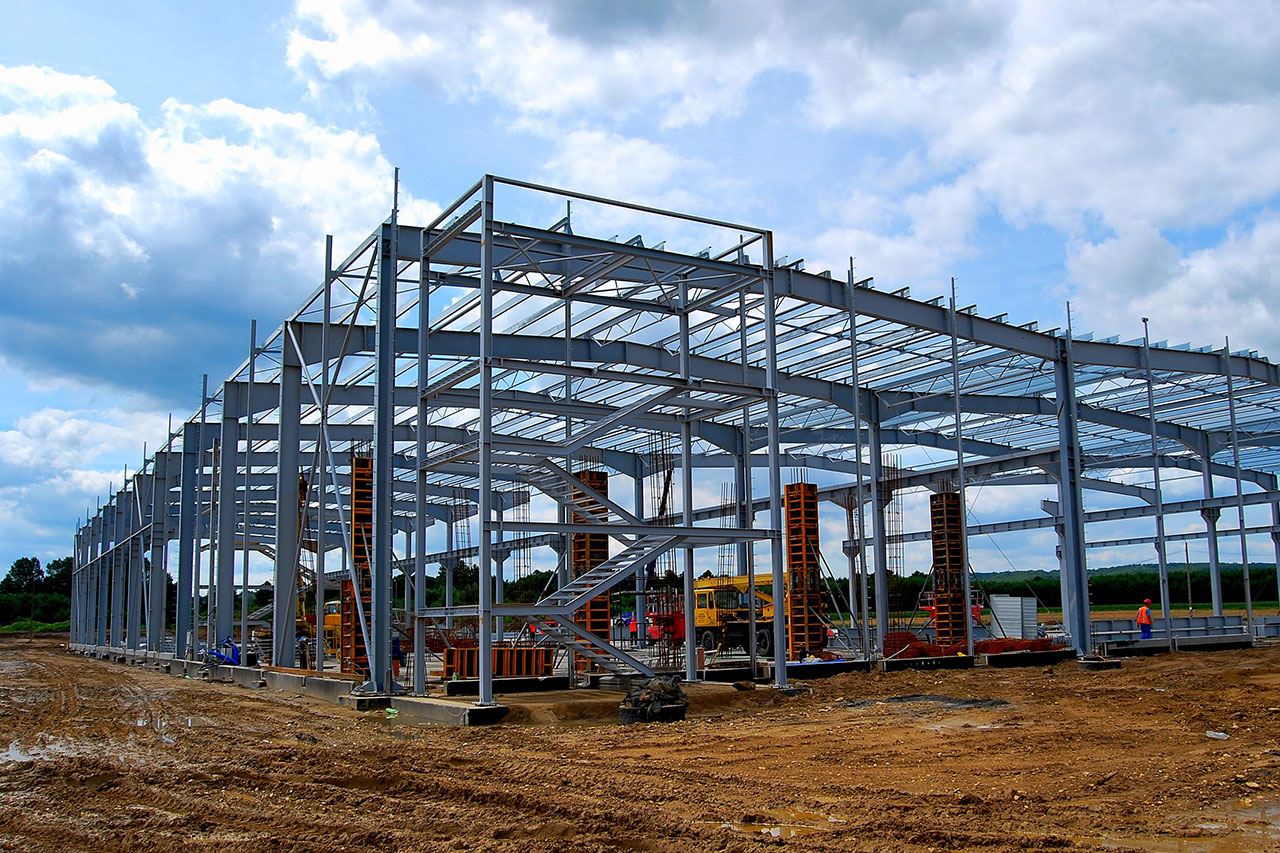
Polish distributor Bowim expects domestic construction activity to continue spurring steel demand after hiking its shipments in 2018.
In recent years the launch of numerous previously-delayed investments has revived construction sector activity. The most significant of these are in the rail, road, manufacturing and residential housing sectors. Steel demand from these investments is expected to continue. A large number of these investments do, however, depend on EU funding and could therefore be delayed, Bowim says.
Poland requires an estimated PLN 310 billion ($81.45 billion) of investment into infrastructure by 2020, while €25.8 billion ($29 billion) of the latest €82.5 billion round of EU funding has been allocated to infrastructure.
“In 2019 and the following years Bowim Group’s sales network is expected to expand further, including the opening of a local warehouse network in Poland’s main cities,” the distributor says in a report seen by Kallanish. “The creation of a retail distribution network is to take place through the acquisition of entities, leasing of infrastructure (e.g. warehouses), or construction of new branches.”
Bowim increased consolidated sales 12% on-year in 2018 to 508,012 tonnes. Sheet sales rose 10% to 166,599t, pipe and profile shipments were also up 10% to 106,887t and rebar sales surged 38% to 95,925t. Sales to the steel structures sector retained a 22% share in overall sales, the construction sector’s share rose 2 percentage points to 20% and the trade segment saw share drop 1pp to 18%.
Bowim’s revenue rose 21% on-year in 2018 to PLN 1.37 billion ($359.95 million) but net profit fell -39% to PLN 11.4m due mainly to higher cost of goods sold.
Celsa Huta Ostrowiec took a 12% share in Bowim’s steel procurement in 2018 versus 13% in 2017. Intake from other major supplier CMC Poland fell below 10% and did not therefore require to be reported.

Thyssenkrupp receives funding to test hydrogen in Duisburg
Thyseenkrupp has received a grant from local authorities to test the use of hydrogen in steelmaking, in order to advance the Duisburg site’s transformation into a climate-friendly plant.
In line with similar targets by other European steelmakers, thyssenkrupp is planning to reduce by some 80% its CO2 production by 2050. As part of this process it plans to test the replacement of some of the coal dust used as a reducing agent in the blast furnace by the injection of hydrogen.
“With the use of hydrogen at our blast furnace 9, we continue to work consistently on the conversion of our production processes,” explains Arnd Köfler, production director of thyssenkrupp Steel Europe. “Our goal is almost CO2-neutral steel production. This will be a long and costly process, and we will take another step today. In the first months of this project, we will first test the use of hydrogen in one of 28 blow moulds in a blast furnace. This is an innovation and has not been implemented so far in the industry. We will analyse the results of this test phase to then convert the entire blast furnace in this way in a second phase.”
To confirm its attention to the climate, thyssenkrupp also launched last year its Carbon2Chem project, converting emissions into chemical products used as valuable raw materials.

Network Steel advances with new HDG plant

Network Steel, the Spanish trading and industrial group, has advanced with its plan to start a new galvanising mill for coil in northern Spain. This week the local government recognised the company’s industrial plan as “…strategic”, thereby helping to speed up the investment process.
Thanks to this support local sources believe the mill could be operational as soon as October this year, Kallanish notes.
The new mill will be located in a former wind-power unit purchased from Vestas. It is expected to have a capacity of 520,000 tonnes/year of galvanised coil when it reaches its full potential at the end of 2020. With an investment of €130 million ($146.6m) the new plant will have a pickling line, two cold rolling lines and two galvanising lines.
Network Steel currently controls three production units, Aranda Coated, Santander Coated and Todoaceros, dedicated to the output of coil. The group is also one of the largest traders of steel products in Spain and recently acquired the service centre company Plafesa.