

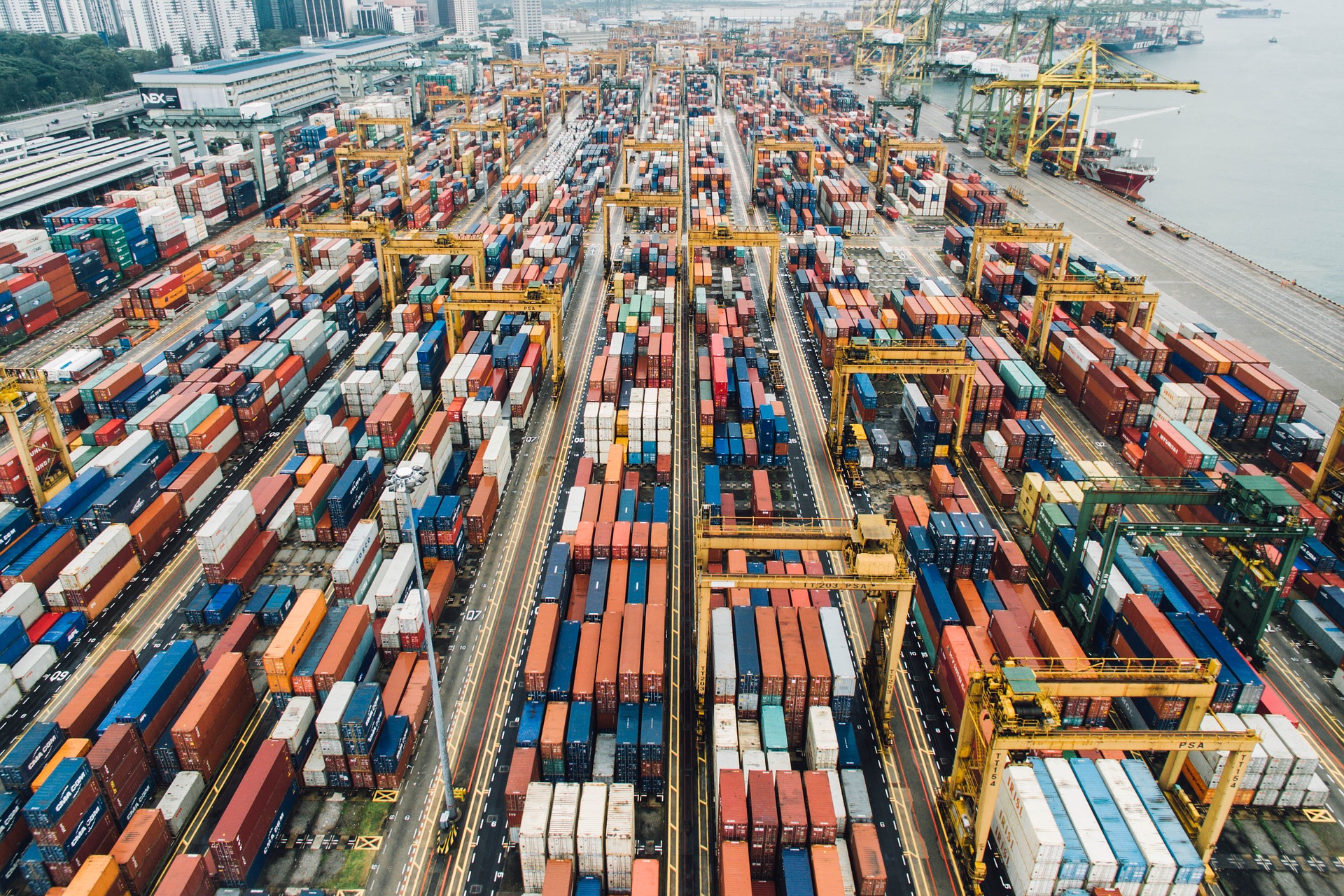
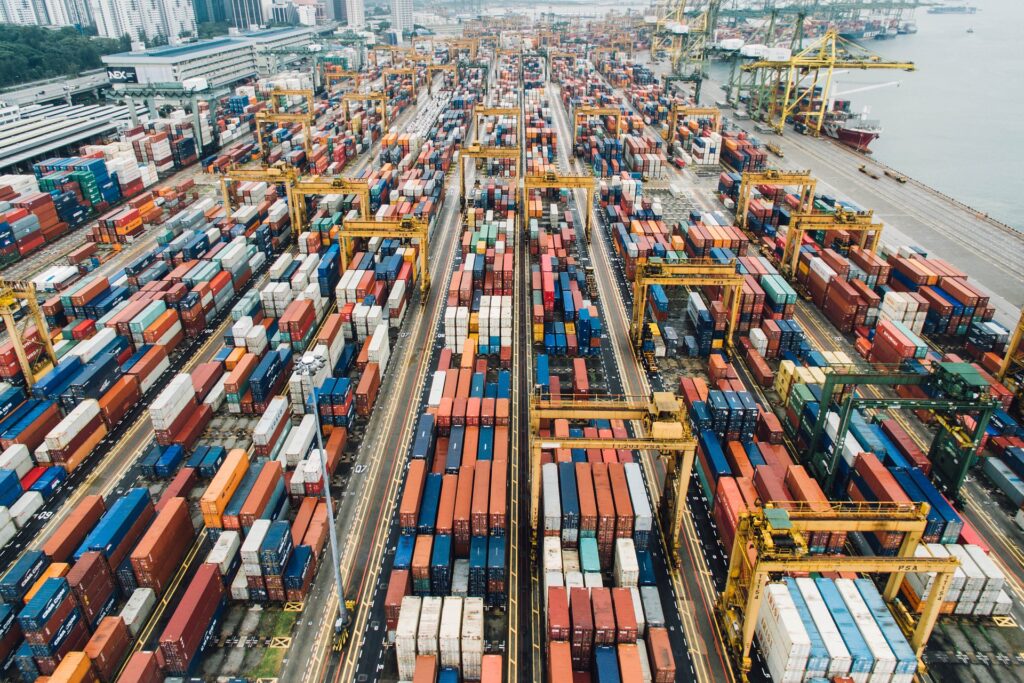
UK’s post-Brexit steel quota not seen having big impact on Turkish pipe exports
The UK will have its own steel import safeguard measures from Jan. 1, 2021, similar to those already put in place by the European Commission. Turkish pipe producers don’t expect these measures to have a further major negative effect on exports to the UK, as these have already fallen notably in the first eight months of this year, amid EU quotas.
Turkish mills’ pipe exports to the UK fell to 76,000 mt in first eight months of 2020, sharply lower than 130,000 mt exported in the same period the previous year, according to the latest Turkish Statistical Institute (TUIK) data observed by S&P Global Platts.
“UK will probably adopt similar quotas to EU as of the beginning of 2021, so it will not have further restricting effect on export volumes. We are currently only facing difficulties on gas pipe exports to the EU, while other quotas are generally normal,” an executive of a major Turkish pipe producer executive told Platts Oct. 6, adding that he is not expecting the EU to continue quota measures as of July 2021, as they can face difficulties at the WTO.
The WTO agreed to the establishment of a dispute panel on Aug. 28 to review a complaint filed by Turkey regarding the EU’s safeguard measures on imports of certain steel products, as Platts has reported.
Platts learned from Veysel Yayan, general secretary of the Turkish Steel Producers’ Association, on Oct. 5 that the WTO panel is currently being assembled and a final decision by the panel could be announced in the coming months.
Turkish mills, meanwhile managed to maintain their overall steel pipe export volumes year on year in January-August, despite trade barriers in some of Turkey’s main pipe export markets, including the EU.
Turkish producers exported 1.12 million mt of steel pipe under HS codes 7305 and 7306 to global markets in the eight-month period, slightly higher than 1.08 million mt exported in the same period the previous year.
Despite pressure from EU import quotas and the virus outbreak, this region continued to be Turkey’s main pipe export destination in January-August.
Romania became Turkey’s largest pipe export destination in January-August, taking 177,000 mt, up 10% year on year.
Turkey’s pipe exports to Iraq reached 128,000 mt in the eight-month period, up 11% on year, while exports to Israel totaled 91,600 mt.
Exports to Belgium rose 36% on year to 71,500 mt in the first eight months of 2020, despite EU quotas, while Canada became one of Turkey’s main pipe export markets in January-August at 45,000 mt.
Turkish mills’ pipe exports to the US fell to around 15,000 mt in January-August, sharply lower than the 65,200 mt exported in the same period the previous year, amid the COVID-19 pandemic.
Turkish pipe mills shipped 92,000 mt to the US in 2019, about a third of the 279,000 mt exported in 2018 after the establishment of US Section 232 tariffs.
Turkish pipe producers reflected the rises seen in HRC costs to their list prices in the previous weeks, as reported. As domestic HRC producers in Turkey have been offering HRC relatively flat at $530-$540/mt ex-works in recent days, Turkish pipe mills’ domestic and export pricing also remained stable.
A pipe producer told Platts on Oct. 6 that Turkish mills’ BPE grade welded pipe prices are currently at $560-$580/mt.
— Cenk Can

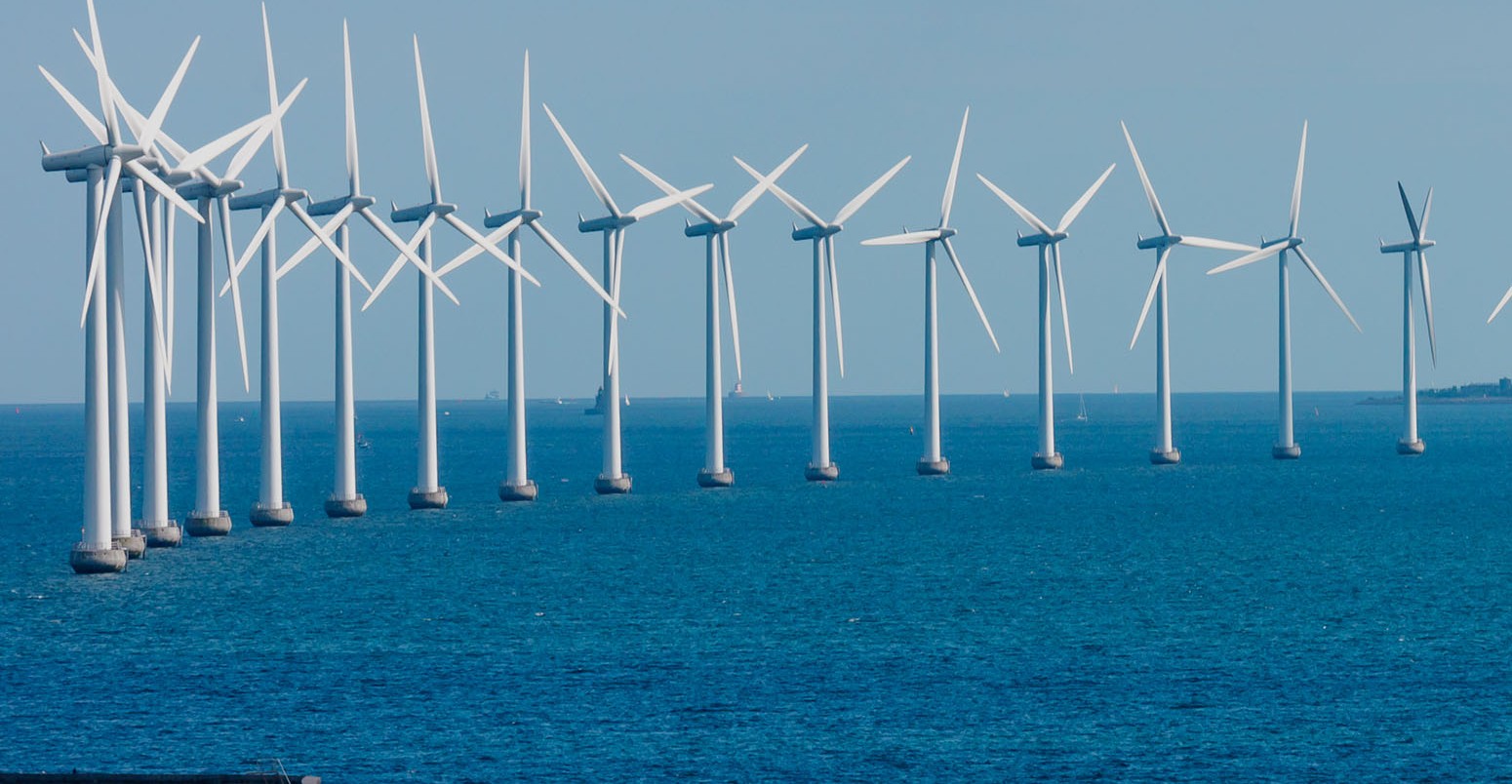
Offshore wind development should source locally: UK Steel

The UK government’s plan to invest heavily into increasing offshore wind capacity could require over 5 million tonnes of steel, which should come from UK suppliers, says UK Steel director general Gareth Stace.
The UK wants to reach 40GW of offshore wind power capacity by 2030, which is good for the environment and the economy, according to Stace. “Every GW of offshore wind power requires some 180,000 tonnes of steel, meaning this increased ambition could require over five million tonnes of steel,” he observes in a note sent to Kallanish.
“However, except for some of the steel for the foundations – virtually none of the steel comes from the UK today, for the simple reason that the UK still lacks the majority of the offshore wind manufacturing supply chain,” he continues. “It is vital that in massively expanding the offshore wind capacity of the UK that the Government focuses on building a domestic supply chain that will support UK manufacturing jobs, including those in the steel sector.”
UK Steel wants the government to place the same requirements on offshore wind developers as it does on other public projects when it comes to the procurement of steel. “Let’s have a target for UK content, let’s make sure we know where the steel is made, and let’s make sure UK companies have the best opportunities possible to supply it,” Stace concludes.
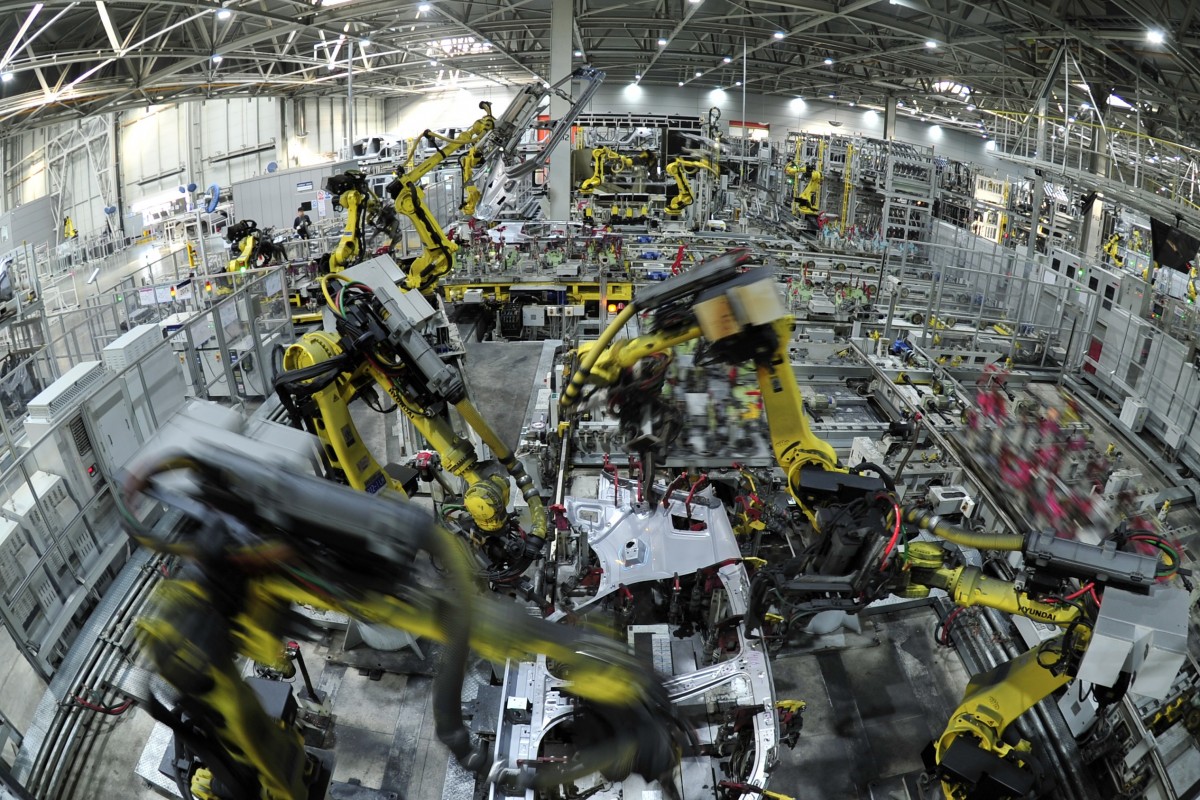
German car production improves in September

Germany’s carmakers produced 369,000 passenger vehicles in September, the highest number since the coronavirus brought assembly lines to a harsh stop.
By comparison, production in May was a mere 151,000 units, according to automotive industry association VDA. The output was likely even lower in April, the month when most plants stood still, but VDA refrained from giving a figure for that month.
In the first nine months of the year, production totalled 2.4 million units, which is a drop by -33% year-on-year, Kallanish hears from VDA. This is a relative improvement over the first half-year period, which saw output of just under 1.5 million vehicles, -40% less than in the first half of 2019. This marked the lowest passenger car production in 45 years, VDA notes.
Assuming a continued recovery in the second half, VDA expects full-year output to come to 3.5 million units, -25% less than in 2019.
German engineering industry doubt grows over recovery
Hope for a rapid economic recovery has given way to slightly increased scepticism among many German mechanical and plant engineering companies. This is the key message of the eighth survey by their industry association, VDMA, on the economic effects of the Covid-19 pandemic.
Only 18% of companies surveyed expect a return in 2021 to the sales levels of 2019, compared to over 30% in the previous survey in mid-June, Kallanish hears from VDMA. “Many companies are expecting a longer way out of the crisis and are adjusting their corporate strategy accordingly,” notes VDMA chief economist Ralph Wiechers.
Although the proportion of companies with serious order losses and cancellations has successively fallen from 45% to 28% since May, “…the continuing slump in orders continues to cause problems for many companies,” he says.
Almost two thirds of managers surveyed see a second Covid-19 wave as the greatest downside risk for the economic recovery. The great uncertainty is also having a negative impact on the willingness of companies to invest in their own facilities, and many will confine investments in 2021 to domestic plants, VDMA notes.
In August, its members posted a -14% year-on-year drop in real orders. This is the smallest decline on a monthly basis since the beginning of the coronavirus crisis. In June-August order intake fell by -22% compared with the previous year.