


AMNS India expands domestic retail network

AM/NS India is relaunching and expanding Hypermart, its national retail network that serves India’s Micro, Small and Medium Enterprise (MSME) segment. The firm expects to have 50 outlets by year-end and raise Hypermart’s share in revenue to 30% from the current 20%.
Hypermart sells to customers in areas such as fabrication, engineering goods and auto components, and gives them direct access to products they are unable to source directly from steel mills, AMNS India says.
“MSMEs are the growth engines of the Indian economy and we are confident that if quality steel is more widely and readily available, then its multiplier effects will drive consumption and growth for the nation,” Alain Legrix, Vice President and Director-Marketing, AM/NS India, says in a note sent to Kallanish.
As MSMEs continue to grow, easy availability of raw materials such as steel will strengthen demand and sustain growth as the Indian economy revives from the pandemic, the steelmaker observes.
AMNS India said in late July it was ramping up capacity utilisation as Covid-19-related lockdowns in India were lifting. The firm was hit by pandemic measures, especially in April, with crude steel output falling -29% on-quarter in the second quarter to 1.2 million tonnes.

ArcelorMittal supplies first 30,000t of carbon neutral steel
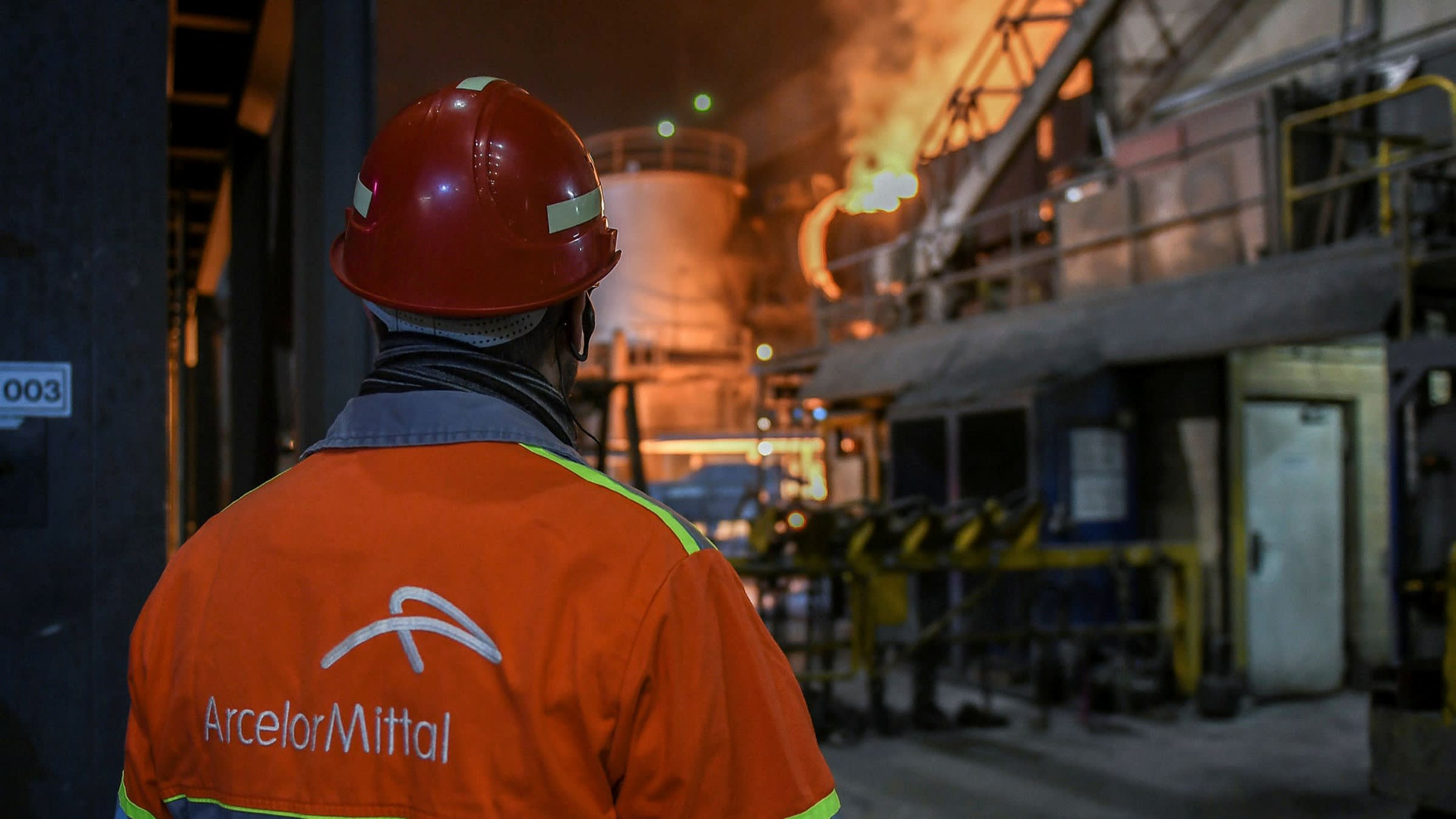
ArcelorMittal says it expects to be able to supply the very first 30,000 tonnes of carbon neutral steel products to customers this year. The output of carbon neutral volumes will then increase to reach 600,000t in 2022.
The company is progressing in its target to become carbon neutral by 2050, cutting European-based emissions by -30% by 2030. To achieve this goal, it is continuing to invest in a number of projects, including the use of hydrogen in blast furnaces, as well as DRI-EAF facilities. In addition, further smart carbon activities are being implemented.
As a concrete result of the investments implemented by the company, ArcelorMittal was able to confirm that the first green steel volumes will be available this year. The calculation is made using a system that quantifies the CO2 emissions savings made thanks to the decarbonisation projects, verifying emissions compared with a 2018 baseline.
“We are pleased to be able to offer our first green tonnes this year and look forward to being able to provide customers with larger volumes of this steel as our decarbonisation projects are ramped up and rolled out across Europe,” ArcelorMittal Europe chief executive Aditya Mittal says in a note seen by Kallanish.
“We are also in the process of applying for funding for various projects from the ETS Innovation Fund which we hope will be successful, giving us the vital access to finance that we need for these important projects,” he adds.

Sheet processor 247TailorSteel starts up German plant

247TailorSteel, a sheet processor headquartered in the Netherlands, has started operating a new site in Germany, Kallanish hears from the company.
The plant is located in Hilden near Düsseldorf and has so far been equipped with three laser cutting machines, two bending machines and one deburring machine. Initially, the site will have a staff of 35, which the company plans to increase to 130 in the medium term. Staff were trained at the company’s Dutch headquarters in Varsseveld.
At its three production sites, including one in Oyten near Bremen, 247TailorSteel processes on average 130 tonnes of sheet and 2,000 metres of tubes per day, it says.

German steel production seen dropping 15% in 2020
German crude steel production is likely to be around -15% lower in 2020 than in the previous year, according to the current economic status report by Essen-based RWI institute.
The forecast is made on the assumption that the economic recovery that came after mid-year will continue. It may therefore be overshadowed by the latest restrictions in Germany related to Covid-19, Kallanish notes. Output is forecast to reach 33.5 million tonnes, at a capacity utilisation of less than 69%.
Looking ahead, author Roland Döhrn states that this year’s decline is unlikely to be fully made up in 2021. Even without another Covid-19 wave, a long-term decline in demand will continue, he argues. “Demand for steel in the automotive industry, which has been declining since the end of 2018, will in all likelihood pick up only moderately,” he writes.
“The transformation to e-mobility will possibly mean a disruption because it means a change of the supply structure in the automotive industry,” he writes. Batteries will become a cost factor, while the role of traditional German production chains will lose significance.
He expects crude steel production to reach 37.5mt in 2021, up 11% on-year. This means that around 75% of capacity would be utilised, a figure still well below the over 80% reached in the years before 2019.