

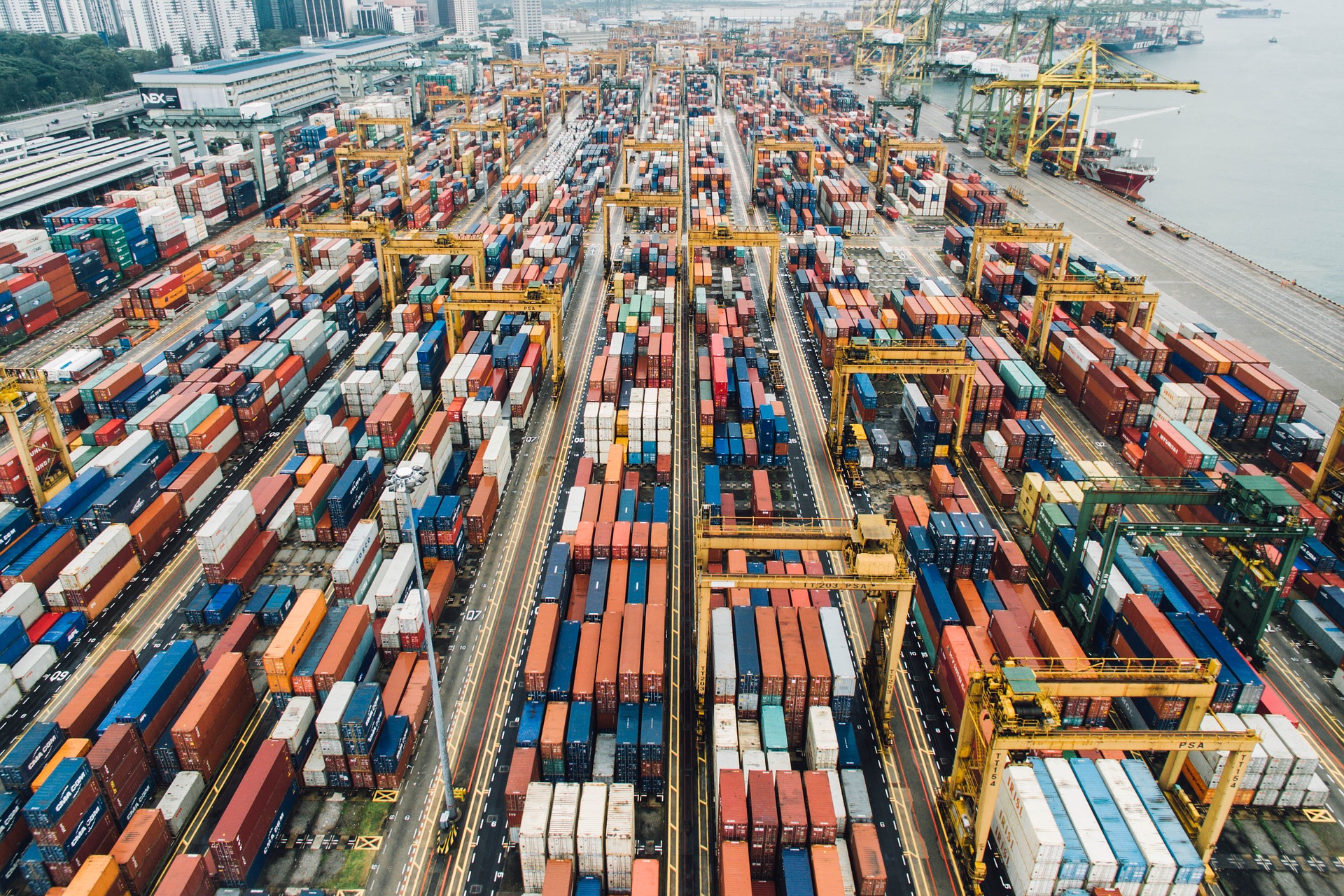
China likely to become a net steel exporter again in October
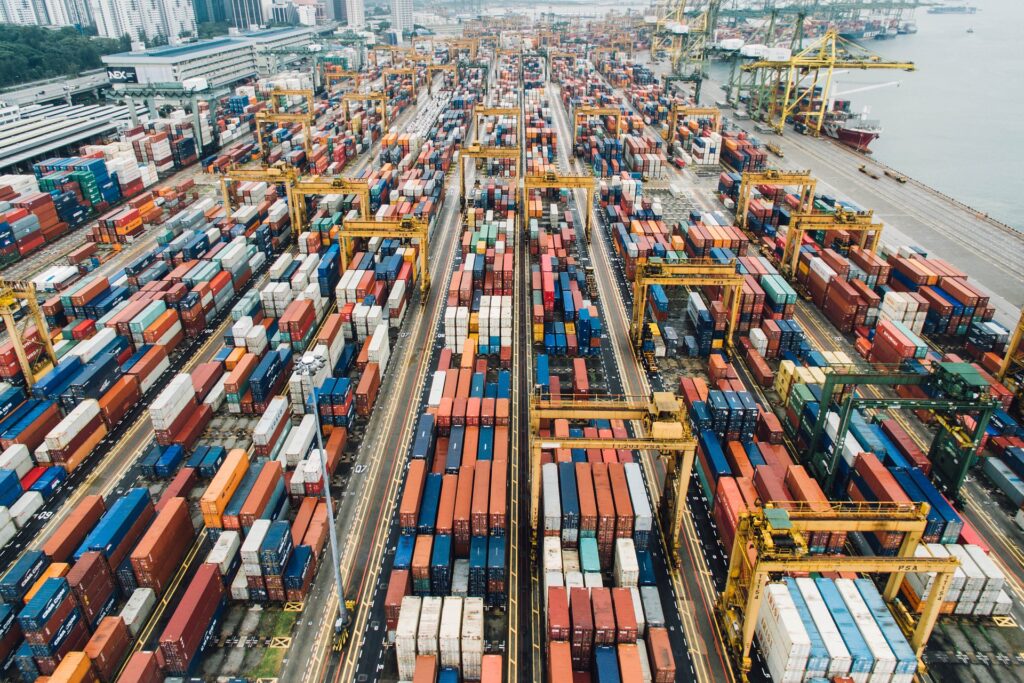
China is likely to become a net steel exporter again in October, after being a net steel importer for four consecutive months from June to September. However, the volume of net exports over October-December is
expected to be limited, and unlikely to ease steel supply in the domestic market in the coming winter season, according to data from the China Iron & Steel Association, or CISA.
China imported 2.79 million mt of semi-finished steel products in September, comprising mainly billet and slab, up almost seven-fold on the year, but already down 14% from August, according to China customs data.
When added to finished steel imports, it took China’s total steel imports in September to 5.67 million mt, surpassing the total steel exports of 3.83 million mt.
However, semi-finished steel import volume is expected by market sources to drop sharply in October, as the import orders booked by Chinese buyers in August and September slumped, due to improved overseas
demand, which has reduced the need to sell into the Chinese market, and plateaued Chinese domestic strength.
Meanwhile, CISA foresaw China’s finished steel imports to retreat over October-December as well, to an average of 1.54 million mt/month, after peaking at 2.89 million mt in September.
According to CISA, China’s total finished steel imports in 2020 are likely to increase by 60% year on year to 19.69 million mt.
CISA expected finished steel exports to decrease by 15% year on year to 54.65 million mt in 2020, indicating the monthly exports over October-December would average 4.75 million mt, up 24% from September.
The average net finished steel exports thus are likely to average 3.22 million mt/month in Q4, up 144% from Q3, but still 8% lower on the year.
Some Chinese traders said imports of semi-finished and finished steel will rebound now and then in a foreseeable future, but China is unlikely to be a net steel importer again at least in 2020-2021.
This is because while overseas demand has gradually recovered, China’s stimulus, issued in the first half of 2020 to boost its economy from the pandemic hit, has gradually faded away, some sources said, adding the
Chinese domestic strength therefore is unlikely to largely surpass overseas market again.
— Analyst Jing Zhang

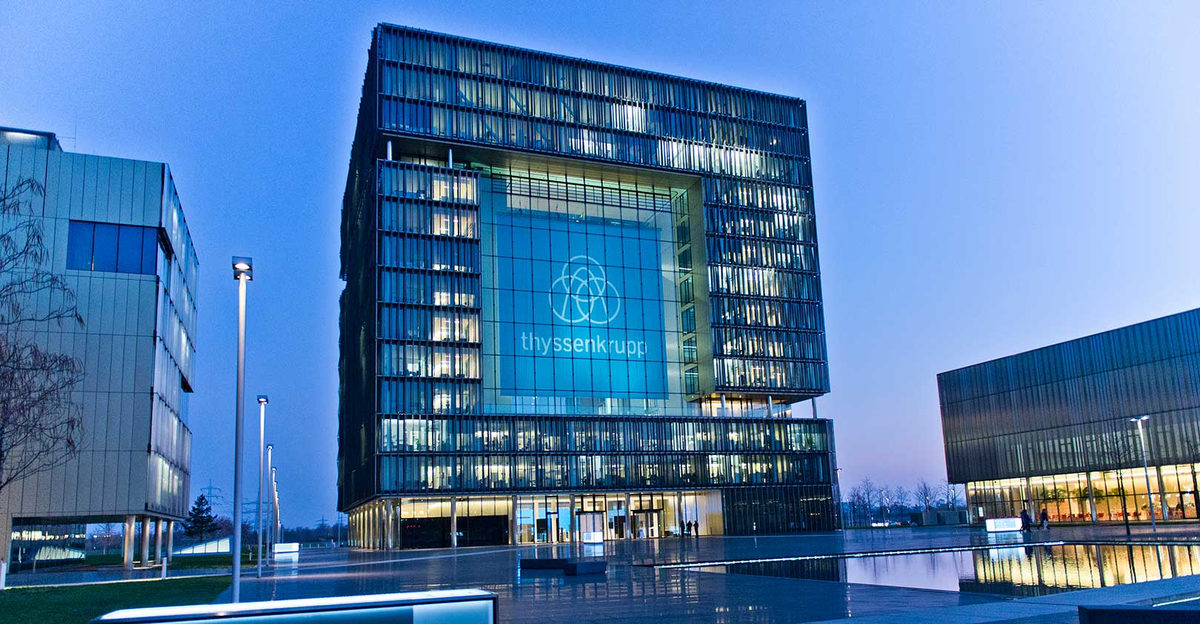
Steelmaker thyssenkrupp gets new funding for emissions projects
German steelmaker thyssenkrupp’s project to convert steel mill emission gases into chemicals and reduce CO2 emissions has received another Eur75 million in funding after proving commercial viability, thyssenkrupp said Oct. 29.
The German government provided further funding for the period through 2024 following the confirmation of technical feasibility and commercial viability. The government previously provided Eur60 million for the first phase of the project in 2016.
The “Carbon2Chem” project is expected to help reduce CO2 emissions at thyssenkrupp’s steel mill by 30% by 2030, while the steelmaker aims to be carbon neutral by 2050.
Thyssenkrupp started the project at the Duisburg mill in 2018 to convert mill emission gases, including the CO2 they contain, into chemicals. Thyssenkrupp’s separate hydrogen route involves replacing coal with “green” hydrogen as the reducing agent for blast furnaces so that in the long term no CO2 is created in the production of steel.
Thyssenkrupp will now test long-term stability in the interactions between steel production and chemical synthesis, show the technology can be upscaled and try to extend the process to other industries.
“Carbon2Chem can help CO2-intensive industries in particular on the road to climate neutrality – this applies not just to steel but also, for example, to cement or lime production,” said Klaus Keysberg, thyssenkrupp CFO.
The German government adopted a “hydrogen strategy” earlier this year giving funding to CO2-heavy industries to make necessary changes to reduce emissions.
— Laura Varriale

Revista Infoacero Octubre 2020
En el siguiente enlace pueden acceder a la edición de octubre de nuestra revista: INFOACERO OCTUBRE 2020
A continuación destacamos algunos de sus contenidos:
- Opinión – D. Juan Ramón Fernández – Junta Directiva de la UAHE.
- Evolución del Índice de Precios de Productos Siderúrgicos – UAHE.
- Ayudas Pymes: Compra de Maquinaria Industrial. Pymes Comunidad de Madrid afectadas Covid-19
- Información Asociativa: Resumen XVI Forum de la Distribución de Productos Siderúrgicos. Asamblea General UAHE- 17 Noviembre
- Sector Metal: Informe Coyuntura del Metal y Comercio Exterior- Confemetal
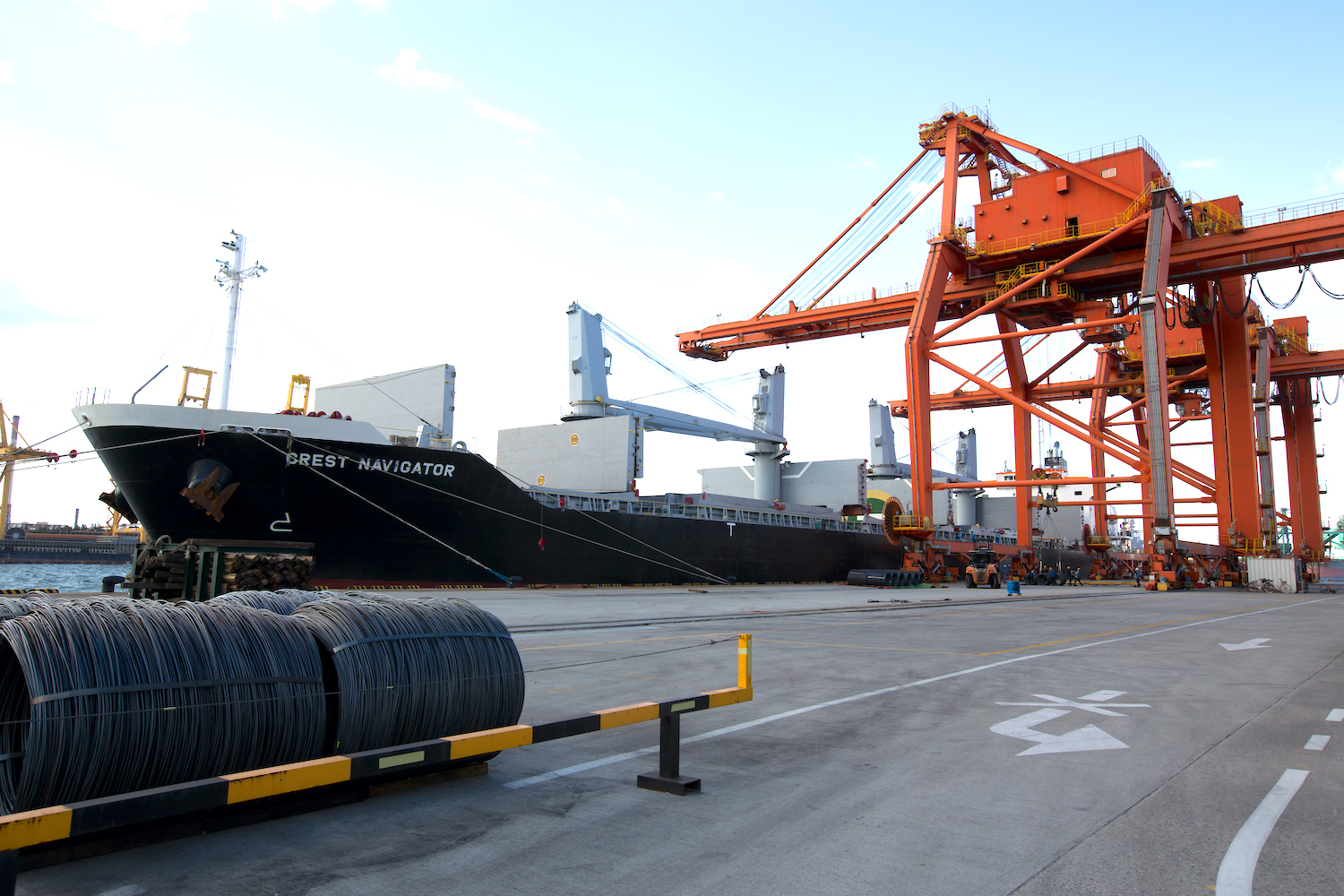
EUROMETAL Steel Trade Day on 20 November 2020
Facing the Slide in Global Steel Trade

Trade restrictions are closing global steel supply chains in a year threatened by Covid-19 contamination.
This unprecedented pandemic has shaken steel demand and supply forecasts.
EUROMETAL Steel Trade Day, to be convened online on 20 November 2020, will address the status of consultation on EC planned Carbon Border Adjustment Mechanism (CBAM), anti-Circumvention investigation on HDG products from China, AD measures to several other product categories imported from China, UK safeguard measures and the reaction of the EU in terms of adapting its own safeguard measures following and some and some suggestions solving overcapacity in world steel industry.
SAVE THE DATE for this outstanding free online event.
(20 November 2020 from 14h to 16h30)
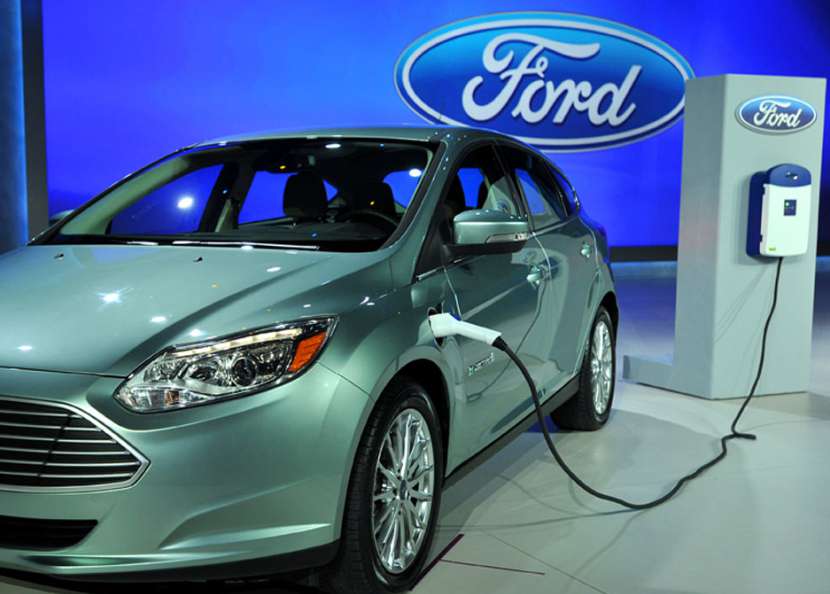
Ford expects 10% North America revenues from electric
US Big Three auto producer and sheet consumer Ford plans to eventually reap 10% of its North American revenue from electric vehicles, Kallanish learns from the company’s third-quarter conference call.
Ceo Jim Farley told analysts during the call that Ford’s strategy is being undergirded by cap-ex investments and a big-volume strategy.
“There’s been a lot written about the electrification of our industry and Ford’s bet is different,” he says. “We’re betting on a full lineup of commercial electrified vehicles. We’re building a plant at the Rouge. We’ve been the number one nameplate in US industry. We sell over one million F-series [light trucks]. We have an enormous customer base who are looking to reduce the cost and so I’m not going to get into forecasting the volumes, but we really see in this first inning of electrification – and it’ll be a long game that plays out over many years – that we have tremendous volume opportunity.”
Farley adds that Ford doesn’t plan to pursue the “$100,000-plus market,” like ostensible competitors Lucid and – until recently – Tesla.
“These are affordable vehicles,” he says, naming a range between $20,000-70,000. “We’re talking about these vehicles being 10% plus of the revenue pool in North America at their price. So they look great financially for us. But I guess we aren’t looking at electrification for the propulsion. We think the real change here is the connectivity, and to run a business based on the data.”


French longs demand to continue despite lockdown
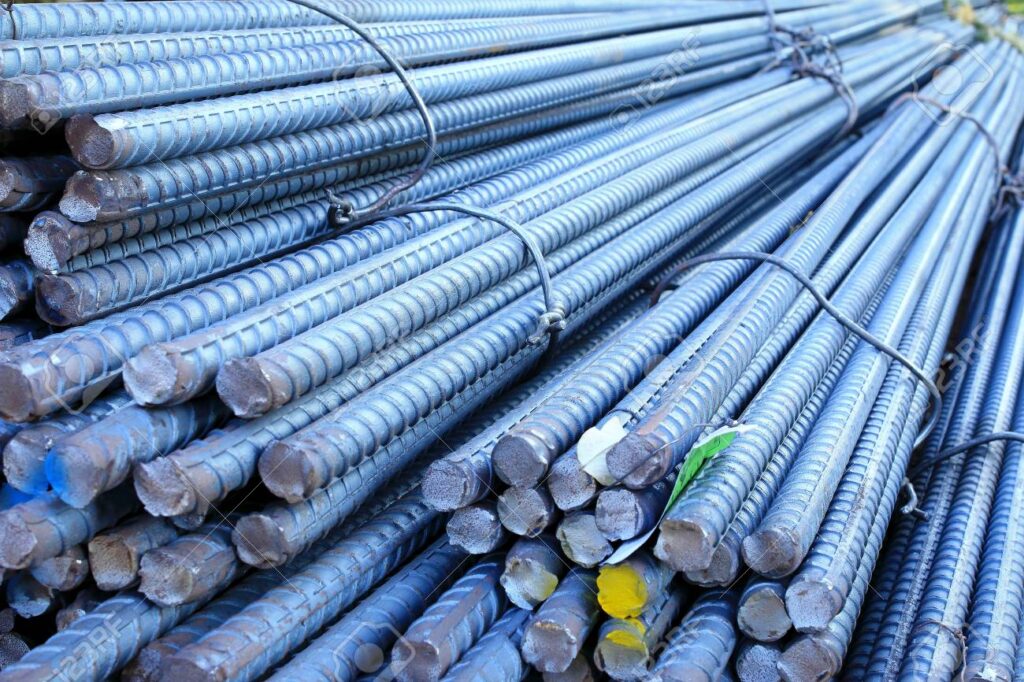
Despite October proving to be a worse month than September in terms of sales volumes, French distributors say demand for their products generally remains at good levels. The new lockdown announced in France this week is not expected to reduce sales activity. The general outlook on future activity remains optimistic.
According to new lockdown rules, steel companies and building projects are allowed to continue to work. However, a slowdown may take place in the coil market as it is still unclear whether car dealers will be allowed to remain open.
Prices for reinforced concrete steel products are not seen decreasing in November and should remain stable in France at the current high levels. With no change from last week, distributors are selling rebar at €200-210/tonne ($234-246) base delivered. Including €260-270/t size extras, the latest finished delivered price for French rebar remains at €470-480/t on average. Prices from the country’s main producers remain at €160-170/t base ex-works, sources tell Kallanish.
The domestic market is not being disrupted by competitive imports, with Italian material not being offered in France at cheaper prices at present, Kallanish is told.
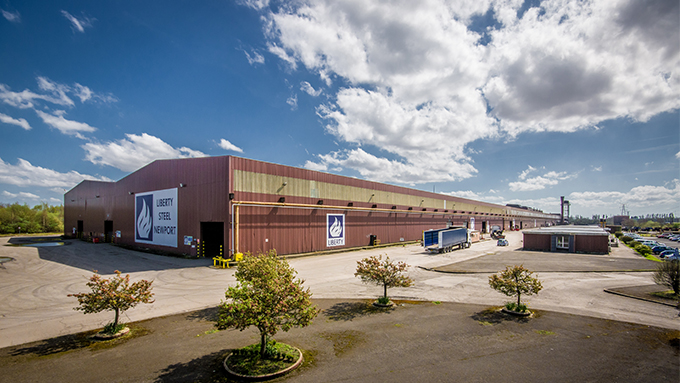
Liberty Newport fire fails to hamper production
The fire that broke out at Liberty Steel’s Newport re-rolling mill on Wednesday evening did not impact or relate to production activities, a company spokesman tells Kallanish.
According to reports, firefighters were called to the Newport plant at about 19:40 GMT and managed to get the fire under control by 22:50, with no one being injured.
Over the summer Liberty said it had recruited Danieli to supply a “Q-One” electric arc furnace and create a 1.5-2 million tonnes/year capacity compact direct strip plant at Newport producing hot rolled coil for the UK market (see Kallanish passim).
The development is contingent on a competitive investment environment and the completion of SIMEC Atlantis Energy (SAE)’s sustainable power station conversion project at the adjacent Uskmouth power station in South Wales. This power station would feed the EAF at Newport with power.

NLMK suffers Covid-19 delays at Belgian service centre
NLMK confirms to Kallanish that its Belgian coil service centre located in Manage is suffering from production delays linked with the second wave of the coronavirus.
“The situation generated by Covid-19 has been deteriorating day by day in Belgium for a few weeks,” a company spokesperson says. “This causes disruption at the Manage plant, as the cut-to-length and slitting machines can no longer operate at the expected rate. This causes production delays.” The situation is only temporary, the spokesperson adds.
The facility has a slitting line capable of processing some 200,000 tonnes/year of sheet. More than half of output is dedicated to the automotive sector, with the rest going to general industry including construction and metal furniture. The Manage unit is located near the La Louviere plant and supplied mostly by it.
The delays at the NLMK service centre confirm the overall delays heard in the coil market across Europe. These are the result of a shortage of supply as well as new uncertainties created by the rapid resurgence of the virus across the continent.