

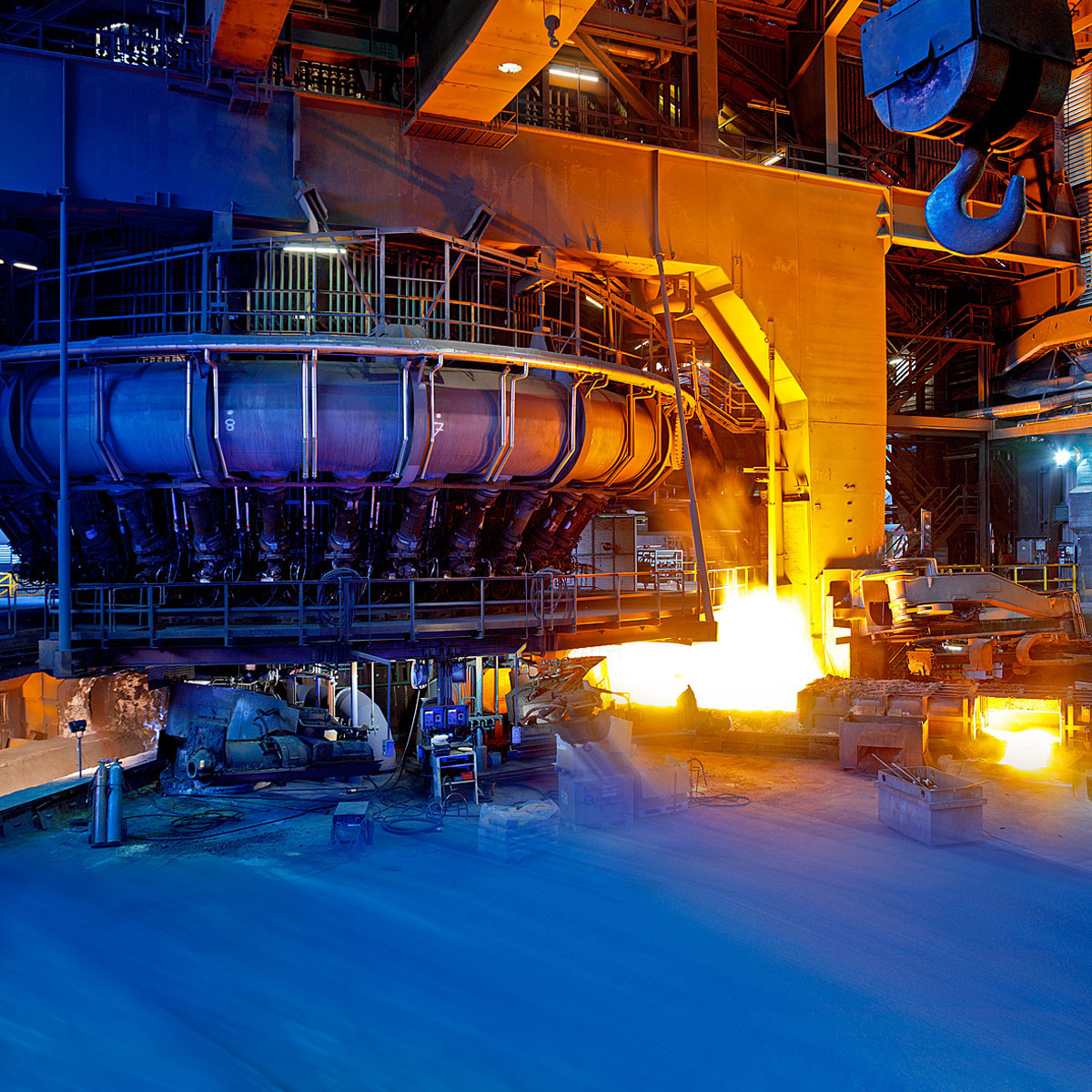
Austrian steelmaker Voestalpine back at full flat steel production
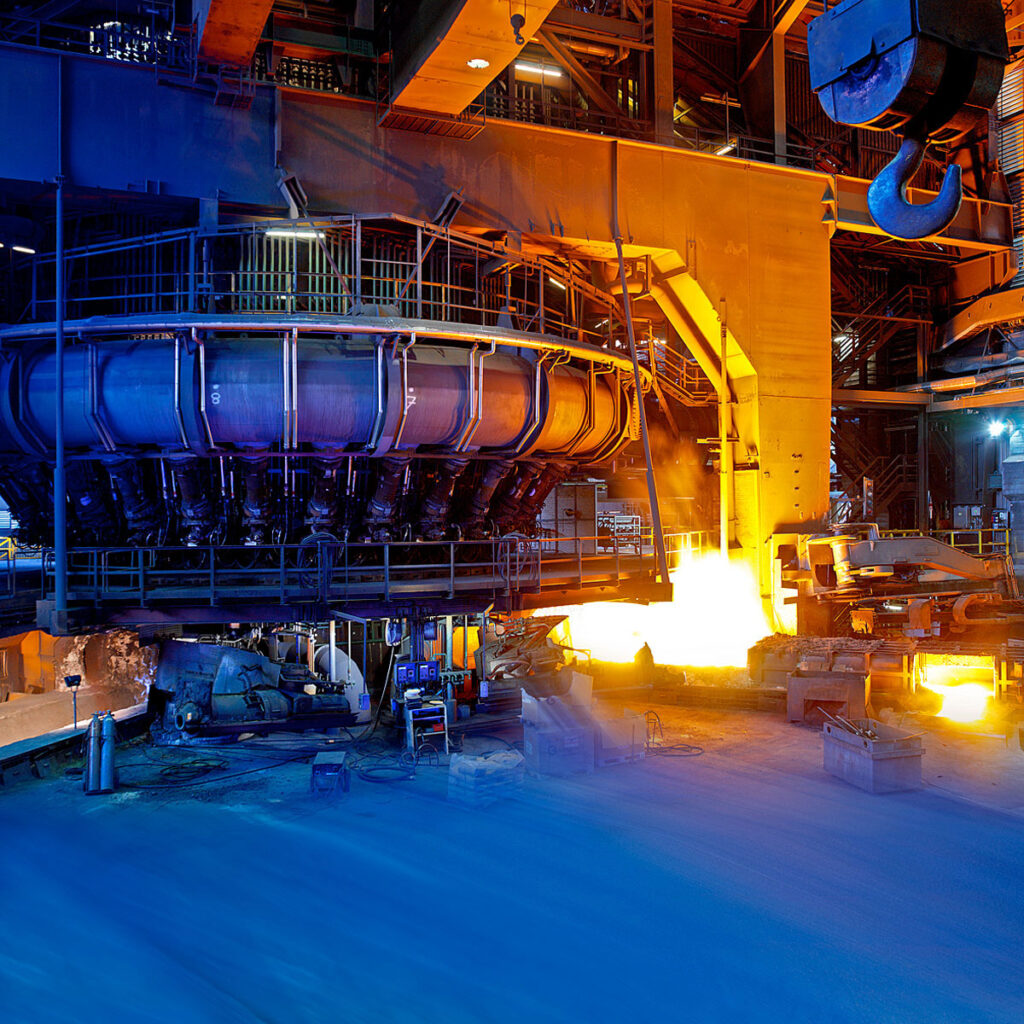
Austrian steelmaker Voestalpine is running its flat steel production at full capacity, while long steel production remains curbed, CEO Herbert Eibensteiner said Nov. 10.
The company still said that, due to rising COVID-19 infection rates in Europe, the economic forecast looks more uncertain but that overall Voestalpine is registering more demand from the automotive industry, recovery in consumer goods and building industry as well as improvement in the mechanical engineering industry.
During a press call on the company’s financial first-half results (April-September 2020), Eibensteiner told S&P Global Platts that flat steel production would be at 90-100% capacity utilization following the restart of one blast furnace that had been temporarily idled. However, one smaller blast furnace at the long steel mill remains out of operation after a completed reline in October until “probably” January 2021.
Q2 saw improvement, but outlook unclear
The company sees no recovery in the aerospace or oil and gas sector yet and said that particularly in the aerospace business a normalization of the situation within the supply chain would likely take two years.
Voestalpine keeps around 2,500 on reduced working hours in Austria which is considerably down from 10,000 in spring, but will proceed with decreasing the tubulars workforce by 250 and workers at special steel site Kapfenberg by 300.
The steel division saw a revenue improvement from Q1 at Eur834.9 million to Q2 at 995.6 million but remains 13% behind last year’s Q2, based on increasing shipments in flat steel particularly while cash flow management remains high priority.
“The substantially positive operating result (EBITDA) and the increase in cash flow show that our consistent cost-cutting and efficiency enhancement programs have taken hold. At the same time, this performance reflects rebounding demand in major customer segments during the business year’s second quarter. But it remains to be seen despite positive market signals how the renewed lockdown measures in Europe will impact the economy,” said Eibensteiner.
Voestalpine said it was possible to limit backdrop from steel price declines on the spot market during that time due to long-term contracts with customers secured ahead of the pandemic.
“The Steel Division had to contend with price declines in its short and medium-term business also. Thanks to the contracts’ structure, however, these were not as dramatic as those in the spot markets. The structure of the contracts leads to a situation where price increases do not take hold until after a minor delay,” Voestalpine said.
The direct reduction plant in Texas, US, delivered a substantially lower operating performance due to lower demand from the customer base and acquiring new customers in the Far East helped to offset this weakness “only in part”, according to the company.
The company expects iron ore prices remain supported by the Chinese steel market and Eibensteiner expects iron ore to remain at $100-120/mt.
Regarding a possible change to trade policies in the US following the elections, it would be too early to suggest there would be any substantial change to the current status quo, he said.
— Laura Varriale


Digital platform emerges to auction excess European steel, capacity
Around 15 European steel suppliers, including a major Czech Republic mill, have signed up to auction their excess steel via a digital platform, in an initiative arising out of the COVID-19 market crisis, one of the platform’s four founders told S&P Global Platts in an interview.
The platform, Vanilla Steel, aims also to allow mills and processors to auction the use of free production capacity, particularly in the rolling mill area, said co-founder Alexis Ducros.
Carbon and stainless steel flat and long products and tubes are made available on the platform for a four-day period each week at a minimum price and incoterms defined by the supplier, said Ducros, who claims the Berlin-based platform is the only independent venture in Europe offering this kind of service, as mills typically sell their own products.
Highest bids in Euros per metric ton are visible on the platform except in “blind” auctions and so far there have been “a few hundred” customers, mainly traders, service centers and processors. Suppliers and customers are located in 22 countries in western and eastern Europe, including Portugal, Turkey and the UK, said Ducros, naming one supplier mill as Vitkovice, the largest manufacturer of steel plates in the Czech Republic.
“We’re very upstream-oriented, connected to the mills,” Ducros said. While the mills have commercial agreements with the platform, all sales transactions take place outside the platform, directly between supplier and buyer, he added. Access to the platform is free for buyers.
Inventory displayed on Vanilla Steel’s platform is owned by the mills and the average lot sold is a truckload, typically 20 mt- 25 mt. As the platform commands “a huge presence” in Antwerp, material can be sold for port shipment also, according to Ducros.
Constant excess, COVID ‘slow-movers’
While quantities sold are currently relatively low – 1,000 mt in the first four months of the platform’s operation – potential exists for considerable expansion, given that up to 10% of the total production output of the European steel industry could typically be classed as “excess,” according to Ducros, a former investment banker with experience in starting up digital platforms across various industries.
“There has been constant excess material – up to 10% – generated by the steel producers,” Ducros said. “It’s always around but COVID slow-moving material has additionally increased the stock eligible for inventory management. Some mills have been working at less than full capacity. We’re at the beginning of the story: we want to bring more simplicity to the steel world through innovation.”
The EU produced 99.4 million mt of crude steel in the first nine months of 2020, down by 17.9% compared to the same period in 2019, according to the World Steel Association, indicating the EU steel sector is working at considerably below its installed capacity levels.
Excess material includes steel produced with no defined customer, including over-rollings, excess prime and semi-finished products. Ducros notes that basic oxygen furnace mills, used by the majority of European steelmakers, require continuous operation and can’t be turned off when demand slumps.
Excess material can also include “de-classified” material, which may fail a standards test perhaps because of a surface defect such as scratching and for which it may be difficult to define a price outside auction, but which can be re-used, as well as “slow-movers” that need to be sold quickly to free up space and capital for new inventory, Ducros said.
“We’re talking about sustainability and extending the life of steel products,” he said. “You don’t need to scrap everything!”
— Diana Kinch

ArcelorMittal Italia changes personnel, exit rumours re-surface
ArcelorMittal Italia, the unit of ArcelorMittal controlling the operations of the former Ilva, has replaced its chief marketing officer, Kallanish learns from sources.
Carlo Malasomma, the chief marketing officer at ArcelorMittal Italia since the company agreed to take over the former Ilva back in 2018, is being replaced by Alessandro Faroni.
It is also understood that ArcelorMittal is reorganising its commercial structure to shield the Italian unit from its other European activities. However, further information is yet to be divulged. Views among sources close to the company diverge as to whether this move is merely to improve the organisation, or whether it signals the preparation for an exit from Italy by ArcelorMittal.
Negotiations between ArcelorMittal and Italian authorities on the future of the former Ilva assets are still ongoing. The parties have until the end of November to reach a final agreement on the planned investment by Italian authorities aimed at supporting the revival of the steelworks. In the event an agreement is not reached, AM InvestCo has a withdrawal right, subject to an agreed payment of €500 million ($591m).

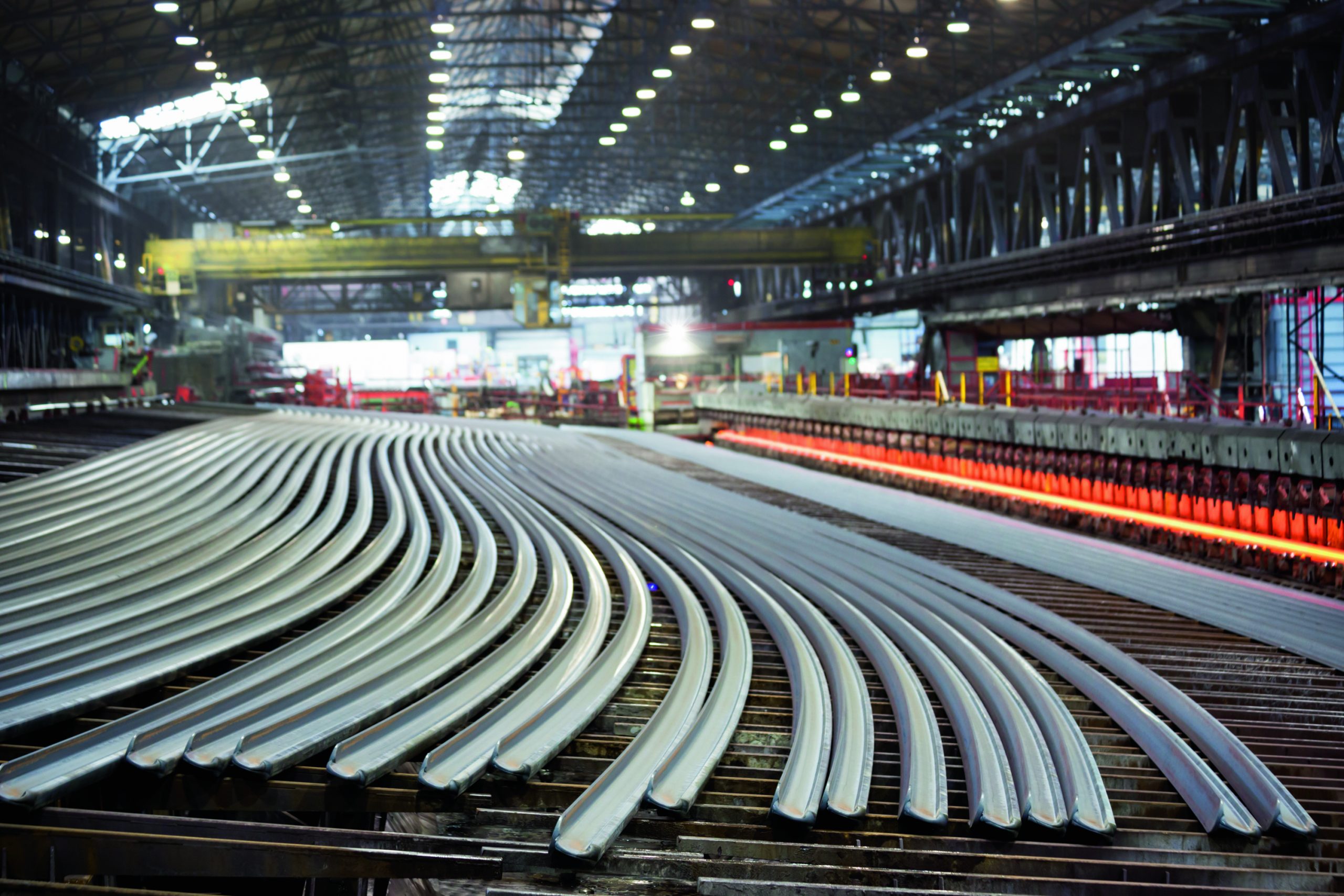
Voestalpine leaves one Donawitz furnace idle

The blast furnace at voestalpine’s Donawitz plant that has been relined in recent months will not be put back into operation for the time being, the firm says. Donawitz has two blast furnaces with a combined capacity of 1.5 million tonnes/year of pig iron.
At the group’ strip mill in Linz, one furnace was temporarily taken out of operation during the first Covid-19 wave in spring, and restarted in late August. Linz is now back to full operation, meaning a utilisation of 90% or more.
Against that, the products typically produced by voestalpine’s Metal Engineering division using steel from Donawitz, such as drawing-quality wire and seamless tube, are still suffering from low demand. Even before the outbreak of Covid-19, the group stated that production in this segment via the oxygen route means a cost disadvantage especially for long products. Competitors in these segments mainly use electric furnace technology for producing semi-finished product.
Voestalpine chief executive Herbert Eibensteiner noted during a conference call monitored by Kallanish that the firm has mastered the crisis “…better than competitors”. During the first Covid-19 wave, 10,000 of its Austrian staff registered for short-time work; that figure had come down to some 2,500 at the end of the second fiscal quarter (July-September).
Since the end of the reporting period, many EU member states have re-imposed lockdowns of varying severity, “…and the impact of that cannot be foreseen in detail”, the company states. “What is certain, however, is that the uncertainty regarding forecasts of future developments is much greater now.”
European Commission drops China, Indonesia stainless HRC probe
The European Commission says it is dropping its anti-subsidy investigation into imports of stainless hot rolled coil from China and Indonesia.
The investigation was opened following a complaint last year lodged by Eurofer. The same association, nevertheless, dropped the complaint in September this year.
“The investigation had not brought to light any considerations showing that a continuation of the case would be in the Union interest,” the European Commission explains.
Currently, investigations are ongoing to determine the possible imposition of anti-dumping duties on stainless cold rolled coil from India and Indonesia. An expiry review of the existing measures against stainless CRC from China and Taiwan is also ongoing, Kallanish notes.