

Swiss Steel eyes recovery, but shipments still low
Swiss Steel Holding, formerly Schmolz+Bickenbach, registered a cautiously positive recovery in the third quarter after two disappointing quarters due to the Covid-19 pandemic impact. But higher steel demand did not translate into increased sales volumes and revenue.
“Sales normalised in the second half of August after production capacities were ramped up smoothly following the summer break,” says chief executive Clemens Iller. “The first signs of improvement have come from the automotive industry, while the recovery in mechanical and plant engineering as well as in the energy segment, especially with oil and gas, remains sluggish.”
However, the company reported an -18% on-year decrease in Q3 sales to 332,000 tonnes, Kallanish notes. This was especially pronounced in quality and engineering steel, whose shipments fell -19.8% as the automotive demand recovery filters through to sales volumes with a delay. In addition, the fall in demand in mechanical and plant engineering continued in Q3.
Volumes also fell in the stainless steel and tool steel segments, but with less sharp declines of -13.9% and -12.5% respectively. The average sales price/tonne of steel was €1,534/tonne ($1,805) versus €1,654 in Q3 2019. This was despite the slightly positive movement in prices for scrap and alloy surcharges following the pandemic-related slump.
Swiss Steel’s Q3 revenue declined -24% on-year to €509.4 million. The decrease was most pronounced in the quality and engineering segment, at -27.5%. Revenue from stainless steel was down by -21.3%, and for tool steel by -19.9%. Geographically, all regions and countries suffered a double-digit decline in revenue, except for China which saw growth of 10.6% on-year. Adjusted Ebitda was negative €21.1m, against positive €32.9m a year earlier.
“We expect that automotive will continue to recover in the fourth quarter,” a company executive concludes. “The will narrow the gap to the prior-year level, while recovery will be sluggish in the mechanical and plant engineering as well as energy sectors.”

Demonstrations stop production at ArcelorMittal Genova rolling mill
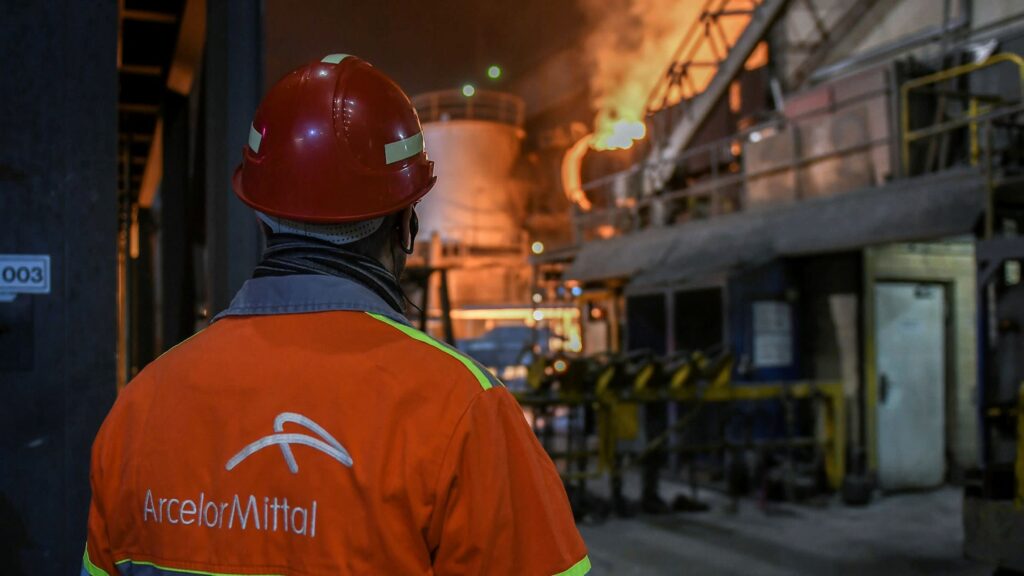
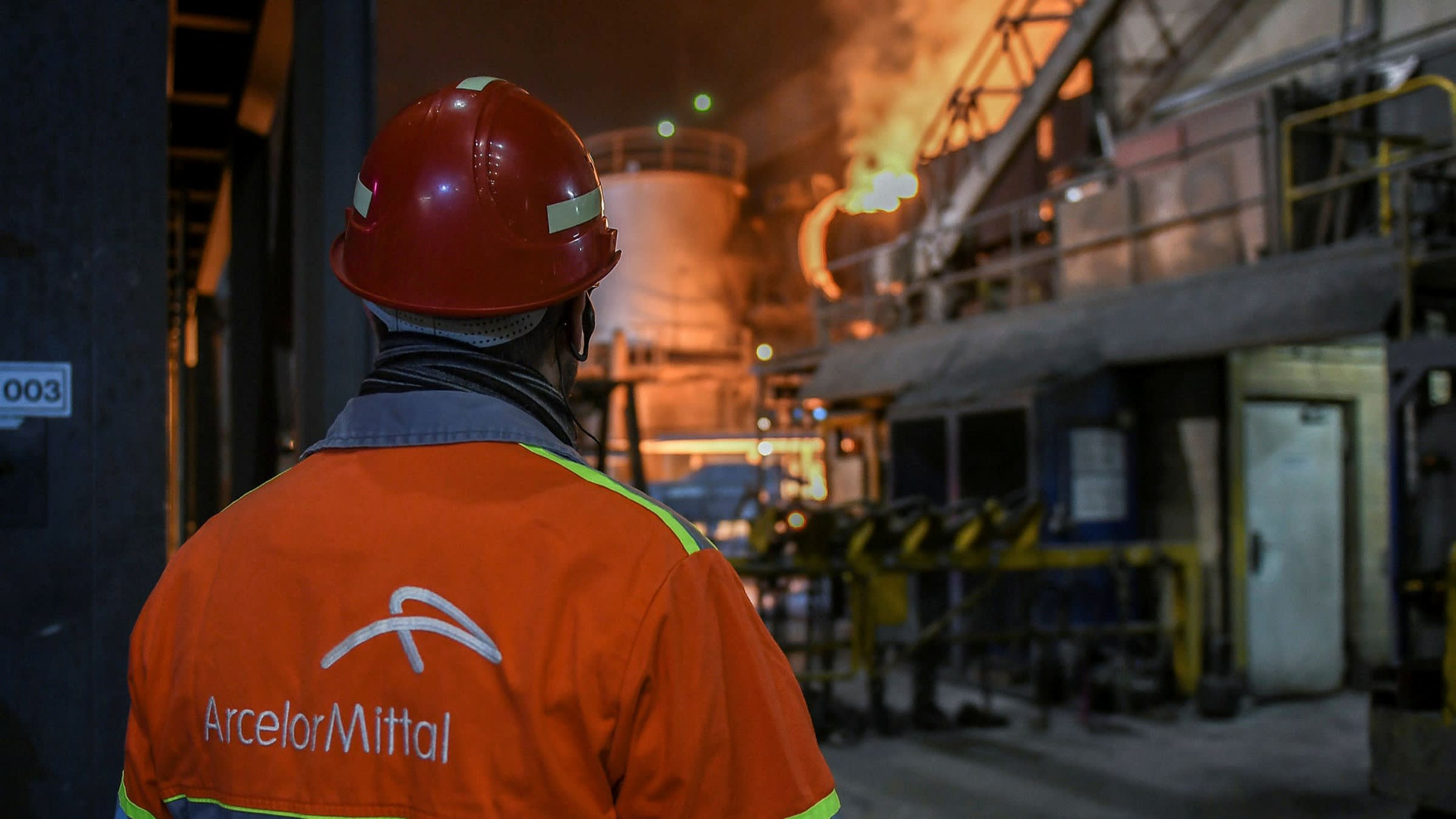
ArcelorMittal Italia says it has temporarily stopped production at its rolling mill located near Genova, formerly known as Ilva Cornigliano.
The temporary stoppage was implemented because of the strikes and blockades imposed by trade unions and workers at the site since the beginning of this week. Workers are staging protests against the firing of a number of colleagues as well as to request further clarity over the future of the plant.
The rolling mill located in Genova processes hot rolled coil supplied by other group facilities, including Taranto and Fos-sur-Mer, to produce hot-dip galvanized coil and tinplate, among other products.
ArcelorMittal is still negotiating with Italian authorities the amount of planned public investment into the assets formerly known as Ilva (see Kallanish passim). A final agreement between ArcelorMittal and Italian authorities needs to be reached by the end of November.

S. Korea and Japan become Turkey’s top HRC suppliers in September
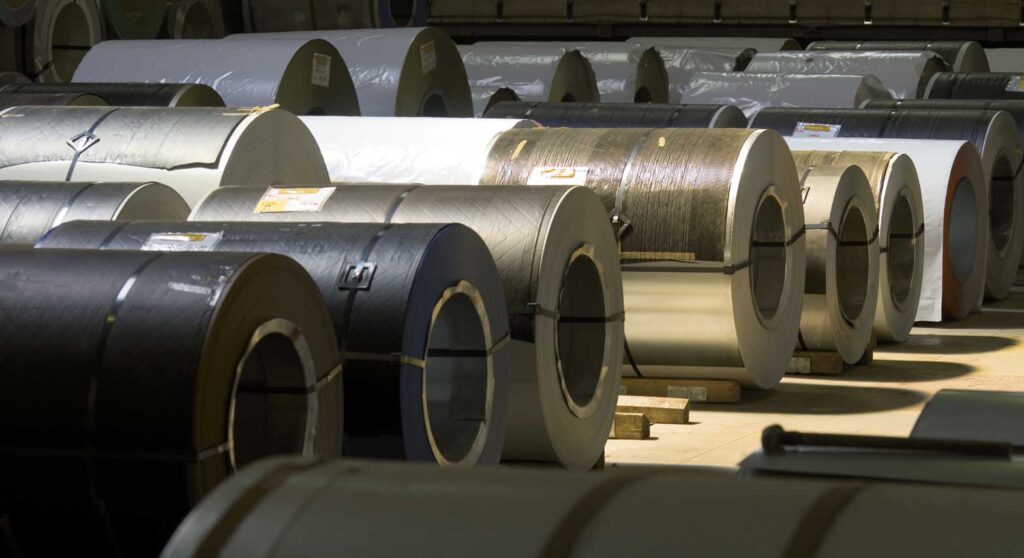
Turkish buyers’ imports of hot-rolled coil remained strong in September at 371,500 mt, with imports especially from South Korea and Japan rising significantly year on year. These two East Asian countries became Turkey’s top HRC suppliers in September, S&P Global Platts observed from the latest Turkish Statistical Institute (TUIK) data.
South Korea became the largest supplier at 65,600 mt, a roughly four-fold increase on year. Turkey’s nine months’ HRC imports from South Korea totaled 238,650 mt, significantly higher than 54,250 mt imported in the same period the previous year.
According to the terms and conditions of the Free Trade Agreement (FTA) signed by Turkey and South Korea in 2013, the gradual reduction period in customs duties finished Jan. 1, 2020 and the customs duty on all steel products from South Korea zeroed, as Platts has reported.
Turkish imports of HRC from Japan, totaled 65,000 mt in September, 62% higher on year. Turkey’s overall HRC imports from Japan in the nine-month period totaled 224,100 mt, a more than fourfold increase on year.
Turkish industry sources attributed the sharp rise in imports from these East Asian countries to the FTA with S.Korea and these mills’ lower export offer prices to Turkey compared to their sales prices in their own markets.
Imports from Turkey’s traditionally largest HRC supplier, Russia, continued its declining trend in September and fell to 64,000 mt, lower than 80,100 mt supplied in the same month the previous year. Turkey’s HRC imports from another CIS country, Ukraine, totaled 51,600 mt in September, up 11% on year.
France was another large HRC supplier in September at 33,100 mt, while the UK shipped 27,000 mt, followed by Italy (24,800 mt), Germany (9,200 mt) and Belgium (8,400 mt).
— Cenk Can
