


EUROMETAL Steel Trade Day 2020 – Facing the Slide in Global Steel Trade
Dear members and colleagues,
Trade restrictions are closing global steel supply chains in a year threatened by Covid-19 contamination.
This unprecedented pandemic has shaken steel demand and supply forecasts.
EUROMETAL Steel Trade Day, to be convened online on 20 November 2020, will address the status of consultation on EC planned Carbon Border Adjustment Mechanism (CBAM), anti-Circumvention investigation on HDG products from China, AD measures to several other product categories imported from China, UK safeguard measures and the reaction of the EU in terms of adapting its own safeguard measures following, RCEP free trade agreement and overcapacity in the world steel industry.
AGENDA
Welcome & Compliance: Daniel Guinabert (EUROMETAL)
Webinar Moderator: Alexander Julius (Macrometal / EUROMETAL)
14h05 David Boublil (European Commission DG Taxation and Customs Union)
- Status of consultation on EC planned Carbon Border Adjustment Mechanism (CBAM)
14h35 Yuriy Rudyuk (Van Bael & Bellis)
- Anti-Circumvention investigation on HDG products from China
- AD measures extended to several products imported from China
- UK safeguard measures and the reaction of the EU in terms of adapting its own safeguard measures following 1 January 2021
15h05 Emanuele Norsa (Kallanish Commodities)
- Overcapacity in the world steel industry
- Regional Comprehensive Economic Partnership (RCEP) free trade agreement between China and ASEAN countries
15h35 Alessandro Sciamarelli (Eurofer)
- View on the expected steel demand and supply situation 2021, and the relevance of imports
16h05 Conclusions: Fernando Espada (EUROMETAL)
Register now for this outstanding free online event.
(20 November 2020 from 14h to 16h30)
REGISTRATION
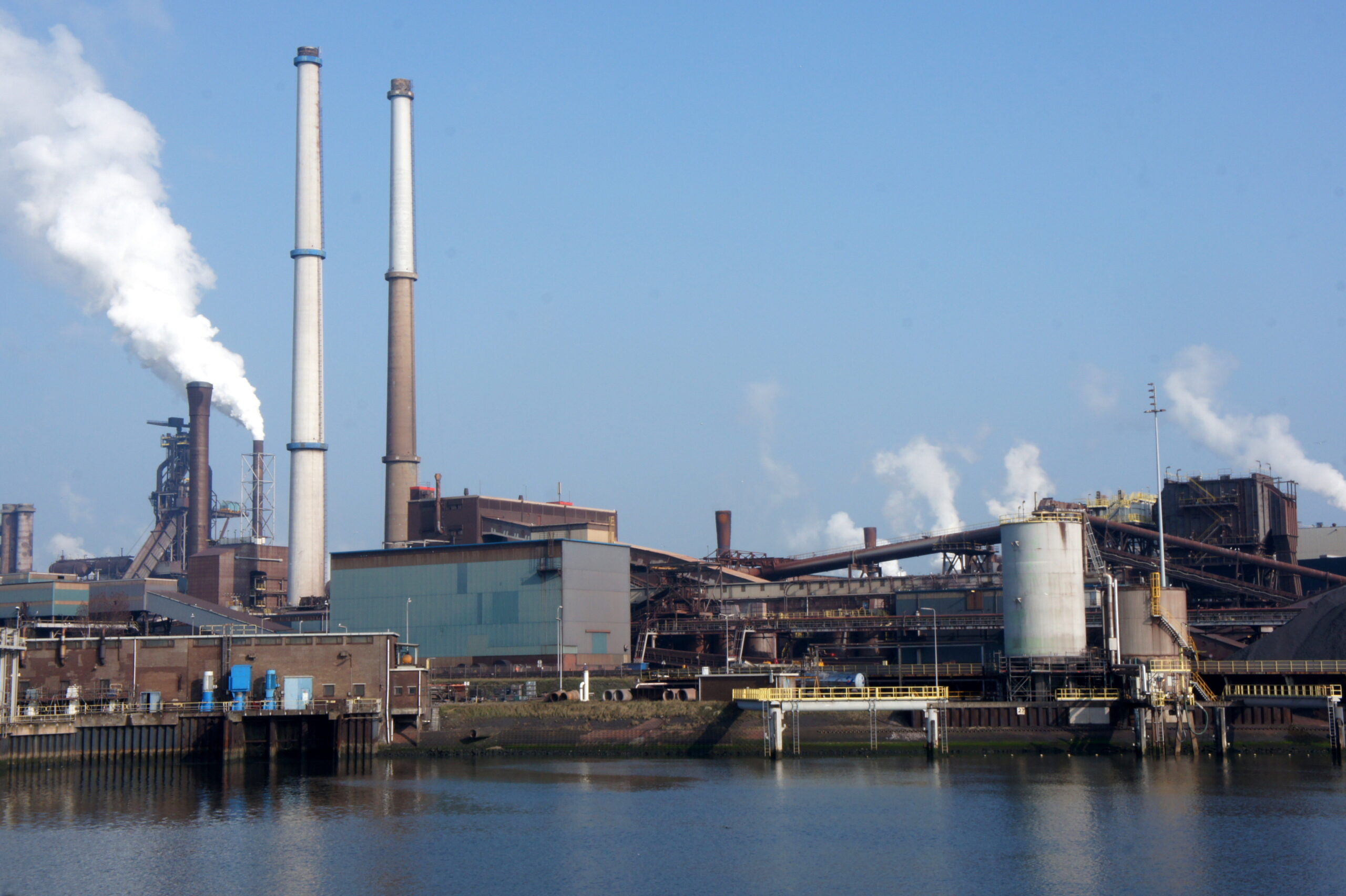
Tata to separate European units, enters SSAB talks for Dutch unit sale
Steelmaker Tata Steel will separate its UK and Dutch units as it has entered talks to sell the Dutch IJmuiden mill and downstream assets to Swedish steelmaker SSAB, Tata Steel said Nov. 13.
According to Tata Steel, the takeover talks were initiated by SSAB. Discussions with the Supervisory Board and Board of Management of Tata Steel Netherlands have begun and the process will move to the next stage, including due diligence and stakeholder consultations, Tata Steel said.
SSAB confirmed to S&P Global Platts that it would be in talks with Tata to “potentially” acquire the IJmuiden mill and downstream assets but said no specific timeline could be provided at this point.
Tata Steel said in a statement Nov. 13 that the separation of the European units would ensure “separate strategic paths”. Tata Steel would still seek support for the struggling UK arm.
“Tata Steel continues its dialogue with the UK Government on potential measures to safeguard the long-term future of Tata Steel UK and is also reviewing all options to make the business self-sustaining without the need for any funding support from Tata Steel India in the future,” Tata Steel said.
The SSAB-Tata talks are signal further potential major M&A activity in the European steel sector that has struggled not only under a coronavirus-related economic downturn but also overcapacity within Europe raising questions over how a shake-up of the landscape might lead to capacity cuts.
SSAB had been previously rumored to take over German steelmaker Thyssenkrupp’s steel unit, Europe’s second-biggest steelmaker after ArcelorMittal, but steelmaker Liberty made a non-binding offer to take over Thyssenkrupp in October which took the steel market largely by surprise. Thyssenkrupp reiterated that the company remains in non-exclusive talks with several potential partners.
— Laura Varriale

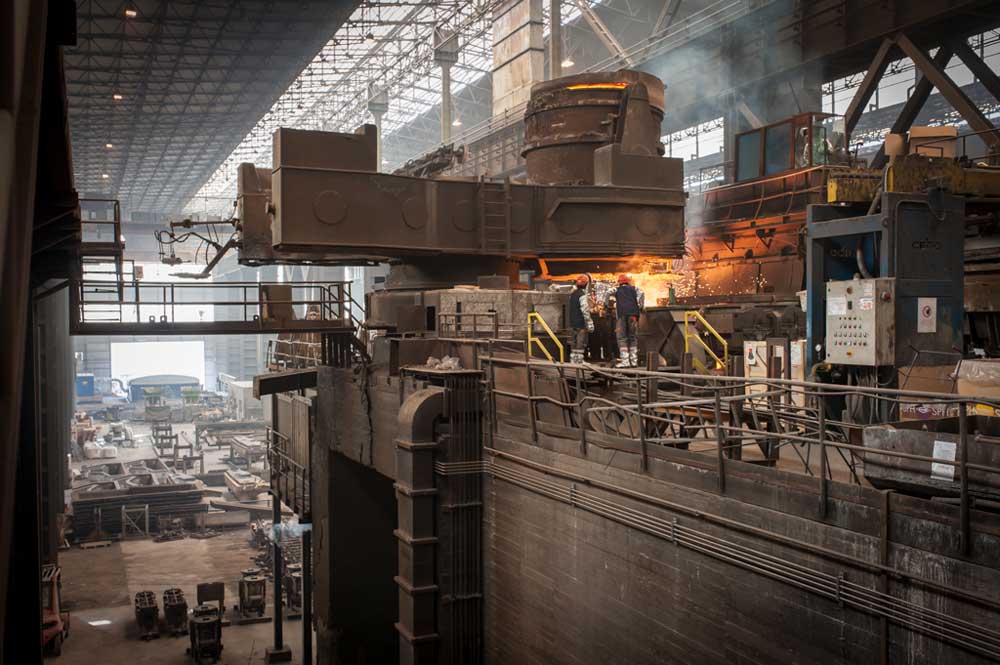
Nucor leaves Italian JV
US steel producer Nucor is leaving its Italian joint venture with Doferdofin, part of Duferco, 12 years from its creation, Kallanish learns from Duferco.
The parties have come to an amicable agreement that will see Duferco buying Nucor’s 50% share of Duferdofin, becoming the sole shareholder of the company. Duferco has confirmed the €180 million ($212m) investment in the new section rolling mill at Duferdofin’s plant in San Zeno Naviglio, near Brescia.
Financial closing is scheduled for the first days of December, after the go-ahead from the European anti-trust authority, Duferco reveals in a note.
Nucor saw its profits drop to just one-tenth of their prior-year levels in Q1 this year, primarily due to issues with its Italian joint venture. The drop was largely due to a one-time impairment charge of $250m “…related to our equity method investment in Duferdofin Nucor,” the company said in its Q1 financial statement (see Kallanish 28 April).
The plant on San Zeno Naviglio has a capacity of the 1 million tonne/year.

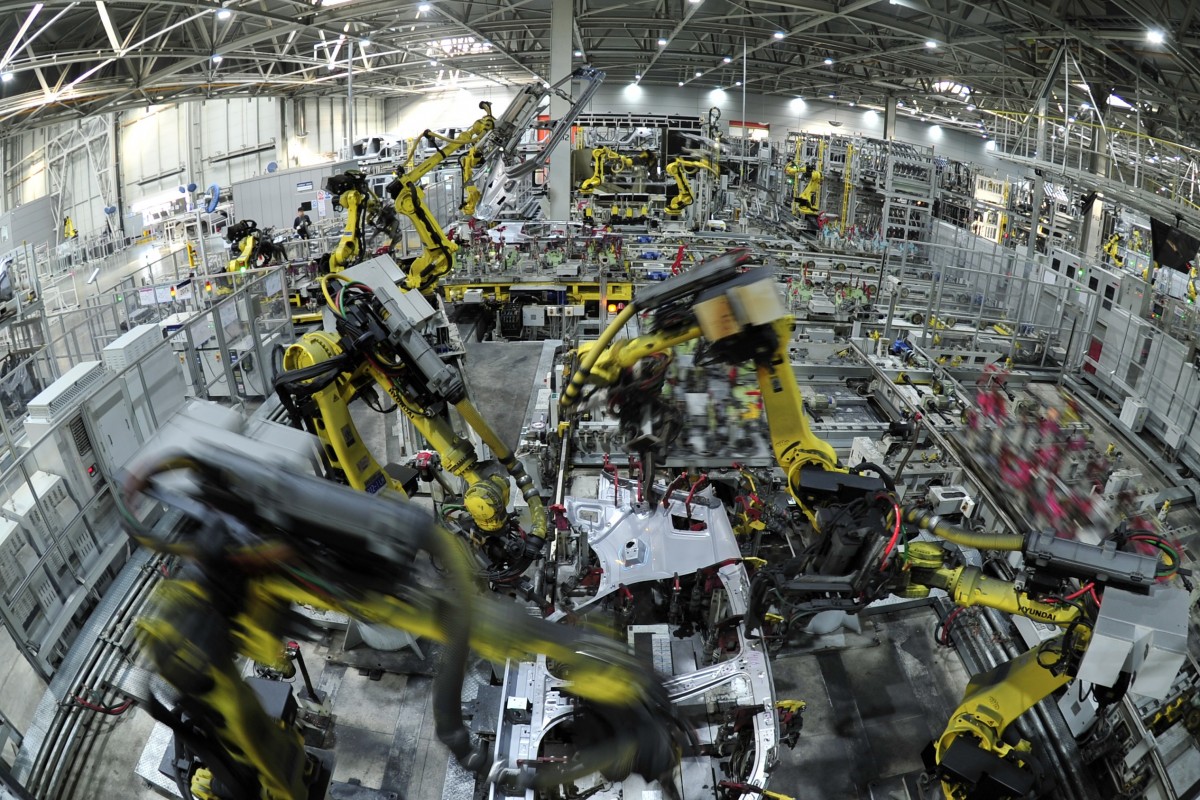
Italian car output gains momentum

Italian passenger car output increased further in September after ticking higher in August, Kallanish notes from preliminary data released by local carmakers’ association Associazione Nazionale Filiera Industria Automobilistica (Anfia).
Passenger car output registered an increase of 36.1% year-on-year in September to 68,286 units. In the first nine months of the year 279,204 cars were produced in the country, a fall of -34.5% y-o-y, Anfia says.
In Q3, Italy produced 74,715 light vehicles, up 6.7% y-o-y, and 189,875 light vehicles in the first nine months of the year, down -18.8% y-o-y. In Q3 11,742 trucks were produced, down -15.7% on Q3 2019. In the period January-September Italian car makers produced 30,731 trucks, also down -33.5 y-o-y, Anfia reveals.
Total automotive output including heavy transport decreased by -29.2% y-o-y in January-September to 499,977 units. In Q3 227,813 units were produced, a y-o-y increase of 16.5%.
In 2019 the country’s total output of vehicles including heavy transport was 914,826 units, of which 542,007 were passenger cars. This was down from 1.06 million units produced in 2018.
Italy has 23 production plants. By comparison, Spain has 17 plants, France 31 and Germany 42, Kallanish notes.

Court dismisses Polish plate mill tender delay request

The Czestochowa district court has ordered the administrator of Huta Czestochowa (HCz) to submit by 23 November the terms of the tender for the sale of the bankrupt Polish plate mill. This comes after it dismissed the administrator’s application to extend the deadline for tender terms submission until end-December.
The extension would have likely been to give Sunningwell Steel Polska more time to find a solution to participate in the new tender. The investment firm is the current lessee of the plate mill and, having operated it since September 2019, is best-placed to acquire it.
However, last month the court ordered a third sale tender to be held after Sunningwell, which won the second tender, was adjudged to have failed to come to an agreement to buy the steelworks in the stipulated time (see Kallanish passim). According to Polish law, this rules Sunningwell out from participating in the next tender.
After winning the previous tender, Sunningwell was readying to incorporate HCz into its steel holding. This was set up in 2019 to operate steel assets acquired in Poland, Romania and potentially other Central and Eastern European countries.
The firm said it did not finalise an agreement to purchase the plate mill because crucial documentation was missing. It previously applied to the court to change the tender rules to allow for an extension of the deadline to sign an agreement, but this was dismissed by the court. Sunningwell said last month it was still interested in acquiring HCz and was seeking ways to participate in the next tender.
Electric arc furnace-based HCz has a 1.2 million tonnes/year capacity of heavy plate.
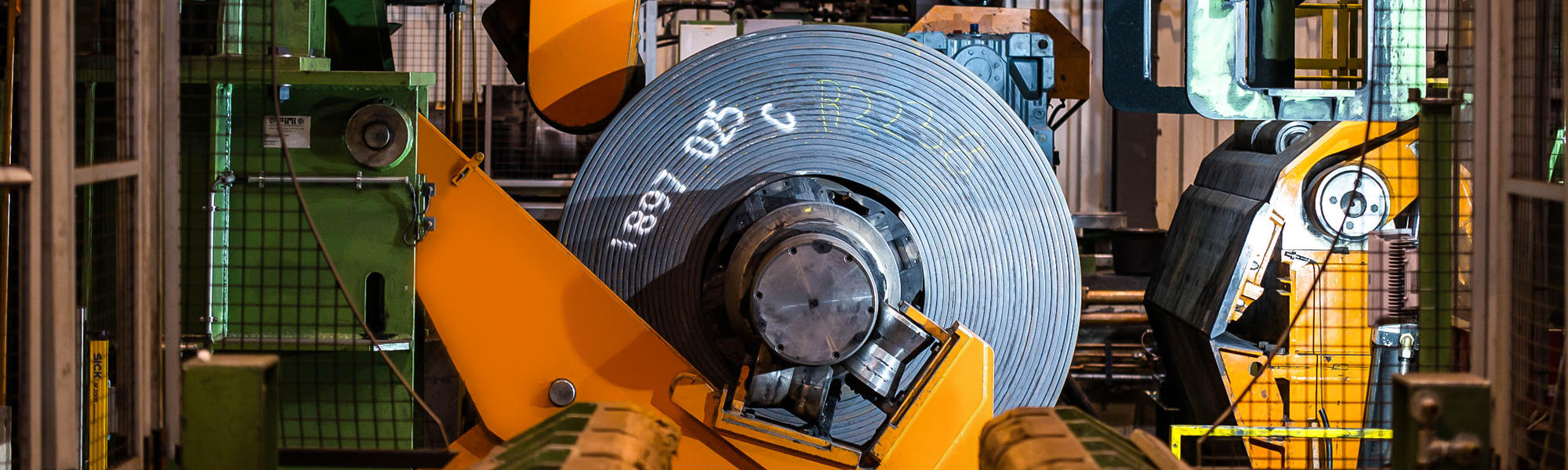
EU starts registering Turkish HRC imports
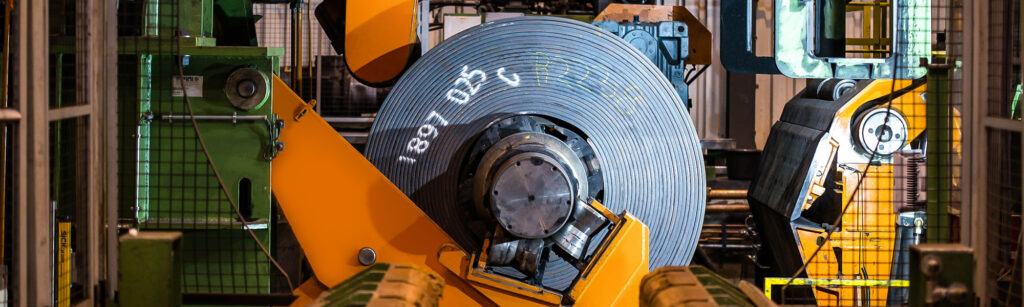
The European Commission has started registering Turkish hot-rolled coil arrivals from 13 November, a day after it announced the decision in the official journal, and will apply it for nine months.
The registration of imports is necessary for the commission to be able to apply anti-dumping duties retroactively, should the ongoing investigation conclude in imposition of the measure. The request for imports registration filed by Eurofer in September alleged dumping margins of 4-8%. The commission estimated the value of possible future duty at the highest dumping margin, “…namely 8% as a proportion of the CIF import value of the product concerned.”
Market sources told Kallanish they were satisfied with the registrations timing, as some were expecting it would applied for all arriving volumes starting from October. Additionally, several sources said registrations will not automatically lead to retroactive application of duty, but they are a legal necessity, in case the decision is made.
Reawakening demand for HRC in the EU continued to lift Turkish exporters’ prices in the past week, ending in one sale just above $560/tonne fob to Italy (see separate article) and several in $550-560/t fob range. Kallanish understands European buyers are taking on payment of the possible duty, which they estimate at around 5%, with at least one Turkish supplier confirming that it is not involved in liability sharing.
The decision is expected in January, amid a loud backdrop of European independent HRC processors voices speaking against the imposition. Turkish HRC has been a preffered feedstock for European steel industry for a few decades, due to its quality, easy logistics and long established partnerships, Turkish suppliers maintain.
Tata separates Dutch unit, discusses sale to SSAB
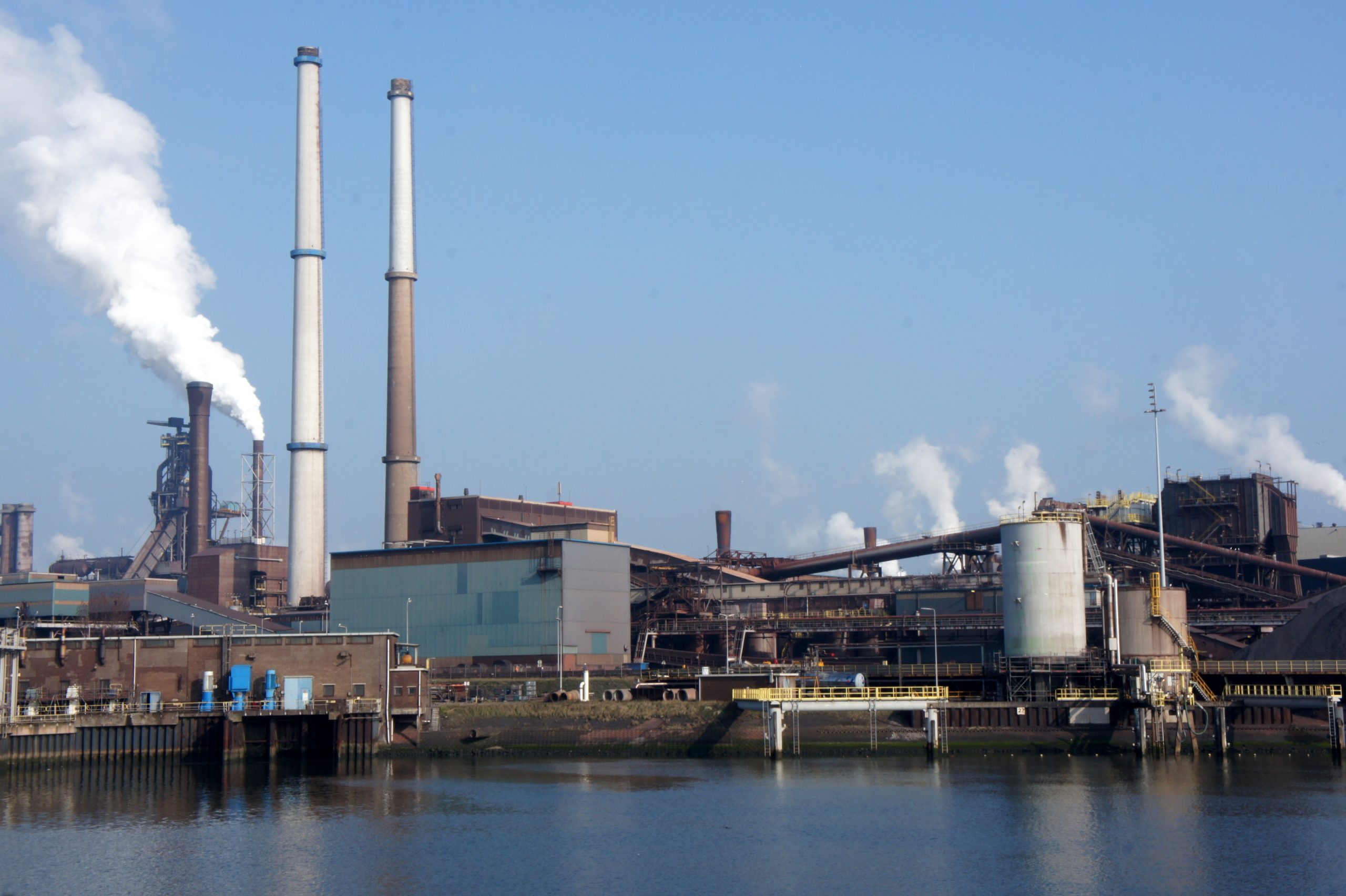
Tata Steel confirms it is in talks with Sweden’s SSAB over the potential sale of its unit in the Netherlands.
Group management is in talks with the supervisory board and management of Tata Steel Netherlands, and the process will move to the next stage including due diligence and stakeholders’ consultations, it says. Proceeds of any strategic restructuring will be deployed towards additional deleveraging of the balance sheet, it adds.
“The company has initiated the process to separate Tata Steel Netherlands and Tata Steel UK and will pursue separate strategic paths for the Netherlands and UK business in the future,” Tata Steel says in a note seen by Kallanish.
The steelmaking group adds that it continues talks with the UK government on potential measures to “…safeguard the long-term future” of Tata Steel UK. It is “…also reviewing all options to make the business self-sustaining without the need for any funding support from Tata Steel India in the future.”
SSAB says it “…has participated in several different discussions concerning consolidations in the European steel industry. The discussions with Tata are on-going but no decisions have been made. There can be no certainty that any transaction will materialize, nor as to the terms of any such potential transaction. Further announcement will be made in due course.”
Rumours about the future of Tata Steel Europe assets have circulated the market for many years. Last year the European Commission blocked the proposed merger between Tata Steel Europe and thyssenkrupp’s steel unit on competition concerns. However, observers agreed the next European steel industry consolidation move would involve Tata Steel and its strategic Ijmuiden site. This has two blast furnaces and is capable of producing some 7.5 million tonnes/year of coil.
If SSAB reaches an agreement to include Tata Steel Netherlands in its group, it will represent a significant further increase to its capacity after its acquisition of Finland’s Rautaruukki in 2014.

Beschaffungsprozesse von Werkstoffen optimiert und automatisiert

Die XOM Materials GmbH bietet mit der digitalen Lösung XOM eProcurement eine Möglichkeit zur Vereinfachung des Beschaffungsprozesses, ohne dass Einkäufer mit Veränderungen der eigenen Systeme konfrontiert werden. Mit XOM eProcurement kann der komplette Beschaffungsprozess von Werkstoffen in einem einzigen Tool optimiert und automatisiert werden: Von der Bedarfsbündelung, dem Anfrageprozess, dem Angebotsvergleich, über Nachverhandlungen bis hin zur Bestellung.
Die Vorteile des digitalen Procurements
Der Beschaffungsprozess in der Werkstoffindustrie hat sich in den letzten Jahren stark verändert. Das stellt den Einkauf vor neue Herausforderungen. So ist zum Beispiel das Bestellverhalten von Kunden im digitalen Zeitalter anders als früher, papierloses Arbeiten erhält immer mehr Einzug, Losgrößen sowie Spezifikationen haben sich durch Smart Factory verändert und der Druck im eigenen Unternehmen, Bestände und Kosten zu optimieren, wächst. Um die steigenden Anforderungen des Qualitätsmanagements zu gewährleisten, gilt es Lieferketten transparent und nachverfolgbar zu machen und nachvollziehbar mit Lieferanten zu kommunizieren.
Das XOM eProcurement-Tool ermöglicht es, alle unnötigen Arbeitsschritte zu eliminieren, Medienbrüche zu vermeiden und klare Entscheidungen zu treffen. Einkäufer sparen auf diese Weise Zeit, Geld und Ressourcen, vermeiden Fehler und können sich mehr strategischen Aufgaben widmen. Einheiten und Niederlassungen mit unterschiedlichen Teams sowie Lieferanten können einfach in das Tool eingebunden werden. Es lässt sich individuell in bereits bestehende IT-Infrastrukturen integrieren, eigene IT-Ressourcen werden nicht benötigt.
Angebotsvergleich einfach und übersichtlich abgebildet
„Ein großer Vorteil für unsere Kunden ist die Angebotsmatrix, bei der alle Angebote möglicher Lieferanten übersichtlich und transparent aufgeschlüsselt dargestellt werden“, erklärt Alexander Bindrim, Sales Manager bei XOM Materials. „Kunden sehen, welcher Lieferant zu welchen Konditionen Material bereitstellt und wann dieses verfügbar ist. Der Kunde kann dann sehr schnell entscheiden, welcher Lieferant den Zuschlag erhält“.
XOM eProcurement als modulares Baukastensystem
Wie in einem modularen Baukasten-System können Einkäufer jeder Unternehmensgröße – vom Kleinstunternehmen bis hin zum Großkonzern – die auf Ihre Bedürfnisse zugeschnittenen Features bei XOM eProcurement zusammenstellen. Angefangen bei einer Starter-Version, die alle wichtigen Prozessschritte mit fixen Funktionalitäten abbildet und das Management eigener Lieferanten ermöglicht, bis hin zu einer anpassbaren Enterprise-Version mit vielen anpassbaren Features, um eine kundenindividuelle Lösung für alle wichtigen Anwendungsfälle zu schaffen.
Quelle und Foto: XOM Materials GmbH
13.11.2020 05:03:00 von Hubert Hunscheidt
Angeschlagener Stahlkonzern sucht Geldgeber
Die Swiss Steel Group hält im Zusammenhang mit verschiedenen Medienberichten fest, dass die Gesellschaft, wie bereits bei Bekanntgabe des Halbjahresabschlusses 2020 kommuniziert, regelmäßig Gespräche mit Banken, Ankeraktionären und potenziellen Investoren im Rahmen des Finanzierungskonzepts führt.
Ziel der Investorengespräche ist es, das Eigenkapital weiter zu stärken, um der Gesellschaft wieder mehr unternehmerische Freiheit zu verschaffen und die Reserven zu erhöhen.
Die Gesellschaft verfügt mit Aktionärsdarlehen und Staatskrediten über genügend Liquidität. Das Transformationsprogramm läuft weiterhin nach Plan.
Die Gesellschaft wird, wie geplant und bereits angekündigt, am 11. November 2020 im Rahmen ihrer ordentlichen Berichterstattung zu den Q3 2020 Zahlen detailliertere Informationen auch zum langfristigen Finanzierungskonzept vorlegen.
Quelle und Vorschaufoto: Swiss Steel Group
10.11.2020 von Hubert Hunscheidt