

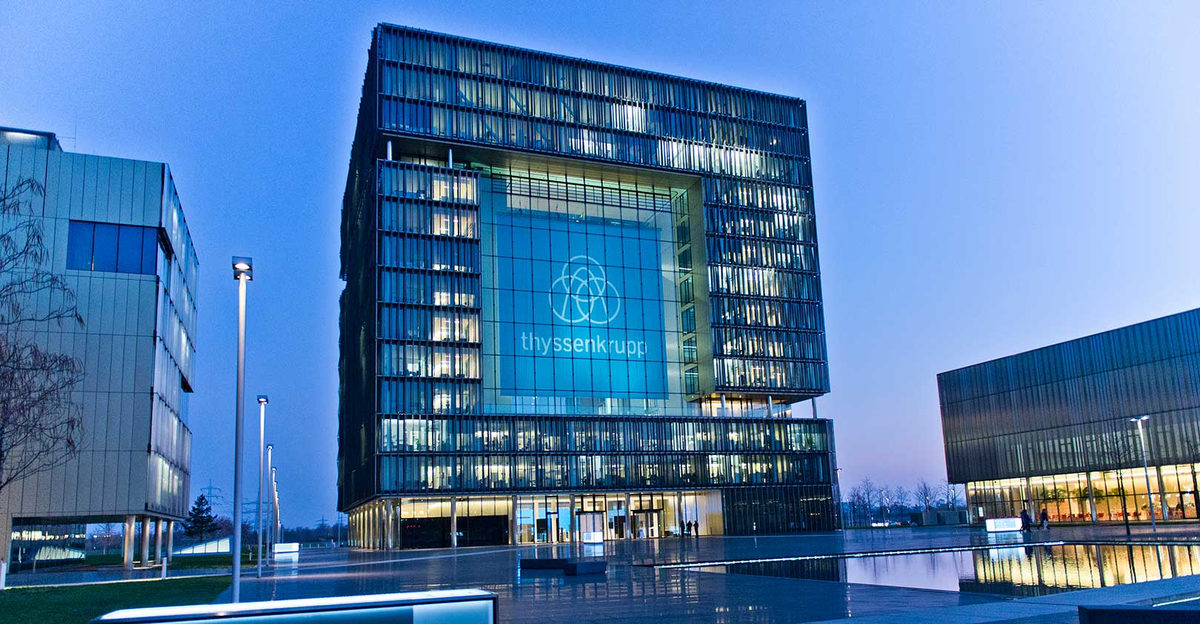
Thyssenkrupp plate mill sale fails, faces closure: reports
Thyssenkrupp (tk) will imminently shut its heavy plate plant in Duisburg, according to German media reports. This comes after talks with various parties have so far not resulted in a buyer being found for the unit.
The steelmaker’s press office did not respond before deadline to Kallanish requests for comment.
“This increases the likelihood that the heavy plate division, as agreed in the collective agreement, can be closed by 30 September of 2021 at the latest,” a tk employee was quoted as saying by the German Press Agency.
In response, Union IG Metall complained about a “…black day” for the steel industry in North Rhine-Westphalia (NRW). “The Covid-19 situation broke the neck of the sales process, which was carried out with great care,” IG Metall NRW district manager Knut Giesler told local media. “The current situation shows how urgently state participation is needed for thyssenkrupp’s steel division.”
The heavy plate plant, which employs about 800 employees, was earmarked for sale or closure under an ongoing asset review by the company, which is scheduled to release full-year results on 19 November.
The mill produces sheet for the construction industry, shipbuilding and pipelines, among other applications.

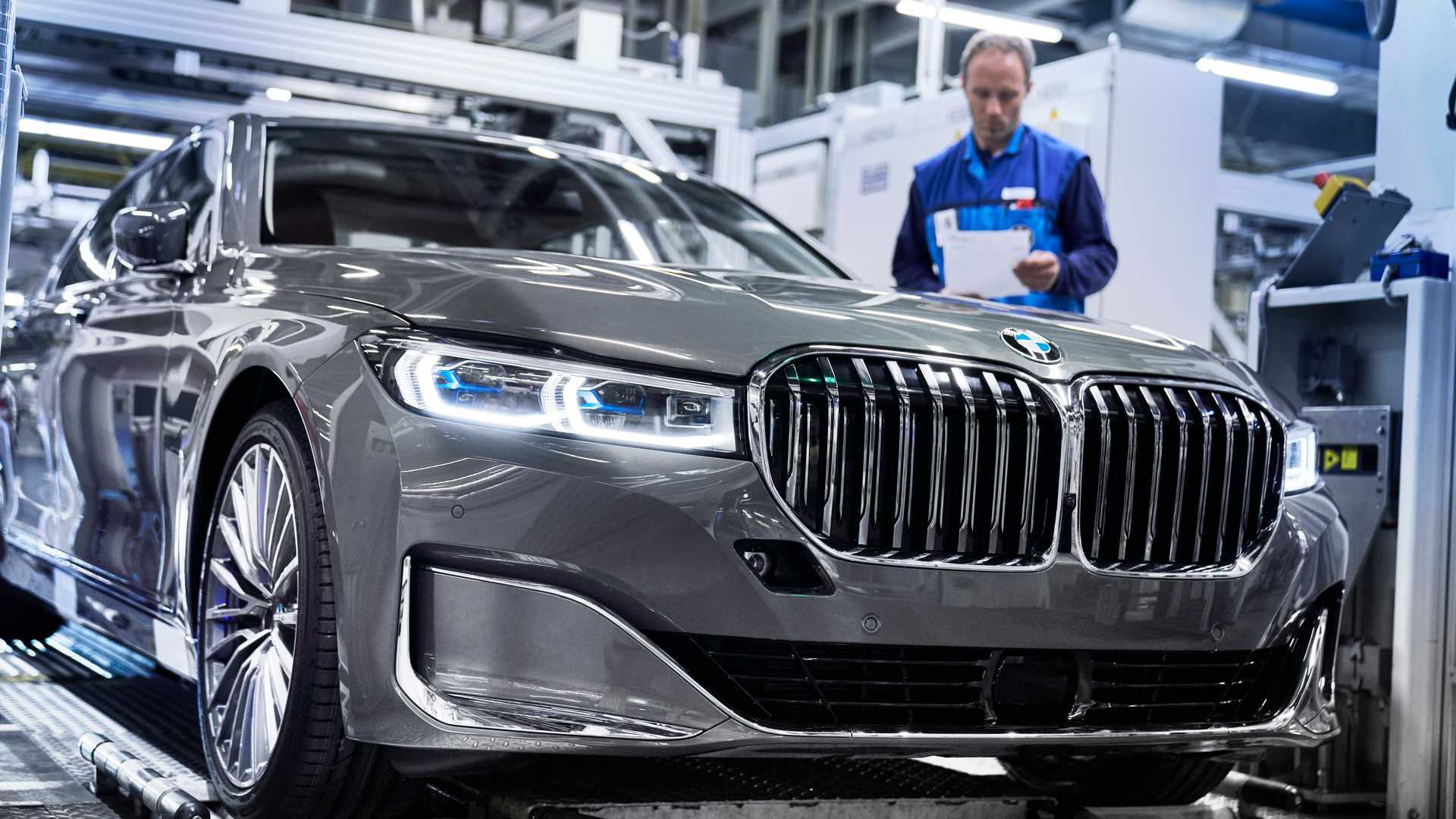
EU car registrations slip 7.8% in October as renewed coronavirus restrictions hit
Passenger car sales in the EU resumed their downward trend in October, as restrictions were reimposed by a number of governments due to a second wave of the coronavirus, the European Auto Manufacturers’ Association (ACEA) said Nov. 18.
The ACEA said registrations had fallen 7.8% year on year in October to 953,615 units, with the decline coming after the first increase of the year was recorded in September.
It noted that, with the exception of Ireland and Romania, losses were recorded in all EU markets, including the four major ones.
Demand dropped 21% in Spain to 74,228 units, 9.5% in France to 171,050 units and 3.6% in Germany to 274,303 units, while demand was relatively unchanged in Italy, with registrations down just 0.2% year on year to 156,978 units.
The October sales brought the total registrations in the EU for the first ten months of 2020 to 8 million units, down 27% year on year.
“Ten months into the year the impact of COVID-19 on car demand remains unprecedented,” ACEA said, adding that the January-October 2020 volume was over 2.9 million units lower compared to the same period in 2019.
In the top four markets, Spain saw the steepest drop of 37% year on year to 669,662 units, followed by Italy, where registrations fell 31% to 1.1 million units.
In France, sales were 27% lower to 1/3 million units, while in Germany, sales were at 2.3 million, down 23% year on year.
— Jacqueline Holman
