


Rebar helps German stockists through the year
Germany’s stockholding distributors saw sales dip in the first nine months of the year, mainly for sheet, hot as well as cold rolled, according to their federation, BDS.
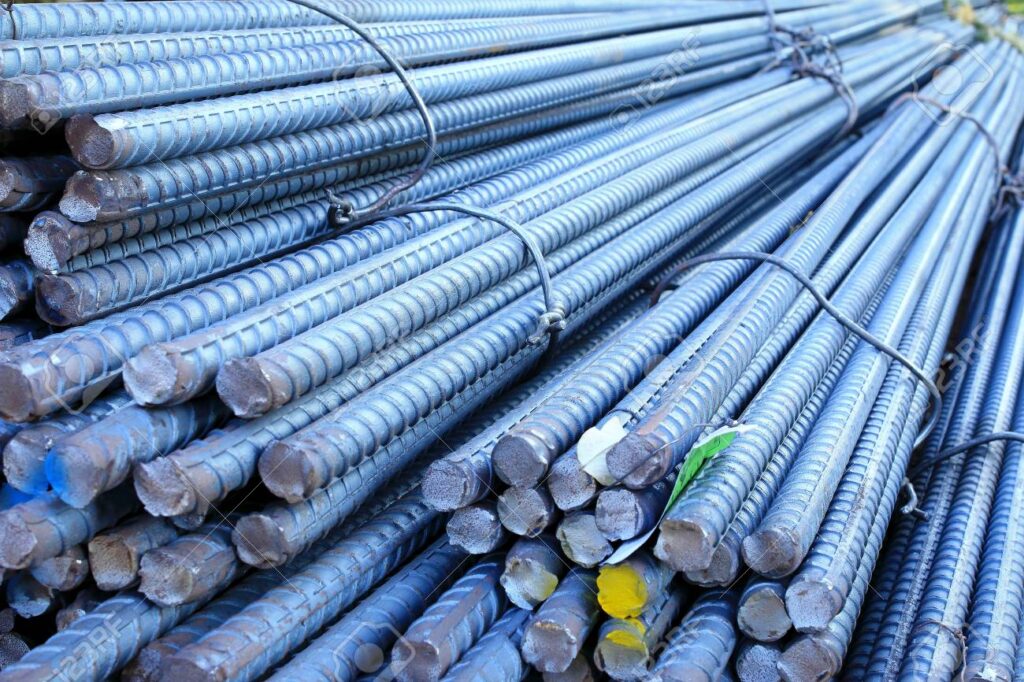
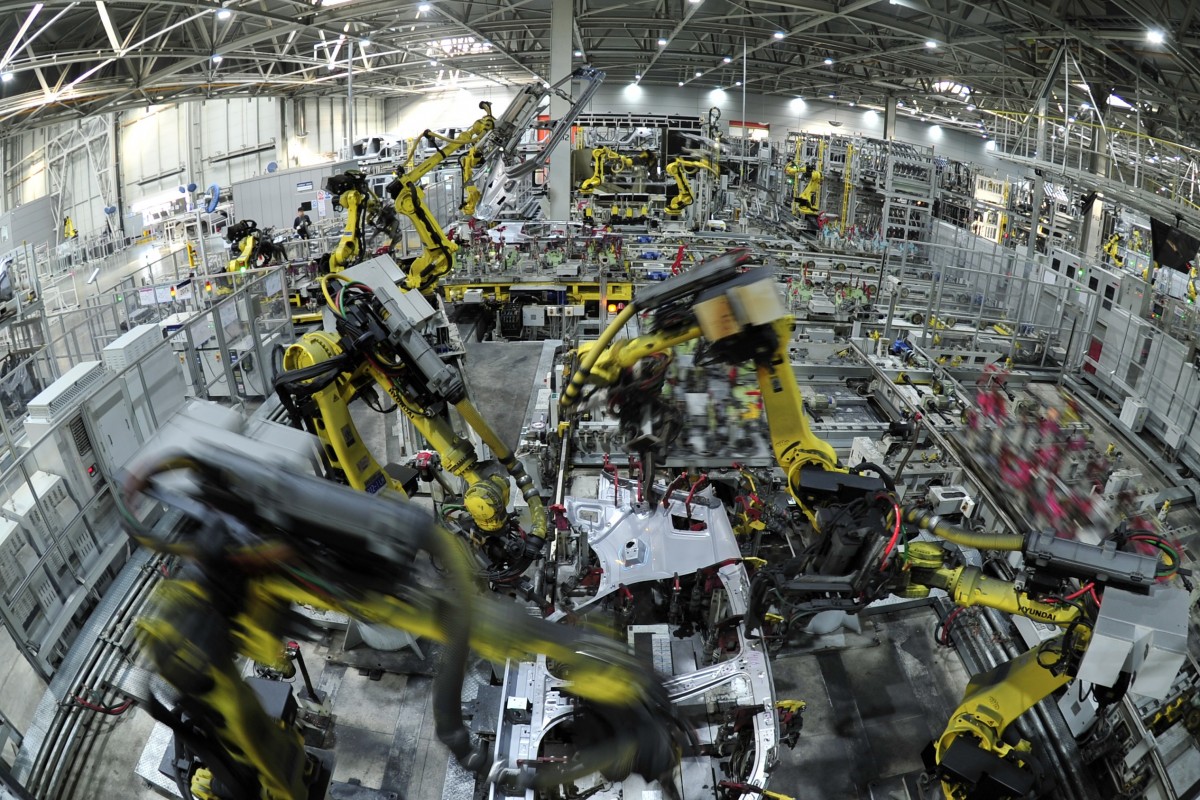
By contrast, sales of rebar surged year-on-year by a two-digit percentage, BDS chief economist Jörg Feger writes in his regular review of distributors’ activity. The weakness for sheet corresponds with the temporary stoppage at carmaking plants, while the flourishing rebar sales correspond with the continued boom in the country’s construction sector.
From January through September, distributors sold 7.76 million tonnes of steel, some -7% down on the first nine months of 2019, Kallanish calculates. March was still a peak month, with nearly 1 million tonnes sold, but April and May saw dips of -20% and -30% respectively. June and July brought a recovery, while August again was considered a weak month, at 815,000t.
This coincides with the trend of car production, which caught up in June/July but fell back in August, probably because of late summer holidays.
According to Feger, many customers in spring had ordered in excess of their actual demand so that their inventories were high when the lull came, and purchasing came to a halt. At the end of September, inventories at distributors stood at 2.10 million tonnes, -6% below the level of 30 September 2019.

German railway operator invests in cars for ArcelorMittal

DB Cargo, the freight train subsidiary of German railway operator Deutsche Bahn, will handle all material transport for ArcelorMittal Eisenhüttenstadt’s blast furnaces for the next ten years. The two companies have just signed a contract to that effect, Kallanish has learned.
DB Cargo highlights it will invest in dedicated logistics for the cooperation, covering the transport of ore, coke and limestone. It will procure 352 multifunctional double wagons with a total of 1,408 special containers until summer next year. Logistics provider Innofreight has designed them especially for the transport of these raw materials and optimised their loading volume, DB Cargo says.
“By using special container types optimised for the different properties of ore, coke and limestone, we can increase the net load per train by around 20%, which means we need significantly fewer trains,” says Sybille Klipstein, lead buyer rail at ArcelorMittal.
The partner company will also build two partially automated unloading facilities at the Eisenhüttenstadt plant, and will operate them itself. In total, up to 4.2 million tonnes/year of raw materials can then be transported, according to DB Cargo.
Bekaert sees significant demand recovery
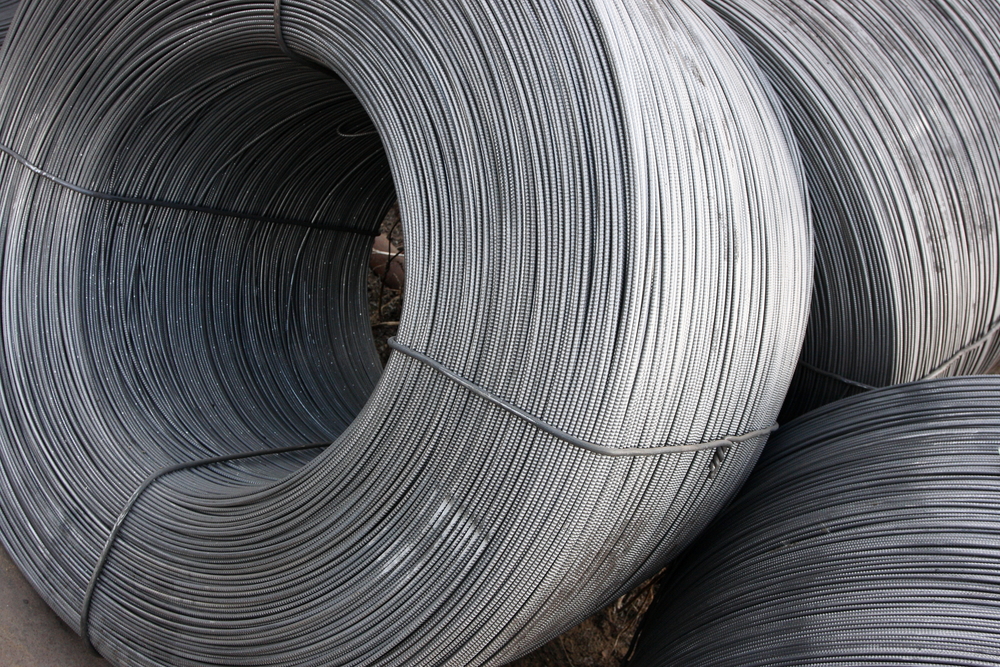
Belgian wire specialist Bekaert says it registered a recovery in demand, reaching a “…turning point” in most of its markets in the third quarter. Steel wire sales are expected to remain solid in Q4 despite the usual seasonality effects.
Demand from construction markets improved towards the end of Q3 but is projected to slow down by year-end, in line with seasonality, Kallanish learns from the company’s Q3 earnings report.
While the Covid-19 pandemic continues to create a high level of uncertainty, the company forecasts a step-up in performance in the second half of 2020 thanks to the recovery of demand.
The Steel Wire Solutions division registered continued good demand in Europe and pick-up in Latin America. In Q3 the business unit reported 2.8% organic growth, driven by higher volumes compared to the same quarter last year and a positive impact from passed-on wire rod price changes and other mix effects.
However, “…the turning point in the third quarter could not offset the significant contraction of the first half,” Bekaert says. The business unit reported a year-to-date sales decrease of -11.4% compared to the first nine months of 2019, driven by unfavourable currency movements and a -6.9% drop in volumes.
No major changes in demand conditions are expected for the Specialty Businesses division. The business unit reported a sales decrease of -7.3% in the first nine months, driven by the impact of the pandemic on demand. Combustion Technologies meanwhile picked up in Q3, while Sawing Wire activities remained limited. The company sees no major changes in business conditions in Q4, except for the usual seasonality.
Bekaert’s Q3 sales were up 24% from a weak second quarter. Consolidated sales for the first nine months were however -14% lower year-on-year at €2,755 million ($3.26 billion), due to the heavy impact of the Covid-19 pandemic.
ArcelorMittal seeks partner for Industeel
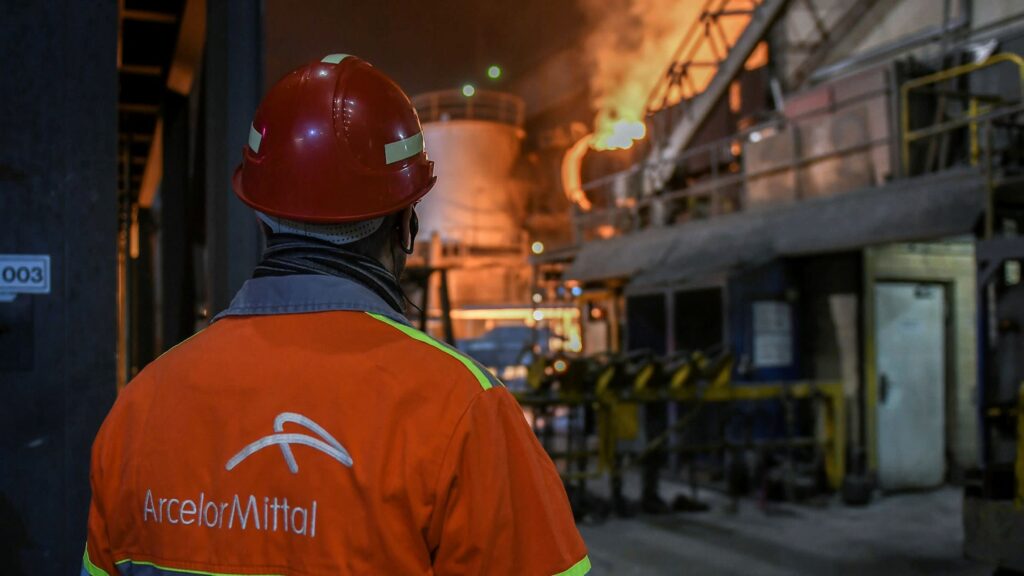
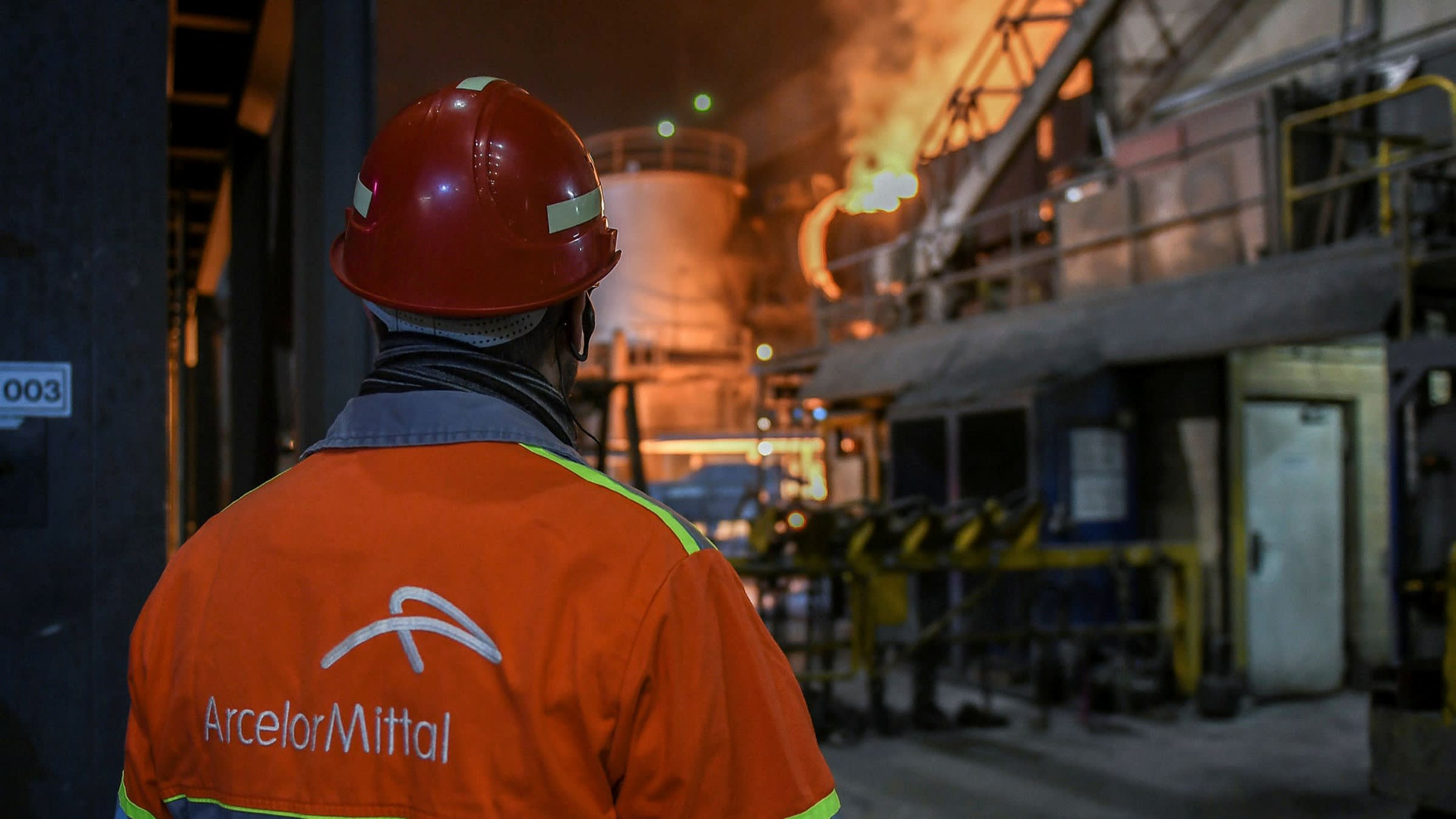
ArcelorMittal confirms to Kallanish that it has launched a process to potentially review the shareholder structure of its Industeel plate unit located in France and Belgium.
The company notes that a partnership could be taken into consideration, to further strengthen the business.
Last week the management of Industeel met with local trade unions and confirmed that professional figures were appointed to evaluate potential interested parties. Unions noted that a sale of the unit is also considered possible, but that any change would need to be first discussed with workers.
“Industeel specialises in the production of hot rolled, as well as forged, steel plate, ingots and formed pieces, with the largest dimensional range worldwide,” ArcelorMittal says. “Producing carbon, low alloy, stainless steels and nickel-based alloys, Industeel offers a complete range of steel grades for the most complex applications.”
Industeel encompasses six production facilities in France and Belgium “…with a long track record of metallurgical production, sector know-how and R&D innovation,” the firm adds.

German crude steel output in Oct higher on year for first time since Feb

German crude steel production has further increased in October, climbing on a year-on-year basis for the first time since February, the German steel federation said Nov 23.
Crude steel production stood at 3.4 million mt in October, up 3.1% year on year and 13.3% higher than September.
Over the course of the year, however, crude steel production still falls short of 2019 levels, reaching 29.1 million mt over January to October, down 13.9% year on year.
Production using the blast furnace route in October rose 1.3% year on year to 2.2 million mt, while output via electric arc furnaces rose 6.6% to 1.2 million mt. Data shows that blast furnace ramp-ups increased significantly from 1.9 million mt in September, whereas electric arc furnace production grew from 1.1 million mt, seeing a smaller month-on-month increase.
Pig iron production in October eased 0.9% year on year to 2 million mt, while hot-rolled output rose 4.1% to 3.1 million mt.
German mills have been in ramp-up phase since mid-summer, with more output expected to come online over the coming months. However, few mills are estimated to be at full capacity utilization; Salzgitter, for example, is keeping a blast furnace offline for the foreseeable future and Thyssenkrupp said it would be producing at a rate higher than 60% but not at full utilization.
The steel market is currently seeing a shortage of coil products as demand exceeds the rate of ramp-ups, while imports remain unattractive. As the long-term outlook remains unclear, market participants expect mills to keep production curbed somewhat to support current price hikes.
The daily Platts TSI index on Nov. 20 rose Eur14/mt week on week to Eur538/mt EXW Ruhr, driven by material shortages and higher offers.
— Laura Varriale

Spanish automotive production falls, exports rise in October
The Spanish automotive industry saw its production decelerate on-year in October, Kallanish learns from industry body Asociación Nacional de Fabricantes de Automóviles y Camiones (Anfac). Meanwhile, vehicle exports remained positive for a third consecutive month in October.
“The lower production in October interrupted the upward trend in the last two months, mainly due to the great contraction suffered by the Spanish domestic market,” Anfac says.
Spain’s automotive production totalled 265,604 units in October, down -1.7% compared to the same month in 2019.
Ten-month output was 1,802,735 vehicles, down by -24.8% on-year. Electric vehicles (EV) represented 2.03%, or 36,654 units, up 177.7% y-o-y.
Spanish factories produce six models of EV, three of plug-in hybrids and four natural gas technology models. In the first ten months of the year the production share of these types of vehicles increased to 6.9%, compared to 2.64% at the end of 2019, Anfac confirms.
Spain’s October vehicle exports reached 230,785 units, a growth of 3.7% on-year. Year-to-date shipments abroad fell -20.8% to 1,547,837 units, Anfac data show.