


EU carbon tax to cost Russian steelmakers $800m
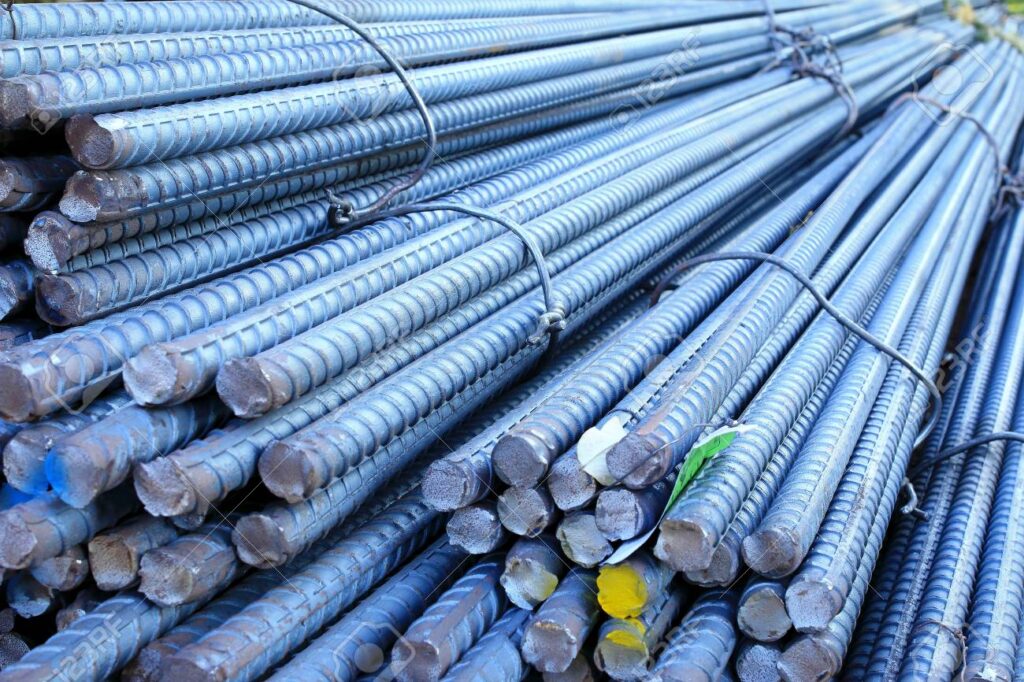
Russian steel companies could lose up to $800 million/year from the introduction of a carbon tax in the EU, says Russian industry and trade deputy minister Viktor Evtukhov.
“The introduction of such a tax will affect about 13 million tonnes/year of Russian steel exports to the European Union,” Evtukhov said at the “Metals and Mining in Russia and the CIS 2020″ summit monitored by Kallanish. “The EU is generally one of the largest consumers of our steel – a total value of more than $7 billion. Accordingly, if there will be a tax of more than €60 per tonne, as is now being discussed, the loses will be about $780-800 million per year.”
Russian industry is actively modernising; the level of investment is growing each year, including in 2020 despite the pandemic and macroeconomic factors, the deputy minister observed.
Russian Union of Industrialists and Entrepreneurs (RSPP) president Alexander Shokhin said it is important for Russia that cross-border carbon regulation does not turn out to be an instrument of unfair competition, or a form of protectionism for European companies.
“In Russia, the main CO2 emitters are large companies that are members of RSPP,” Shokhin observed. “They are implementing measures to reduce emissions by hundreds of billions of rubbles, and 80% of our electricity is generated at power plants with low specific greenhouse gas emissions.”
The EU announced its intention to introduce a carbon border adjustment mechanism as part of the planned Green Deal. According to European officials, this will provide a fair playing field in the EU market for products produced according to high climatic standards with minimal CO2 emissions.
The final decision on the border tax is expected to be taken in mid-2021.

Global steel production recovery gains momentum in October
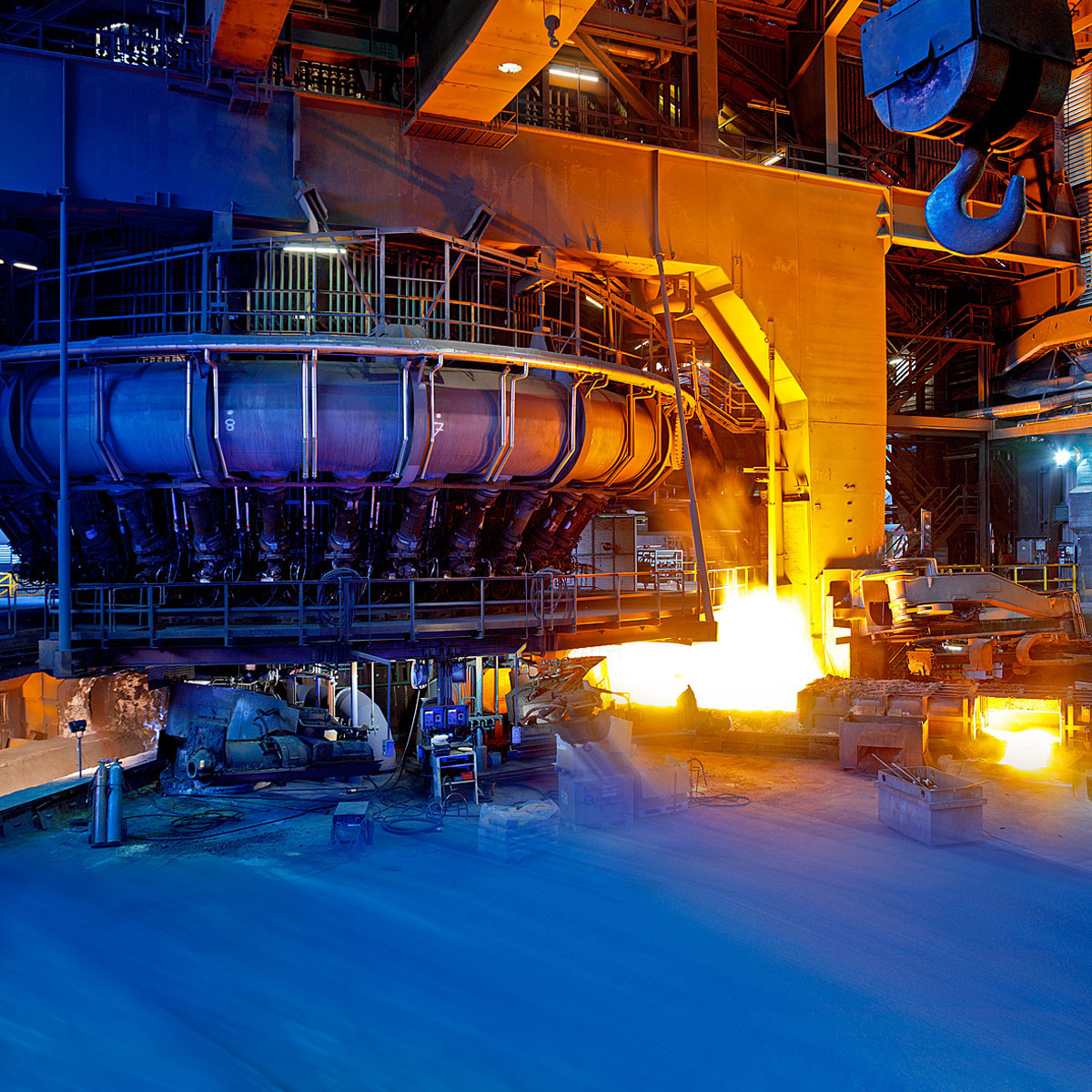
Crude steel production in the 64 countries reporting to the World Steel Association (worldsteel) rose 7% on-year in October to 161.89 million tonnes, gaining further momentum from growth in August and September, Kallanish notes.
Chinese output continued its relentless growth, rising 12.7% in October to 92.2mt. Indian output finally rebounded to pre-coronavirus levels, increasing 0.9% to 9.06mt. Japanese and South Korean production however dropped -11.7% and -1.8% respectively to 7.2mt and 5.86mt. Vietnamese output surged 112% to 3.37mt.
The EU28 saw output drop -5.6% in October to 12.61mt, despite output in Germany rising for the first time since the pandemic struck, by 3.1% to 3.42mt. Italian output however dropped -4.6% to 2.12mt. Output grew significantly in Czech Republic, Finland and Sweden.
Turkish output continued its recovery, rising 19.4% in October to 3.21mt.
US production slumped -15.3% to 6.14mt but Brazilian output grew again, by 3.5% to 2.78mt.
CIS production rose 4.7% to 8.39mt, with Russian output estimated to have risen 4.3% to 6.05mt and Ukrainian output increasing 5.9% to 1.65mt.
Global steel output in January-October nevertheless still dropped -2% on-year to 1.51 billion tonnes.
For antitrust reasons worldsteel no longer produces a monthly global capacity utilisation ratio. Information on capacity can be found on the OECD website, worldsteel says.
Japan’s Oct crude steel output rises for 4th month as demand recovery continues
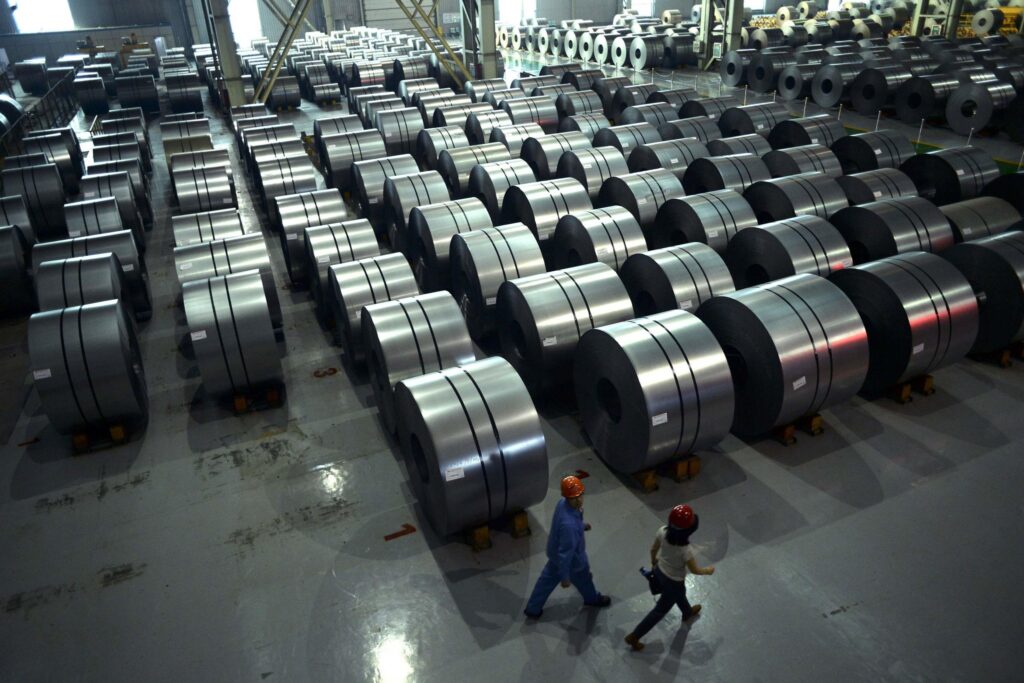
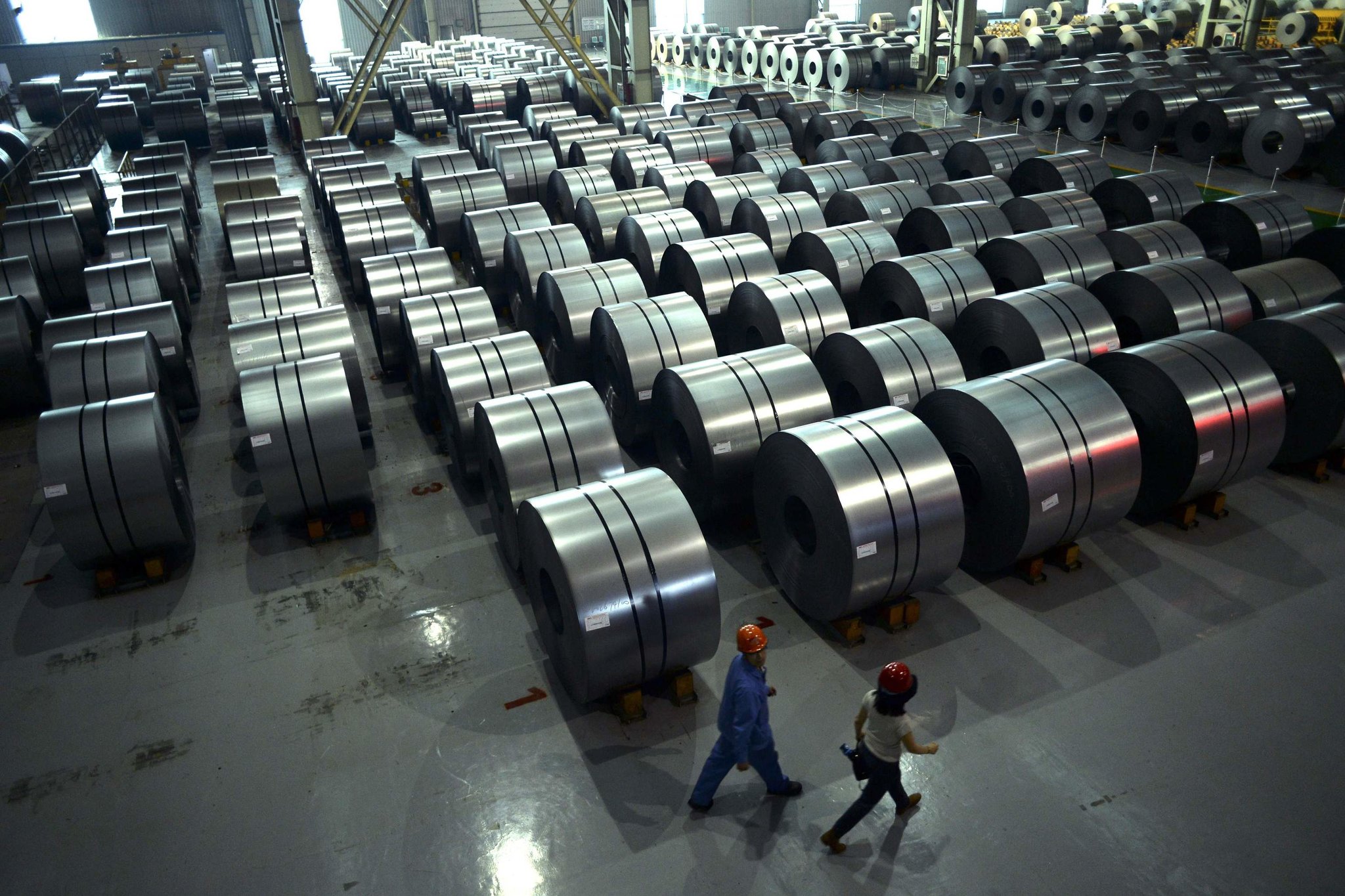
Japan’s crude steel production rose 11% month on month to 7.2 million mt in October, marking a fourth consecutive month of increase since hitting a year-to-date low in June, Japan Iron & Steel Federation data released Nov. 24 showed, as demand from the manufacturing sector continued to firm.
The total was still down 11.7% year on year, the data showed.
However output continued rising on a month-on-month basis as steelmakers increased in export sales and blast furnaces came back online after being idled due to the pandemic, market sources said.
Output from blast furnaces comprised 5.3 million mt of the total, up 11.5% from September and down 13.1% on year, and from electric-arc furnaces 1.9 million mt, up 9.6% from September and down 7.3% on year.
Japan’s manufacturing purchasing managers’ index or PMI published by au Jibun Bank rose to 48.7 in October from 47.7 in September, but remained in contraction for the 18th straight month, most recently impacted by the pandemic.
Crude output over January-October totaled 68.41 million mt, down 18.4% on year.
The uptick in crude steel production has boosted steelmakers’ demand for raw materials, although as most rely on long-term contracts for iron ore imports, demand for spot cargoes has seen little increase. The increasing production was instead lending support to ferrous scrap, which has seen prices continuing to rise in November.
JFE Steel restarted its 5,000 cu m No. 4 blast furnace at Fukuyama in October at the West Japan Works after it was idled at end June, while Nippon Steel plans to resume operations at two blast furnaces at Muroran and Kimitsu by end November, taking its total number of blast furnaces in operation to 11.
However, a fresh wave of coronavirus infections in Japan has raised concerns that production could again be impacted in coming weeks. Japan reported 2,168 new COVID-19 cases Nov. 22, the fifth straight day that new cases had exceeded 2,000.
— Clement Choo, Samuel Chin

ArcelorMittal, Italian government in partnership for a green Ilva
The agreement on ArcelorMittal Italia’s future, the largest Italian steel producer, is closed to be signed and it will relaunch the former Ilva, Giuseppe Conte, Italian Prime Minister said on Nov. 24 on a video call at the presentation of the Association for the development of South Italy, Svimez 2020 Report. This is seen as a confirmation that ArcelorMittal will remain a shareholder in the steelmaker.
“Just in these days we are defining the agreement with ArcelorMittal to complete the investment project in the name of a public-private partnership for the Ex Ilva of Taranto,” Giuseppe Conte said. “…we are offering an articulated plan to relaunch the Taranto site … in a marked direction of the energy transition.”
The declarations of Conte came just few hours after Italian national representative unions met with the CEO of ArcelorMittal Italia, Lucia Morselli. According to union sources, Morselli also confirmed that that they are close to finalize the agreement. “AM is likely to stay with the government that will enter in the company but we have no idea yet about the percentage, neither about the industrial plan. That is the reason we still want to call a strike,” an union source who was present during the meeting told S&P Global Platts.
Last week the Italian unions called two hours of strike on Nov. 25 to call for a responsible future of the Italy’s largest steel plant and to be included in the negotiation with ArcelorMittal.
At stake there are the jobs of around 10,700 workers at the plant, which is why it is so important for the Italian government to keep the company operational. ArcelorMittal agreed to buy Ilva in 2018 under a lease-and-purchase agreement for Eur1.8 billion and to invest another Eur2.4 billion to clean up and modernize the plant, which has been dogged by environmental issues. Following legal issues with the Italian state, ArcelorMittal in early March reached an accord with Italian authorities over the future of the former Ilva group, amending the existing lease and purchase agreement. The agreement left ArcelorMittal with the right to withdraw from its Ilva purchase by the end of November 2020, subject to the payment of a fine of Eur500 million. The lease-and-purchase agreement may extend until May 2022.
Invitalia, Italy’s agency for investment promotion and enterprise development, is the government arm that will be used to enter in the partnership. Last week, Invitalia’s spokesman, confirmed to Platts that Invitalia could take ownership of the former Ilva with “not a minority” stake and this would include modernizing both Blast Furnace 5, the largest in Europe, with a production capacity of around 3.5 million mt/year, and idled in 2015, and Blast Furnace 1, still in operation. In addition, two electric-arc furnaces would be introduced to the steel plant, to maintain a production capacity of 8 million mt per year, a move probably capable of maintaining current employment levels.
Industry sources said that as steel demand has slumped throughout Europe due to the pandemic and steel overcapacity is likely to continue to be a problem, it is unlikely that the Taranto works will be able to maintain a very high crude steel output for the foreseeable future. However, some sources with knowledge of the plant underscored the necessity for Taranto to operate at a rate of at least around 6 million mt/year to stay in the black.
ArcelorMittal Italia at the moment is casting around 7,300 mt/day of liquid steel, that is its lowest historical rate from just two out of its four blast furnaces.
Sources said that as ArcelorMittal has worked hard to achieve its $7 billion net debt target and is now prioritizing cash returns to shareholders, it is possible that the company wishes to keep Ilva out of its consolidated earnings in the new company.
ArcelorMittal declined to comment when contacted by Platts.
— Annalisa Villa