

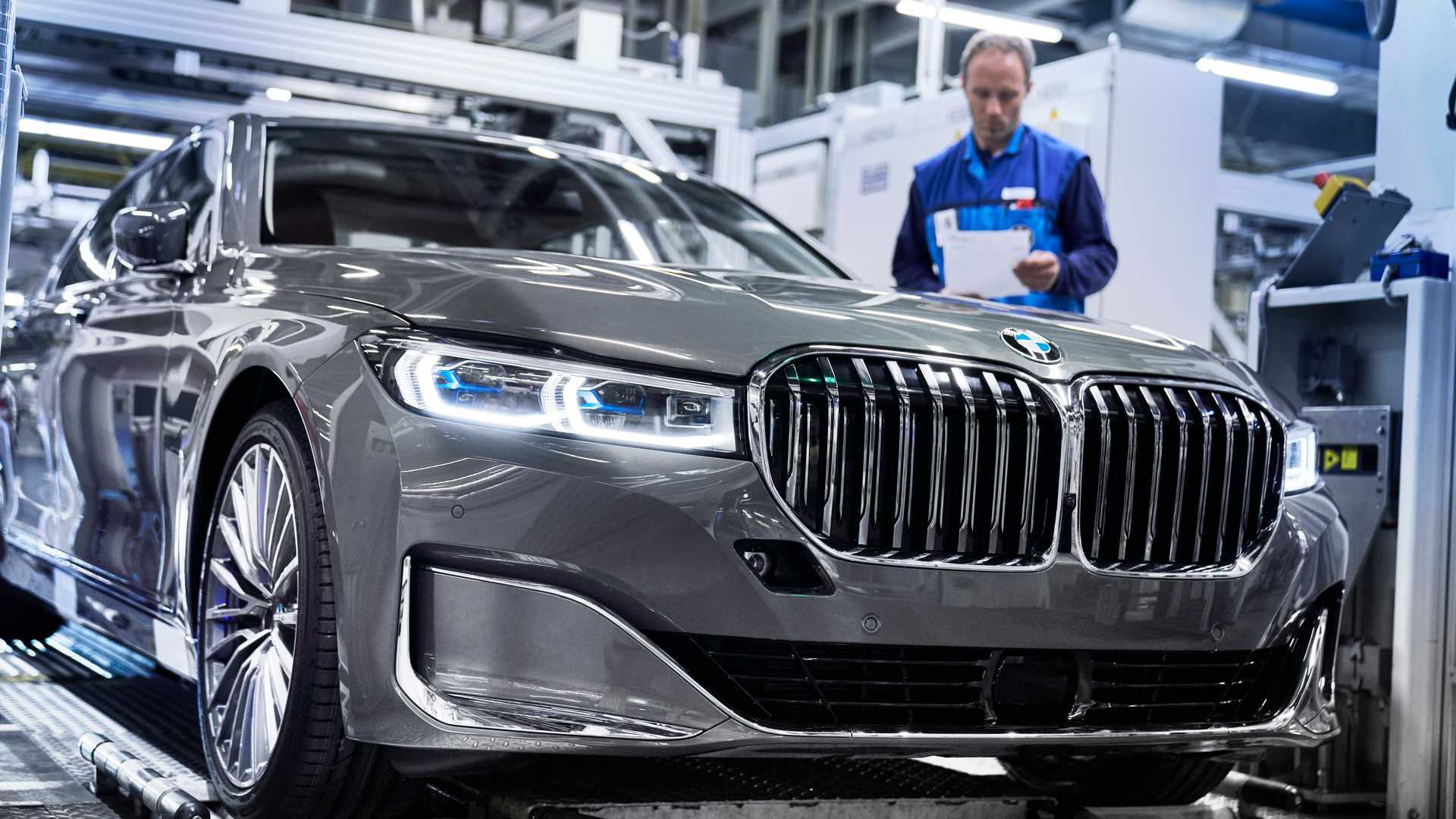
German car production catching up
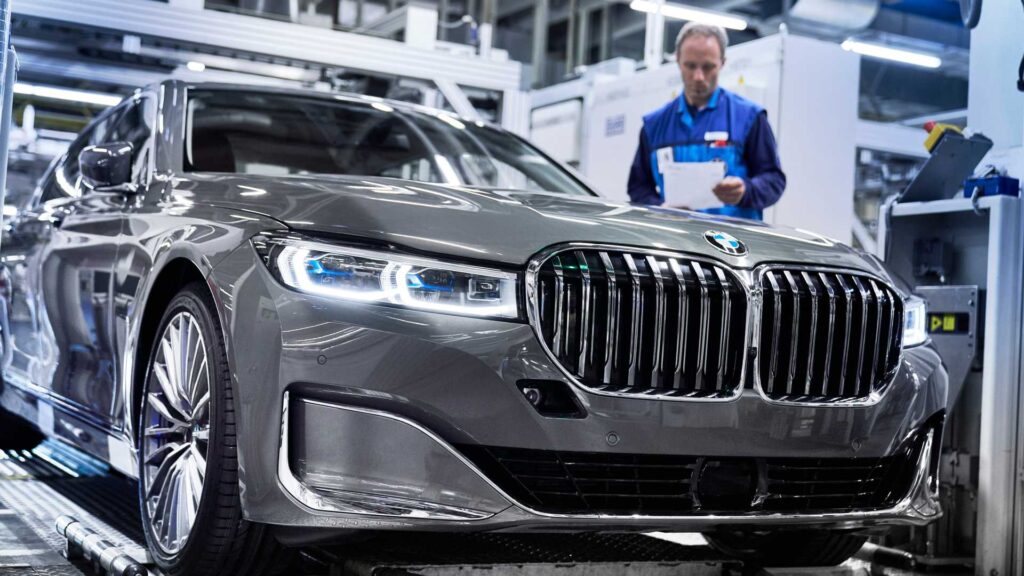
October was the thirteenth month in succession in which production of passenger cars at German assembly lines was down year-on-year, Kallanish learns from automotive association VDA.
From January through October, production totalled 2.8 million units, a massive -30% down on the first ten months of 2019. However, the gap has become noticeably narrower, with output in October only -2% down on-year at 382,300 units built. In September, the y-o-y decline was still -9%.
Observers from the strip steel market in particular believe that carmaking plants are intensely compensating for the losses incurred during the strict lockdown after March when Covid-19 had broken out in Europe. However, some argue that the pace of car production might be reduced again, given the overall economic slowdown brought by the second lockdown.
Meanwhile, automotive suppliers are standing “with their backs against the wall,” says ArGeZ, the working group of automotive suppliers within the association of steel and metals working companies, WSM. According to ArGeZ, automotive suppliers are facing a year-on-year production drop of -25% in 2020.


ArcelorMittal, Italian state may be 50-50 partners
Kallanish understands from union sources that the Italian state and ArcelorMittal Italia will enter into a 50-50 partnership for the relaunch of the former Ilva. Local broadsheet Il Sole 24 Ore also reveals that after 2022 the government could become the majority stakeholder. The value of the equipment and the company’s debt in 2022 will determine the value of the majority stake. The managing board should see an equal participation from the two parties with the president appointed by the state and the ceo, Lucia Morselli at present, appointed by ArcelorMittal.
The agreement on employment may only be reached after this preliminary deal is agreed by 30 November, when ArcelorMittal’s Italian entity, AMinvestCo, has a right of withdrawal, subject to an agreed payment of €500 million ($595m). The company told the unions that meltshop No. 1 will restart in January when Taranto is seen boosting production in light of the current shortage of coils in Italy. This year Taranto’s output will reach approximately 3 million tonnes, Kallanish notes.
ArcelorMittal is reorganising its commercial structure to shield the Italian unit from its other European activities. Former chief marketing officer Carlo Malasomma was replaced with Alessandro Faroni, a director under the former Riva ownership (see Kallanish 10 November).
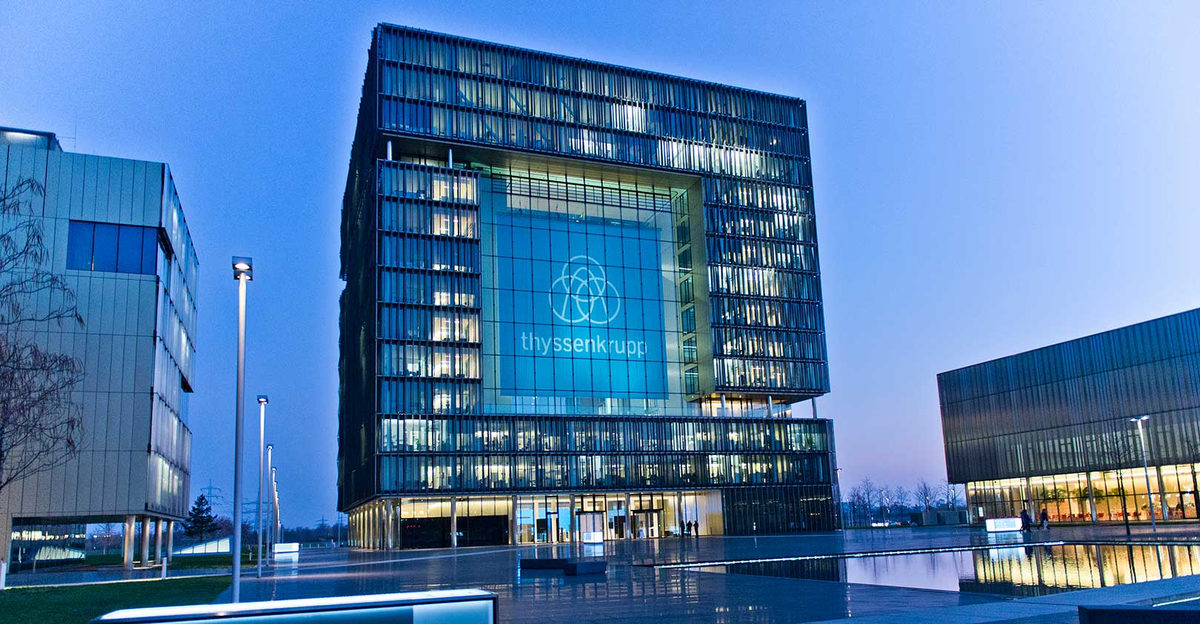
Liberty-thyssenkrupp talks nearing due diligence – sources
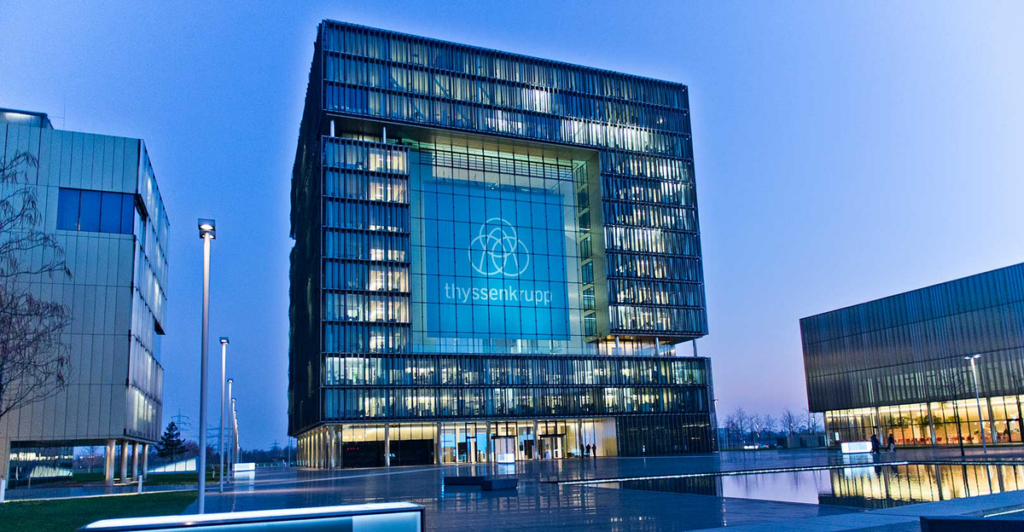
The approach of Liberty Steel for thyssenkrupp’s steel division could take a step forward as soon as December. According to press reports, the two groups might agree to start a due diligence process – meaning Liberty will get exclusive insight into thyssenkrupp Steel’s records – next week. Bloomberg as well as Reuters are citing insider sources claiming that the German conglomerate will open its books to Liberty.
Last month, Liberty came forth with an official non-binding takeover offer over, which was confirmed by thyssenkrupp. Both sides have since entered talks, on which no details have been revealed so far. Upon request by Kallanish, thyssenkrupp’s press department declined to give a comment; Liberty’s parent group GFG Alliance did not reply to inquiries before press time.
Liberty’s bid for a takeover rather than a joint venture partnership does not conflict with thyssenkrupp’s wider plans, which encompass a stand-alone development for Steel, as well as considering partnerships and a spin-off. At thyssenkrupp’s annual press conference last week, chief executive Martina Merz said that a decision should come in the spring.
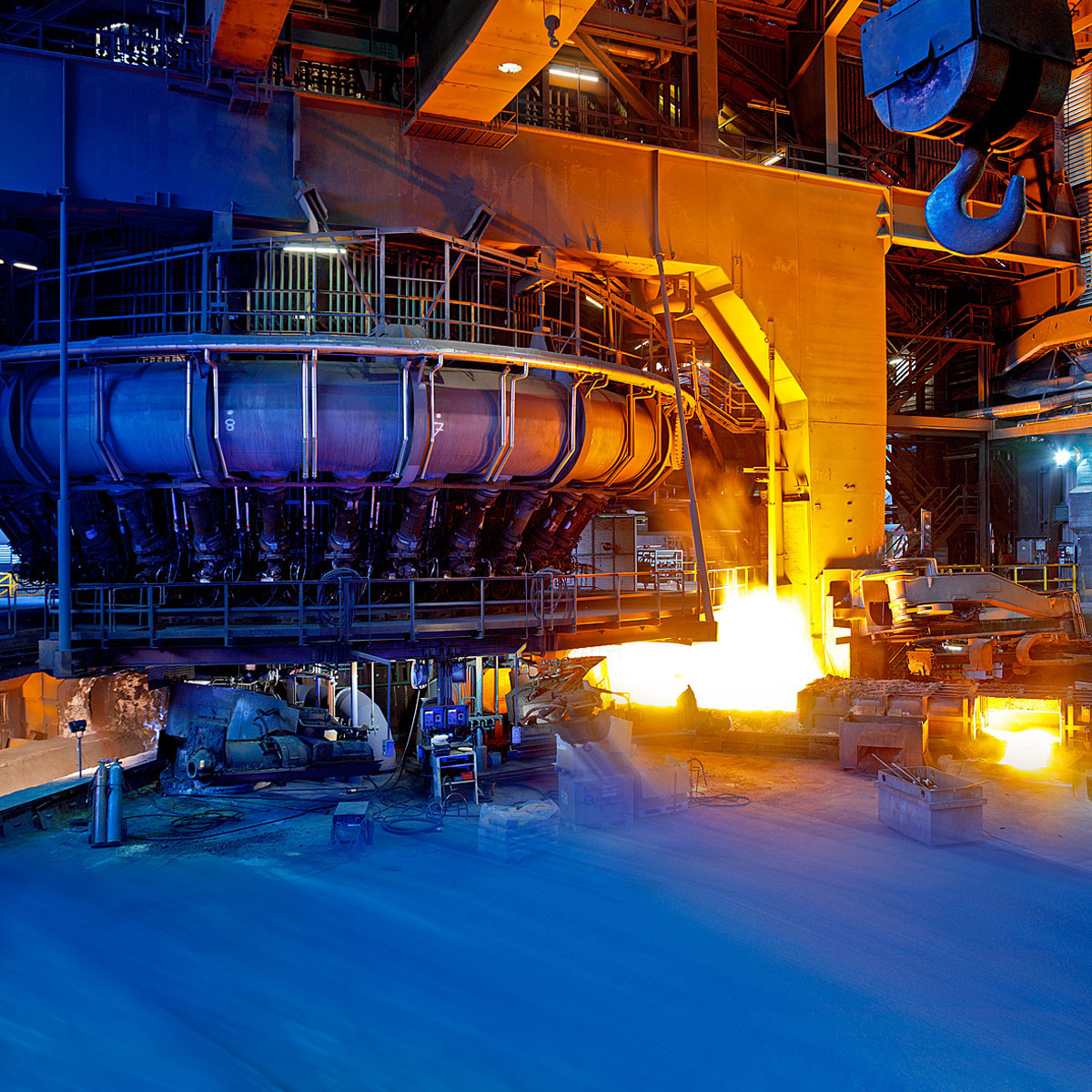
British Steel set to increase production, eyes UK infrastructure drive
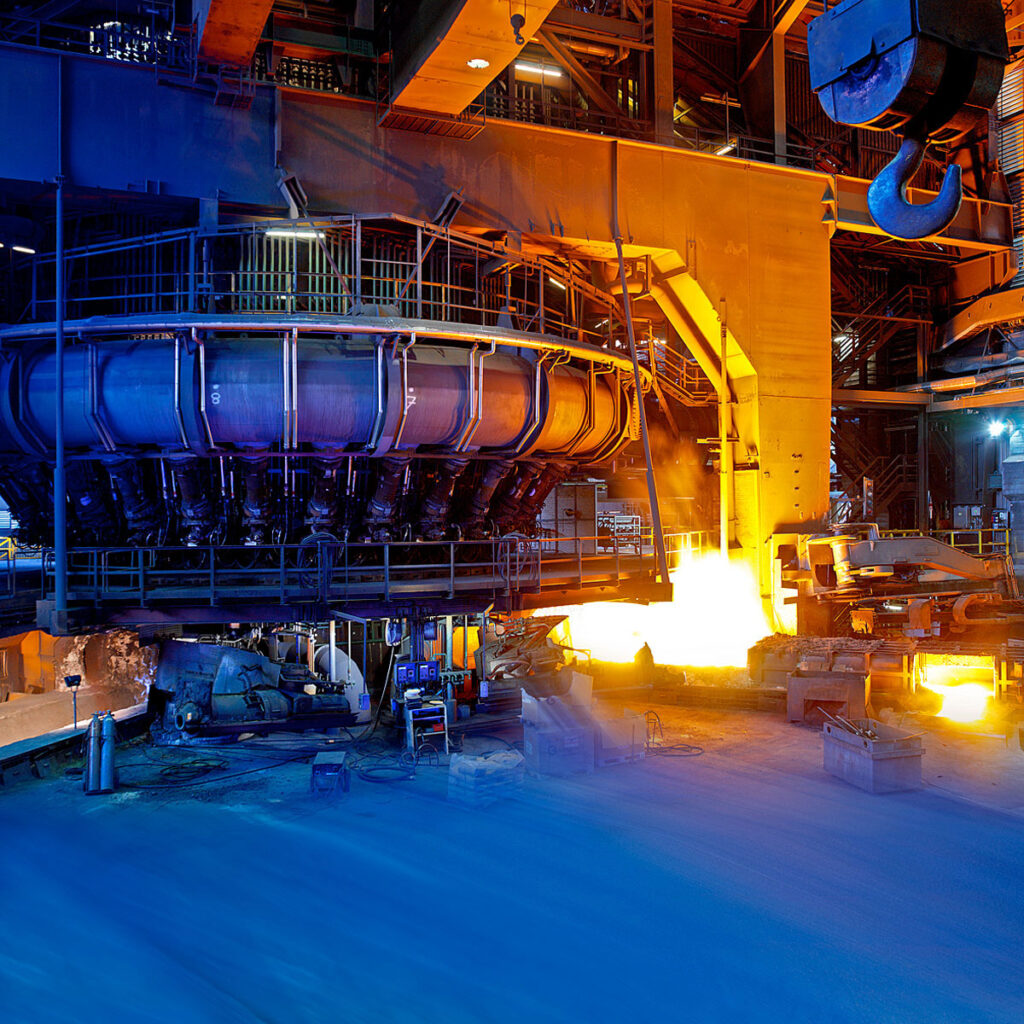
UK-based integrated steelmaker British Steel is embarking on a recruitment drive to support increased production at its operations in Scunthorpe and Teesside, the company said Nov. 26.
The company, with a crude steel capacity of about 3 million mt/year gave no tonnage details on the production boost. However, it had said in September that it was developing new products to support the UK’s infrastructure drive, entering new markets and modernizing its plant, with plans to install an electric arc furnace to complete its existing blast furnace operation.
News of the recruitment signals that progress has been made on the steelmaker’s turnaround since its was acquired by Chinese private-sector steelmaker Jingye Group in March. Previously owned by Greybull Capital, British Steel had entered compulsory liquidation in May 2019. It is the UK’s second largest steelmaker behind Tata Steel.
British Steel said the company has maintained stable production throughout the COVID-19 pandemic and is fully operational. The company produces steel for the yellow goods (construction and earthmoving) sectors as well as rails and related products which it is expected to supply to the UK’s HS2 high-speed rail project.
It is looking to recruit 41 people into manufacturing roles at its Special Profiles business in Skinningrove, where around 300 people are currently employed, and which will move from a 5-day to a 7-day working week in the Spring, according to a company statement. A further 25 people will be accepted into trainee positions at its headquarters in North Lincolnshire, it said.
These new jobs are in addition to the 40 the company created in May, which has enabled it to introduce an extra shift at its Teesside Beam Mill, it said.
— Diana Kinch


Liberty Liege-Dudelange supply disruption causing steel shipment delays

The Liberty Steel Group is experiencing supply disruption at its Liege and Dudelange mill sites in Belgium, affecting shipments to customers, Liberty confirmed to S&P Global Platts Nov 26.
“Continuing COVID-19 and commercial related supply disruptions have temporarily impacted shipments from Liberty Liège-Dudelange,” a Liberty spokesperson said.
“We apologise to any customers impacted by this issue and expect shipments to return to normal soon,” the spokesperson said.
According to market sources, the supply of galvanized coils is particularly impacted and primarily caused by pre-material supply problems.
“It’s the feedstock issue they have,” said a German stockholder.
A UK trading source said customers received a letter from Liberty saying that their requested volumes for Q1 delivery could not be delivered. “An astonishing amount of volumes. The situation is not helping the material tightness in Europe,” said the trader.
Customers looking at other mills
A European mill source said that customers from Liberty were now trying to source the material elsewhere but due to the serious lack of material available on the market are unlikely to be successful. There is little coil availability left for Q1 and while there are some offers for April delivery for hot-dipped galvanized (HDG) material, most European mills are still out of the market for Q2.
The European coils market is currently facing severe material tightness while mills are working through an orders backlog. European mills are still running production below full capacity utilization following production cuts during the first wave of the pandemic. There is also a lack of imported material with import sources such as Turkey hiking offers on spiking scrap prices.
European coils prices have jumped over the last few weeks following mill price hikes, with the daily Platts index for hot-rolled coil at Eur548/mt EXW Ruhr Nov 26, seeing a Eur6/mt increase on-day, while the weekly Platts hot-dipped galvanized assessment increased Eur9.50/mt on-week Nov 25 to Eur640/mt EXW Ruhr for DX51D grade. Both HRC and HDG have increased by more than Eur150/mt since the lowest point in June this year with further price increases expected.
Not the first delivery disruption
The supply problem for the production of galvanized coils has been a recurring issue at Liberty. The company confirmed to Platts in February that there were temporary supply issues.
The operations at Liege-Dudelange were bought from steelmaker ArcelorMittal in July 2019 in a Eur740 million ($707 million) deal and were part of the remedy package imposed by the EU for ArcelorMittal to take over Italy’s Ilva.
According to analysts at Jefferies Research Services, Dudelange and Liege in total have annual capacities of 1.6 million mt of galvanized/coated steel, 300,000 mt of cold-rolled coil and 200,000 mt of tinplate.
— Laura Varriale
German fabricators catch up on production
Steel and metal processing companies in Germany increased production by 20% on-quarter in the third quarter, according to their association, Wirtschaftsverband Stahl- und Metallverarbeitung (WSM).
The association speaks of a “…rapid recovery” from the preceding production trough caused by the coronavirus impact. Compared with 2019, production was still -10.6% down in Q3 and down -15.7% in the nine months through September.
In Q4 it should be possible to further reduce the gap to the previous year, despite the renewed pandemic-related restrictions on public life in November, WSM believes. Its economist, Holger Ade, confirms the forecast for full-year 2020 given earlier, that the on-year production drop should be between -12% and -15%.
Exports fell more sharply than domestic deliveries in Q2, but with a growth of 23.2% in Q3 they also recovered much more strongly than sales in Germany. Year to date, domestic and foreign deliveries declined -17.4% and -17.9% respectively.
However, the current development in coronavirus infection levels across Europe could endanger the further recovery in exports, Kallanish hears from WSM.
This has nevertheless not shown so far. Orders from abroad in Q3 increased by 45% compared with the previous quarter, while domestic orders rose by 35.4%. In September, total incoming orders were again up year-on-year by 5.8%, WSM notes.

UK car production down 18.2% year-on-year in October: SMMT

UK car manufacturing output fell by 18.2% year on year in October, with 110,179 units leaving factory gates, according to figures issued Nov. 26 by the Society of Motor Manufacturers and Traders.
“October’s performance rounds off an extremely tough 10 months for UK car makers and suppliers, and production is now down 33.8% since January to 743,003 units,” SMMT said in a statement.
Last month’s figure represented 24,490 fewer cars made than in the same month in 2019, with the impact of coronavirus and fresh lockdowns at home and overseas subduing demand in many key markets, the group said.
For the first 10 months of the year, 379,308 fewer cars worth around GBP10.4 billion ($13.9 billion) were produced.
October’s decline was driven largely by falling exports, particularly to the EU and US, down 19.1% overall and equivalent to a loss of 21,569 vehicles, SMMT said. Shipments to the US fell by 26.0% year on year, while exports to the EU by were down 25.7%.
“Major Asian markets fared better, with exports to Japan and China up 57.1% and 9.7%, respectively, reflecting less stringent lockdown measures, but this was not enough to offset losses elsewhere,” SMMT said.
Production for the domestic market also fell, by 13.6% to 18,629 units, with 2,921 fewer cars made for buyers in the UK than a year earlier.
“These figures are yet more bad news for an industry battered by COVID, Brexit and, now, the unprecedented challenge of a complete shift to electrified vehicles in under a decade,” said Mike Hawes, SMMT’s chief executive, in a statement.
The UK government’s Nov. 25 spending review “recognized the need to invest in a green industrial revolution, but this must be at globally competitive levels and equal to the scale of ambition to keep this sector match fit,” he said.
“Above all,” Hawes said, “we must have a Brexit deal, one with zero tariffs, zero quotas and rules of origin that benefit existing products and the next generation of zero-emission cars, as well as a phase-in period that allows this transition to be ‘made in Britain.”
The UK’s transition period as it exits the European Union ends on Dec. 31, with no trade deal with the EU in place as yet.
Earlier this week, SMMT released figures suggesting that production losses could cost as much as GBP55.4 billion over the next five years if the UK automotive sector was forced to trade under World Trade Organization conditions over the long term. Even a so-called “bare-bones” trade deal with the EU would cost the industry around GBP14.1 billion, SMMT said.
“Industry bosses will be glad to wave goodbye to 2020. Yet the outlook for next year is uncertain as manufacturers seek to adapt to a new trading environment and wait to see if the threat from coronavirus and its effect on consumer demand begins to diminish,” Stuart Apperley, director and head of UK automotive at Lloyds Bank, said Nov. 26.
“Many will hope that the recent positive vaccine news, and anticipated rollout, will boost consumer sentiment and give people the confidence to make big-ticket purchases, such as a new car,” he added.
In the longer term, the UK government’s plan to take all petrol and diesel vehicles, except hybrids, off the roads by 2030 “confirms a clear direction of travel,” Apperley said.
“Many UK carmakers are well-placed to capitalize on the new rules, though others have work to do,” he said. “Either way it’s a huge incentive for the industry — and its supply chain — to invest in the technology and nudge customers towards choosing cleaner vehicles.”
— Andy Blamey