

CSN Lusosider confirms EU HRC supply challenges

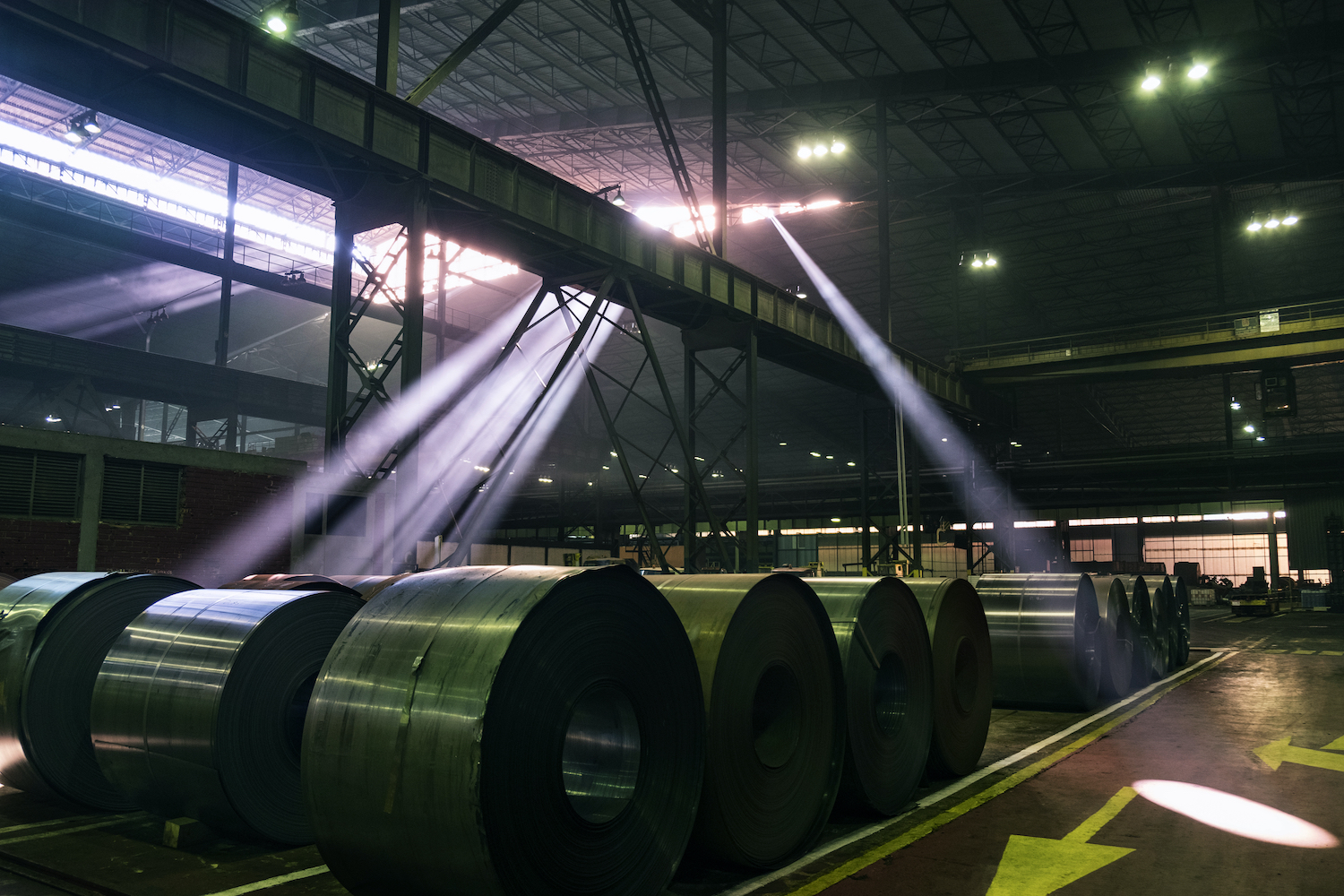
The tight availability of hot rolled coil and other coil products in Europe has affected most market players in recent months. Brazil’s CSN also recently confirmed that its rolling mill in Portugal, Lusosider, is facing challenges in finding HRC feedstock supply.
In an interview published in the Brazilian press, Luz Fernando Martinez, commercial director of CSN, noted that the group is supplying Lusosider with coil from Brazil. It is thereby paying a duty of €53/tonne ($64) due to the existing measure on Brazilian HRC imports imposed by the European Commission.
Other coil rolling mills, such as Liberty’s units in Luxembourg and Italy, as well as those of NLMK in Belgium have confirmed difficulties in finding supplies during the last weeks, Kallanish notes.
Lusosider produces cold rolled coil and hot-dip galvanized coil for the Iberian Peninsula market. According to the latest results from CSN, the company sold 94,000 tonnes of finished products in the third quarter, up 26,000t on-quarter 23,000t on-year.
CSN has been trying to sell the Portuguese unit for some years now, but no advance in the negotiations has been reported recently.

German carmakers receive additional state support
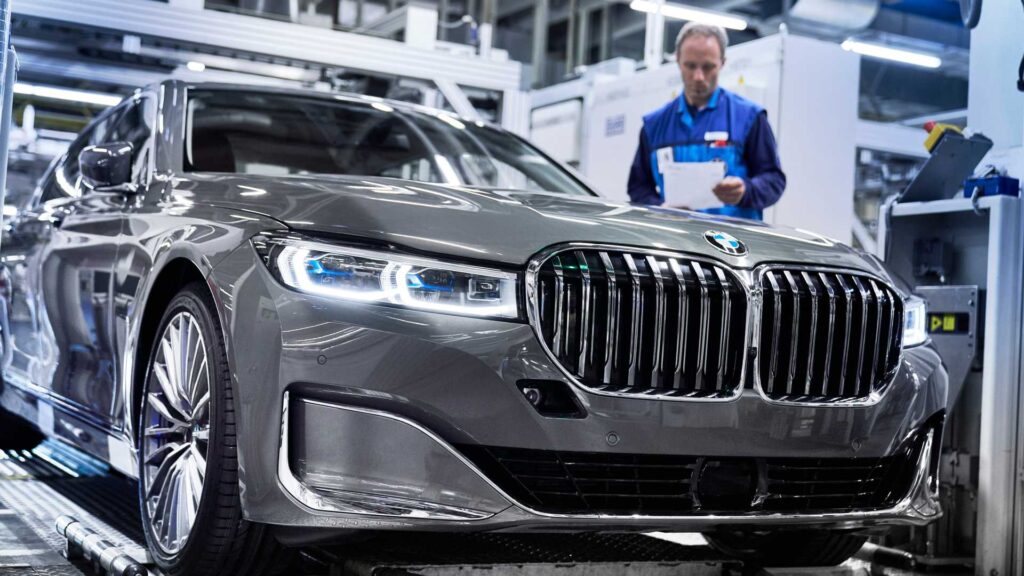
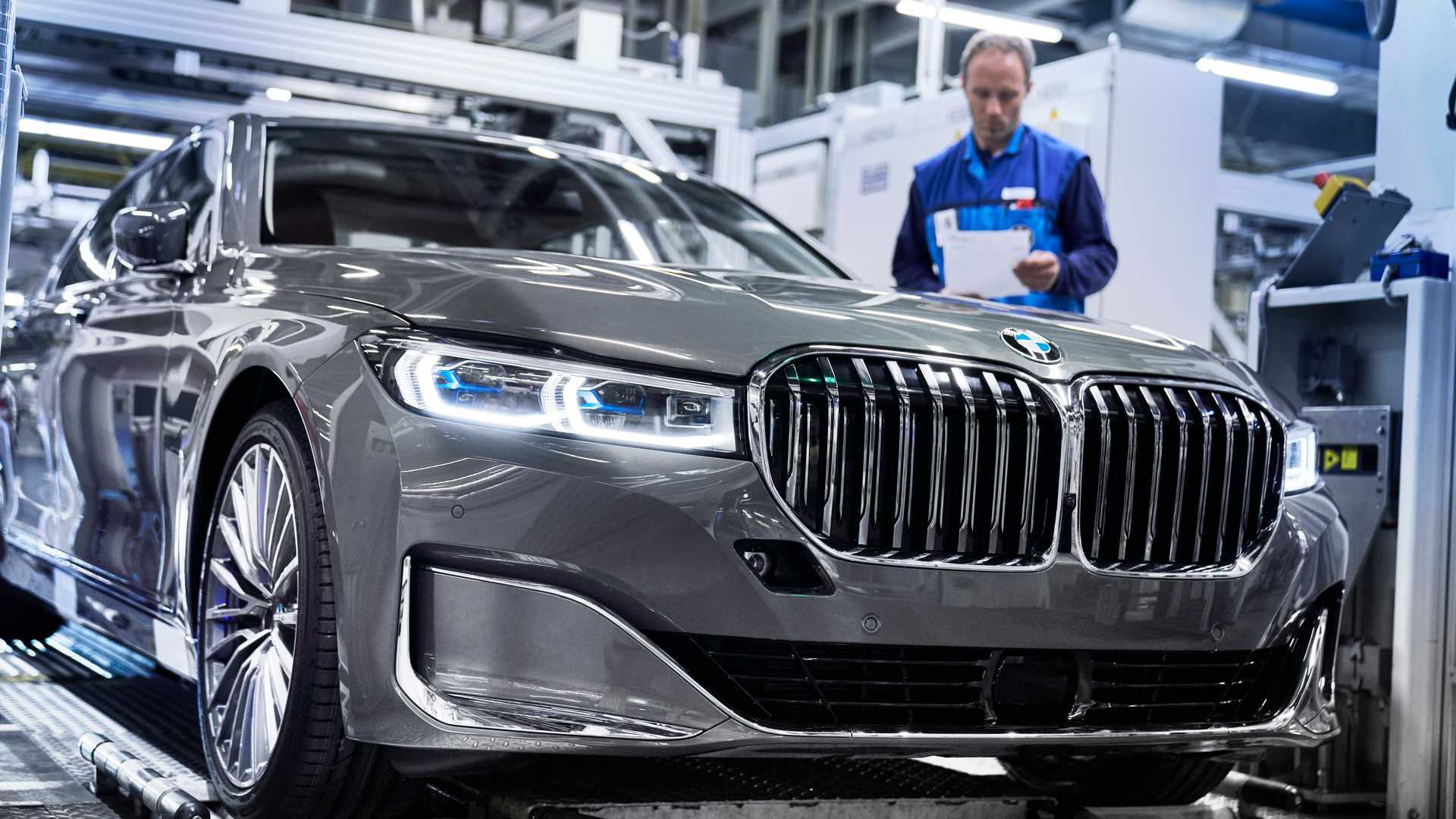
Germany will allocate another €3 billion ($3.6 billion) to support the country’s automotive industry amid the Covid-19 pandemic, says government spokesman Steffen Seibert. As a result, the total volume of support for automakers will amount to about €5 billion, Kallanish notes.
Seibert justifies the need to provide funds with long-term structural changes, which, he says, are fraught with great difficulties. At the same time, he notes that after a sharp drop in sales in the first half of the year, the industry is now showing the first signs of recovery.
From the announced amount, €1 billion will go to the fund for the future of the automotive industry, which is intended to finance medium- and long-term transformation strategies for the sector. A further billion in aid will go to a planned fleet renewal programme for trucks.
In the summer, Berlin extended compensation payments to buyers of electric and hybrid vehicles until the end of next year, but now it has been decided to extend them until 2025.
“The payment extension is helping to protect the climate and economic development,” says the head of the VDA automotive association, Hildegard Müller. “Every week, thanks to us, 12,000 new electric vehicles appear on the streets of Germany.”
In January-October Germany’s car production totalled 2.8 million units, a massive -30% down on-year (see Kallanish passim). However, the gap has become noticeably narrower, with output in October only -2% down on-year at 382,300 units. In September, the y-o-y decline was still -9%.
Observers in the strip steel market believe that carmaking plants are intensely compensating for the losses incurred during the strict lockdown after March when Covid-19 broke out in Europe. However, some argue that the pace of car production might be reduced again, given the overall economic slowdown brought by the second lockdown.