

Klöckner’s outlook improves on recovering market
Klöckner & Co says it was able to benefit disproportionately from the positive market developments of recent weeks, and has therefore adjusted the earnings figure it forecasted for the full year.
It now expects an Ebitda before material special effects of €105-115 million ($128-140m) for 2020, contrary to previous expectations of €75-95m, and still a significantly positive cash flow from operating activities.
“In the course of the fourth quarter, the recovery in steel demand continued more strongly than previously expected,” the German-based steel distributor writes in an ad-hoc announcement sent to Kallanish. At the same time, improved price levels have already had a positive impact on the group’s operating income, it continues.
Looking ahead, Klöckner believes the market recovery will continue at the beginning of the new year. The group states that it has benefited from “…rapidly increasing digitalisation and restructuring effects” from its “Surtsey” project. It expects this programme to considerably boost income in the first quarter of 2021, compared to the same quarter of the previous year.

Outokumpu sees stronger-than-expected demand recovery
Outokumpu is registering a stronger-than-expected market recovery, the Finnish firm says in a note sent to Kallanish.
The company now expects deliveries to increase 5-10% on-quarter in the fourth quarter. This would mean quarterly deliveries are set to return to the level of 500,000 tonnes for the first time since Q1 2020.
Together with rising deliveries, Q4 Ebitda should also be higher than in Q3, improving the outlook to stable.
The group’s deliveries in January-September reached 1.6 million tonnes, down 139,000t or -8% on-year. In Q3 alone deliveries fell -9% on-year. In Q4, nevertheless, deliveries could be up more than 10% y-o-y if the latest outlook by the group is confirmed.
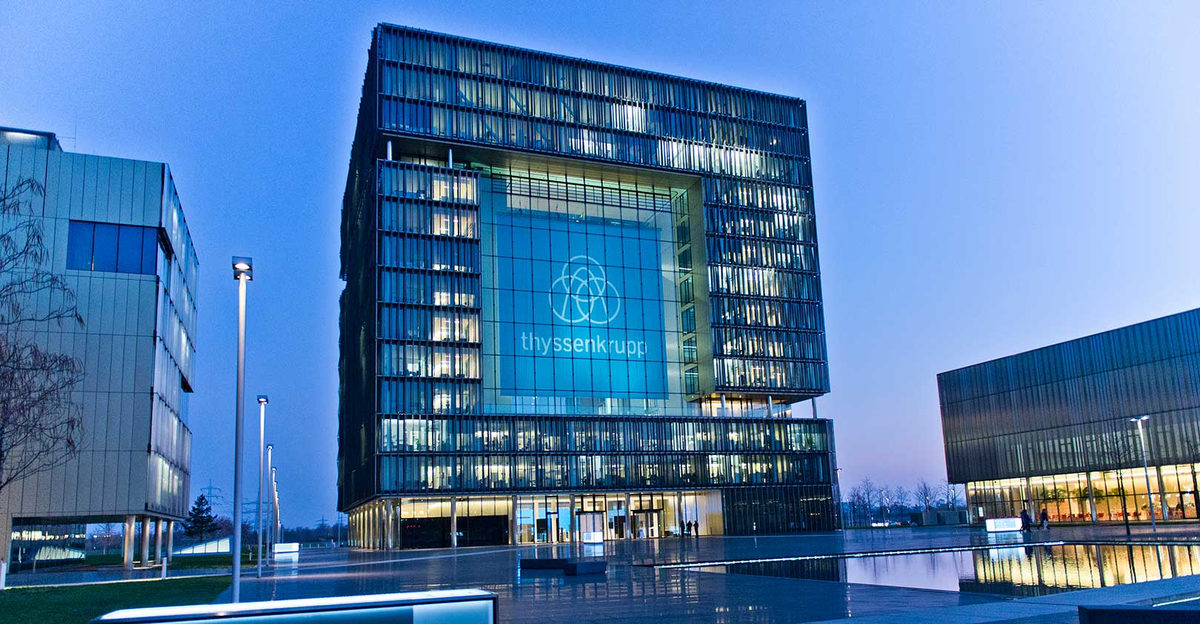
Thyssenkrupp confirms plate mill closure by September 2021
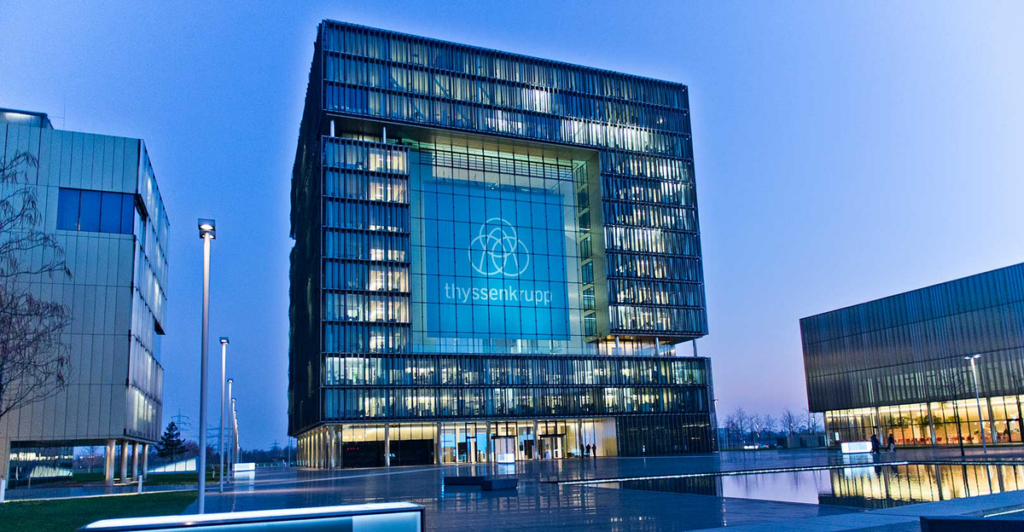
Thyssenkrupp has now made the final decision to cease production of quarto plate. The company says it “…does not see a future for the business unit Heavy Plate anymore,” and intends to close the Hüttenheim, Duisburg plant for good by end-September 2021. In the meantime, it will be confined to fulfilling existing orders.
Thyssenkrupp could not find a buyer for the mill, “…even after renewed efforts in recent days,” it writes in a statement sent to Kallanish upon request. The aforementioned efforts might refer to Dillinger-Saarstahl group, which, according to local media, was the last to hold talks with thyssenkrupp in this matter.
At a Dillinger-Saarstahl press conference some weeks ago, its new chief executive, Karl-Ulrich Köhler, gave a vague response to questions about Dillinger’s interest in thyssenkrupp’s plate mill (see Kallanish passim).
The Hüttenheim mill has been making losses for years, without the prospect of a sustainable recovery, thyssenkrupp observes. Its product range includes wear-resistant steels for construction machinery, pipeline steels, plate for shipbuilding and for mobile cranes. The mill has been operating since 1963.
The company notes that 90% of the approximately 800 employees will be employed at other operations of thyssenkrupp Steel in Duisburg, and that early retirement schemes will be offered to others. It reiterates that the site in Antwerp, Belgium, will be unaffected by the closure of the reversing mill, and that it will continue to cut plate from hot-rolled strip.