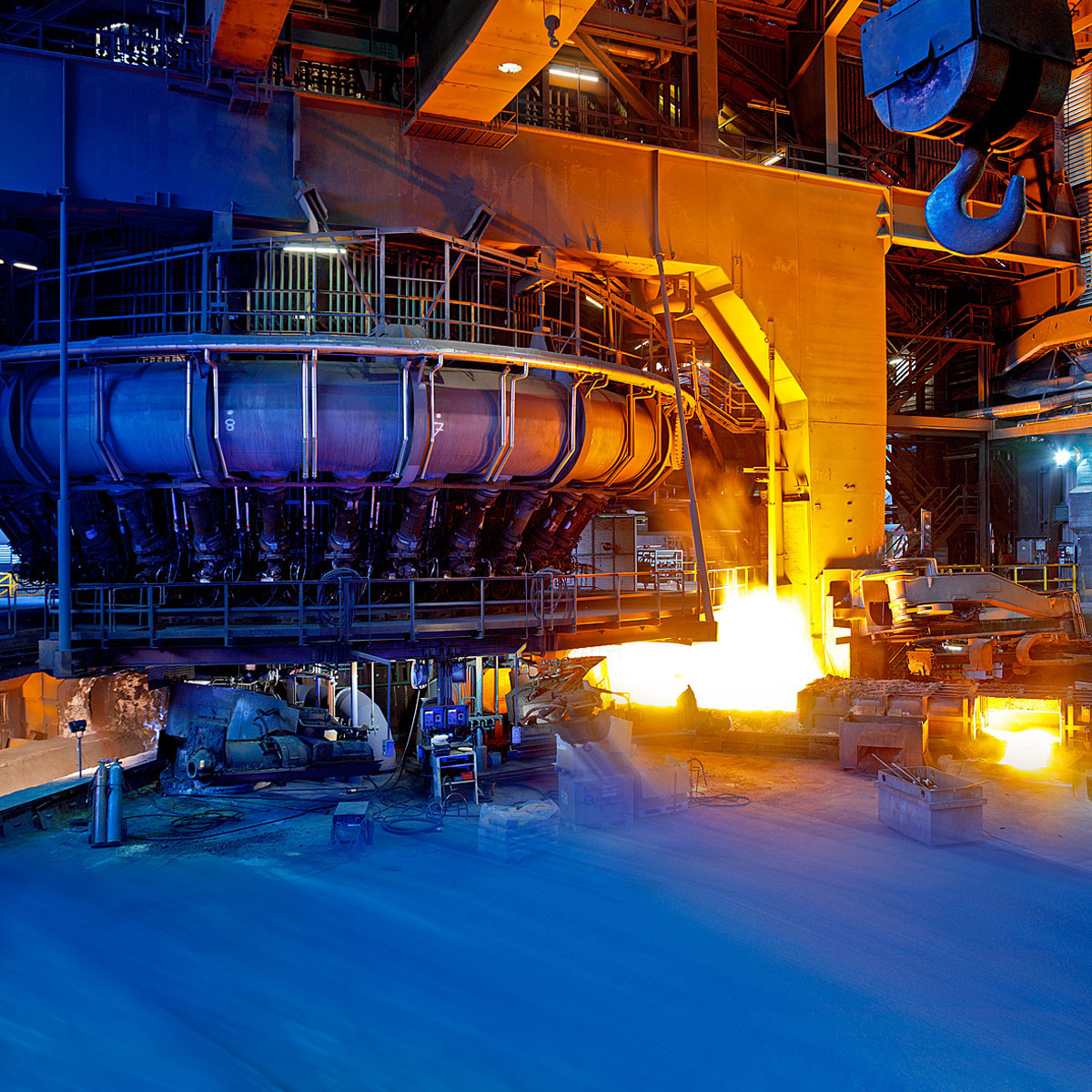
Badische Stahlwerke postpones EAF modernisation
German rebar mill Badische Stahlwerke has postponed the overhaul of one of its electric arc furnaces, a measure which many buyers had feared would aggravate the prevailing shortage of rebar.
Badische has two production lines. One of its EAFs would have been revamped during a period of around six weeks, Kallanish hears from an insider. An official statement was not forthcoming. The measure would have meant a company-wide production outage for almost the full duration of the revamp. Although the measure was to be carried out only on one line, the neighbouring unit would have been affected by the works as well, the source explains.
The postponement is not directly related to the critical supply-demand balance for rebar, but to the risks associated with the coronavirus, he adds. “There would have been contracted companies involved, so we would have more traffic of personnel,” he explains. The company therefore decided to postpone the revamp to avoid the risk of contagion.
Badische will now have a regular winter shutdown of two weeks, with production resuming around 6 January. The upgrade measure is now projected to be carried out next winter, the source says.

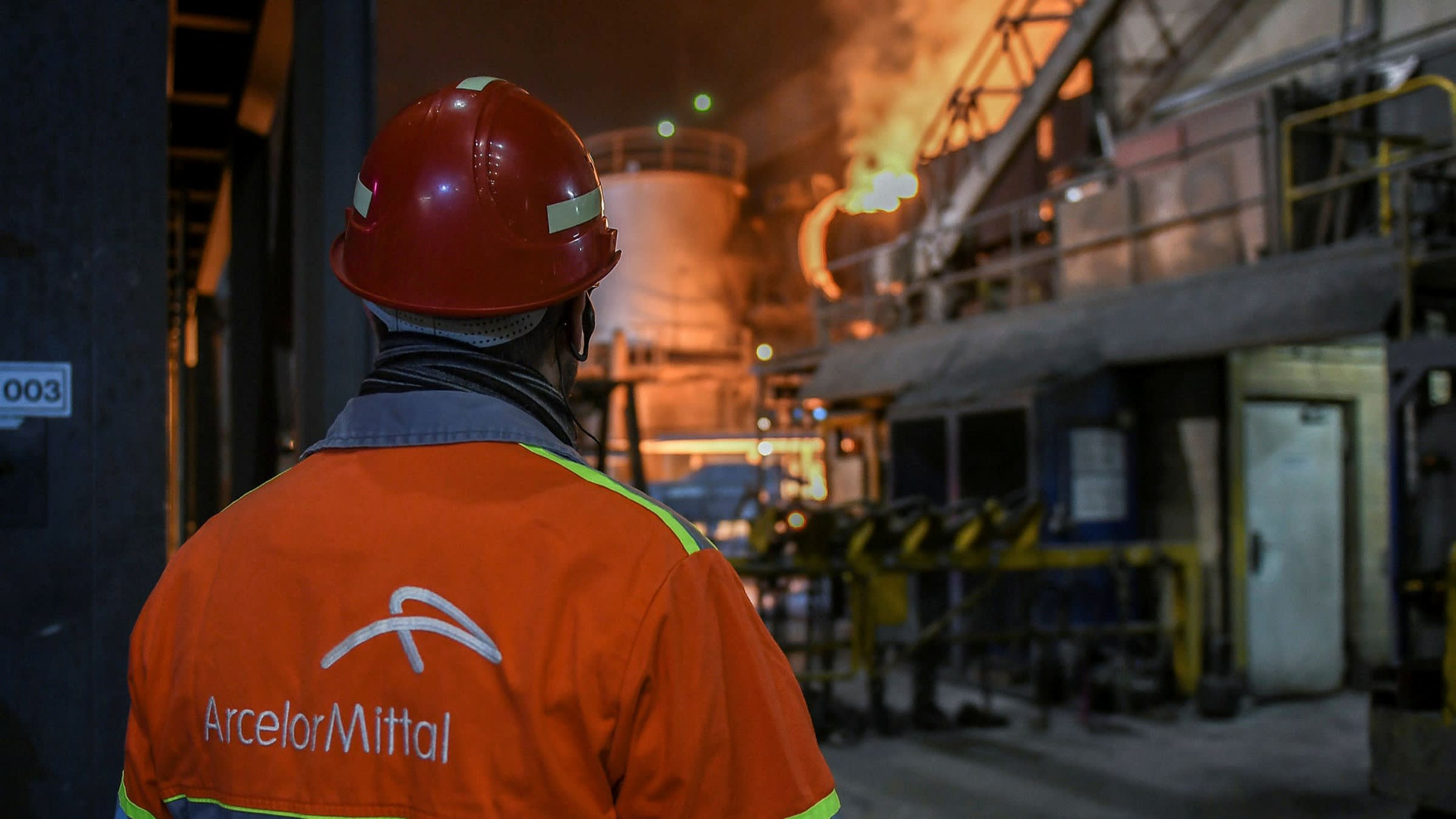
ArcelorMittal plans high 2021 production rate at Gijón
ArcelorMittal has communicated to trade unions in Spain that its integrated site located in the north of the country is expected to have a high production rate during the first half of 2021, Kallanish learns from trade unions sources.
In recent days the company’s management and unions held a number of meetings to put an end to the ongoing labour conflicts at the plant. The company is planning to somewhat reduce the workforce at its rail and wire rod units in Gijón; after months of conflict, unions agreed to the latest proposal presented by the company.
It is understood the two blast furnaces at the integrated site in Gijón will now continue to operate at high rates during the first six months of 2021, supported by improving demand in Europe. One blast furnace in Gijón was halted temporarily earlier this year in response to the slump in demand connected to the Covid-19 pandemic; it was then restarted in September.
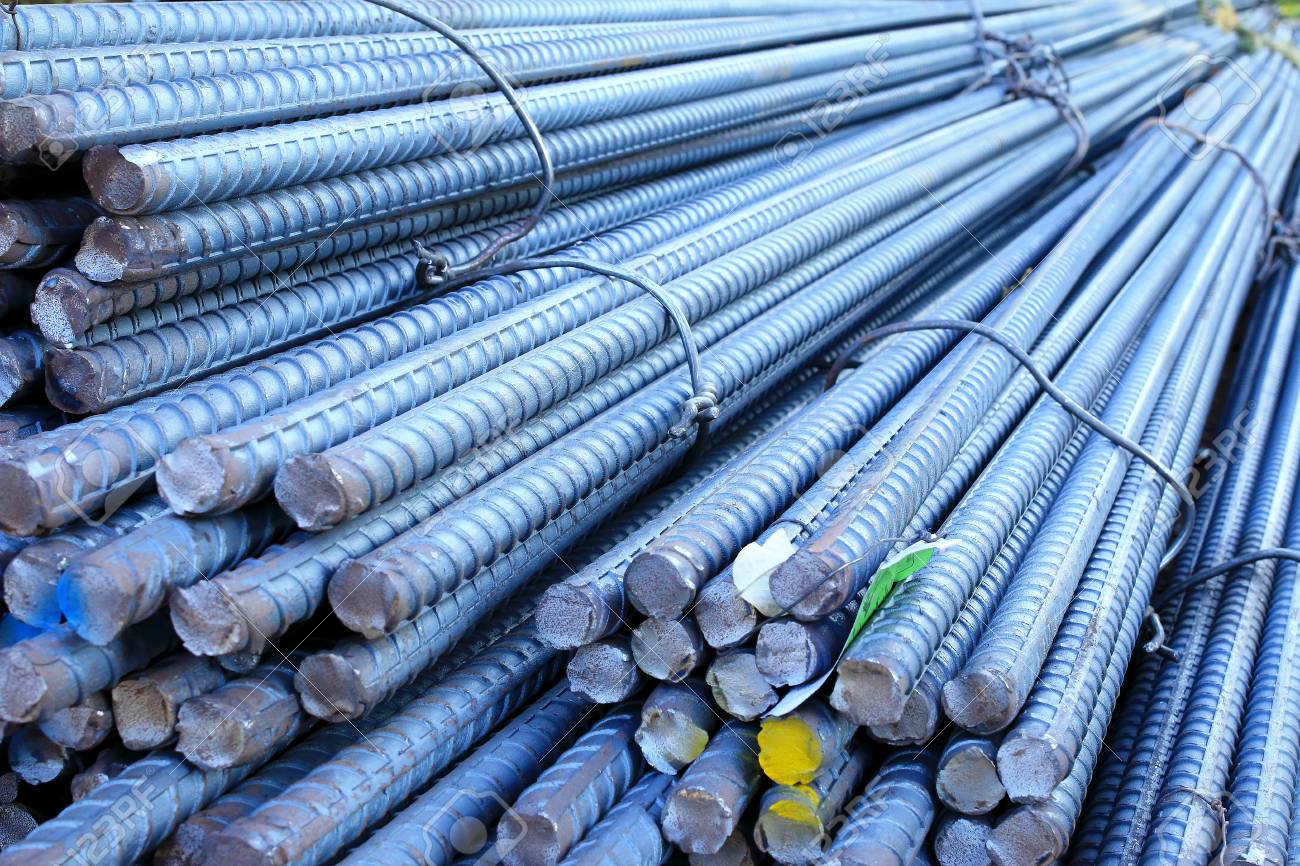
German rebar mills take winter break
With rebar prices gaining critical momentum, mills in Germany are still taking their traditional winter break, some for longer than others.
Riva’s two mills, Hennigsdorf near Berlin and in Brandenburg city, will stop producing for two weeks, basically like any other year, Kallanish hears from a source there.
Another Italian-owned mill, Feralpi’s Elektro-Stahlwerke Riesa (ESW), will disappear from the busy market for as much as four weeks, also a regular winter break length for that mill. According to a statement on its website, the break will be used for maintenance work that involves third parties, which requires a longer period. “The production facilities need their time to cool down, before we can start repairs with other companies,” says managing director Christian Dohr.
A source at Badische Stahlwerke says the policy of each mill dictates whether it takes a short or long break, and that this decision does not necessarily reflect market movement. Badische recently decided to confine itself to a short break and postpone an electric arc furnace modernisation (see separate story).
ESW, furthermore, emphasises that it recently had an environmental audit carried out, for which it received the EMAS label, which it has received annually since 2012. It claims it is one of two German mills to do so on a yearly basis.
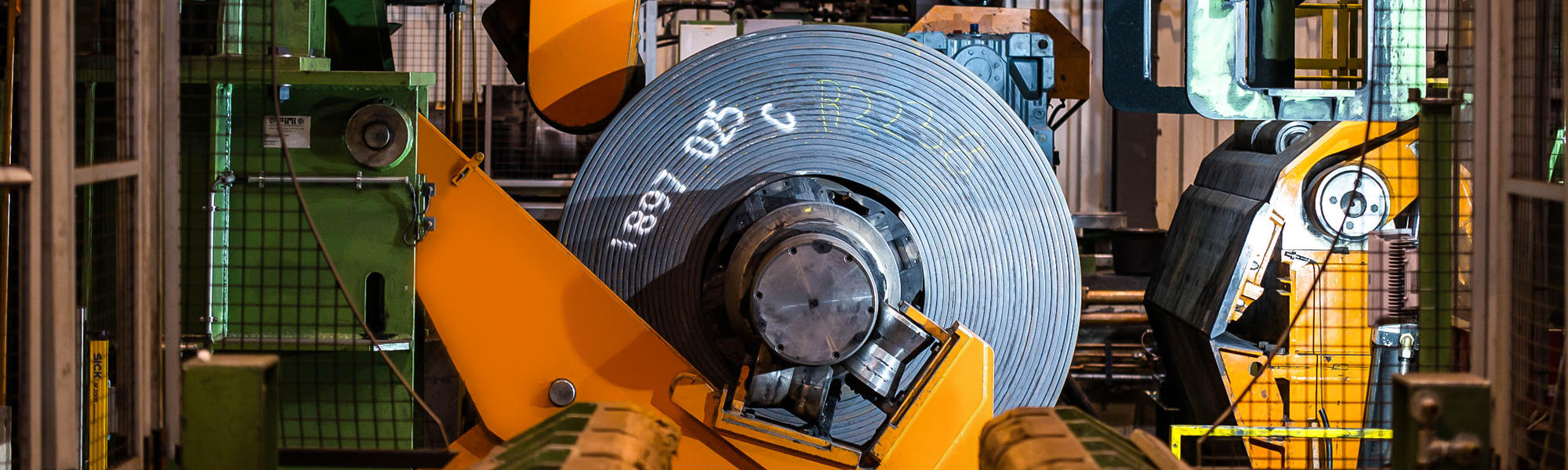
Italian service centres enjoy strong demand
Italian service centres are enjoying unprecedented demand from the appliances sector, as well as the automotive industry which is ordering at pre-Covid-19 levels. The market, however, remains complicated due to the short supply of coils and the rapid price uptrend, Kallanish learns from market sources.
Demand from the appliances sector is more than double on-year, but spot contract buyers are trying to resist the steep price hikes. While service centres are improving their margins, they are having a hard time following the increases, as well as finding supply. When they can, they renegotiate contracts already signed months ago to slightly adapt their values.
The service centres who are well stocked are working at good levels and benefitting from the price rally as they are successfully passing on the increases to their customers. Some, however, are beginning to doubt that demand from the automotive sector will remain at current levels in the new year once stocks at European carmakers are replenished.
Cold rolled and hot-dip galvanized coil contracts this week are between €740-750/tonne base ex-works. Hot rolled coil values are at €650/t ($791) base ex-works in transactions. Local coil producers, however, are not quoting or quoting only for limited quantities, sources say. In January producers are expected to push up prices for HRC to €700/t base ex-works and €800/t each for CRC and HDG, sources say.

EU-UK confirm trade and cooperation agreement

The EU and UK have confirmed a comprehensive trade agreement that will allow both sides to avoid a major disturbance following the end of the Brexit transition period on 31 December.
“It’s fair and a balanced deal,” European Commission president Ursula von der Leyen said. “It’s the right and responsible thing to do for both sides.”
UK prime minister Boris Johnson echoed the sentiment. “We can do fantastic things with this treaty,” he said. The deal also had “good” language about equivalence of financial services, Johnson said, “but not as much as we like”.
Von der Leyen said there was the possibility of EU action if the UK does not adhere to the agreement, notably with respect to fair competition.
“If they do not want to follow the rules, then there will be quotas and tariffs,” Von der Leyen said. But she said that the EU and UK will still co-operate in major fields and specifically mentioned energy and climate change.
The agreement also provides a new model for trading and interconnectivity, as well as guarantees for competition, offshore safety standards, renewables and a legally enforceable commitment on carbon pricing.
The commission will propose application of the agreement on a provisional basis until 28 February 2021. But the EU’s council of ministers will need to unanimously adopt a decision to authorise provisional application as of 1 January 2021.
The UK’s parliament will have to be recalled to vote on the agreement before the end of the Brexit transition period on 31 December.
Members of the European Parliament have expressed concern about practical difficulties in approving provisional application of the deal before formal approval.
Belgian Philippe Lamberts, member of the European Parliament’s Brexit co-ordination group, said the devil is in the detail. “We insist that the European Parliament is given the proper time to scrutinise and potentially ratify such a wide-ranging deal,” Lamberts said.
By Dafydd ab Iago