

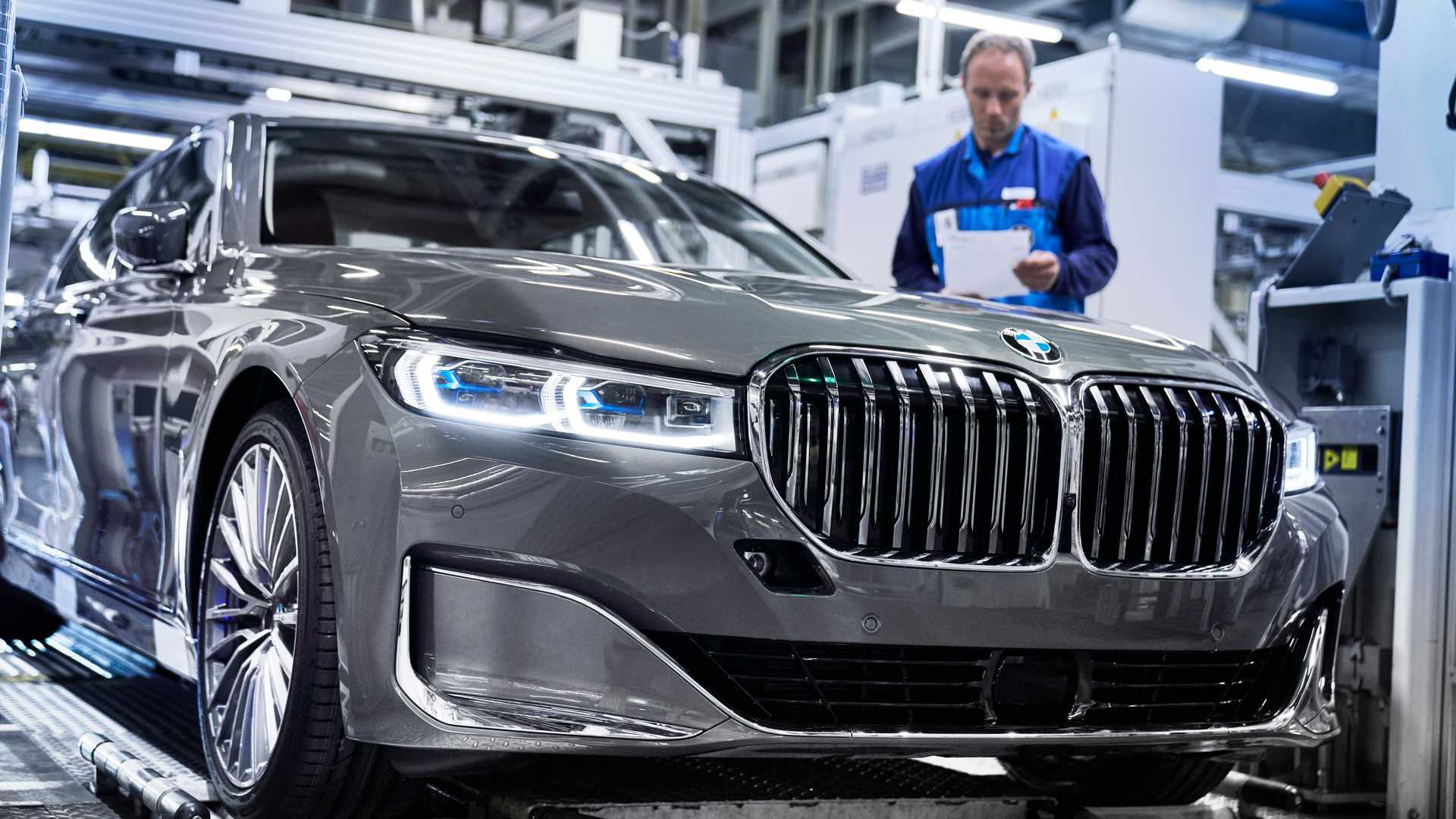
Zulieferer und Automobilhersteller bekommen keinen Stahl
Stahl – vor allem Flachstahl – ist Mangelware. Knapp 90 Prozent der Zulieferer haben Beschaffungsprobleme. Das zeigen erste Ergebnisse einer Blitzumfrage des Industrieverbandes Blechumformung (IBU) vor Weihnachten. Ein Auslöser ist die unterschiedliche Entwicklung von Stahlangebot und -nachfrage. Hinzu kommt, dass Einfuhrbeschränkungen das Ausweichen auf Stahl aus Drittländern erschweren. Der IBU ist alarmiert: „Dieser Versorgungsengpass gefährdet den Erholungsprozess bei Zulieferern und Automobilherstellern“, fürchtet Geschäftsführer Bernhard Jacobs. „Auf die Pandemiekrise folgt die Beschaffungskrise. Die Marktversorgung in Europa muss Vorrang haben vor Anti-Dumping-Maßnahmen und politisch motivierten Importbeschränkungen.“
Dramatische Versorgungslage bedroht Lieferfähigkeit
Die Beschaffungsprobleme betreffen sowohl planmäßig bestellte Mengen als auch Mehrbedarfe. Laut Umfrage haben 86 Prozent der Unternehmen Versorgungsprobleme beim Stahleinkauf über Servicecenter. Auf Platz zwei folgt der Direktbezug bei Stahlherstellern. Wobei auch die Servicecenter naturgemäß vom Hersteller abhängen. Beide Bezugsquellen konfrontieren verarbeitende Unternehmen zurzeit mit Lieferzeiten bis weit ins neue Jahr. Manche bieten Jahresverträge gar nicht mehr an. Als Folge befürchten laut IBU-Erhebung über 70 Prozent der Mitglieder Produktionsunterbrechungen im ersten Quartal 2021. 96 Prozent sehen durch die dramatische Versorgungslage ihre Lieferfähigkeit bedroht. „Teilweise müssen sie bereits jetzt Mengen reduzieren, weil das Vormaterial fehlt. Zusätzlicher Bedarf ist gar nicht oder nur unter größten Mühen zu decken“, unterstreicht Jacobs.
Hohe Preise
Parallel dazu erleben Einkäufer massive Preisaufschläge. Auch im Vertragsgeschäft ist die Rede von deutlichen Erhöhungen. Gut die Hälfte der Preisverhandlungen ist bereits gelaufen.
„Das hat niemand kommen sehen: Am Ende eines Stahljahres, das lange unter dem Vorzeichen einer großen Krise stand, zeigen die Märkte eine fulminante Aufwärtsbewegung. Stahl- und Rohstoffpreise haben inzwischen nicht nur das Vor-Corona-Niveau übertroffen, sondern langjährige oder sogar historische Höchststände erreicht“, registriert auch Andreas Schneider von Stahlmarkt Consult.
EU-Stahlangebot wächst langsamer als Nachfrage
Ein Grund: Das europäische Stahlangebot wächst langsamer als die Nachfrage. Dazu Andreas Schneider: „Kern der Entwicklung ist, dass die im Sommer vorherrschende Erwartung einer nur zögerlichen Erholung der Industrie und des Welthandels von der tatsächlichen Entwicklung überholt worden ist.“ Produzenten haben die Hochöfen nicht parallel zum Bedarfsanstieg hochgefahren.
Importprobleme verhindern Beschaffung aus Drittländern
Einfuhren aus Drittländern könnten dem Mangel entgegenwirken. Aber da wirken Barrieren – über 60 Prozent der Befragten sind der Meinung, dass geltende EU-Importbeschränkungen das Versorgungsproblem verstärken. Als Folge erwarten Experten für 2020 die schwächsten Einfuhrzahlen seit 2015. Aktuell steht die EU kurz davor, neue Zölle gegen Stahleinfuhren aus der Türkei zu verhängen. Diese gewollte Abschottung schützt europäische Stahlproduzenten und belastet wiederum die Stahlverarbeiter, die auf das Vormaterial angewiesen sind.
„Können es uns nicht leisten, Positivtrend zu gefährden“
Der IBU macht nun mit Nachdruck auf diese gravierenden Beschaffungsprobleme der Stahlverarbeiter aufmerksam. Und regt erneut an, Einfuhrbeschränkungen zu hinterfragen: „Unsere Mitglieder sehen gerade ein paar Lichtblicke. Wir können es uns jetzt nicht leisten, diesen Positivtrend durch einen Materialengpass zu gefährden.“
Quelle: Industrieverband Blechumformung / Foto: marketSTEEL
29.12.2020 von Hubert Hunscheidt


Turkey starts dumping investigation against HRC imports from EU
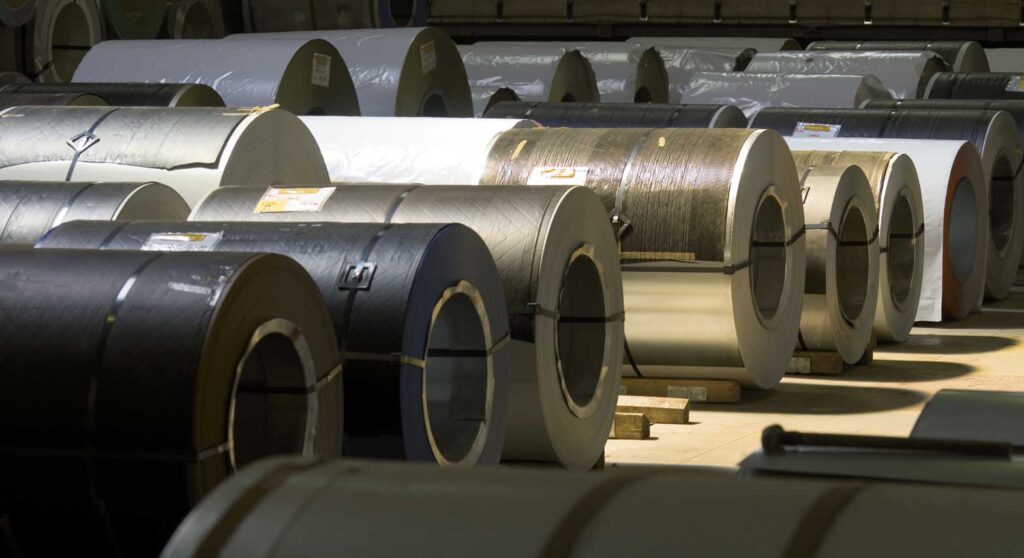
Turkish Trade Ministry informed the EC that it has started a dumping investigation against hot-rolled coil imports from the EU region, S&P Global Platts learned from a Turkish industry executive Dec. 25.
“Turkish Trade Ministry accepted our request in this regard and started a dumping investigation at the end of last week on imports of HRC to Turkey from the EU region, as a counter measure against EU’s imposition of trade barriers on Turkish steel,” the source said.
The EC announced Dec. 17 that it decided to impose an anti-dumping duty of 4.8%-7.6% on imports of Turkish HRC, as S&P Global Platts has reported. The duties will be imposed on a provisional basis on Jan. 14, 2021 and will be valid for six months. Definitive duties are scheduled to be set by July 13, 2021.
A spokesman for the EC had no immediate comment on the current situation when contacted by S&P Global Platts Dec 28.
After becoming a net HRC exporter in 2018, with the support of strong European demand, especially from southern Europe, Turkey’s HRC imports exceeded export volumes in 2019, as trade barriers restricted Turkish exports, especially to the EU following the introduction of tariff-rate quotas.
The latest anti-dumping duties are expected to further limit Turkish mills’ HRC exports to the EU, which already declined notably due to quotas.
Turkish steel producers have called upon the Turkish government to impose similar counter measures on steel imports from the EU and Turkey informed the World Trade Organization (WTO) in May that custom duties could be imposed on steel imports from the EU.
Turkish mills imported around 1.3 million mt of HRC from the EU region in the first ten months of 2020, relatively flat on year, according to Platts’ calculations from the latest Turkish Statistical Institute (TUIK) data.
— Cenk Can

UK, Turkey set to sign trade accord embracing steel, automotive sectors
The UK is set to sign a trade agreement with Turkey Dec. 29 aimed at ensuring the tariff-free flow of goods and protecting vital UK-Turkey supply chains in the automotive, manufacturing and steel industries, sources close to the UK Department for International Trade told S&P Global Platts Dec. 28.
The agreement will be “significant” for both countries and will secure preferential tariffs for the 7,600 UK businesses that exported goods to Turkey in 2019, the UK government sources said.
“The deal we expect to sign this week locks in tariff-free trading arrangements and will help support our trading relationship, worth £18.6 billion last year,” Liz Truss, the UK’s International Trade Secretary, said in a statement. ”It will provide certainty for thousands of jobs across the UK in the manufacturing, automotive and steel industries. We now look forward to working with Turkey towards an ambitious tailor-made UK-Turkey trade agreement in the near future, as we aim to open new global markets.”
Turkish steel sources told Platts they hoped the accord would correct Turkey’s steel trade deficit with the UK. International steel trade sources Dec. 28 questioned what stance the UK would now take to the European Union’s provisional antidumping duties to be imposed next month on imports into the EU of hot-rolled coils from Turkey, given that the UK on Sept. 30 introduced its own steel-import safeguards system, based on the methodology of the EU system, ahead of the end of its transition period to exit the EU on Dec. 31.
DIT said the new UK-Turkey deal is the fifth biggest deal it has negotiated – after deals with Japan, Canada, Switzerland and Norway.
The signing of the accord is subject to European Union approval on Turkey’s side, which is expected to be a formality, the UK sources added. This will be the first new trade accord to be signed by the UK since it reached a trade agreement with the EU on Dec. 24, days before the end of its Brexit transition period.
Preparations for the signing of a free trade agreement between the UK and Turkey were at a final stage, the Turkish Foreign Ministry said Dec. 25.
Turkey seeks to correct steel trade deficit
Veysel Yayan, general secretary of the Turkish Steel Producers’ Association, said Dec. 28 the association “hopes that the trade deal will remove the imbalances in steel trade between the two countries, as Turkey faced trade deficit in steel trade with the UK in the six of the last 10 years.”
The UK is Turkey’s second largest trading partner following Germany in general terms. This week’s trade deal is expected to improve trade relations between the countries by removing the uncertainties after Brexit, Turkish steel industry sources said.
Turkish mills imported 122,100 mt of hot-rolled coil from the UK in the first 10 months of 2020, up 12% on year, while Turkish mills’ HRC exports to the UK fell by as much as 87% on year to just 7,000 mt, Turkish Statistical Institute data showed.
Turkish mills’ coated coil exports to the UK also fell significantly in the same period: by 78% on year to 22,300 mt, while mills’ pipe exports to the UK fell sharply by 40% on year in that period to 97,300 mt.
Turkish mills’ rebar exports to the UK totaled 13,300 mt in January-October 2020, sharply down from the 83,400 mt exported in the same period of the previous year, the data showed.
The UK is one of Turkey’s largest scrap suppliers. Turkish mills imported 1.85 million mt of UK scrap to Turkey in the first 10 months of 2020, up 4% on year.
— Diana Kinch and Cenk Can