

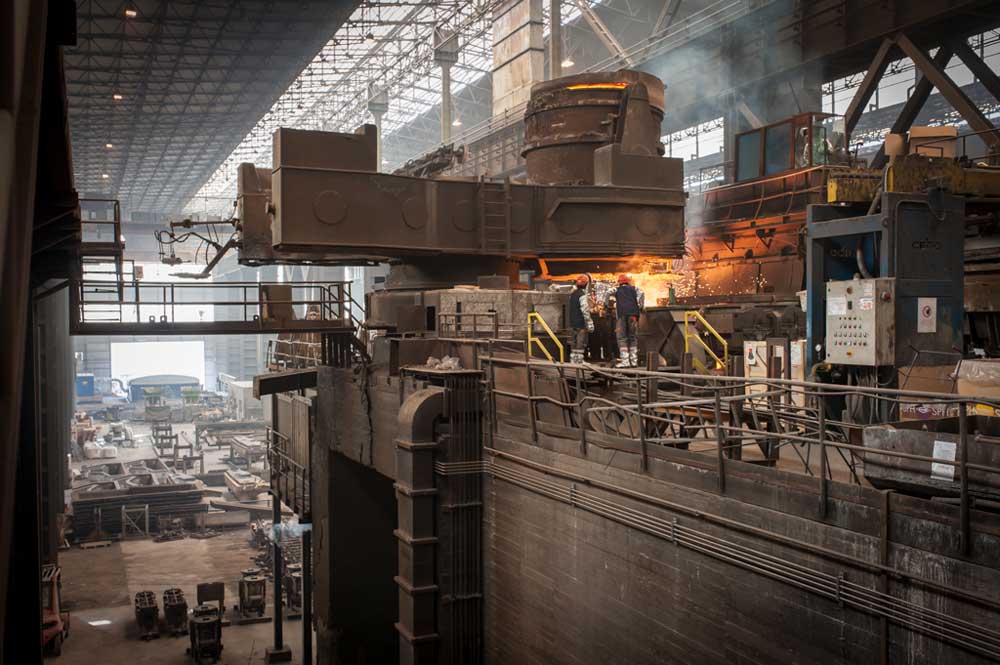
Russian, Ukrainian steel companies remain resilient: Fitch
The Covid-19 pandemic has demonstrated that a company’s cost position is among the key factors for through-the-cycle competitiveness, with Russian steelmakers in a strong position, Fitch Ratings says.
“Leading cost positions of Russian steel producers has allowed them to sustain sales volumes and reasonable cash flow generation during lockdowns by enabling them to redistribute sales to exports, despite a drop in demand and prices,” the agency comments in a report seen by Kallanish.
Steel producers in Ukraine have higher costs than those in Russia but are competitive on export markets and benefit from their proximity to seaports, it adds.
Russian and Ukrainian steel companies rated by Fitch entered 2020 with comfortable financial metrics, leverage among the lowest compared to global peers, and high margins due to integration in raw materials. The companies also revised their capital expenditure and dividend pay-outs at the outbreak of the pandemic.
“We therefore expect only a short-term spike in leverage, returning to a comfortable level in 2021,” Fitch says. “We anticipate that earnings will remain below pre-pandemic levels as it will take longer for steel demand to recover despite the current upswing driven by low inventories and strong demand in China.”
Russian and Ukrainian companies generally score relatively low on diversification and share of high-value-added products because more than half of the production mix consists of commoditised types of steel, with the exception of dedicated pipe producers, the agency observes.
Fitch foresees, as steel markets remain structurally oversupplied and face weak demand growth, protectionist measures could intensify and affect exports of Russian producers and more export-oriented Ukrainian mills.
“A medium-term risk for steel exporters is the EU’s introduction of a carbon border tariff, which will affect most regional steel producers as they use carbon-intensive steelmaking and lack the emission-reduction plans of their European peers,” it concludes.

Iron ore prices fall as China stalls
Seaborne iron ore prices tumbled $7.30/dmt on the week on weaker steel prices in China and a bearish outlook for downstream demand in the winter.
S&P Global Platts 62% IODEX closed at $159.20/dmt CFR North China on Dec. 31, down $7.30/dmt from Dec. 24.
The drop in temperature across China came later than usual, but Chinese market participants saw their ferrous market eventually enter a seasonal demand lull as end-user procurement slowed.
“Pig iron production and raw material usage will see a decrease as mills no longer need to catch up on output, there is limited support for another price uptick for iron ore amid the incoming cold wave,” said the procurement source.
Seaborne liquidity recovered slightly later in the week with a narrowed price gap between seaborne and port stock transactions. However, prices remained under pressure due to the clouded outlook for post-Chinese New Year demand.
Meanwhile, some market participants remained optimistic of a near-term demand increase on the back of restocking activities before the Chinese New Year holidays, and “potential weather impact in Q1 and blast furnace capacity replacement might still provide some support to prices,” an end-user source said.
While medium- to high-grade fines remained in demand to sustain production stability, steelmakers were considering the feasibility of utilizing more low grade-materials with cost-considerations taking precedence over production efficiency amid thinning steel margins.
Lump premium rebounded strongly on improving interest for both seaborne cargoes and mainstream port stocks. The limited supply and high cost of pellet cargoes also encouraged steelmakers to use more lump instead.
S&P Global Platts assessed the spot lump premium at 18 cents/dmtu on Dec. 31, up 5 cents/dmtu from Dec. 24.

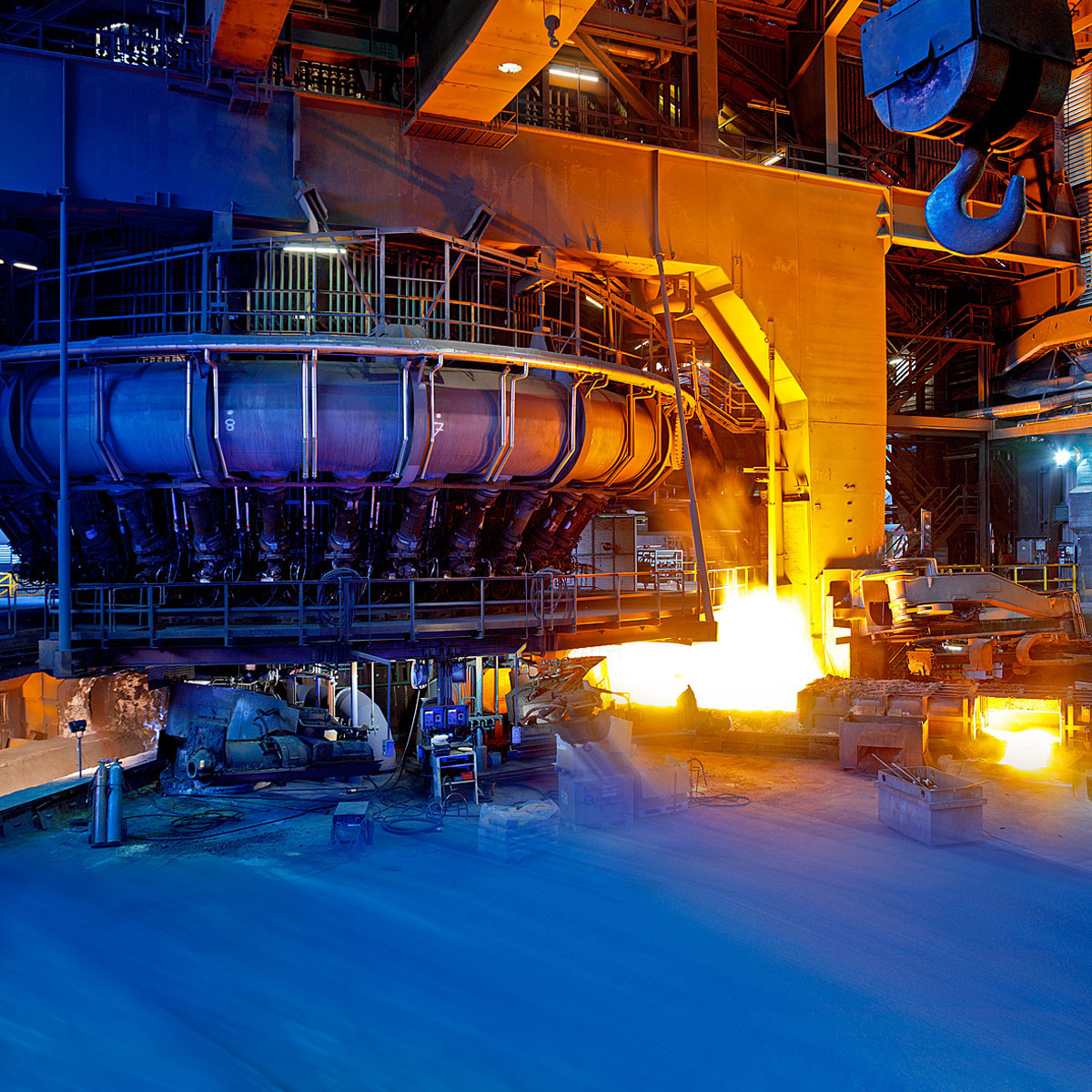
Asia metallurgical coal prices edge higher
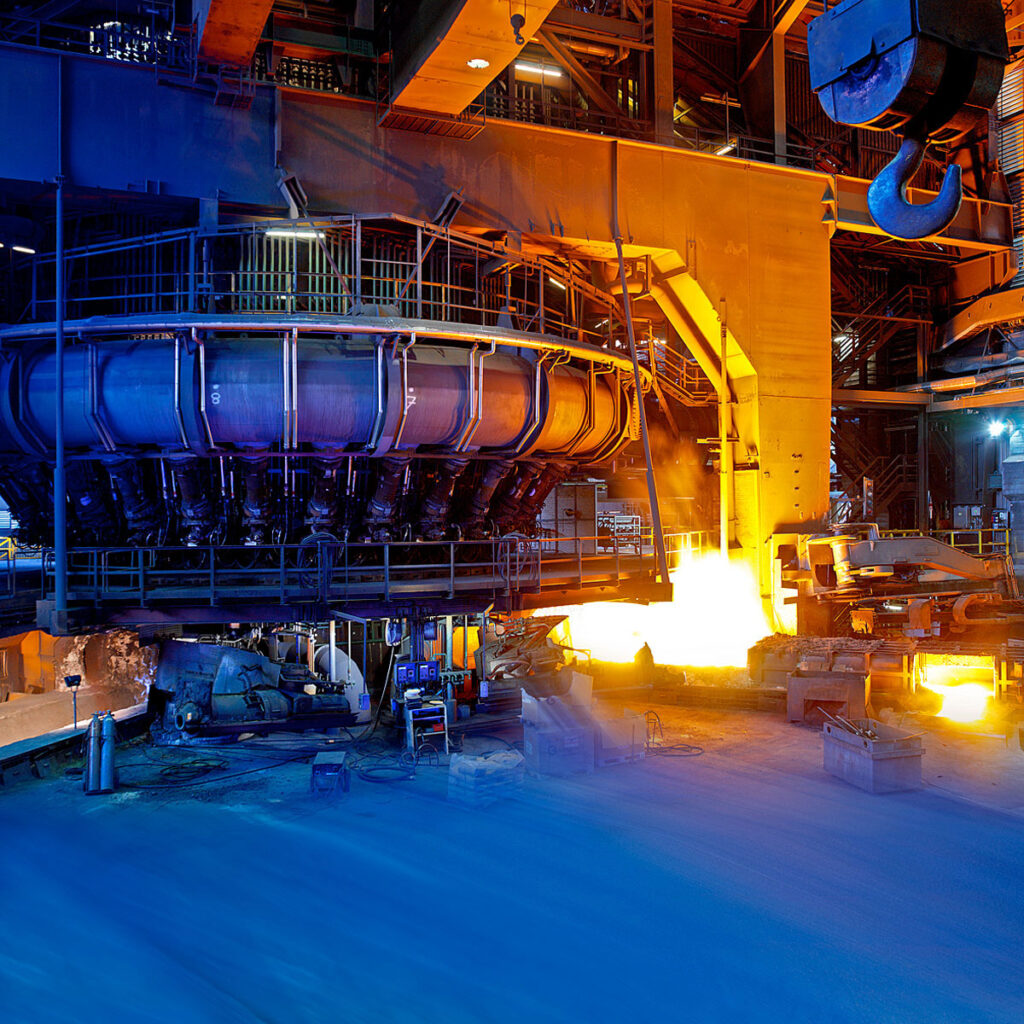
Asia-Pacific metallurgical coal prices to China moved slightly higher on firm expectations while the FOB market continued to see active trading for competitively priced premium coals.
S&P Global Platts assessed Premium Low-Vol HCC up $1/mt on week at $102.50/mt FOB Australia Dec. 31, while delivered prices to China were up $1/mt to $202.00/mt CFR China.
In China, trading activity was thin but near-term expectation was firm on limited availabilities of spot tonnages from non-Australian suppliers. Market participants said that tight supply of domestic and Mongolian coals as well as restocking demand might keep prices supported.
In the coke segment, Chinese domestic steelmakers accepted an 11th round of price increases by Yuan 100/mt, sources said, bringing the total increase to Yuan 600/mt. Market participants said that the upward momentum was expected to continue in Q1 2021.
High steel production rates are expected to leads to firm demand for coke, while production cuts cause supply shortages. This imbalance in demand-supply dynamics has supported a surge in coke prices, and the tightness will only ease when new capacity is implemented and able to run at high rates, an industry source said.
In the ex-China market, buying interest was seen for competitively priced premium coking coal materials. However, prices were still hovering around $100/mt FOB Australia as market fundamentals remained largely unchanged, market sources said.
Global scrap markets remain strong to end the year
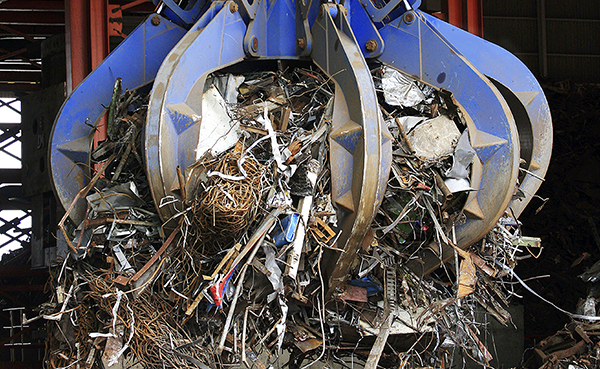
The rate of increase in deepsea Turkish import scrap prices slowed over the week to Dec. 31, amid the usual holiday slowdown, with deepsea scrap exporters expected to wait for domestic settlements in the US and EU markets for January contracts before offering into Turkey.
Recyclers are expecting the Turkish import scrap market to remain firm in January, with some targeting $480-$490/mt CFR for premium HMS 1/2 (80:20) in the near-term. S&P Global Platts assessed Turkish imports of premium heavy melting scrap 1/2 (80:20) at $477.50/mt CFR on Dec. 31, up $2.50/mt on week.
The January buy week is set to kick off early the week of Jan 4 in the US. Prices on all grades are once again expected to jump, with predictions ranging from up $60/lt to up $100/lt from December pricing. In addition to the strength in export markets, mill demand remains strong as domestic US finished steel prices are at historically high levels and mills have extended lead times on full orderbooks.
The Japanese scrap market dipped for the first time in 13 weeks, as some sellers were heard showing interest to lock in profits on on-hand cargoes.
Offers for H2 scrap to Vietnam were heard at $460/mt CFR Taiwan mid-week, down from a range of $470-$475/mt CFR the week prior.
Tradable levels for H2 cargoes to South Korea were cited flat on week, at Yen 44,000-44,500/mt FOB ($425-$430/mt) Dec. 24.
Meanwhile, containerized scrap prices held flat, with HMS I/II 80:20 tradable values cited at $445-$450/mt CFR Dec. 24, unchanged on the week.
While general sentiment remained firm, some regional trading sources began shifting expectations towards a softer one, as they noted seeing signs of “exhaustion” from buyers regarding the multi-year high prices of scrap.
Workable Indian import prices for containerized shred material continued to rise, but trading sources cited concerns over the sustainability of record high prices, sources said. Platts assessed India import containerized shredded scrap at $470/mt CFR Nhava Sheva Dec. 31, up $20/mt on the week to reach a new record high since the assessment was launched in December 2014.

Benteler secures financing for restructuring
Benteler group says it has reached an agreement with its financing partners and shareholders over a refinancing scheme running until the end of 2024.
The tubemaker and automotive supplier with headquarters in Austria and Germany is currently involved in the development of various new electric vehicles and has secured new strategic orders this year. The company is already mass-producing battery trays for electric vehicles for many well-known automobile manufacturers.
“With the successful signing of the refinancing agreement at the end of the year we sent a clear signal that our restructuring programme is taking effect,” Kallanish hears from chief executive Ralf Göttel.
He emphasises that Benteler recognised the trend towards e-mobility early on and has been active in this field for over ten years. The company has brought these competencies together in a business unit that offers customers services along the entire value chain.
Among other things, Benteler struck an alliance this year with automotive supplier Pininfarina to supplement its partnership with Bosch. Also, it expanded the plant in Schwandorf, Germany, to produce battery trays for a German car manufacturer.
German steel production continues rebound in November
Around 3.4 million tonnes of crude steel were produced in Germany in November, 15% more than in November 2019, according to the monthly statistics of steel federation WV Stahl.
The increases were virtually equal for oxygen-route mills and for electric arc furnace-based mills, Kallanish observes. Throughout most of the year, oxygen-route steel, often used in automotive, had lagged behind long products made at EAF mills, but the restart of blast furnaces has contributed to its recovery.
November was the second month in succession that production rose on-year. However, the increase of 15% year-on-year must be seen against the backdrop of exceptionally weak production in November 2019, the federation notes.
January-November output remained heavily marked by the coronavirus crisis: crude steel production sank by close to -12% compared to the same period last year. After 2009, 2020 will in all probability be the weakest year for production since German reunification, WV Stahl notes.
Southeast Europe’s steel output rebounds on-month
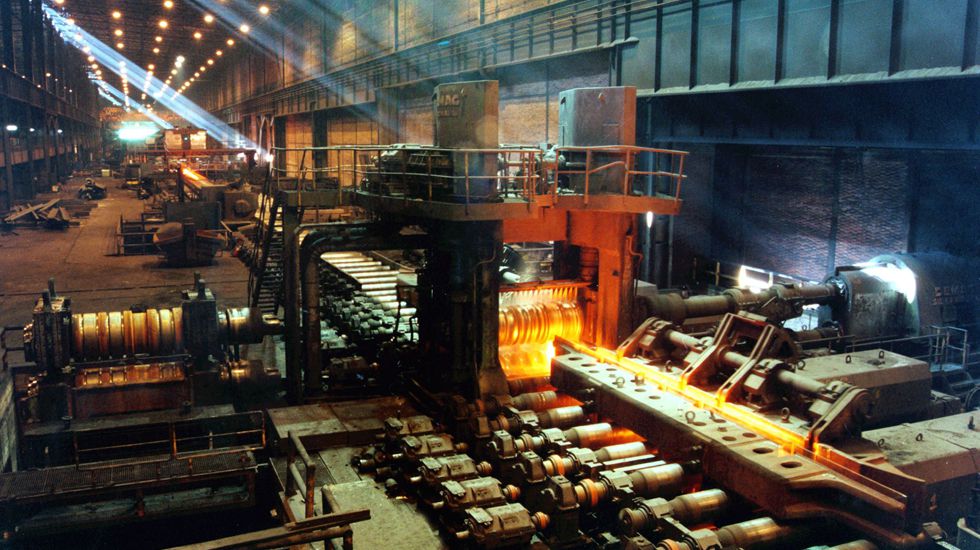
Southeast Europe (SEE) crude steel production continued to decrease in January-November, according to the latest worldsteel data monitored by Kallanish. Regional output amounted to 3.165 million tonnes, down by -21.4% year-on-year.
In January-October, regional production had fallen -24.2% on-year to 2.874mt.
Serbia was again the largest steel producer among the seven countries of SEE, which also include Bulgaria, Croatia, Slovenia, Bosnia, North Macedonia and Moldova.
Serbia’s production of crude steel totalled 1.337mt in January-November, down by -24.5%.
The second-largest producer in the region was again Slovenia, whose crude steel output fell -11.8% to 519,000t.
Third-largest steel producer Bosnia and Herzegovina saw production of 465,000t, down by -36.3%.
Fourth-largest Bulgaria saw its crude steel output down by -15.3% to 443,000t.
However, the fifth-largest steel producer, Moldova, produced 401,000t, up by 12.4% y-o-y.
Swiss Steel’s capital increase faces opposition
The majority of Swiss Steel’s shareholders have approved the proposal for an ordinary increase of share capital, Kallanish learns from the steelmaker.
The proceeds of around €200 million ($246m) from the increase will be used to strengthen the equity of the group and to improve its existing financing and credit terms, it says.
The capital will be lifted from around CHF 304m ($344m) currently to CHF 459m through the issuance of slightly more than 1 million new registered shares with a par value of CHF 0.15 each. Some 67% of the shareholder capital represented gave their approval to the plan.
Reportedly, the plan was tabled by main stakeholder Martin Haefner who owns BigPoint Holding AG. Heafner has committed to buy all shares not taken up by other shareholders at the minimum price of CHF 0.21.
Shortly after the announcement, Swiss Steel’s second-largest stakeholder, Liwet Holding of Russian billionaire Viktor Vekselberg, filed to block the capital increase at the regional commercial register office.
In a reaction statement, Swiss Steel says that Liwet Holding’s action lacks any basis and is contrary to the interests of Swiss Steel and its other shareholders and employees. The company maintains that it will defend itself with all appropriate legal remedies against “…the irresponsible actions of Liwet Holding AG and its representatives.”

Eurometal says Brexit deal ‘great relief’ for distribution

European distributors’ association Eurometal says the signing of a Brexit deal between the UK and EU is good news for the distribution sector.
The deal was agreed and signed towards the end of December following months of negotiations after the UK formally left the EU on 31 January 2020.
“Eurometal welcomes the vital deal reached in the negotiations on the future of post-Brexit relations between the United Kingdom and the European Union. We believe that this tariff-free deal is a great relief for global steel distribution that avoided the catastrophic effect of a no-deal Brexit,” Eurometal director general Daniel Guinabert says in a note seen by Kallanish.
At the Kallanish Europe Steel Markets 2020 virtual conference last month Guinabert said the distribution sector ought to think about new models in their businesses, meaning tools like automation and digitalisation. This is in order to be prepared for sudden changes in demand, as has been seen during the Covid-19 pandemic.