

Italian construction grows slowly
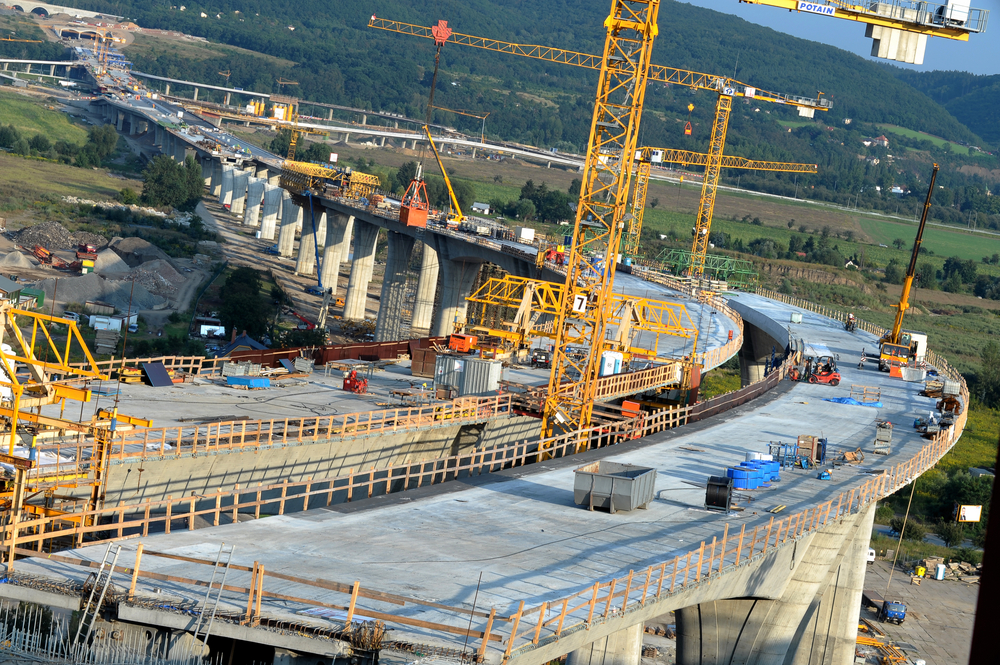
Italian construction sector output decreased in October 2020 by -1.8% on-month, according to a National Institute of Statistics (Istat) report monitored by Kallanish. However, in the year-on-year comparison construction output ticked up by 1.6%.
In August-October construction output also increased, by 13.6% compared with the previous three-month period. However, it decreased by -10.5% y-o-y in the ten months through October, Istat says.
Meanwhile, the country’s industrial production increased by 1.3% month-on-month in October and by 11.7% in August-October compared to the previous three months, Istat adds.


UK car production decline eases in November

UK car production declined -1.4% on-year in November to 106,243 units, according to Society of Motor Manufacturers and Traders (SMMT) figures. Although a better on-year performance than many other months in 2020, November 2019 output was hampered by precautionary factory shutdowns in anticipation of a potential ‘no deal’ Brexit.
“Many of the factors present throughout much of 2020 conspired to dampen domestic orders, not least a second national lockdown in England and subsequent economic and political turbulence,” SMMT says in a note seen by Kallanish.
Export volumes inched up 0.3%, boosted by shipments to key markets in the EU, Asia and the US.
In January-November UK car output fell -31% on-year to 849,246 units. This puts the industry on course to produce fewer than 1 million cars this year for only the second time since the early 1980s.
German government launches promotion of green steel
Germany’s environment ministry launched in December its “Decarbonisation of Industries” support programme, which aims to reduce emissions that go with industrial production processes.
The programme is part of the government’s Climate Protection Plans 2030 and 2050, and amounts to €1 billion ($1.23 billion) that will be distributed to different purposes until the end of 2023.
In this context, the ministry staged a dialogue with representatives of the steel, cement, lime, chemicals and nonferrous metals industries last month. As part of the digital event, the German Hydrogen and Fuel Cell Association presented its project entitled “Innovation Cluster Hydrogen Steel (HySteel) – low-emission steel production with green hydrogen”.
The aim of the project is to create an innovation platform for building a hydrogen economy in Germany in order to advance the production of “green” steel. It will receive around €400,000 in support from the environment ministry, Kallanish learns from a statement.
“Coking coal is out of time,” state secretary Jochen Flasbarth said. “The steel industry urgently needs green hydrogen based on renewable energies to be able to produce steel without harmful climate gases. HySteel brings together for the first time players along the entire value chain.” This network will include steelmakers, electrolysis operators, renewable electricity providers, grid operators and research institutes.
One project along these lines is Salzgitter’s Pro DRI, which earlier last year already received support of €5 million until end-2023 from the federal research ministry.
GFG Alliance finalizes TEMCO purchase
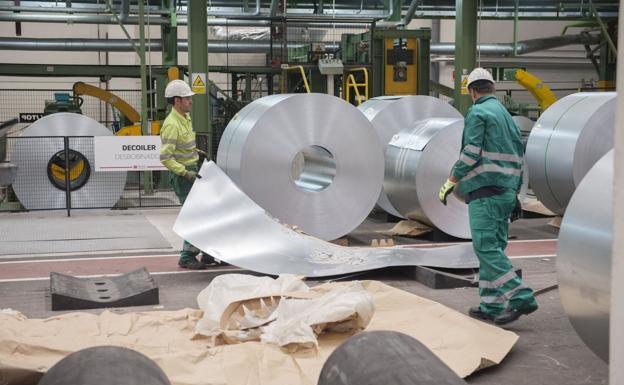
UK-based steel, aluminum and renewable energy group GFG Alliance has completed the purchase of the hydro energy-powered Tasmanian Electro Metallurgical Company (TEMCO) smelter in Bell Bay in northern Tasmania, the group said Jan. 5.
TEMCO will now join Liberty Steel Group as part of the GFG Alliance.
The TEMCO facility has four submerged arc furnaces, including a sinter plant, and has the capacity to produce around 150,000 mt/year of high carbon ferromanganese and 120,000 mt/year of silicomanganese used in the production of steel, the group said.
Purchasing both the hydro-powered TEMCO ferromanganese and silicomanganese business in Tasmania from an entity owned by South32 and Anglo American to augment its supply chain, and the Ascoval and Hayange steel assets in France, formerly owned by British Steel, the group will look to directly implement its GREENSTEEL vision in Europe.
GFG Alliance Executive Chairman Sanjeev Gupta said in a statement that the acquisition will play a key role in enhancing Liberty’s ambition to be self-sufficient in the supply chain.
“When we entered into the agreement in August, I flagged that our investment in key inputs such as ferromanganese and silicomanganese would generate supply chain value to ensure a sustainable and globally competitive steel manufacturing sector,” Gupta said. “This acquisition is an upstream integration for Whyalla and all our steel plants globally.”
“Our goal is to be carbon neutral by 2030 and I am proud to invest in a state like Tasmania, which has a plentiful supply of renewable energy resources,” Gupta added.
— Filip Warwick

Turkey’s Yildiz to start new HDG line in Q4 2021
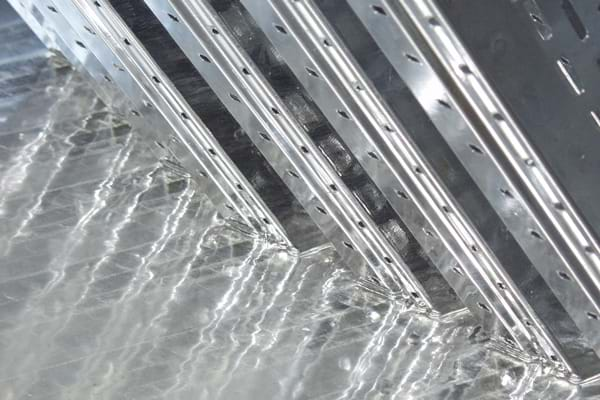
Turkish conglomerate Yildizlar Yatirim Holding’s first foray into the steel market, Yildiz Demir Celik, which started steel production in 2018, is planning to start a new hot-dip galvanizing line by the fourth quarter of 2021, according to Hakki Yildiz, board member of the company.
“With this new line our hot-dip galvanizing capacity will reach 900,000 mt [per year],” Hakki Yildiz said to Turkish news agency AA Jan. 5, adding that the new investment worth $80 million will notably raise the company’s value-added steel production capacity, while it is also expected to pull up the company’s turnover by 40-45%.
Noting that they have managed to attain a good place in the market since their entrance into steel, Yildiz also said their capacity usage reached 80% in 2020.
Yildiz Demir Celik’s cold-rolling mill complex in Kocaeli, which started production at its new continuous pickling tandem line at the end of November 2019, with annual capacity of 1.5 million mt, currently has production capacity of 400,000 mt/year of HDG coil and 150,000 mt/year of pre-painted galvanized iron (PPGI), as well as 300,000 m/year of cold-rolled coil.
Yildiz Demir Celik is targeting export markets as well as the domestic market to meet rising demand from the automotive, white goods, panel radiator, general manufacturing and construction sectors.
Annual HDG production capacity in Turkey reached 4.7 million mt as of the end of 2019, sharply higher than the 2.9 million mt of installed HDG capacity in 2016. However, strong demand and higher HRC costs pulled up Turkish mills’ HDG offer prices above $1,000/mt ex-works in the last two weeks of 2020, a $300/mt rise since mid-October.
— Cenk Can
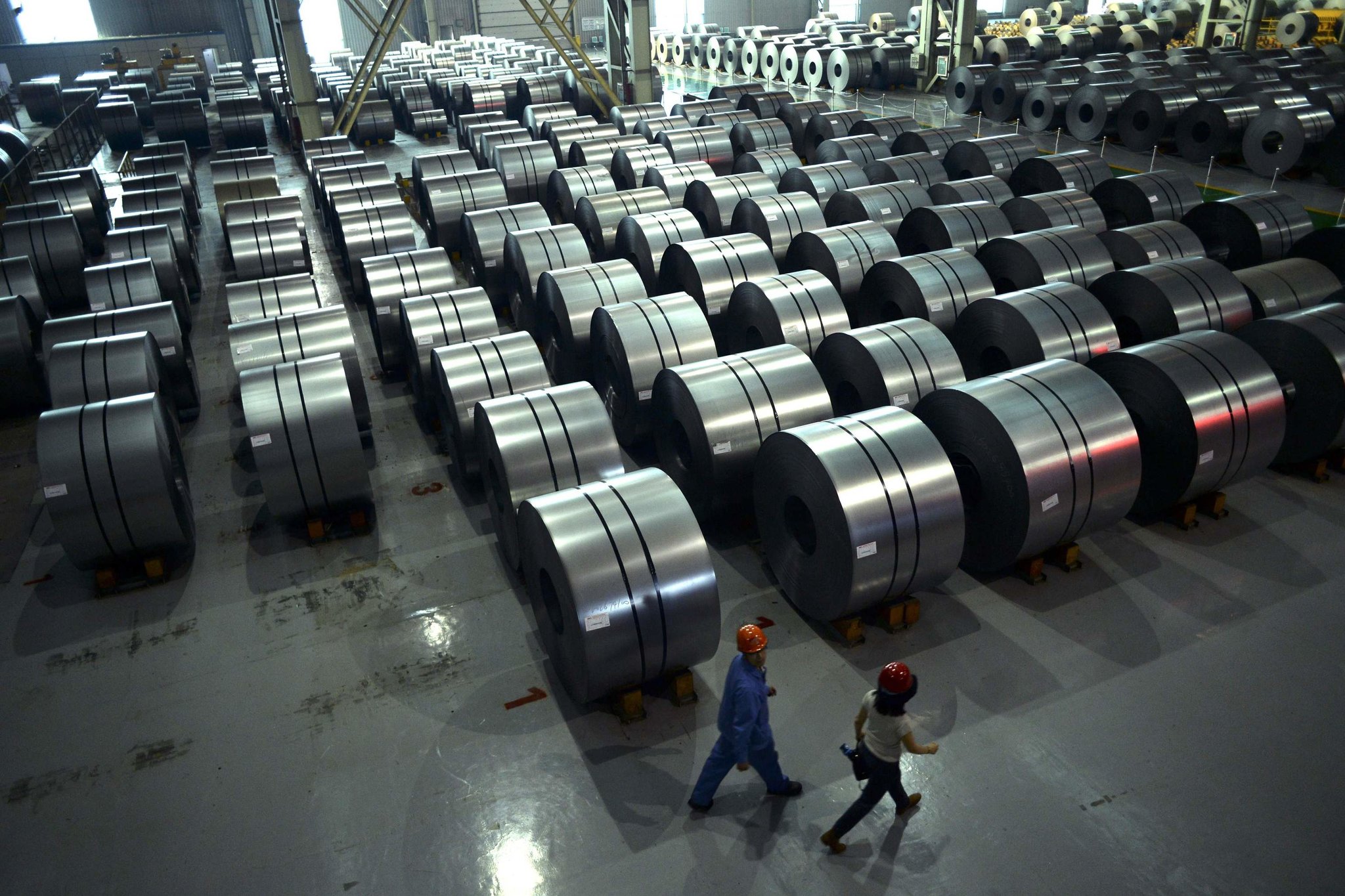
European steel coil market set for Q1 price boost from tight supply
The European steel coil market was set to see higher prices early in 2021, with EU mills sold out until the second quarter and lead times extending as far out as May, industry sources said.
Hot-rolled coil, cold-rolled coil and hot-dipped galvanized products have become difficult to acquire, with buyers who once relied primarily on imported material now seeking orders from domestic sellers.
“Customers just follow whatever [price] is available. There is a lot of interest from people who do not [normally] buy from us, or who have not bought from us in years,” one European mill source said. “They hope we can help them.”
While Indian players were offering HRC at Eur685/mt ($840/mt) CIF Italy ports and CRC at Eur780/mt CIF Antwerp, long delivery times and the European Commission’s anti-dumping investigation against Turkey has seen cautious buyers hesitate in taking foreign material.
EU mills ride price wave
HRC spot prices were expected to touch Eur700/mt by mid-Q1, sources said, even though increased offers from ArcelorMittal in December saw HRC hit a nine-year high.
Mills had been pushing to finalize deals ahead of the year-end break in order to capitalize on the forward pricing momentum, sources said, with mill-side players confronted with a backlog of requests from customers eager to book material at prevailing prices.
While prices were expected to move higher, “if we reach the level of Eur700-800/mt ex-works Italy, I believe that the Koreans, Taiwanese, Vietnamese and Turks might think of coming back to Europe,” an Italian trader said.
“For European mills, it could be very risky to keep increasing prices.”
Capacity issues
The supply tightness facing the EU steel market was initially a result of coronavirus pandemic-induced production cuts in March, followed by unexpected automotive demand that mills have struggled to accommodate and — to some extent — found difficult to understand given the lack of customer demand for cars.
Approximately 31 million mt of blast furnace capacity was idled during the first wave of the pandemic, with just 8 million mt having restarted in September, according to data from UBS.
“Producers took out their blast furnaces to a minimum level [during the pandemic], and now mills are not able to adjust their production to current demand,” a German trader said.
There was talk the supply tightness will intensify as the extra capacity from blast furnaces returning online will be canceled out by delayed maintenance and decommissioning.
In the Italian market, a service center source said he was unable to fulfill previously agreed quantities due to the shortage. “We speak with customers and say for Q1 we can only sell you 90% of the volume we agreed because the situation is an emergency.”
Sources said the unexpected surge in demand from the automotive industry since last summer period had led to orders exceeding available steel capacity.
A German service center source said the restocking phase which began in the fourth quarter may eventually lead to a supply glut. “We could see an overstocking situation after Q1 … we will see pressure from the second quarter onwards,” the source said. “Volumes will be [arriving] in the supply chain in the next months.”
Other market participants said rising scrap, iron ore and coking coal costs would prevent any price correction in H1 2021.
“There won’t be a situation in the market that would reduce Q2 prices. It all depends on additional capacity, lead times, and if imports come back,” an Italian trader said.
Germany
Crude steel output in November in Germany – Europe’s biggest producer – was 15% higher year on year at 3.38 million mt, according to steel federation WV Stahl, as production recovered after the first wave of COVID-19.
“This is the second time in a row that the result is above that of the same month last year and the cautious upward trend has continued,” WV Stahl said. “However, the increase of 15% must be seen against the backdrop that production in November 2019 was extremely weak.”
For the first 11 months of 2020, German crude steel production was down 12%.
“After 2009, 2020 will, in all probability, be the weakest year in [steel] production since German reunification,” WV Stahl said.
— Amanda Flint
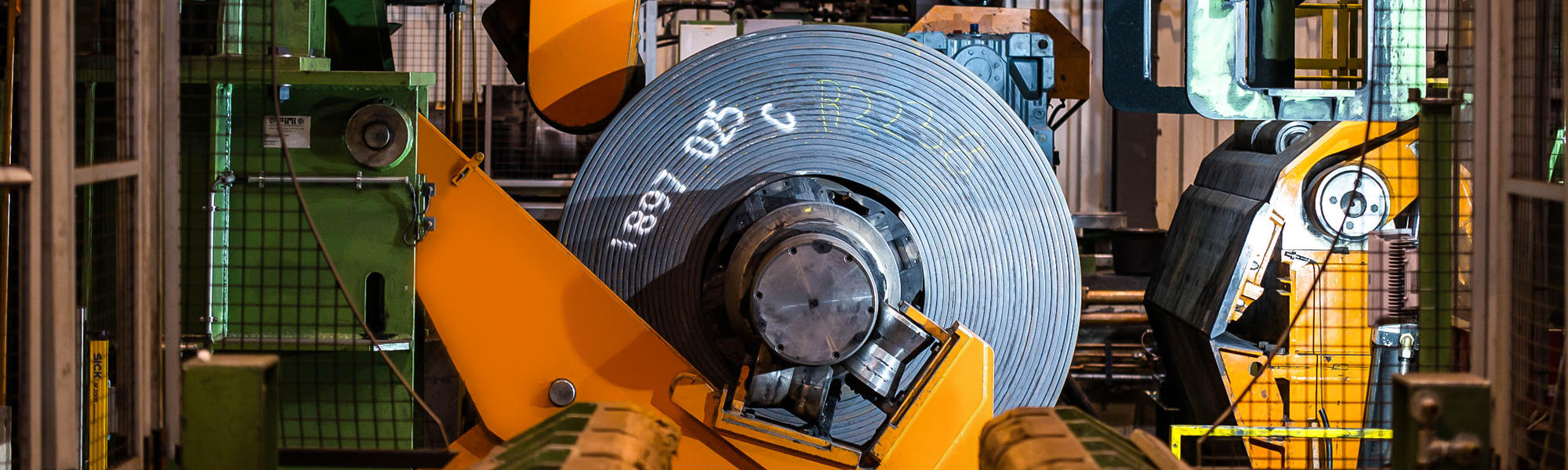
Russel closes on Sanborn buy in Wisconsin
Toronto-based North American service centre chain Russel Metals has finalised its buy of Sanborn Tube Sales of Wisconsin, Inc, Kallanish reports.
Sanborn’s extant location in Pewaukee, Wisconsin, is close by three Russel facilities. While financial details for the transaction were not disclosed, Sanborn generated about $19 million in sales during 2019 “…across a diverse base of industrial customers.”
“Sanborn is a well-established company that dovetails nicely into our existing business in the Midwest region. Sanborn has been both a customer and supplier to Russel’s Wisconsin division, Russel Metals Williams Bahcall, and Sanborn’s value-added processing capabilities accelerate our strategic plans in the area,” said Russel ceo John Reid when the deal was initially disclosed in late December.