


Salzgitter’s plate mill starts new treatment technology

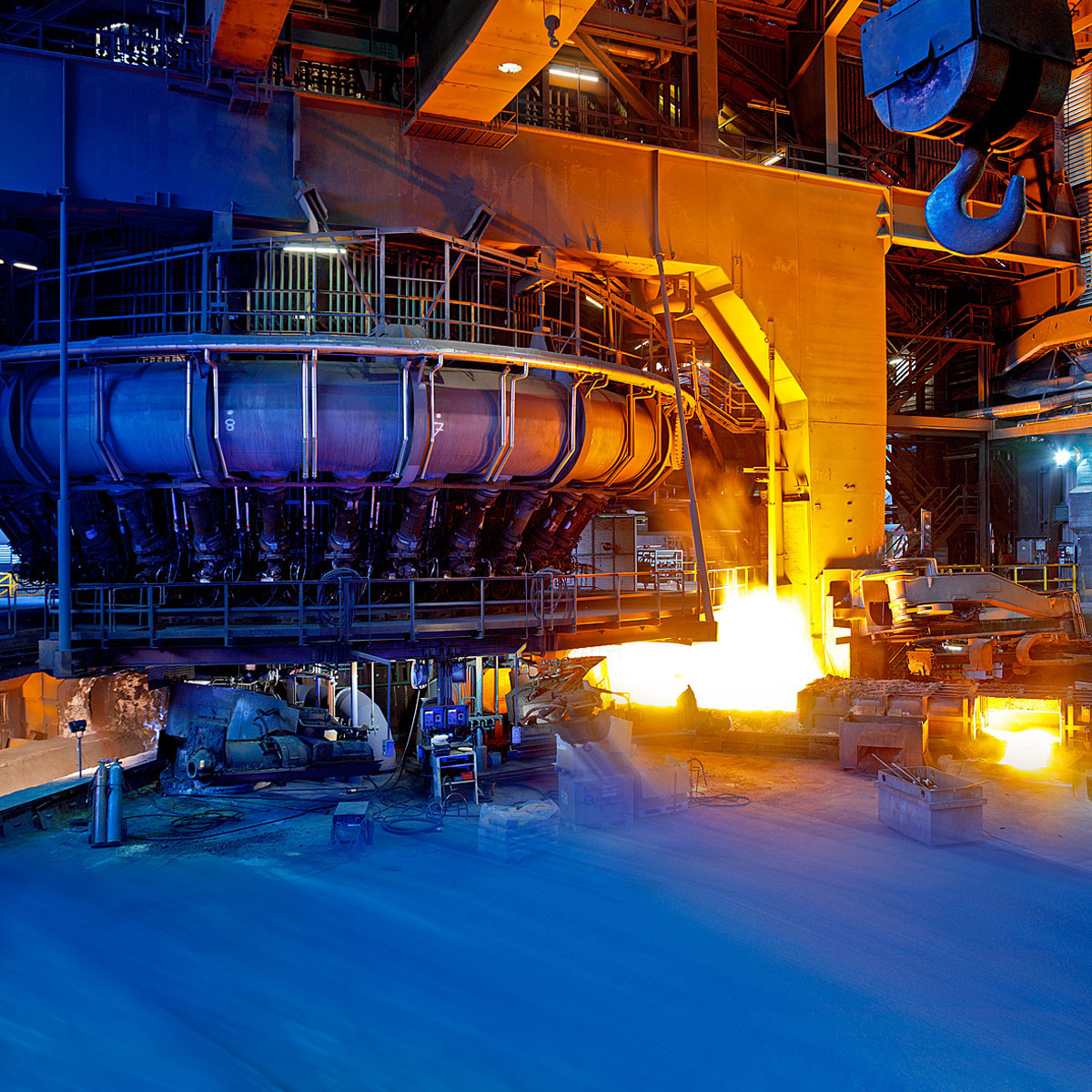
Salzgitter’s plate unit, Ilsenburger Grobblech, has begun operation of new heat treatment equipment involving an X-Roll MultiFlex-Quench (MFQ) line supplied by SMS group.
The new line will process more than 200,000 tonnes/year of heavy plate, Kallanish learns from the technology supplier. It is designed to handle plate of 5-175mm thicknesses and widths up to 3,500mm. The equipment will enable the mill to expand its product range to also include particularly demanding grades, SMS claims.
Its proprietary MFQ technology allows to implement any cooling strategies, from extremely slow cooling to fast quenching, with freely selectable cooling-stop temperatures, Kallanish is told by SMS.
A pre-requisite for homogeneous cooling and optimal product properties of the plate is high temperature uniformity during both plate heating and the tempering process that follows quenching, SMS explains. For this purpose, it supplied two state-of-the-art roller hearth furnaces, which both feature energy-efficient heating systems and modern low-NOx burners for low-emission operation.

Study finds blue hydrogen feasible for thyssenkrupp steel
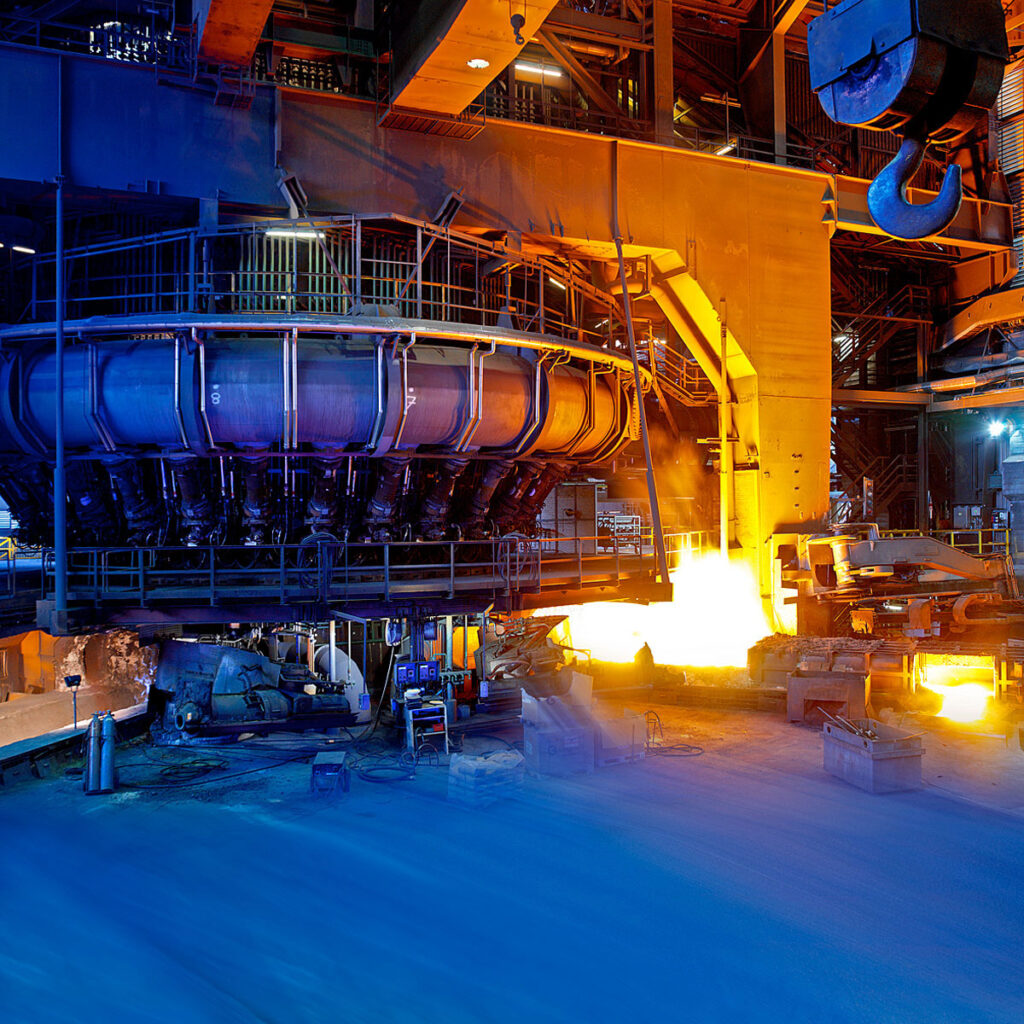
Norwegian-based energy company Equinor, gas transmission system operator OGE, and thyssenkrupp Steel Europe have concluded their joint feasibility study on blue hydrogen for tk Steel’s mills.
The study finds that the decarbonised production and supply of “blue” hydrogen from natural gas to Germany’s largest steel plant in Duisburg is technically feasible, the partners say. Going forward, they intend to continue working on further details and build the basis for potential investment decisions.
According to tk Steel, blue hydrogen allows for significant CO2 reductions via a nearly climate-neutral steel production in the short- and mid-term. Other types of hydrogen, especially green, are expected not to be available in this period in sufficient quantities to meet demand, Kallanish notes.
The study’s premise has been the production of hydrogen from natural gas with permanent offshore storage of CO2 accrued in the process. The study has evaluated several options for sourcing and transport of hydrogen to Duisburg, as well as options for transport and storage of CO2.
Considering potential sites for hydrogen production, the study has confirmed three locations as principally suitable for a hydrogen plant: a potential production site on the Dutch coast in Eemshaven and two other potential sites on the German North Sea coast.
Among other things, the study concludes that economically viable transport via pipeline is possible with the cost of pipeline transport being minor compared to the cost of hydrogen production. Based on market forecasts by renowned external market analysts, the study estimates a price for blue hydrogen of approximately €2.1 ($2.55) per kg – corresponding to €58/MWh – based on an expected future and long-term average natural gas price of €23/MWh.
Ford closes Brazil plants
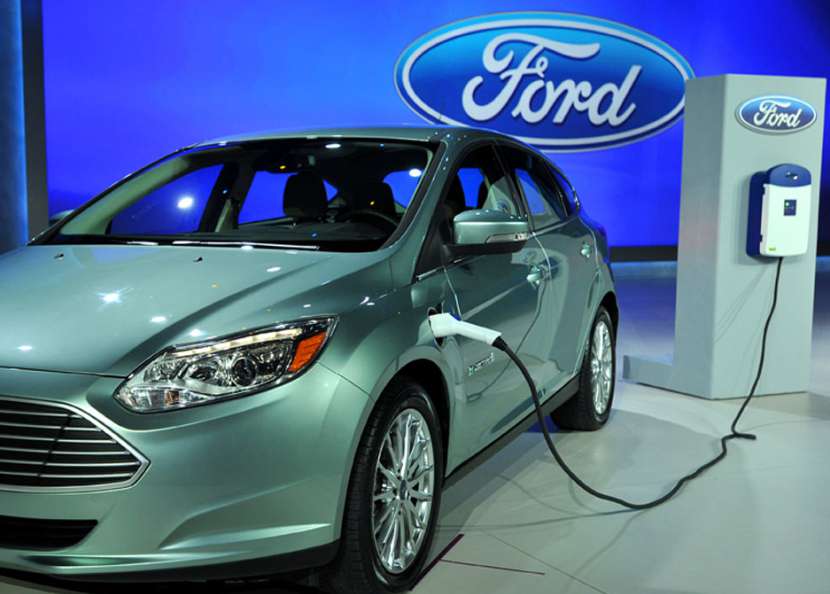
Ford Motor Company says it is closing its three production lines in Brazil after a century of operations. The decision is part of the South American unit restructuring following the impact of the coronavirus on its performance, Kallanish learns from the US car manufacturer.
“The Covid-19 pandemic expands the industry’s persistent idle capacity and reduced sales, resulting in years of significant losses in Brazil,” says Ford president and chief executive Jim Farley. “With more than a century in South America and Brazil, this is a very difficult but necessary action to create a healthy and sustainable business.”
The company will continue its activity in the country as a distributor with maintenance and warranty assistance.
Ford ceased production at the Camaçari and Taubaté plants as from 11 January. The Troller plant will continue to operate until the fourth quarter.
Manufacturing operations and sales centres in other South America markets are not affected.
“Ford will serve customers in the region with a portfolio of increasingly electrified SUVs, pickups and commercial vehicles sourced from Argentina, Uruguay and other markets,” the company adds.
Ford closed 2020 as the fifth-largest car seller in Brazil with a 7.14% stake in the domestic market. The company’s overall sales reached 139,897 vehicles last year, -39% lower compared to 2019.
Ford will maintain its development centre in Bahia, as well as its South American headquarters in São Paulo.
According to Brazilian media reports, the closure of the three production lines will affect around 5,000 employees in Brazil. The decision will also affect Ford’s largest steel suppliers, ArcelorMittal and Ternium.