

EU longs producer not expecting Turkish scrap impact
The European long products market is looking carefully at developments in Turkish scrap prices, but various large producers believe the sector is not preparing for price drops.
A source within one of Europe’s largest suppliers notes that a correction in scrap levels is normal after a rally of the size seen towards the end of last year. EU prices for finished long products are nevertheless not expected to correct in Q1, he adds.
“Fundamentals in the longs market are still good, mainly driven by demand; I don’t see why prices should drop,” the source tells Kallanish.
In some specific segments, such as wire rod, there is still a clear feeling of shortage of supply in the market, he continues. His company is registering two-digit-level-higher order books compared with January 2020, thereby confirming the good demand momentum in the sector.
“I can’t say that prices will continue their upward rally at the moment, of course, but what I can be sure of is that a downward correction for longs prices does not seem to be in sight,” he comments. EU import quotas for Turkish longs are not being filled as quickly as last year, confirming that Turkish mills are not massively enticed by the European market at present, he adds. These mills continue to have good order books filled by demand from other markets.
The first effects of the Turkish scrap price correction were seen this week in the Italian market, where prices dropped somewhat (see Kallanish passim). Nevertheless, domestic rebar and longs mills are still holding their prices firm.

EU coil distributors emerge from dry spell
Northwest European coil buyers are in the process of re-stocking, and are receiving material as contracted despite fears mills would favour end users.
The supply shortage for coil products in northwest Europe since October has been especially painful for distributors and steel service centres (SSCs), which were last in line to be served by mills.
In times when they have limited volumes, mills prefer to sell directly to consumers, rather than to distributors, which add their own margins to the price, Kallanish hears from buyers on both sides. The beneficiaries of this game are often automotive suppliers and the actual OEMs, while inventories at distributors keeps depleting.
“I’ve seen halls in service centres where you could easily play football,” one source says of the empty stocks. “When demand came back, mills served the OEMs first, although in March it was the OEMs that had hurt the mills with their sudden stoppages of assembly lines and not taking in further material, while the blast furnaces still had to keep going,” another source observes.
In the meantime, most SSCs have signed deals with mills for supply in the first and second quarters, and, according to one buyer, deliveries are coming in as planned. “I was concerned that they [the mills] might hold back material in favour of customers who bought later at higher prices, but no, coils are coming in as contracted,” he says.
In November, when most quarterly contracts were struck, many buyers got away with contract prices of around €500/tonne ($607) for hot rolled and around €600 for cold rolled coil. Meanwhile, spot prices are now easily €200 higher in each category. And service centres are still in the process of refilling their inventories, which “…will last beyond February,” the buyer believes.

Critical UK steel import quota monitoring glitch remains unresolved

Technical issues continue to hinder the UK steel allocation online monitoring system, with the hollow sections quota now reportedly filled at 1,898 mt for the January-March period, according to a letter published by the UK tax department HMRC Jan. 19.
Since Jan. 6, the failed system has prevented traders from checking the quota balance for imports. Although buyers can still register quota claims for material, there is still no way of determining if a quota has been exhausted.
The delay has left UK importers dissatisfied with the new system, with many fearing that certain quota levels have already been exhausted in the first few days of Q1.
“Progress is being made on the IT issues with the quota allocation/monitoring systems,” the government letter said. “It is hoped to be resolved soon.”
The UK introduced steel import quotas Jan. 1 following the end of the transition period with the EU.
A UK-based trader said the technical faults would be an issue if the quota balance were to become breached, which it has with hollow sections.
“If all lumped together and it breaches, then everyone will have to pay duty pro-rata,” he said. “It would be disappointing if you registered it before it would have been breached and then have to pay duty because of their [HMRC’s] mistake. It makes it difficult for us traders and ultimately our customer base.”
— Amanda Flint

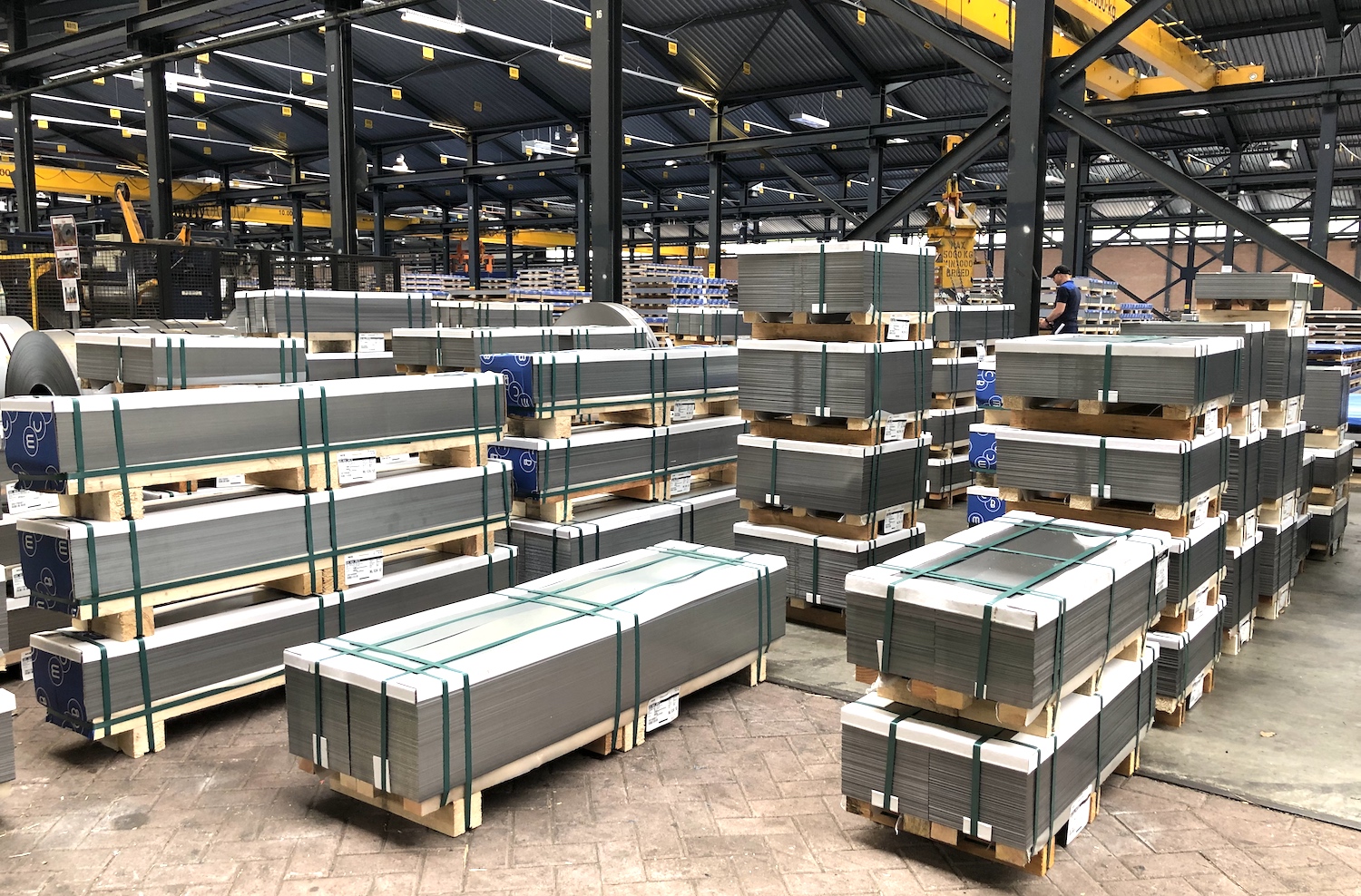
EUROMETAL: November European flats shipments from service centers up 8.9% on year
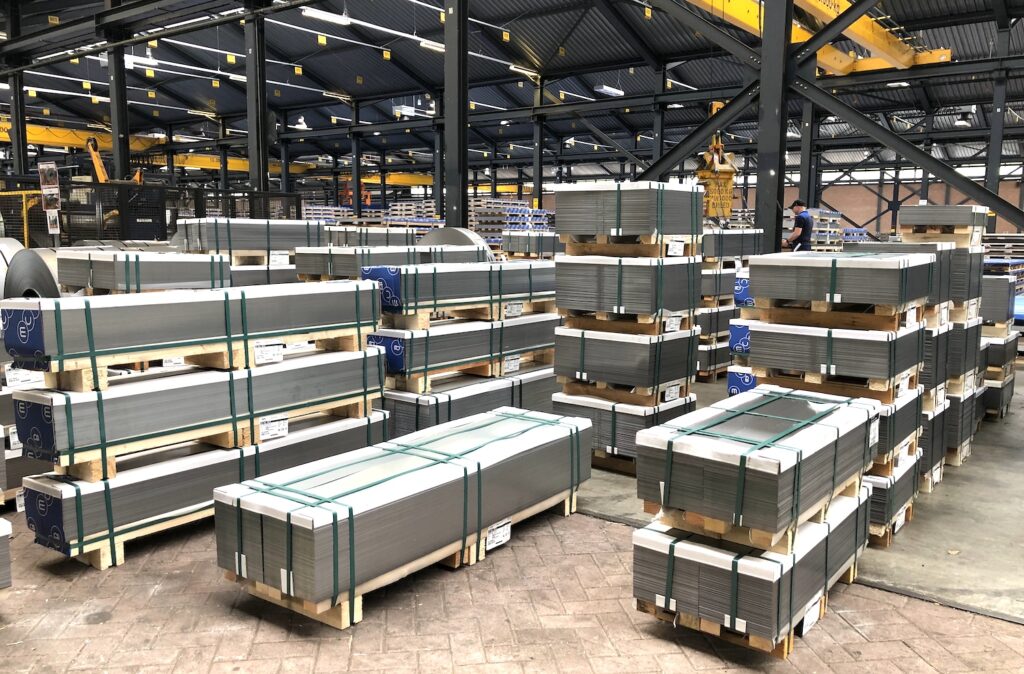
Flat steel shipments from EU service centers rose 8.9% year on year in November 2020 as a buoyant market continued from the month prior while stocks fell, service center and distributors’ association EUROMETAL reported late Jan. 18.
The November index of stock volumes of flat steel dropped to 87 from 105 in November 2019.
Expressed in days of shipments, stocks at steel service centers reached 57 days compared with 75 days in November 2019.
Over January-November, shipments fell 12% on the year. However, shipments improved since October as the fourth quarter saw increased activity.
Stockholders’ distribution of multi-product and proximity steel – including long steel – also saw further upticks, although on a lower level than flat steel. Shipments in the January-November period dropped 9.7% on the year, but November shipments were up 3.4% year on year. Merchant bars and strip mill products had a positive trend, according to EUROMETAL.
Stock volumes of multi and proximity steel dropped to 67 days of shipments compared with 75 days in November 2019.
— Laura Varriale

Kallanish Global Steel Markets Webinar video recording

If you missed the Kallanish Global Steel Markets Webinar yesterday, you can watch the video recording of the webinar and download a copy of the presentation slides for your reference, on Kallanish website.