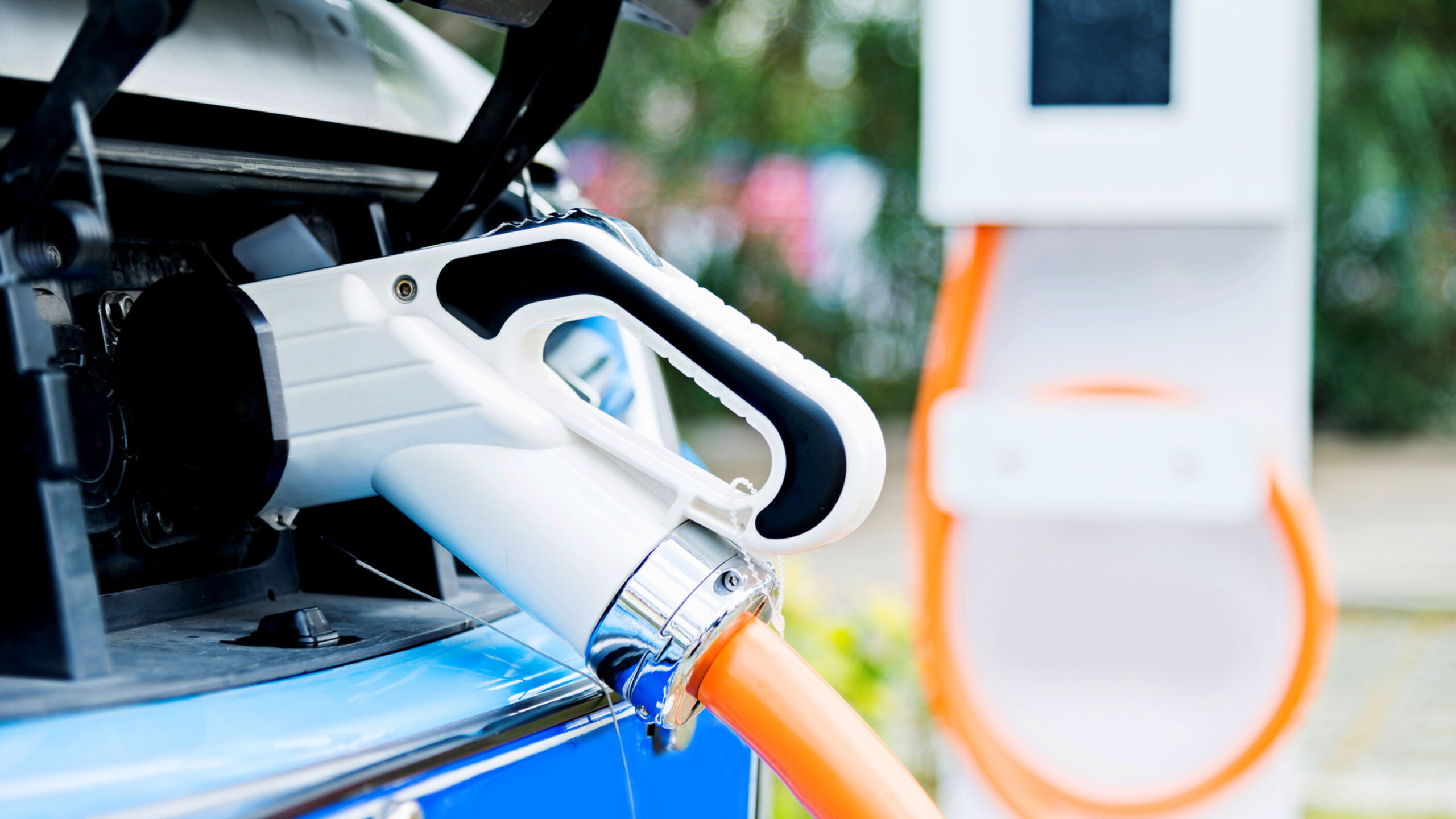
ArcelorMittal France invests into electric car steel
ArcelorMittal France is investing €13 million ($15m) to install new equipment and modernise its site at Saint Chély d’Apcher. The company intends to develop a new generation of steel products for electric cars, Kallanish learns from the steelmaker.
The site produces high-grade electrical steel. Besides installing new equipment, part of the €13m investment will be used to modernise the reheating line that was installed in 2013 for an investment of €90m.
The Saint Chély d’Apcher site employs 250 workers and 250 contractors. It produces steel for electric and hybrid vehicles, and the energy and appliance sectors, selling to 150 clients worldwide. 75% of production is exported, of which 25% is sent to countries outside Europe, ArcelorMittal explains.

German minister suggests quota for green steel
German economy minister Peter Altmaier has proposed a quota system to support the introduction of green steel on the market.
Speaking at the recent Energy Summit conference organised by business daily Handelsblatt, he said that all sides are prepared to take such a step. “For example, we may discuss with the automotive industry to use a certain percentage of green steel in their material for cars,” Altmaier was quoted in press reports as saying at the conference.
He pointed to the challenges posed by the political framework for such an endeavour. Germany cannot simply go ahead and make green steel, as ultimately nobody may buy it because it is priced 40% higher than conventional material, Altmaier warned. Other possible tools to promote green steel could be contracts-for-difference (CFDs), or the introduction of an international border adjustment system.
A source at thyssenkrupp Steel confirms to Kallanish that all such tools are currently under discussion, and that the political framework necessary to pave the way for green steel is the most pressuring issue. Tk Steel intends to start making direct reduced iron, but it may take another three years before the first tonne is produced. The most time-consuming factor here is not the technology but the political issues that need to be resolved, the source says.

European HDG prices stable, OEMs expect correction
The European hot-dip galvanized sheet market saw stability over the week to Jan. 20, despite ongoing supply issues, with buyers struggling to purchase material and imports remaining unattractive, sources told S&P Global Platts.
The Platts TSI HDG index was assessed up Eur30/mt at Eur830/mt ex-works Ruhr Jan. 20, and in southern Europe, HDG was assessed stable at Eur820/mt ex-works Italy.
A Benelux-based trader said automotive demand in Germany was being reduced due to idled German processing plants.
HDG was heard to be less under pressure in Italy due to more production and the same trader said, “We are still booking HDG for Benelux, Germany and Spain.”
A German distributor source said material tightness and longer lead times were propping up prices, with deliveries not expected before August.
In Italy, the situation amongst some OEMs and distributors has intensified, with some OEMs refusing to accept large price increases.
“OEMs are confident that they’ll see a correction anyway, calling off huge quantities for immediate delivery,” an Italian distributor said. “They are trying to renegotiate these contracts because they declare they want a fixed price for 2021, because the current level is too high.”
The same source said industry in general has seen a great lack of material, and that supply levels tended to fluctuate by product.
“One day there is someone saying that the most lacking product is CRC and the next HDG, it fluctuates,” he said.
Although mills were able to produce HDG, most are still contending with huge delays and are unable to supply the quantities needed by customers.
There was little optimism that a major ramp up from mills would alter the supply situation in the near term.
— Amanda Flint

Are inventories the European market’s black hole?
While Light Vehicle inventory data are not publicly available in Europe, recent events have highlighted that stock movements are a critical component in understanding the likely evolution of build volumes.
In the aftermath of the Lehman Brothers crash in 2008, OEMs were immediately faced with collapsing market volumes. They responded by slashing output and made concerted efforts to reduce unplanned or unrequired inventories. But the scale of the crisis was such that European automakers could not act quickly enough. So much so, in fact, that by the close of 2008, they found themselves sitting on circa one million Light Vehicles – all of which were stuck in the supply chain and surplus to requirements.
More recently, with the outbreak of a global pandemic and the ensuing lockdowns, European OEMs saw days’ supply rocket to more than 100 days in the first quarter of 2020. Ideally, days’ supply should sit at around 60 days, meaning that the region was essentially overstocked by 40 days.

Moving into the second quarter of last year, however, European inventories plunged by one million units, to a supply of 60 days, thus restoring the status quo. This echoed the pattern seen in the wake of the Lehman Brothers collapse.
For the final quarter of 2020, we forecast European days’ supply at 67 days, but there is a risk that this estimate could prove to be overly optimistic, in light of the lockdown measures introduced across the region at the tail end of last year.
Indeed, maintaining firm inventory control emerged as a principal objective for every OEM across the sector.

It is worth noting that, in recent decades, we have seen exogenous shocks increase in both frequency and severity, as highlighted by the oil spikes of the 1970s, the collapse of the Soviet Union, the financial crisis of 2007-2008, and now the COVID-19 pandemic. Such shocks inevitably disrupt budget plans and inventory holdings throughout the industry.
As the table above illustrates, we have identified and filled this black hole. So, it is worth checking beneath the surface to pinpoint those OEMs that are under/overstocked.