

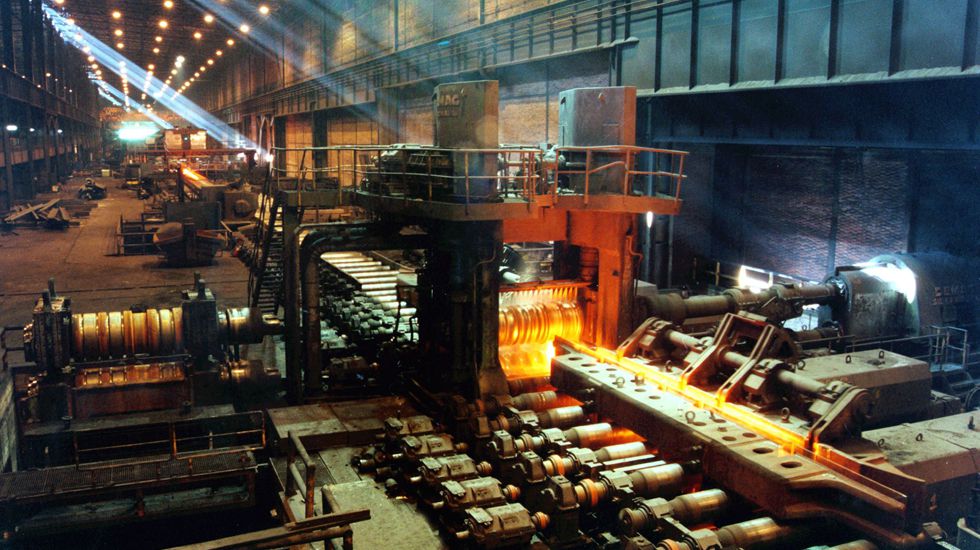
ArcelorMittal Italia boosts output
ArcelorMittal Italia has restarted meltshop no.1 and is in the process of restarting blast furnace no.2, as the firm previously promised, Kallanish learns from workers.
The plant will run with BF no.1 at 100% capacity, BF no.2 at 90% capacity, and BF no.4 at 85% capacity. Meltshop no.1 and BF no.4 will be idled in March for maintenance works but the procedure for idling BF no. 4 could start as early as 31 January, unions were told, due to environmental reasons.
After a meeting with unions in Taranto earlier this week, the company confirmed the steelworks will hit production of 5 million tonnes in 2021, up from 3.3mt in 2020.
The new 2021-2025 industrial plan for the relaunch of the former Ilva works involves an investment of €310 million ($375m) in 2021. It includes the remaking of blast furnace no.5, which has been idled since 2015, and a production ramp-up from 5mt to 8m t/year in 2025 (see Kallanish 13 January).
The current production boost is expected to ease tight coil supply in the Italian market. When contacted by Kallanish, ArcelorMittal Italia declined to comment.


Assofermet expresses concern over AST contract renegotiation

Assofermet, the Italian distributors’ association, has sent an official letter to voice its concern over the decision of sole domestic stainless producer Acciai Speciali Terni (AST) to renegotiate existing contracts due to increasing prices.
The association notes this is putting distributors in a difficult situation due to the fact the increase impacts February deliveries. The entire supply chain is risking delays in supply due to AST’s decision. This is being exacerbated by the difficulties in finding alternative supply sources in Europe or from imports, on account of trade defence measures, the association observes.
AST introduced a €214/tonne scrap surcharge for all its deliveries starting from February (see Kallanish passim). It told customers the increases are caused by the sharp scrap and raw material price rises, exacerbated by the shortage in stainless steel scrap. The move intends to rectify AST’s past and current sales prices that do not take into account the skyrocketing costs.
The move by AST is not isolated. Similar decisions have also been reported in the carbon steel sector, with large suppliers trying to renegotiate existing contracts due to the sharp increase in raw material costs seen at the end of last year, Kallanish notes.
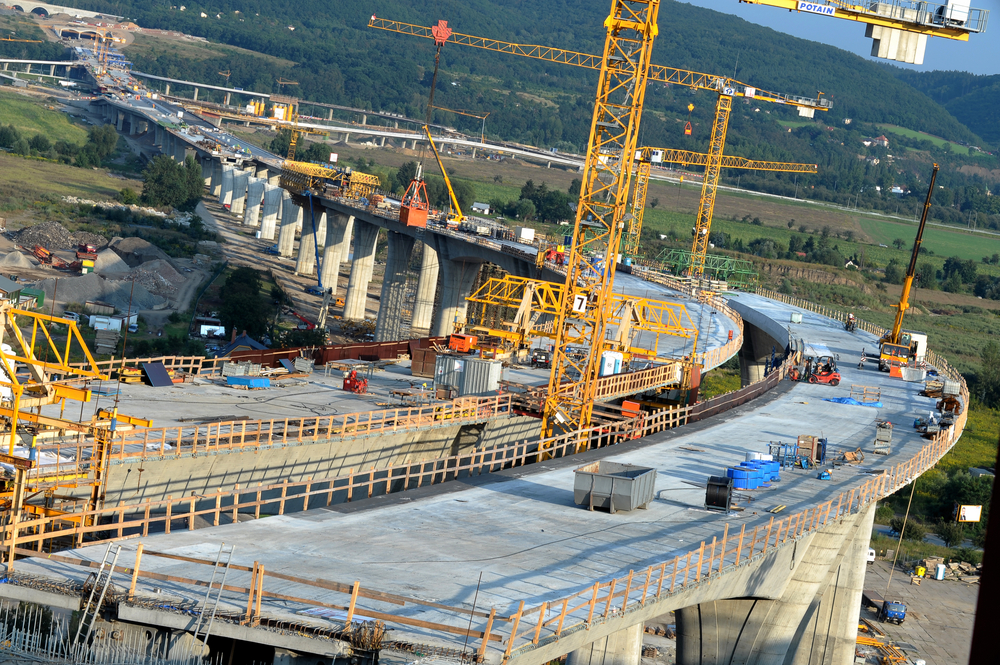
Steel partakes in German government lightweight construction initiative
The German economic affairs and energy ministry has come up with what it calls a “Lightweight Construction Initiative” as an element for innovation and sustainability. This includes significant steel industry participation.
“Lightweight construction technologies are crucial for the sustainable transformation of the mobility sector and for the expansion of renewable energies,” the ministry says in a statement.
Lightweight construction leads to lower costs and improved functionalities through the use of less material, the ministry continues. Lower mass also means that less energy is consumed by the use of lightweight product and CO2 emissions are reduced, it adds.
The strategy is based on an extensive consultation process with more than 350 representatives from business and science. The ministry “…is providing an important impetus for Germany as a location for innovation,” a spokesman for steel federation WV Stahl comments to Kallanish. The steel industry in Germany has been extensively involved in the process of the “Lightweight Construction Initiative” and will also accompany the further steps of implementation, he notes.
The funding programmes mentioned in the context of the initiative are important for providing targeted support to companies in research activities in this field, he adds. The ministry plans packages of measures for R&D into resource-efficient lightweight construction, for expanding digital infrastructures and for lightweight construction as an enabler for the energy transition, among other things.