

US steel imports fall in 2020
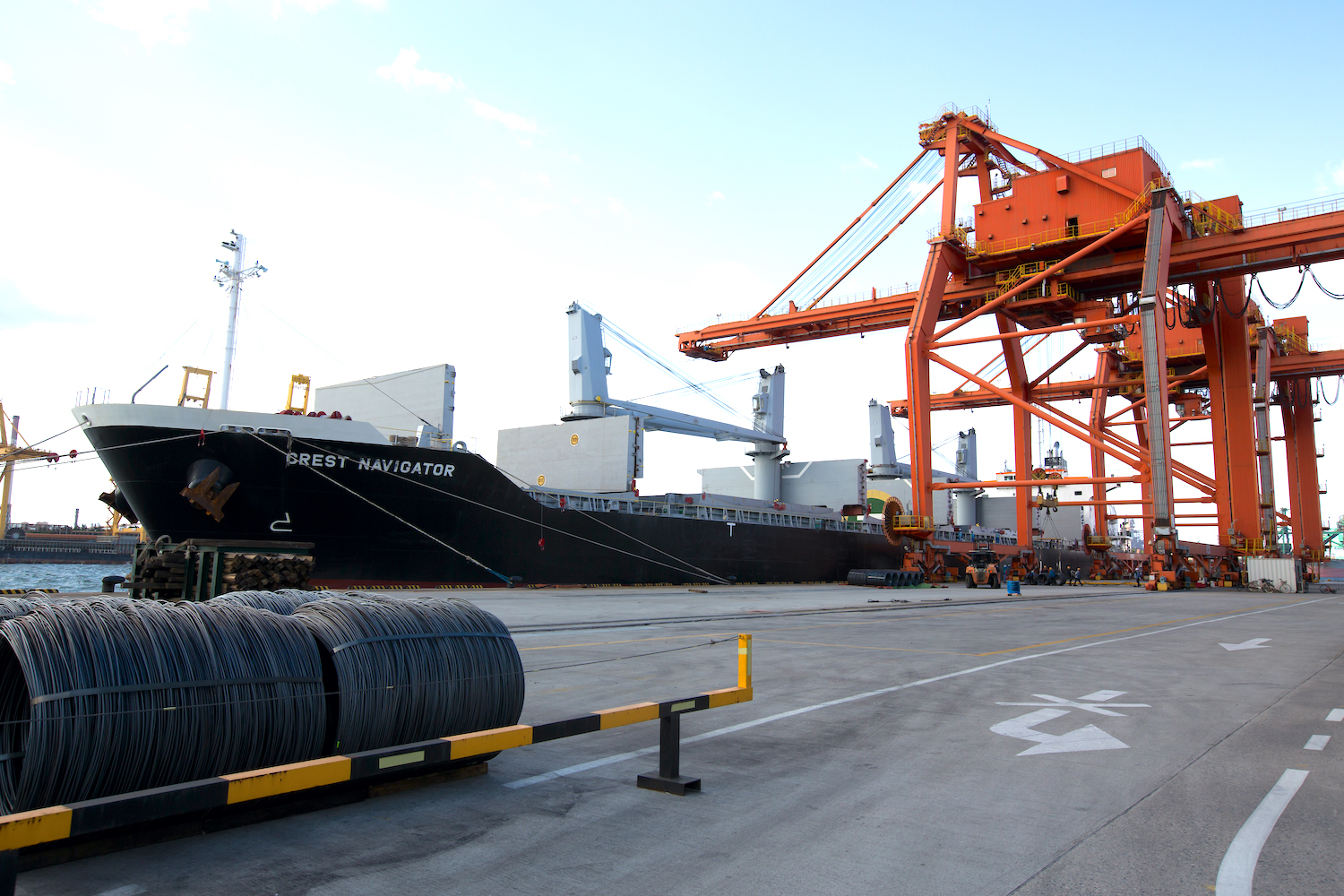
Both US total and finished steel imports fell on-year in 2020, Kallanish learns from the American Iron and Steel Institute.
According to preliminary Census Bureau data, US steel imports totalled 1.494 million short tons in December, 1.34m st of which were finished products. This is up 9% and 13.5%, respectively, from November’s final data.
On-year, however, US steel imports were down -23.3% for finished steel products and -21.2% in total. In 2020, US steel imports totalled 22.019m st, 16.139m st of which were finished products. Finished steel import market share was estimated at 18% in December, as well as on-year.
Notable on-month increases include line pipe (up 223%), oil country tubular goods (up 148%), plates in coils (up 84%), hot rolled sheets (up 36%), hot rolled bars (up 15%), cold rolled sheets (up 14%) and tin plate (up 10%).
In December, the countries with the largest volumes of finished steel exports to the US were: South Korea (222,000 st); the Netherlands (86,000 st); Germany (66,000st); Japan (56,000 st); and Taiwan (43,000 st).

ArcelorMittal South Africa ramp up EAF on demand surge
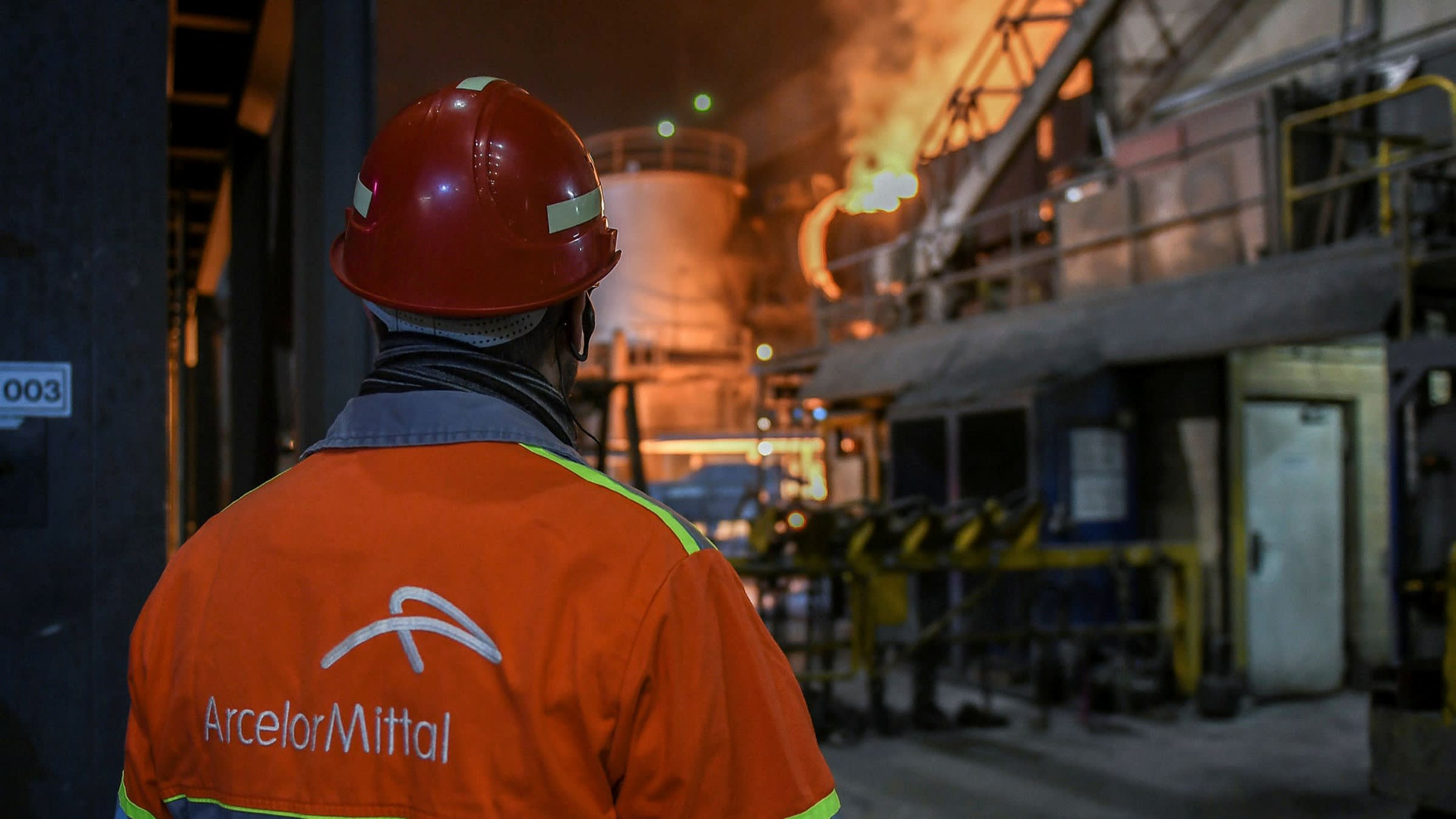
ArcelorMittal South Africa (AMSA) will imminently increase output from its electric arc furnace in Vereeniging, known as the Vaal Meltshop, on the back of increased demand and supply shortages. Production could stay at higher levels if warranted by future demand, AMSA tells Kallanish.
The move has been driven by “…the unexpected and sudden increase in demand in South Africa and Africa overland markets, and the associated supply chain shortages,” the steelmaker says. The Vaal Meltshop was originally scheduled to be placed under care and maintenance at the end of December 2020.
“We are employing all our resources to address the current steel shortages and the Vaal Meltshop will go a long way in addressing the low supply chain stock levels in the Long Products markets,” says AMSA chief executive Kobus Verster.
The Vereeniging site has been running at around 50% capacity in recent years. Pushing this to full capacity would mean a significant increase in billet production. This will be used for specialty input material to the Gauteng operations, including Leeuwkuil Mill, tubular products, the forge operations and the small sections mill in Tshwane. It will also help reduce production requirements from the company’s Newcastle operations, which in turn will ensure more steel can be supplied to its long steel customers.
The Vaal Meltshop underwent extensive maintenance during December to ensure the plant remains reliable when production levels are increased. Full operation is expected to be achieved towards the end of February.
“With the Vaal Meltshop fully operational and supplementing our three blast furnaces in Newcastle and Vanderbijlpark, we expect that we will be more than able to meet the steel requirements in South Africa and neighbouring countries in the coming months,” Vester concludes.
AMSA said earlier this month it anticipates supply-demand imbalance, as well as cost pressures, to result in some level of price support through 2021 (see Kallanish passim).
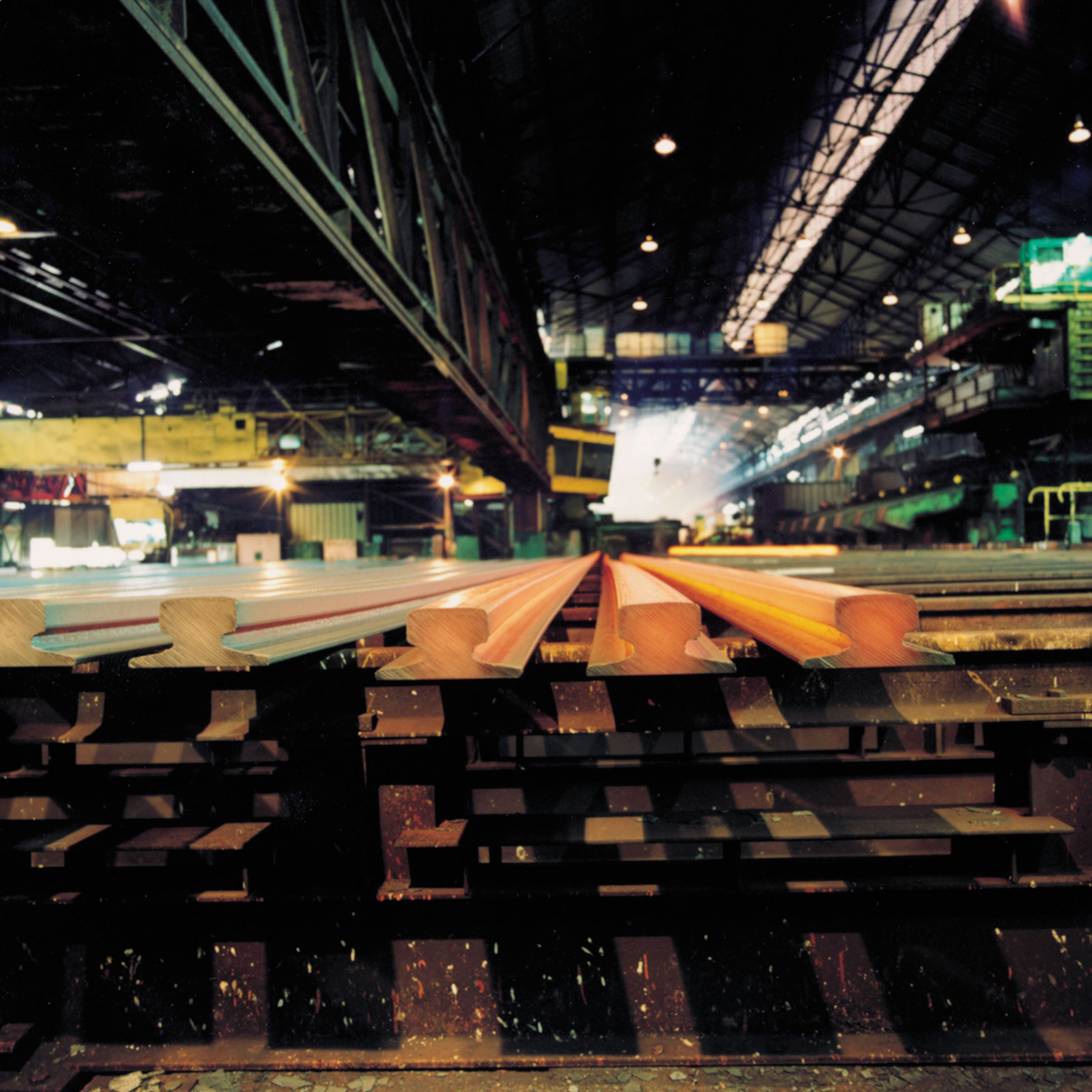
British Steel launches new ultra-long corrosion-protected rail

British Steel has launched what it says is the world’s first ultra-long corrosion-protected rail in a single 108m piece – or 216m with a single weld – following a seven-figure investment into new equipment. The product is an upgraded version of its “Zinoco” rail corrosion protection system, launched in 2016.
“The new and improved Zinoco is also the world’s first rail with a super-hydrophobic finish that repels water and dirt,” British Steel commercial director rail Craig Harvey says in a note sent to Kallanish. “Available in any length from 9m to 216m, the new finish enhances the protection Zinoco offers, further reducing the frequency of rail replacement programmes, which impact on network operators and passengers.”
The long-length Zinoco rail needs fewer welds, which makes installation quicker and gives the rails greater integrity, British Steel says. It is suitable for any track environment, including third (live current) and fourth (negative) rail areas, and is available on any grade and profile. It has become the only rail corrosion protection system approved for use across all Network Rail infrastructure.
In December British Steel started offering the S460M high-strength structural steel grade for the construction industry, the first product launched by the steelmaker since it was acquired by Jingye Group in March 2020 (see Kallanish passim).
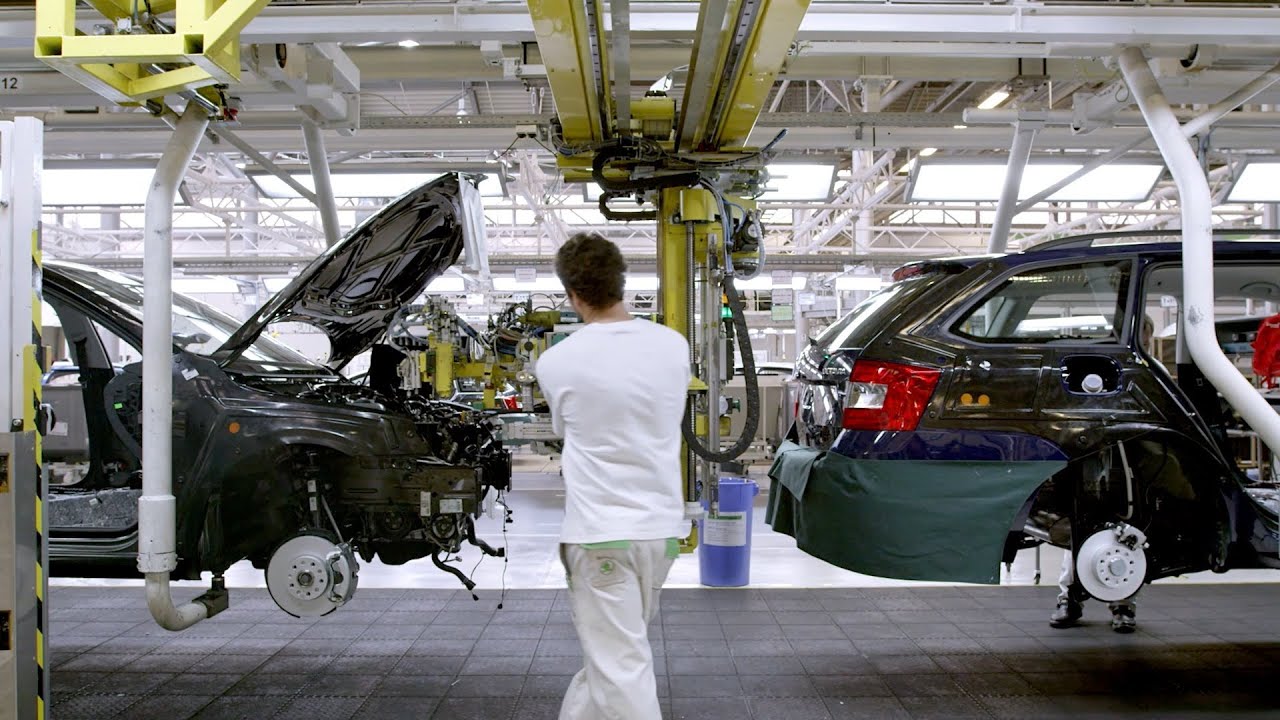
Czech automotive production, exports slump in 2020

Czech automotive production fell -19% on-year in 2020 to 1.16 million units, with exports down -20% to 1.06m units, according to the latest Czech Automotive Industry Association (AIA) data seen by Kallanish. Output did however rebound in the second half-year from the earlier Covid-19-lockdown-induced disruptions.
The Czech Republic is Central and Eastern Europe (CEE)’s largest car manufacturer, sourcing automotive steel from US Steel Kosice (USSK) and ArcelorMittal among other suppliers, and producing most cars for export.
Production mainly consists of passenger and light commercial vehicles (M1+N1), whose output fell -19% to 1.15m vehicles. Hyundai saw the biggest output drop of -23%, followed by Toyota, Peugeot, Citroen (TPCA) with -22% and Skoda with -17%.
Local automotive sales fell less steeply than exports, by -11% to 99,425 units. TPCA actually saw local sales rise 44% to 295 units.
Czech production of buses, meanwhile, fell -3% in 2020 to 5,070 units.
In 2019 Czech automotive output inched down -0.69% on-year to 1.434 million units, after an annual record figure in 2018.

Chip shortage-induced automotive disruption hits scrap procurement: sources
The automotive industry is experiencing production disruptions because of semiconductor supply issues, which is having a knock-on effect on scrap supply, German scrap market participants tell Kallanish.
The shortage of electronic chips and sensors has forced most automotive producers worldwide to reduce their production.
“The actions taken by automotive companies have forced several mills and enterprises, including in Germany, to cancel their orders for scrap volumes until carmakers resolve the chip problem,” says a German merchant. “This negative effect will probably increase in the coming weeks, which may even lead to more reduction in scrap supply.”
The semiconductor shortage has been exacerbated by the actions of former US president Donald Trump against key Chinese chip factories. Another reason for the shortage is a sudden boom in demand for chips, as carmakers ramped up production following last year’s lockdowns.
“The deficit already affected Volkswagen and Daimler, but BMW for the moment is not experiencing such problems,” a German buyer says. “Ford, Subaru, Toyota, Nissan, Fiat Chrysler and other car manufacturers are also holding their production due to the chip shortage.”
Output of almost 280,000 vehicles is affected, analysts say.
The government of Taiwan, home to the world’s largest contract chip maker Taiwan Semiconductor Manufacturing Co (TSMC), said it had been contacted by foreign governments about the problem. The Ministry of Economy of Taiwan said that major international automakers are not direct customers of Taiwanese semiconductor chip makers, but other car chip makers place orders with Taiwanese manufacturers and sell them to carmakers.
The ministry said it is negotiating with domestic suppliers of microcircuits in response to inquiries from other countries and has asked the manufacturers to provide full assistance.
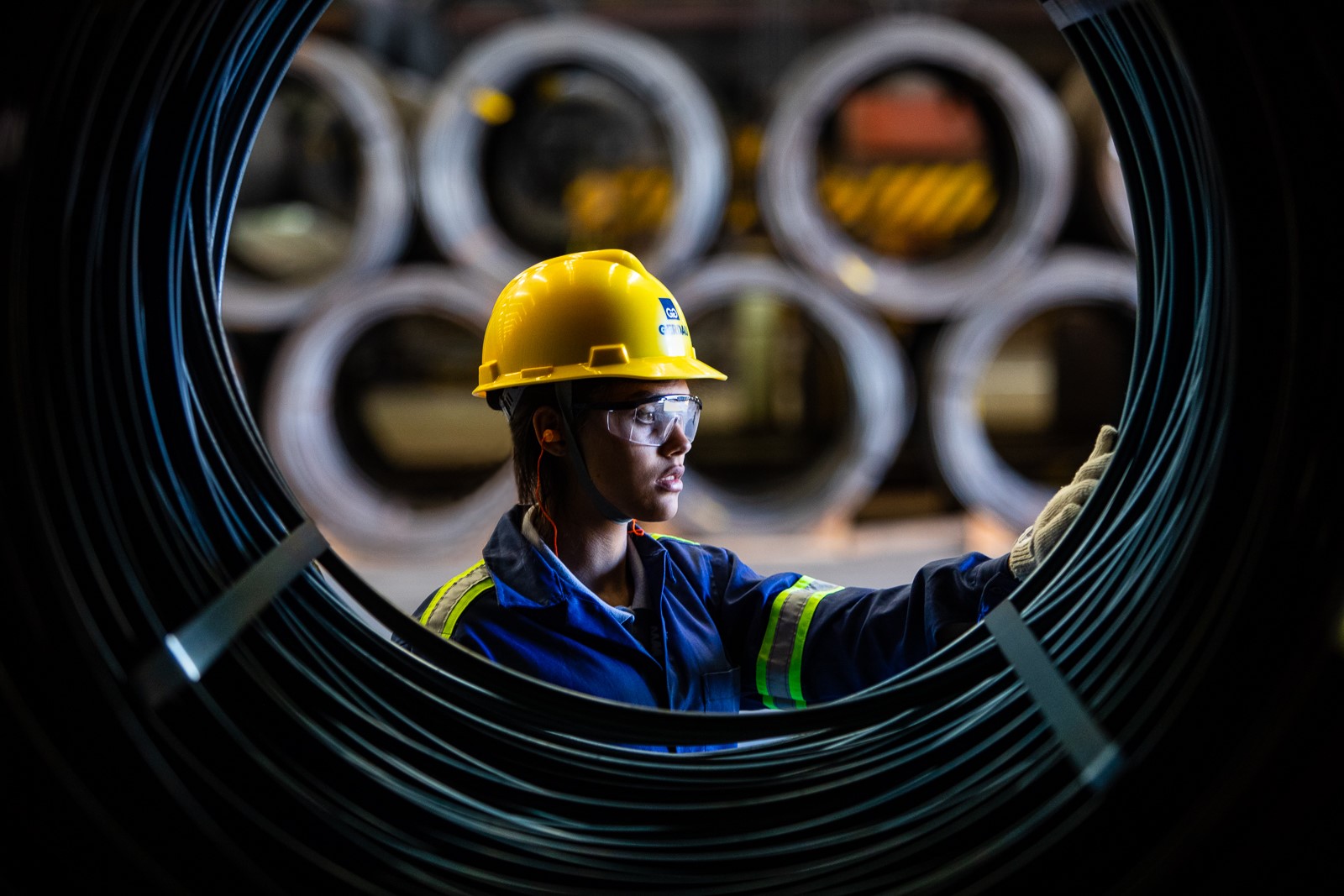
South Korea’s Hyundai Steel reports 10% on year decline in 2020 output

South Korea’s Hyundai Steel posted a 10.1% year on year fall in its 2020 crude steel production at 19.07 million mt, the steelmaker said Jan. 28, citing weaker global demand due to the COVID-19 pandemic and streamlining activity.
Other factors included lower steel prices and sales in the year due to a slump in industrial demand from sectors such as automobiles and shipbuilding.
South Korea produced 3.51 million vehicles in 2020, down from 3.95 million vehicles a year earlier, data from the Ministry of Trade, Industry and Energy showed.
Most the decline came from Hyundai Steel’s electric arc furnace, or EAF, production, which fell 15.0% year on year to 7.96 million mt while output from conventional blast furnaces fell 6.3% to 11.12 million mt in 2020.
The company had shutdown its EAF at Dangjin steel complex in South Chungcheong province in June due to poor steel demand along with one of its mini steel mills for renewal works.
Hyundai Steel said it streamlined its business by shutting a 1 million mt/year steel mill at its Dangjing steelworks and a 170,000 mt/year color steel plate plant at its Suncheon steelworks.
Due to the bearish factors, Hyundai Steel swung to a non-consolidated net loss of Won 456 billion ($408.31 million) in 2020 from a net profit of Won 33 billion in 2019.
Although it projects steel sales in 2021 to fall by 1.7% to 19.34 million mt, the company will focus on high-value added steel sales such as automotive steel for electric vehicles to create new demand.
Hyundai Steel expects global economies to recover in 2021 due to the development of vaccines for the coronavirus.
Amid the economic recoveries, it forecasts that South Korea’s vehicle production will rise 8.5% to 3.81 million units in 2021 while new order for ships will increase by 11.1% to 9.67 million CGT (Compensated Gross Tonnage).
Hyundai Steel has an overall crude steel production capacity of 24 million mt/year.
— Clement Choo, Samuel Chin

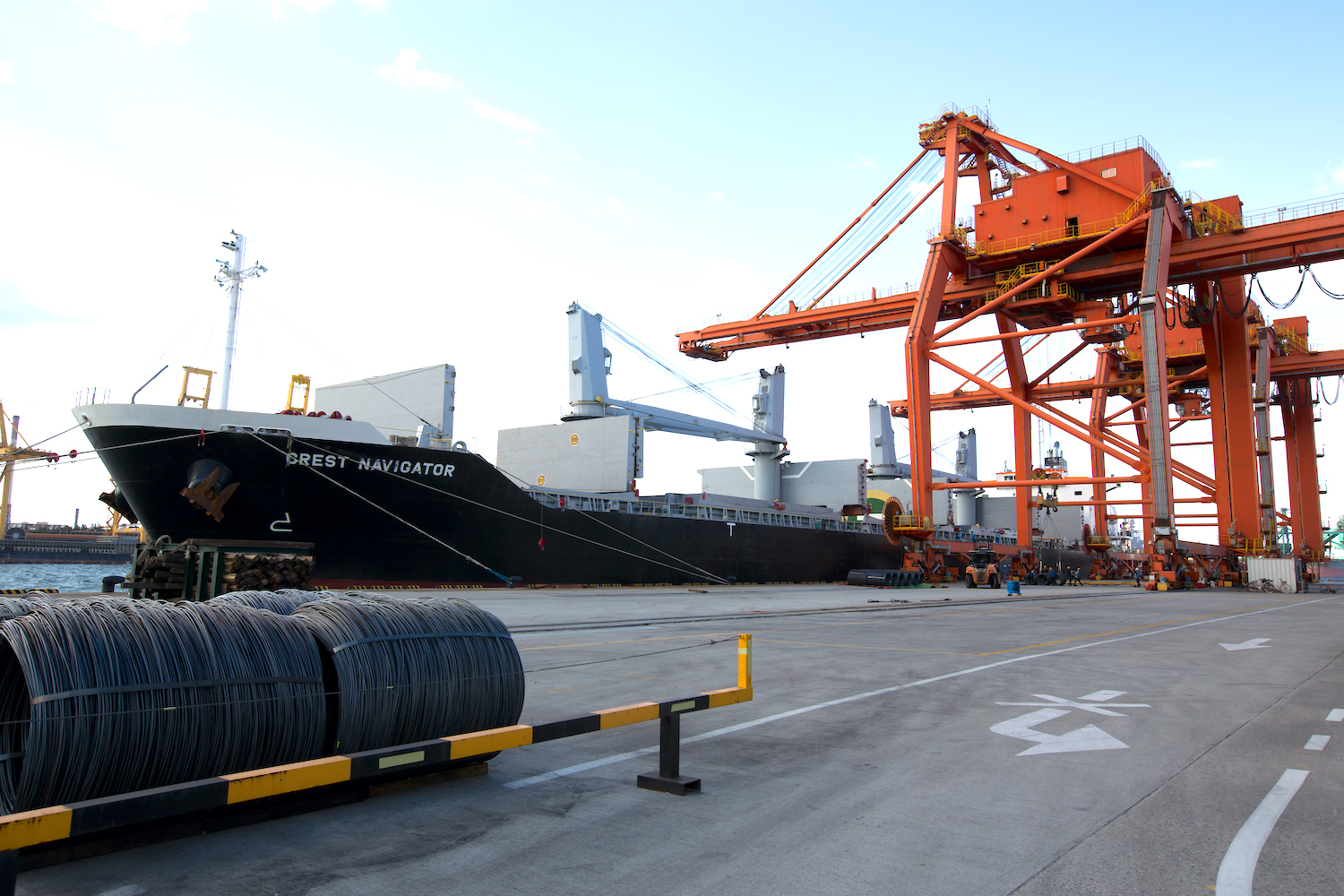
POSCO posts 6% annual fall in crude steel output for 2020 due to demand slowdown

South Korea’s POSCO produced about 35.93 million mt crude steel in 2020, down 5.5% from 38.01 million mt in 2019, the steelmaker said Jan. 28.
POSCO attributed the lower production to steps to cope with a slowdown in demand resulting from the pandemic, and a revamp of its No. 3 blast furnace at Gwangyang that restarted on July 10, 2020, after completing scheduled works that lasted 20 months.
The revamp raised the furnace’s volume to 5,500 cu m from 4,600 cu m and output by 25% to 4.6 million mt/year.
The furnace is expected to boost POSCO’s crude steel production in 2021 as it will be the first time it will be running for a full year.
“Sales of automotive, billet, and slab products slow[ed] due to decreased global demand, but partially made up through increased sales of steel raw materials to China and expansion of (the) E-sales platform,” its parent, POSCO International, said the same day. About 380,000 mt of steel were sold through the platform, known as Steel Trade, in 2020. The platform was launched in November 2019.
Along with an expected recovery in global demand in 2021 due to the development of COVID-19 vaccines, POSCO expects crude steel production to rise to 37.80 million mt this year.
The steelmaker plans to boost efficiency by upgrading its high-grade steel production capacity and expanding into smart factories.
For instance, POSCO and Tata Steel Europe will develop new steel grades and tube technologies for hyperloops, which are tubes large enough to carry passenger or freight pods at more than 1,000 km/hour while using very little energy.
POSCO also plans to produce 5 million mt of green hydrogen by 2050 to reduce its dependency on fossil fuels and move to renewable energy sources as it works to decarbonize its steelmaking by 2050 by using green hydrogen to replace coal.
South Korean steelmakers manufactured 67.12 million mt of crude steel in 2020, down from 71.42 million mt the year before, data from the World Steel Association showed.
— Clement Choo, Samuel Chin
Arvedi to invest Eur227 million for green projects
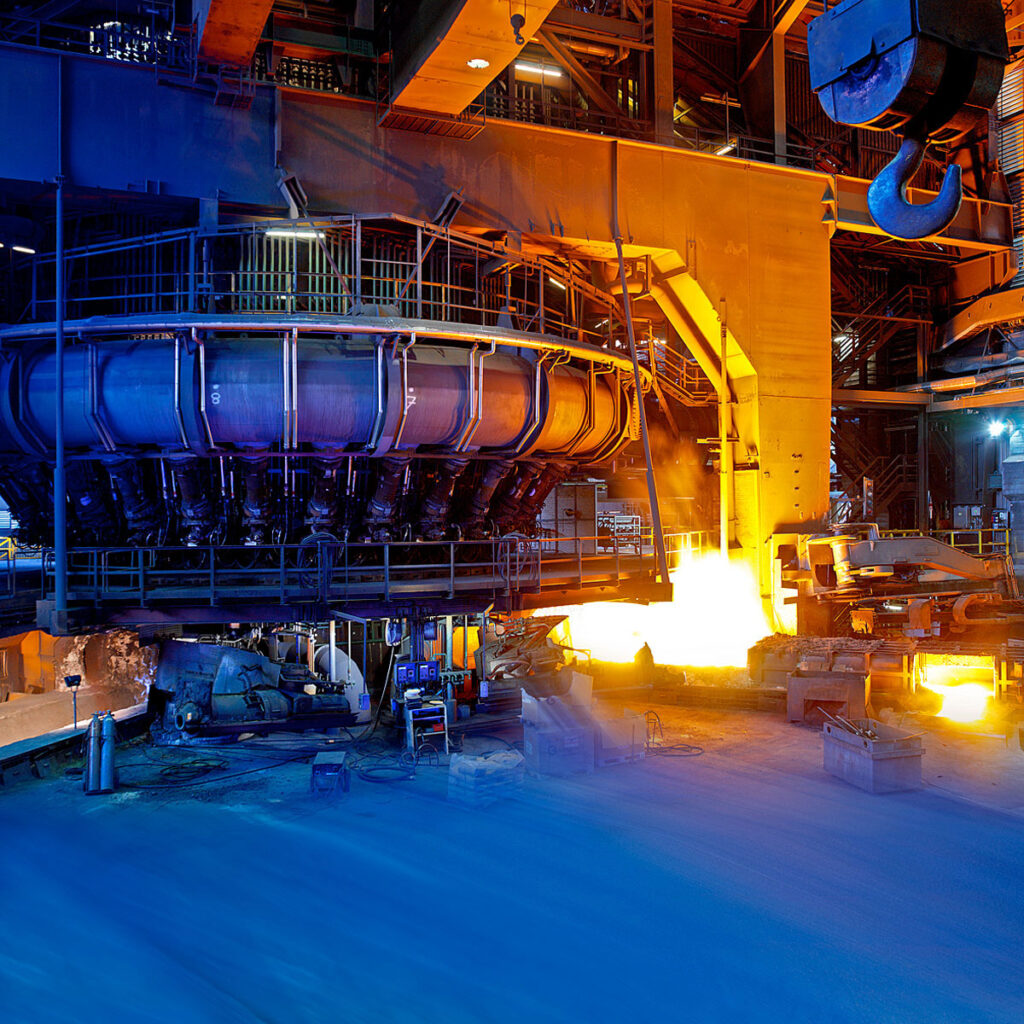
Arvedi, the second largest Italian steel producer, is going to invest around Eur227 million for the green conversion of steel mills in Trieste and Cremona, the Italian government said on Jan. 28.
The intervention will take place with the support of the Ministry of Economic Development, which will grant through Invitalia, Italy’s agency for investment promotion and enterprise development, Eur50 million with a development contract that will be co-financed with Eur200,000 by the Friuli Venezia Giulia Region and with Eur500,000 by the Lombardy Region.
Arvedi a few weeks ago in a press note said it received a large “green loan” guaranteed by SACE, the Italian Export Credit Agency specialized in supporting the growth and development of businesses and the national economy, to comply with the EU’s environmental targets. The operation, lasting six years and for a total amount of Eur240 million, was successfully closed by recording an over-subscription that gave rise to an allotment of the shares between the participating banks.
The green investments will provide for the Arvedi Trieste site Servola (in the Friuli region) the construction of new galvanizing and painting lines (with an investment of Eur86 million) and an intervention in the EAF at the Cremona site ( Lombardy Region) for Eur53 million to feed the electric furnaces with 100% ferrous scrap rather than with a mix of pig iron and scrap, the Italian government press note said.
The Green Energy for Steel coalition of electric utilities in Cremona also adheres to the development agreement, thanks to which a new high-efficiency cogeneration plant will be built for over Eur56 million to serve the production site in Trieste, with a lower-impact combined cycle environment and with greater energy efficiency than the existing power plant, the government note stated.
The investment also includes a research and development project, worth Eur32 million, linked to the investments for the Cremona plant. The goal is to obtain high quality steel production with the exclusive treatment and processing of ferrous scrap, reducing CO2 emissions.
— Annalisa Villa
US buyers have second HRC cargo from Turkey in transit, potential for more
US buyers are waiting on their second hot-rolled coil cargo from Turkey after booking the first cargo in two years last November, market sources confirmed on Jan. 28. Record-high domestic HRC prices and a shift in Turkish input costs is leaving the window open for a potential third cargo in the short-term.
The cargoes, both of approximately 15,000 st, are set to arrive in early February and April into Houston, according to a trader. The country had remained active for value-added sheet products since the 2018 tariffs but was almost dormant on HRC sales to the US given prohibitive tariffs and limited price spreads.
After the 25% tariffs were put in place, US imports of Turkish HRC plummeted to just 10,477 st total in the two-year period of October 2018 to November 2020, according to US Department of Commerce data. US HRC imports from Turkey totaled 27,805 st in September 2018, the last month there was a large cargo.
The recent booking of HRC from Turkey left US buyers eyeing the possibility of another cargo, given the record-high domestic prices and lack of availability until late-March or April production. Buyers were showing more interest in a potential arrival before summer as anything later could be past the tipping point of domestic prices.
US HRC prices have surged more than 157% since hitting a multi-year low in August 2020 and are now at $1,134.75/st on an EXW Indiana basis as of Jan. 28. Turkish HRC export prices have also surged higher over the same period but have started to crest since the beginning of the new year at approximately $707/st FOB Turkey.
The more than $430/st spread left room for Turkish steelmakers to sell into the US market after factoring in the tariffs and freight, according to market sources.
A buy-side source who is familiar with the Turkish market saw weakening rebar sales in the area as another incentive for steelmakers with optionality to raise their HRC output. Multiple Turkish steelmakers have the ability to produce rebar and HRC at the same location. Falling rebar prices and lower input costs are likely to lead Turkish mills to utilize more HRC production. Domestic demand and export activity for Turkish rebar has recently faded, according to the source.
— Ali Oktay

Revista InfoAcero Enero 2021
En el siguiente enlace pueden acceder a la edición de enero de nuestra revista: INFOACERO ENERO 2021
A continuación destacamos algunos de sus contenidos:
- Opinión – D. José Horcajo – Junta Directiva de la UAHE.
- Evolución del Índice de Precios de Productos Siderúrgicos – UAHE.
- Formación UAHE: Cursos organizados por la asociación en el primer trimestre de 2021.
- Sector Metal: Informe de Coyuntura del Metal (Confemetal); Producción Mundial de Acero (WorldSteel Association)
- Colaboración ASCEM: Fondos Next Generation EU