

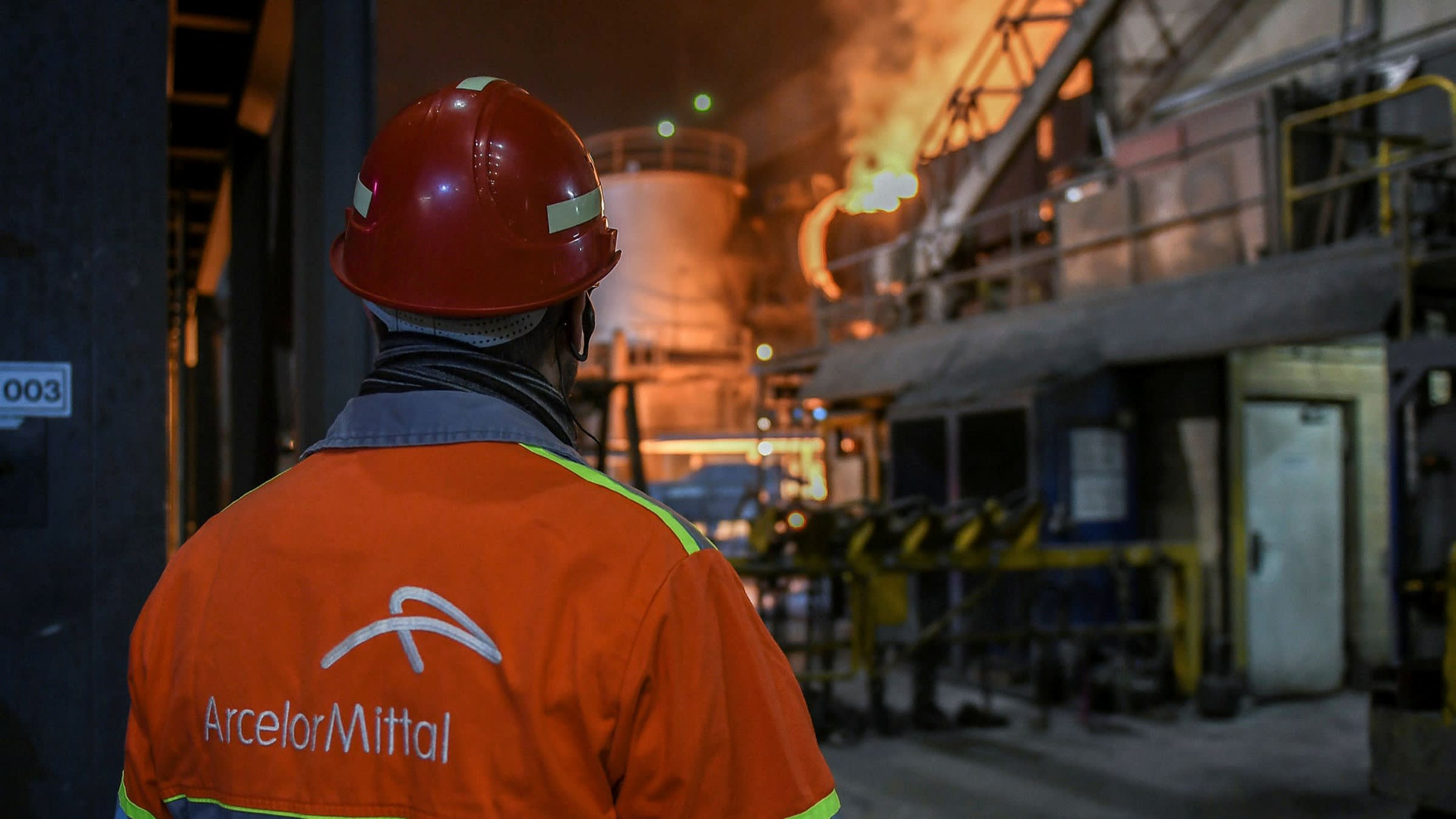
ArcelorMittal joins biogas project in Luxembourg
Vow ASA, a specialist provider of technology for decarbonising industries, has signed a memorandum of understanding with ArcelorMittal to build a biogas production plant that will reduce CO2 emissions from steelmaking.
Vow subsidiary ETIA and ArcelorMittal’s Europe – Long Products unit will work together to build what they claim is the first dedicated biogas plant for the steel industry, using ETIA’s pyrolysis technology. It will be built at ArcelorMittal Rodange in Luxembourg, which specialises in the production of grooved rail.
The partners aim to have the Rodange biogas plant operational in 2023. The biogas will be made using Vow’s patented “Biogreen” pyrolysis technology, which involves heating sustainable biomass at high temperatures. The gases emitted during this process are then captured and processed into biogas, which will directly replace the use of natural gas in the Rodange plant’s rolling mill reheating furnace, Kallanish understands.
By-products such as bio-coal will also be created during the process, and re-used within ArcelorMittal, directly replacing the use of coal, the steelmaker states.

Distributor demand boosts USSK sales, automotive outlook good

US Steel Kosice (USSK) reported an 11% on-year growth in steel shipments in the fourth quarter of 2020 to 840,000 net tons, helped by increased flat steel distributor shipments. The firm expects to ship 3.9-4.1 million nt of steel in 2021, and foresees a $115 million unfavourable change in CO2 credit costs versus 2020.
Fourth-quarter average sales price was down -3% on-year to €547/tonne. Raw steel production was up 25% to 966,000nt, giving capacity utilisation of 77% versus 61% a year earlier, Kallanish notes.
Net sales rose 18% to $564 million, while Ebitda was positive $61m versus negative $7m a year earlier. Earnings were boosted by lower costs for internally sourced iron ore and lower costs for coking coal, as well as cost control measures and lower maintenance costs.
The Slovakian plant sourced 506,000nt of iron ore pellet and fines from US Steel’s Flat-Rolled unit compared to zero in Q4 2019.
European automotive demand is accelerating into the new year, with USSK’s order book suggesting robust demand will continue through the first quarter, says parent US Steel. Appliance demand is also projected to improve in 2021. OEM production remains resilient as consumers have altered buying habits to facilitate more online appliance purchases. Construction demand is projected to improve in 2021 but remain below 2019 levels.
In 2020 USSK’s shipments fell -15% on-year to 3.04mnt and the firm more than trebled its pellet and fines sourcing from its parent company to 1.42mnt. Raw steel output fell -14% to 3.37mnt, meaning capacity utilisation was down to 67% from 78% a year earlier.
Net sales fell -19% in 2020 to $1.97 billion but Ebitda trebled to $35m.

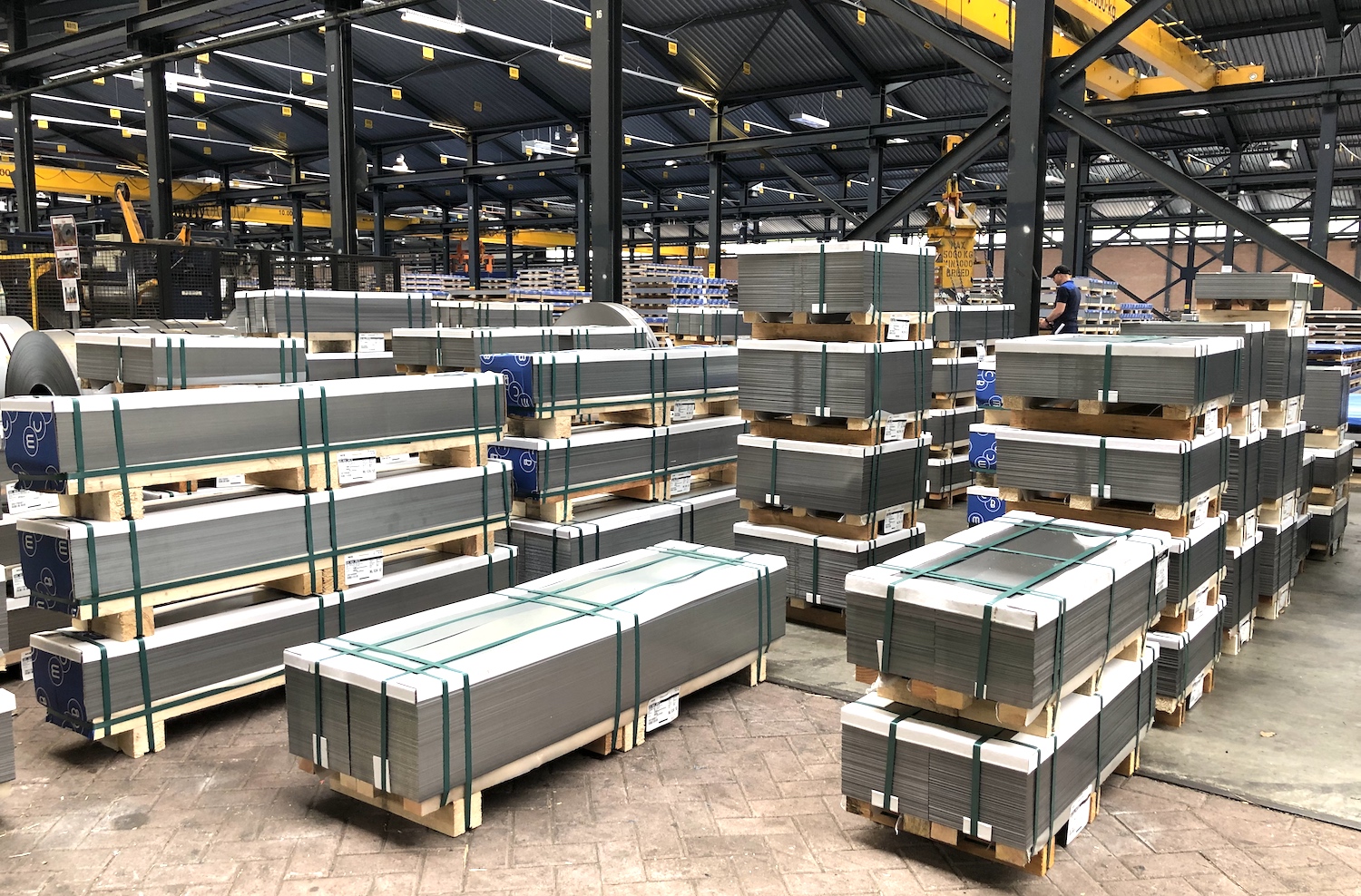
EUROMETAL urges EU to ‘care’ about steel consumers
European steel distributors association EUROMETAL has written to European Commissioner for trade Valdis Dombrovskis suggesting he look at pricing evolution in steel markets over the past 18 months when reviewing the current steel safeguard, which is due to lapse in June.
“Once more, we need the commission to assist and care about the steel users and steel consuming industries. There will be no market for the steel production if there is not a market of consumers,” the letter said, which was signed by EUROMETAL president Fernando Espada and managing director Daniel Guinabert. It follows a letter by 12 European member states — supported by Eurofer — seeking a review and extension of the safeguard.
Since 3 June 2019, Argus‘ benchmark northwest EU hot-rolled coil (HRC) index has risen to €707/t from €476/t, an increase of €231/t. Pent-up demand and a lagging increase in supply since September last year has seen appetite outstrip production, leading to huge price jumps in the past few months — the index has soared by €309/t since 8 June 2020.
The surge in demand and softer supply has been exacerbated by a lack of import penetration in recent months. The EU imported just 257,813/t of HRC in November last year, Eurostat data show. This was the lowest import figure in almost eight years. The reduction was driven by a number of factors. Covid-19 impacted the European industry heavily, meaning local prices were lower than those in the rest of the world, reducing import demand over summer. At the same time, a number of regions cannot sell into Europe because of dumping duties — China, Russia, Brazil, Serbia and Ukraine all have duties that keep volumes in check. Turkey now has a provisional dumping duty, while the duty of Severstal, the only Russian producer that can still sell HRC into the EU, is being reviewed after petitions from Eurofer.
Undoubtedly, Eurofer will also be monitoring shipments of hot-dip galvanised coils from Turkish producers, given the latter are now buying competitive Chinese HRC substrate. This could further curb supply for European service centres, should action be taken.
European producers would suggest nothing has changed since the steel safeguard was implemented in response to Section 232 in the US. While Donald Trump has left office, the duties are still in place, meaning Europe could be hit with more imported material if the measures lapse.
At the same time, service centres would point to current spreads to blast furnace raw materials — at $442/t yesterday — which are at record highs. Some European mills have “derisked” their businesses by targeting the booming North American market of late, while limiting contractual tonnages for domestic buyers. Service centres would argue they should be able to procure the requisite tonnages from domestic producers, given they are protected from third-country tonnes.
By Colin Richardson

Tata Steel still seeking ‘sustainable solution’ for European portfolio
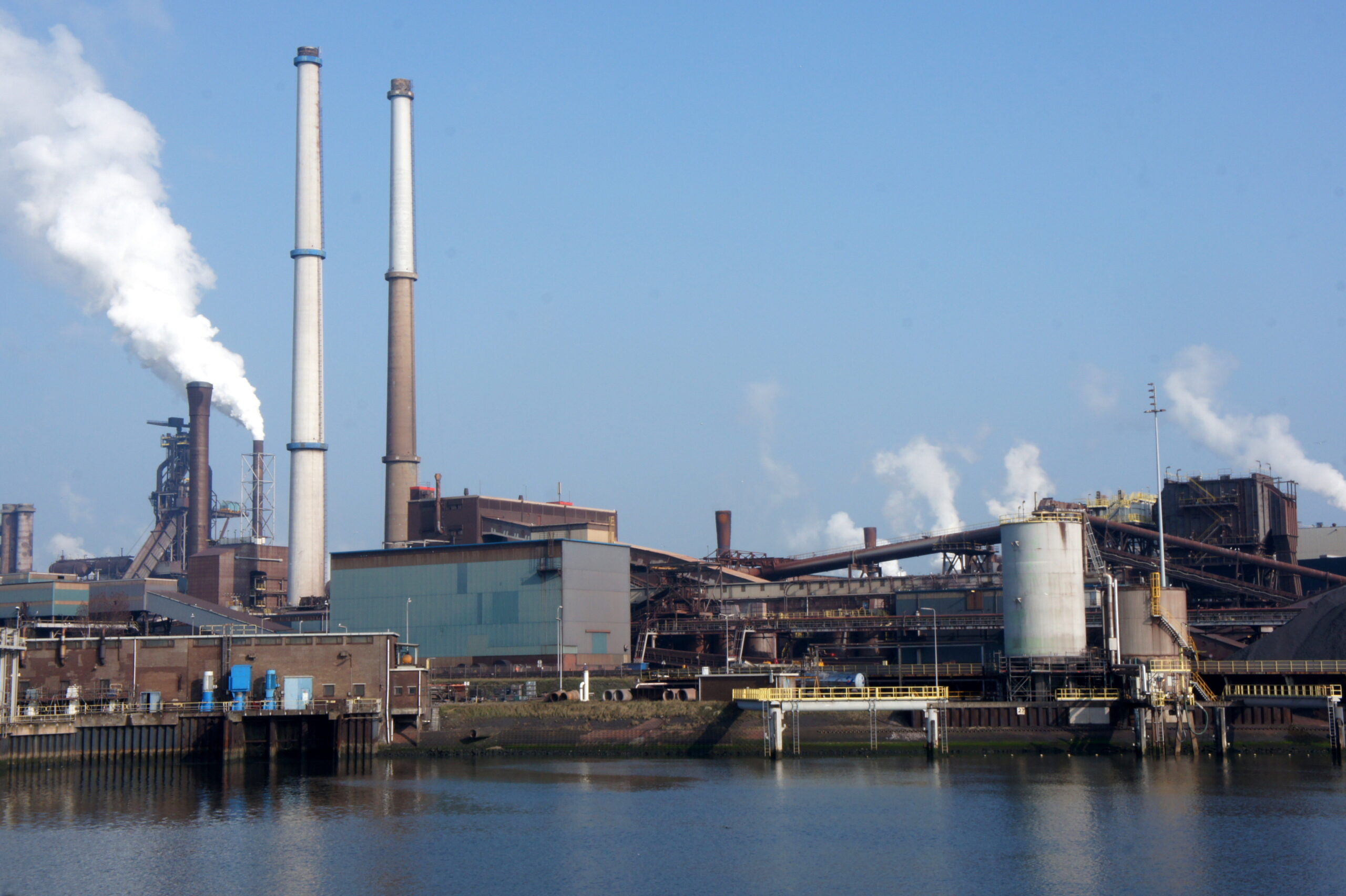
Tata Steel said Jan. 29 it remains “committed to finding a sustainable solution for its European portfolio” after talks ended with Swedish steelmaker SSAB on a possible acquisition of Tata Steel Europe’s integrated IJmuiden works in the Netherlands.
“Tata Steel confirms that SSAB has withdrawn its initial interest for Tata Steel Netherland business,” the India-based steelmaker said in a statement. “However, Tata Steel wishes to confirm that it is committed to arriving at a strategic resolution for its European portfolio. Tata Steel’s IJmuiden plant is among the most environmentally efficient and cost competitive steel producers in Europe.”
Tata Steel’s intention is to continue with the plan to separate its UK business, centered around the integrated Port Talbot steelworks, and its Netherlands business, centered around IJmuiden, as announced in November 2020, according to company sources.
In the case of the UK operations, “discussions with the UK government to seek both short- and longer-term support for Tata Steel’s UK operations continue,” a Tata Steel spokesman told S&P Global Platts.
SSAB, in talks with Tata Steel over the future of IJmuiden and related downstream assets for several months, said Jan. 29 that these talks had concluded. SSAB, which is planning to lead the market with production of the first fossil-free steel by 2026, said it could not be sufficiently certain that acquisition of IJmuiden would allow it to implement its industrial plan with the preferred technical solutions as quickly as it would wish.
“We cannot align Tata Steel IJmuiden with our sustainability strategy in the way desired,” SSAB president and CEO Martin Lindqvist said in a statement.
Lindqvist added on a conference call with analysts that he considered Tata Steel IJmuiden to be a “fantastic facility” with a “broad product program and good cost efficiency,” describing it as “probably the best integrated strip steel facility in Europe,” but adding that it did not fit into SSAB’s overall strategy “on cost-related issues.”
SSAB did not speak to the government about any matter related to the potential acquisition of Tata’s Netherlands plant, Lindqvist said.
Tata Steel is among the world’s largest steel companies with an annual crude steel capacity of 34 million mt/year, with around two-thirds of its business based in India. The company recorded a consolidated turnover of $19.7 billion in the financial year ending March 31, 2020 and said Jan. 29 it remains committed to undertaking significant deleveraging in FY21 and beyond.
SSAB still eyeing green steel M&A
SSAB will continue to look at other potential merger and acquisition opportunities in the green steel area, Lindqvist told the analysts.
“We will look at possibilities of broadening our product portfolio in this area; customers are asking us for this,” he said. “If we see an opportunity to further increase the speed to target this development (of fossil-free steel) we will definitely take a look.”
The company is in final discussions on where to locate its innovative joint-venture HYBRIT fossil-free steel demonstration plant. It expects the first batches of steel from the pilot plant produced using hydrogen early this year, and then will work with customers on prototypes, he said.
— Diana Kinch

EU approves Invitalia, ArcelorMittal partnership for Ilva
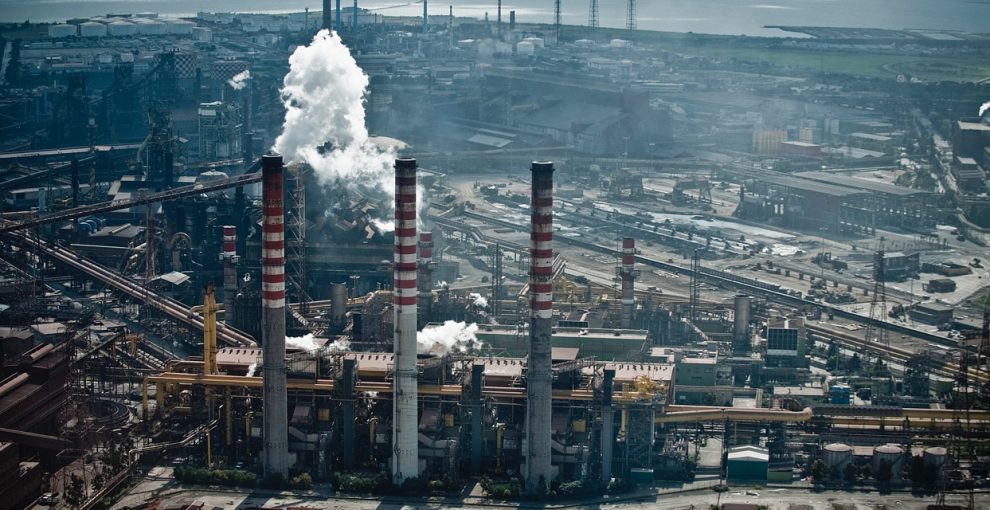
The European Commission has given ArcelorMittal’s Italian entity AM InvestCo Italy and government financial body Invitalia the go-ahead for the merger involving former steelmaker Ilva, Kallanish learns from the Commission.
On 6 January, the EU received notification of a proposed concentration by which Invitalia and ArcelorMittal are to acquire joint control of the whole of AM InvestCo Italy, controlled by ArcelorMittal. The European Commission has decided not to oppose the notified operation and to declare it compatible with the internal market and with the EEA Agreement, it says in a note obtained by Kallanish.
In December ArcelorMittal signed a binding agreement with Invitalia. The parties formed a public-private partnership. The investment agreement will result in the recapitalisation of AM InvestCo, ArcelorMittal’s subsidiary which signed the lease and obligation to purchase agreement for Ilva (see Kallanish 11 December).
EU steel plate inventories low, demand weakens
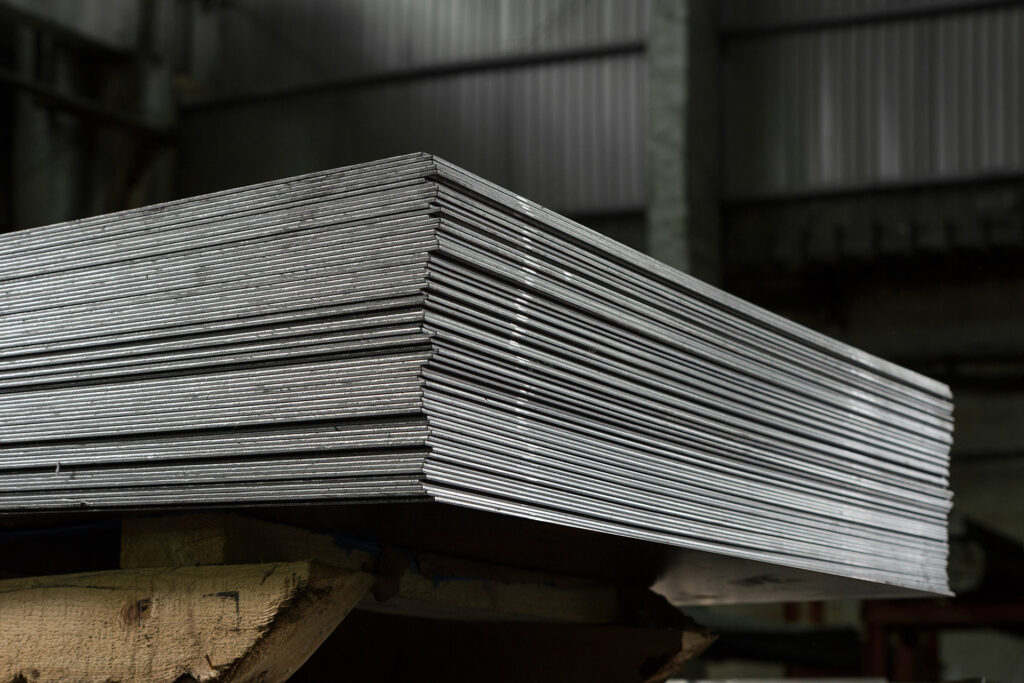
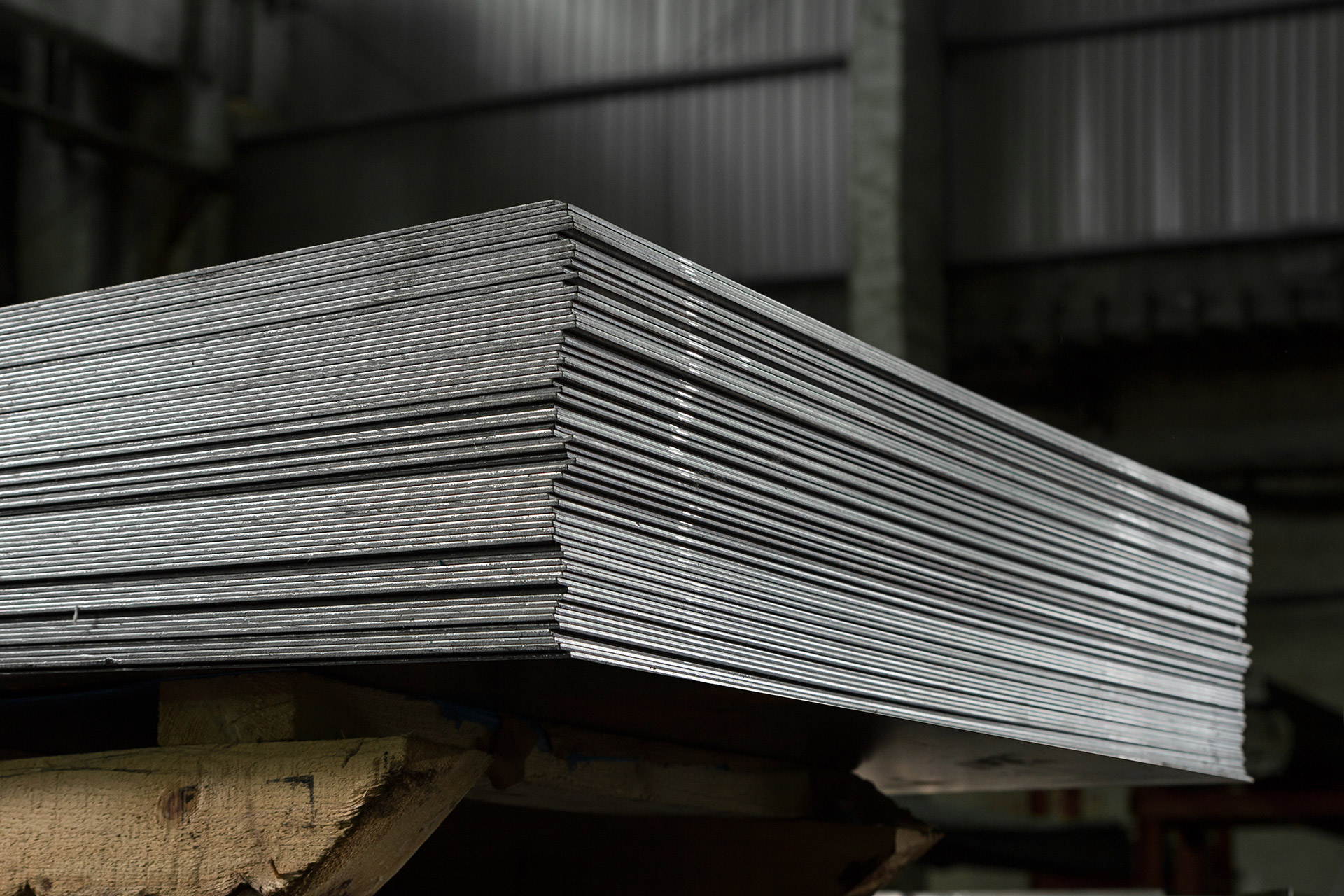
The European steel plate market was slightly higher Jan. 29 as high slab costs and depleted stocks increased plate prices, and the market calm with few enquiries due to a slowing construction sector, sources told S&P Global Platts.
North European plate offer prices were heard at Eur710/mt ex-works Ruhr, with tradable values heard between Eur680-685/mt ex-works Ruhr.
On the demand situation, an Italian trader said there were few inquiries in a ‘calm’ plate market, with Eur660/mt ex-works Italy considered workable, and offers at Eur680/mt ex-works Italy.
Lead times were heard to be longer for plate, with depleted inventories in Germany heard to be at 30-year lows.
“There are no extraordinary sales, inventories are low. The trend in Germany was always down. Inventories were reducing each month. Its been historic lows for plate inventories for the last 4-5 months,” an Italy-based mill source said. “Inventories were like this for the majority of 2020, stockholders were not buying enough and consequently not selling enough.”
Unlike the coil surge being driven by the automotive industry, the plate market has struggled due to a weakening demand from the construction sector, which normally consumes between 35%-50% of all plate in Europe.
“Coils are much better covered than plate – buyers have already booked for March-April delivery, while in plate they are just entering requirements for March,” the trader said. “Therefore, in Q2, plate should be a lot more supported.”
A Benelux trader said it would take more time for Plate prices to reach their peak and said there was still sustained interest from the construction sector in Spain.
“The demand is still there, there is a stabilized market,” the trader said.
Plate import prices from the Far East were heard at Eur640/mt CIF Italy Ports.
— Amanda Flint