

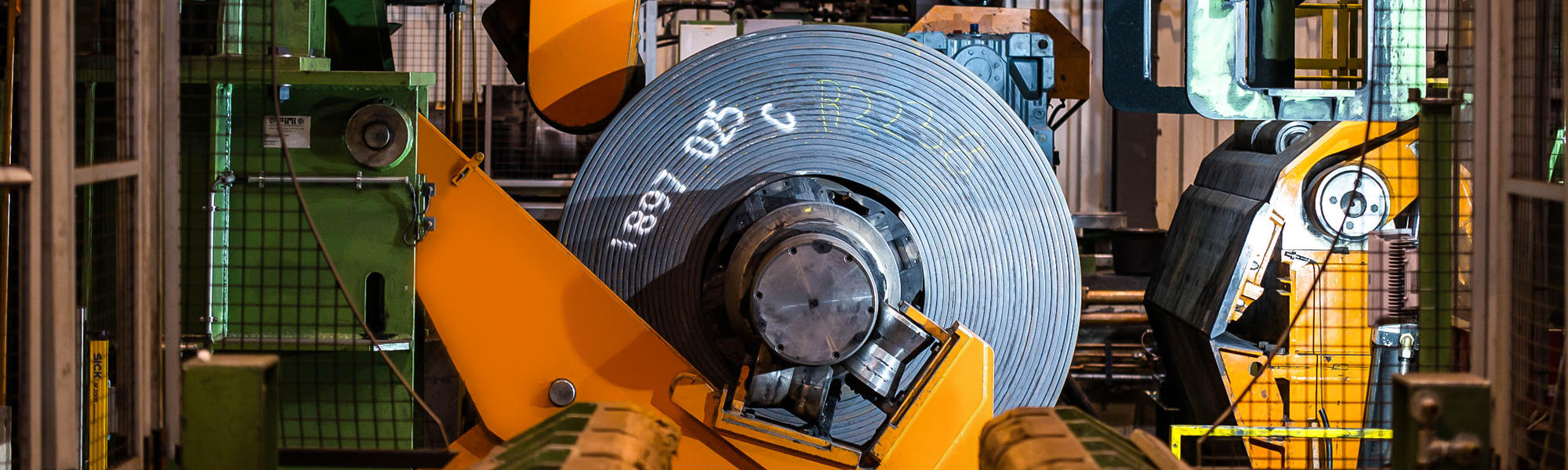
EU HRC import offers drop, India exhausts quotas
Hot rolled coil import offers into Europe have moved down somewhat during the last two weeks, as an immediate consequence of the global cooling of steel prices, Kallanish learns from sources.
The nominal reduction in prices, nevertheless, has not had an impact on the domestic European market. This is because of the anti-dumping measures in place as well as the safeguard system.
Indian suppliers are now offering HRC into southern Europe at some €665/tonne ($800) cfr, down almost €30/t since the beginning of January. A trader confirms the figure but adds these quotes are mainly coming from traders, shorting the market at a moment of uncertainty. “Similar offers have been seen from Taiwan, but the reality is no one is ordering in Europe at the moment,” the trader comments.
The new offers can nevertheless only be considered for second-quarter deliveries as Q1 quotas for Indian HRC have already been exhausted. According to the official EU quota system, India used up all of its over 160,000 tonnes of tariff-free quotas available.
Other countries, such as Turkey and Russia, still have ample quotas available. Indian-origin HRC imports will in Q2 also have the possibility to use up to 30% of the “other countries” sub-group, meaning a further 300,000t of tariff-free allowances from India will become available for the market.
“Prices are starting to turn in the international market, but domestic European prices are holding,” another trader notes. “India seems the only alternative to European supplies, but for deliveries from May onwards. Turkey is less competitive due to duties, and other suppliers like South Korea are not widely offering volumes.”
Sources contacted also add that no price reduction has been observed yet for cold rolled or hot-dip galvanized coil.

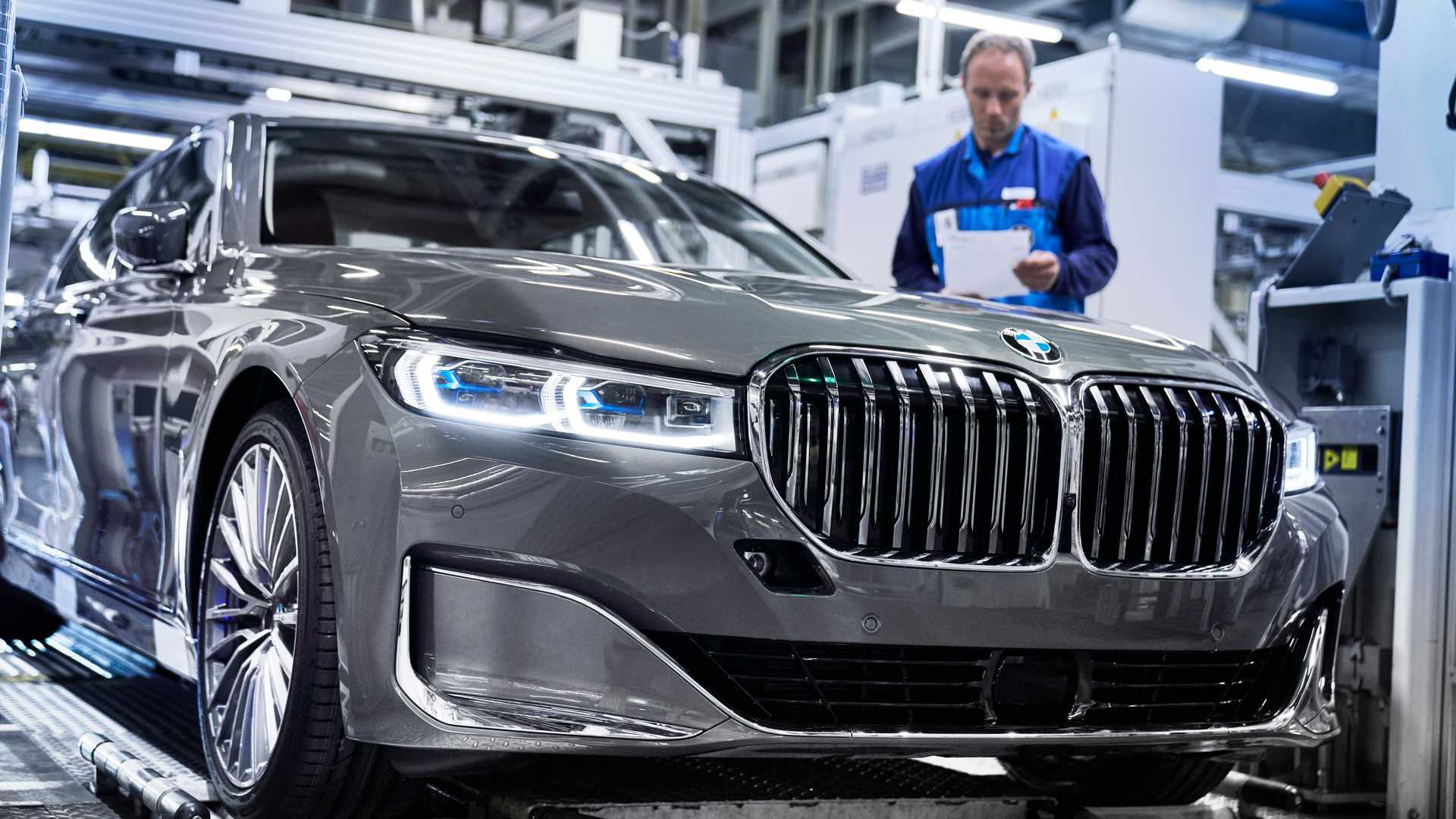
Domestic demand recovery to boost EU carmakers: ACEA

European carmakers association ACEA believes EU domestic car sales should recover swiftly, mainly during the second half of the year.
In a note seen by Kallanish, the association predicts that car sales should increase 10% on-year in 2021. “The fallout of COVID is expected to persist into the first quarter of 2021, but the car market should pick up in the second half of the year as vaccination programmes progress,” ACEA says.
Oliver Zipse, the association’s new president and BMW’s chief executive, notes that European carmakers were able to limit damages last year thanks to the recovery of demand seen in Asian markets. “Nevertheless, the sustainable economic recovery of the European Union and local demand is vital for our return to pre-crisis strength,” he adds.
In 2020 car sales fell by over -23% y-o-y to 9.9 million units in the EU, down some 3m units compared with 2019.

Turkish mills foresee further 2021 output growth
The Turkish Steel Producers’ Association (TCUD) anticipates Turkish crude steel production to increase in 2021, exceeding 2017 output and compensating for losses in 2018 and 2019. This comes after output rose 6% on-year in 2020 to 35.8 million tonnes, making Turkey the world’s seventh and Europe’s largest steel producer.
The 2020 growth was achieved despite global production cuts due to the Covid-19 pandemic, as well as protectionist measures limiting trade.
In December alone Turkey’s crude steel production increased 17.7% on-year to 3.4mt.
Production, which contracted -4.1% due to the pandemic in the first half of 2020, rose 16.6% and 16.2% in the third and fourth quarter respectively.
December finished steel consumption was 2.4mt, down -10.3% on-year. Finished steel consumption increased 42.7% in Q1 and then declined -16.9% in Q2. In Q3 and Q4 it again increased by 25.2% and 6.6% respectively. As a result, 2020 consumption was up 12.9% to 29.4mt.
Exports of flat and long steel products rose in December by 22.1% to 1.8mt. 2020 exports, however, declined -5.5% to 16.6mt and -10.9% in value terms to $8.6 billion, Kallanish notes.
The product shortage caused by the rapid increase in demand in international markets had a significant impact on imports in December. These fell -31.9% to 994,000t. 2020 imports, however, still grew 4.5% to 12.5mt.
The ratio of exports to imports in 2020 fell to 111:100 versus 121:100 last year due to the increase in imports and decrease in exports.
“Following the recovery in demand in the international market, the additional demand caused by steelmakers turning to the domestic market [due to import supply shortages] caused temporary disruptions in the supply of steel products,” says TCUD general secretary Veysel Yayan.
“The demand in question grew exponentially due to additional buying from consumers to strengthen their inventories, driven by the high rate of increase in input prices in international markets by more than 100%,” he adds.
The demand surge was met by Turkish mills postponing exports and increasing production, as they attempted to resolve the situation, Yayan says.
“The special effort of our producers to meet domestic demand was reflected in exports in January. In the first three weeks in January, exports of flat products shrank by 67% as producers gave priority to the domestic market,” he continues.
Yayan says Turkey’s share of imports from FTA countries and under the inward processing regime, which are subject to zero duty, reached 94.6% of all imports in 2020. “Still asking for zero duty for the rest [of imports] by ignoring Turkey’s current situation is unacceptable,” he adds. “On the contrary, in order to balance our exports, which protectionist measures try to prevent, we need to rapidly narrow imports with zero duty, to take measures to support domestic supply and to review the inward processing regime.”
Slackening iron ore and scrap prices in January did not reflect positively on the protected prices of the US and EU, which have been unaffected, Yayan says. This is in contrast to the $50/tonne finished steel price declines seen in Turkey and other markets.