

Eurozone construction rebounds but post-pandemic uncertainties remain: ING
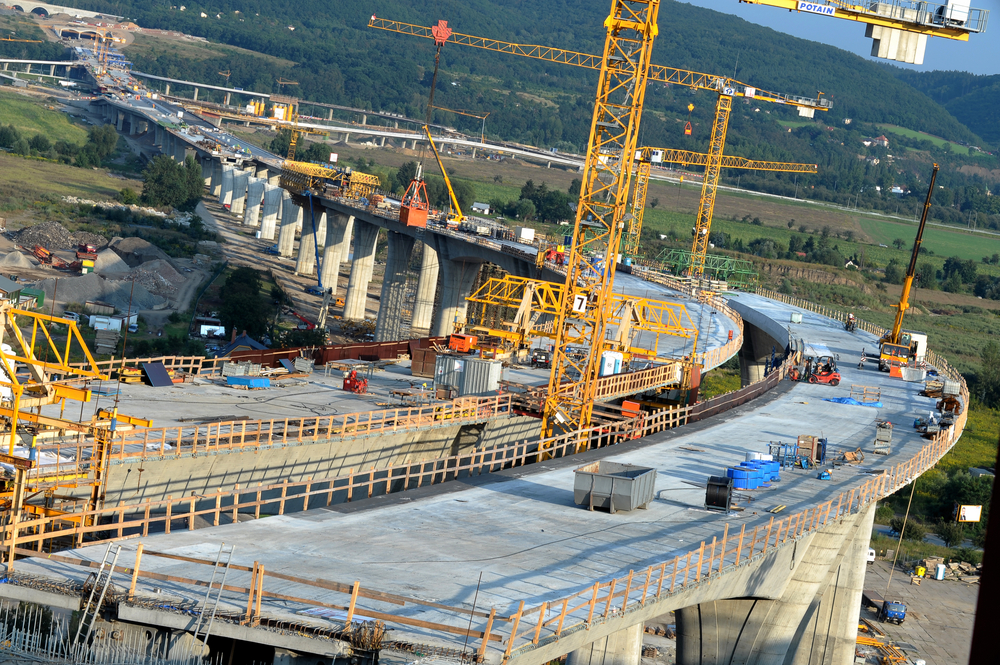
Eurozone construction output should recover by 4% on-year in 2021, but the recession will leave its mark, says ING Bank. Permits for new dwellings – a strong indicator of future production – plunged in France and Spain in 2020, which may hinder the completion of new dwellings in the coming years, even as the pandemic abates.
Infrastructure companies are receiving fewer orders, and the high uncertainty and weakening financial position of many firms mean investments in commercial building are also expected to decline.
During the first Covid-19-related lockdown, the construction sector was only modestly affected, although France experienced a large contraction. Eurozone order books showed only a small decrease from 8.4 months of ensured work at the beginning of 2020 to 8.0 months in January 2021. The rebound this year will be pronounced in countries, such as France and Spain, that had strict lockdowns. More construction sites will remain open in France during the second pandemic wave.
“Given that the uncertainty regarding the duration of the pandemic is very high and the financial position of many firms is weakening, private and public investment is expected to be lower in 2021,” ING says in a report sent to Kallanish. “As a result, eurozone construction output growth is unlikely to fully compensate for the decrease of 2020 this year alone.”
During economic crises, governments typically attempt to stimulate the economy by investing into infrastructure. “However, this time appears to be somewhat different, as it is not certain whether we will return to the same traffic congestion as before,” ING says. “This is because an increasing number of people will probably continue to work from home and fewer people going on business trips.”
Economic recovery schemes for the pandemic are focusing on other investment categories than just infrastructure, with the EU recovery fund aiming to make European economies and societies more sustainable. Moreover, central governments are unlikely to skip or postpone infrastructure projects, but local governments might due to the pandemic.


Outokumpu sees first-quarter deliveries growing 10-20%
Stainless steel group Outokumpu expects first-quarter deliveries to jump significantly compared with Q4 levels, Kallanish learns from the company’s annual results.
“The demand for stainless steel is strengthening and both business areas Europe and Americas are expected to see a seasonal increase in volumes,” Outokumpu says. The jump in Q1 deliveries should be 10-20% on-quarter globally, it adds.
In 2020 the group’s steel deliveries reached 2.1 million tonnes, almost in line with 2019 levels. Turnover was nevertheless down by €800 million ($959.6m) to €5.6 billion ($6.7 billion) and net loss reached €116m compared with a €75m loss in the previous year.
Going forward, the company says it will continue focusing on strict cost and capital discipline, strong customer engagement, and a lean and delayered organization. In Q4 Outkumpu significantly reduced its headcount to make the group leaner and more competitive.
Group chief executive Heikki Malinen has again called for stronger import barriers in Europe for stainless steel. “Import penetration into Europe remains high despite a decrease to 24% in the fourth quarter,” he observes. “We continue to call for available trade enforcement tools to be applied in full to restore a level playing field and secure a sustainable future for the European stainless industry.”
Severstal to reduce capital expenditure in 2021
Russian steelmaker and miner Severstal will invest in 2021 around $1.35 billion into major projects at its steel and resources divisions, some -20% less than in 2020.
The investments continue to form part of the firm’s $2.5 billion strategy spanning to 2023. They will include key focus strategy areas such as customer service excellence, cost leadership and new opportunities, the company says in a statement sent to Kallanish.
The firm will invest around $785 million into the steel division, with $469m invested into development projects including the second stage of coke battery No.11 construction. The latter was commissioned at the end of 2020 and is due for completion in 2022. Additionally, blast furnace No.3 will be brought to design capacity and long-range mill and heating furnaces will be upgraded.
Maintenance of existing facilities is penned at $453m, while industrial safety improvement will receive $42m, along with labour protection and environmental projects.
The resource division, incorporating mining and processing iron ore and coking coal facilities, as well as scrap procurement, will receive $524m, of which $267m will be used to develop production further.
The main phase of construction of the cycle-flow technology complex at the Karelsky Okatysh iron ore mine is one of the chief investment areas this year. This is along with the Yakovlevsky mine, leading to an increase in iron ore mining volumes to 5 million tonnes by 2023.
Ongoing works at the Vorkuta Coal coking coal mine and the development of the Pechegubsky field are aimed at increasing output by 2.4mt to 5.6m t/year in 2023, enabling 90% coking coal self-sufficiency.
Demand weakens for Italian longs
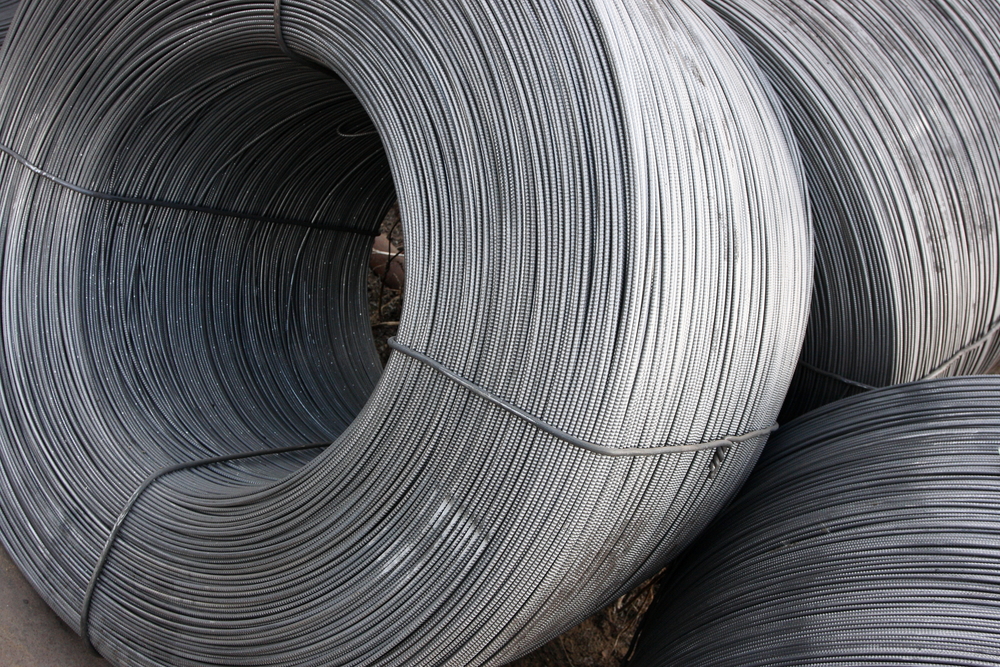
Italian long products demand has weakened this week, with scrap prices falling and rebar values down €30/tonne ($35) in recent days, market participants tell Kallanish.
Rebar has hit the level of €300-320/t base ex-works in the majority of transactions, or €560-580/t including size extras. Other long product prices are however holding for the moment, even though the high point of the January price range is not being paid.
Merchant bar quotes remain at €240-250/t base ex-works. Very few contracts have been signed at €260/t base ex-works. Including size extras, domestic material is at €660-680/t base ex-works.
Meanwhile, the first category of domestic sections remains at €325-340/t base ex-works, with a few high points at €360/t base ex-works. This represents effective prices of €710-725/t and €745/t. Prices increase by €20/t for each subsequent category, sources say.
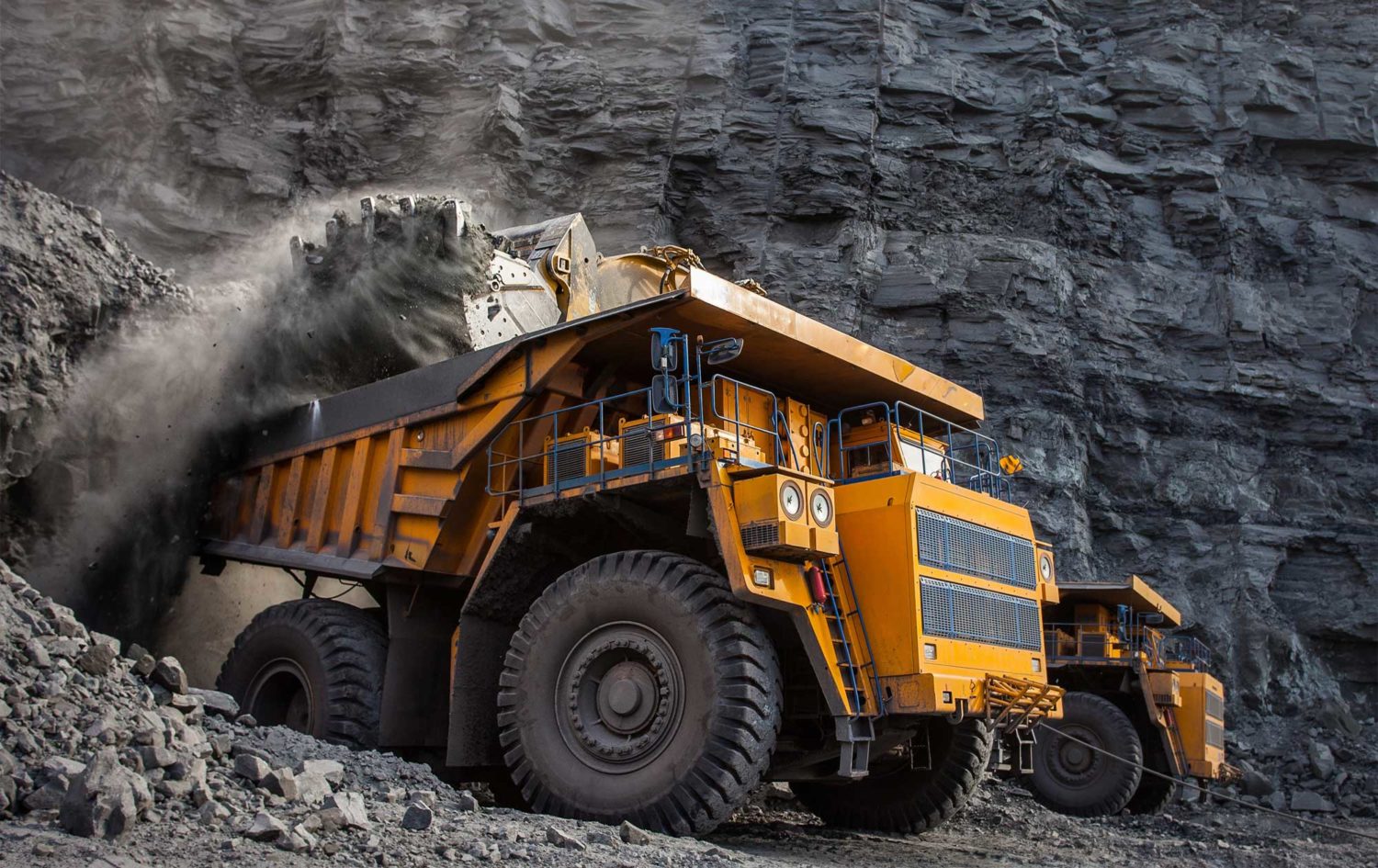
Severstal expects Russian steel demand to recover by 3%-4% in 2021
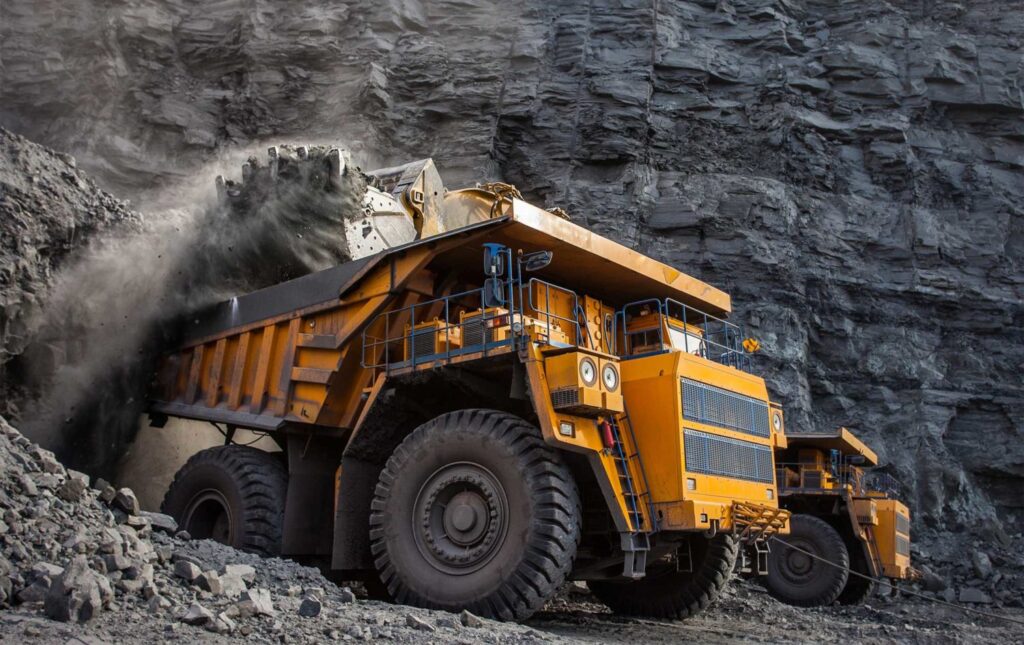
Russian mining and steelmaking company Severstal expects the Russian steel demand to recover 3%-4% in 2021, driven by improved construction activity and recovery in the oil and gas sector, the company said in its financial results statement Feb. 4.
Severstal saw a 3% dip in Russian steel consumption in 2020, which was less than originally anticipated.
The strong upside in steel prices, steel margin expansion and higher production volumes started in the fourth quarter of 2020 should continue to have a positive impact on its results in the first quarter, the company said.
Severstal added it was unclear whether the strong pricing would continue much longer.
Many raw materials and steel prices have recently softened but remain at an elevated level compared with 2020.
In the last quarter, Severstal’s revenues were at $1.72 billion, down 7% quarter on quarter, due to lower sales volumes. Multi-year high steel and iron ore prices partly offset the lower volumes.
Severstal continued to benefit from being a vertically integrated steel producer with $710 million EBITDA in Q4, up 8.2% on the quarter, driven by cost reductions.
In its full-year 2020 results report, Severstal highlighted that its integrated slab cash cost in Q4 declined by $13/mt on the quarter, to $160/mt. In contrast, the non-integrated slab production cost increased by $23/mt to $293/mt.
The company expects to reduce its cost further in 2021 by raising its overall steel and coke production. The steel output growth will be achieved by bringing the new blast furnace no. 3, launched at the end of December, to its design capacity.
Coke production will gradually increase by the second stage of the construction of coke oven battery no. 11, commissioned at the end of 2020, with the full capacity expected to be completed in 2022.
— Wojtek Laskowski
