

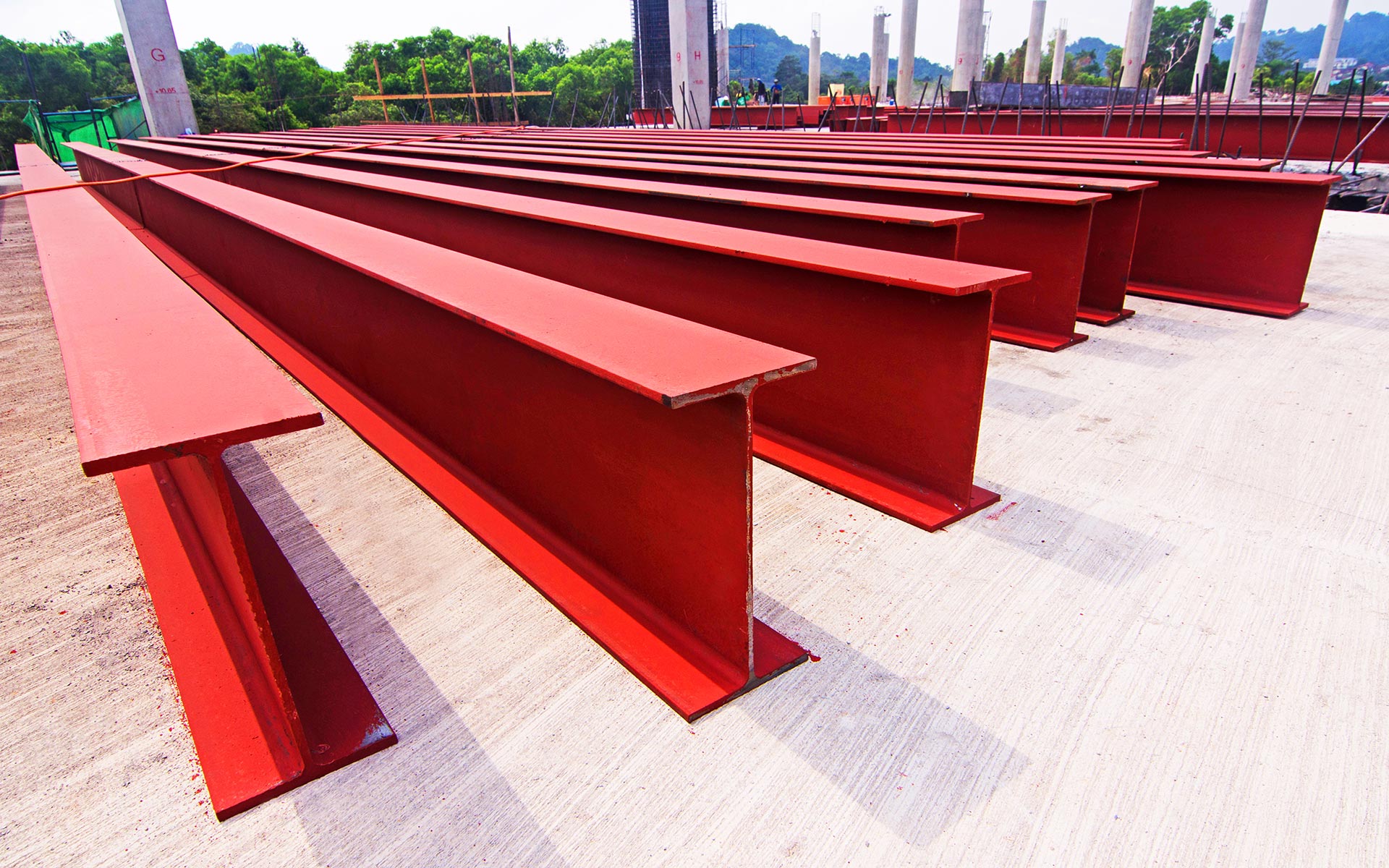
French construction sector improves further
French construction industry managers’ opinion about the sector improved in January, according to a l’Institut National de la Statistique et des Études Économiques (Insee) report monitored by Kallanish.
Companies remain quite confident on the general outlook of the sector in the next three months. More business managers in the construction industry than in the previous month reported that their recent activity increased over the past three months, the report says.
Given their present staff size, companies consider their order books provide 9.9 months of work, slightly more than in December and much more than the long-term average, Insee explains.
Last month, capacity utilisation rate increased again. At the same time, production bottlenecks became more significant after easing in December, concerning 40% of the construction companies surveyed.
In January, significantly more business managers reported an improvement in their cash-flow position. A greater number also said they will increase their prices over the next three months, the report concludes.

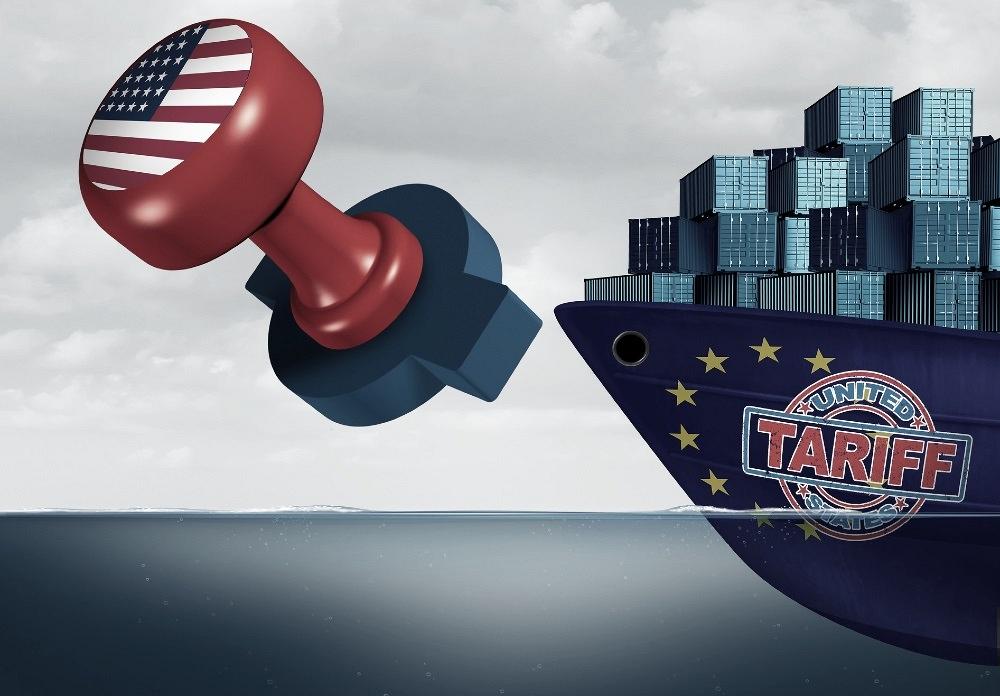
Eurofer throttles hopes for US trade policy liberalisation
European steel association Eurofer director general Axel Eggert warns against expectations for a liberalisation in external trade under new US President Joe Biden.
On the one hand, Biden has long been known as a supporter of trade liberalisation, Eggert notes. As vice president he championed the Trans-Pacific Partnership (TPP), and as a senator he voted for NAFTA and China’s entry into the WTO. This previous attitude does not seem to translate into Biden’s presidency, Eggert finds. “Noticeable by its absence is any change to the aggressive Trumpian trade policy in [Biden’s] initial package of measures,” he writes in a note to members.
Among other things, there has been no move so far to undo Section 232 tariffs. “Indeed, on his fourth day in office, President Biden signed an executive order further strengthening ‘Buy American’ regulations,” Eggert observes. “For now, at least, it would seem that the motivation – if not the rhetoric – behind the ‘America First’ strategy of the previous administration has not changed.”
Eggert calls on EU leaders to take note and defend the bloc’s interests. “Other regions are willing to take advantage of Europe’s promotion of ‘free’ trade without sharing its matching commitment to ‘fair’,” he states in the note seen by Kallanish.
For steel, this means extending existing steel safeguards, and swiftly deploying the full extent of available remedial trade defences when there are grounds to do so. Also, the EU ought to take “…pro-competitive” steps to improve raw materials flows – such as by preventing scrap exports, Eggert says. Thirdly, the EU should ensure that carbon leakage measures remain firmly in place to encourage other regions to follow Europe’s decarbonisation lead.

Steel mills see silver lining in semiconductor shortage
US auto producer Ford could lose 10-20% of its first-quarter production due to the global semiconductor shortage, according to chief financial officer John Lawler.
That’s no cause for concern for steel, however, market sources say.
Lawler notes that the semiconductor shortage is creating short-term volatility for the company’s 2021 guidance.
“The semiconductor situation is changing constantly, so it’s premature to try to size what availability will mean for our full-year performance,” he says. “Right now, estimates from suppliers could suggest losing 10-20% of our planned first-quarter production.”
Balancing the production losses against new initiatives in the EV and autonomous sectors remains a priority, he adds.
“Our team is working with suppliers around the clock to optimise the constrained supply and minimize profit impact, while prioritising customer orders, new-vehicle launches and compliance with C02 emissions regulations.”
A source at one top-tier domestic steel producer says that Ford will compensate for any production shortfall in Q1 with increased output during the year. A similar catch-up campaign contributed to the surge in hot-rolled prices in the US in late 2020, Kallanish notes.
“Inventories are 20% below one year ago, and the daily sales rate in January was 0.3% higher than January of last year – the first time the daily sales rate was higher than the year ago period since Covid began,” he says. “Low inventories that potentially impact sales in the next two months will only serve to prolong the demand.”
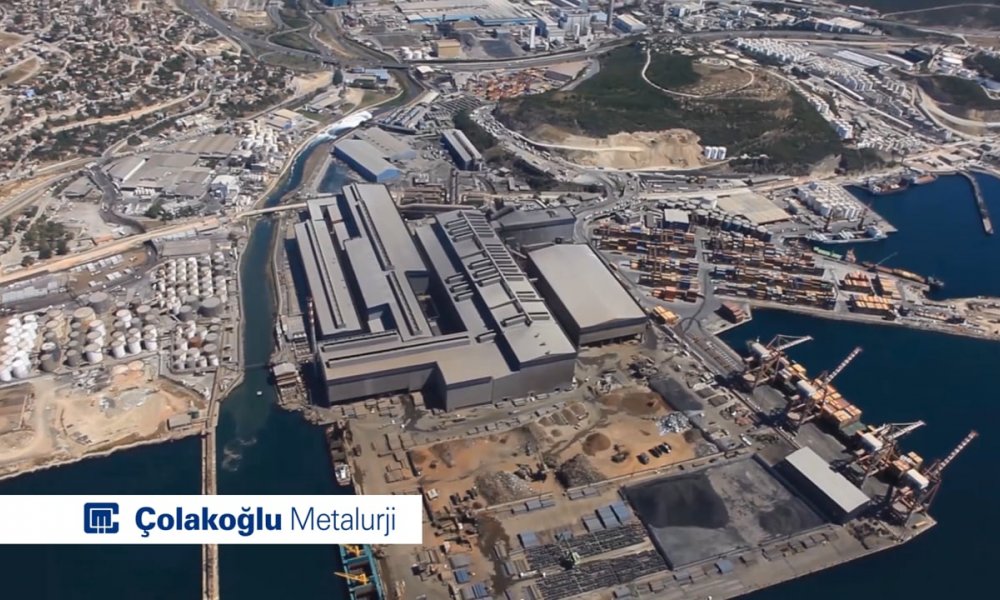
Colakoglu sets maintenance for May, raising HRC capacity 50% in Q2 2022
One of Turkey’s largest steel producers, Colakoglu, is planning to pause output at its rolling mills in May for maintenance work, S&P Global Platts learned from Ugur Dalbeler, CEO of the company, on Feb. 5.
“It is a planned maintenance,” he said, adding that they can reevaluate the timing of the maintenance according to market conditions. The executive, however said he couldn’t give an exact time for the duration of the maintenance.
An informed industry source said the maintenance could be long enough to create some some supply problems in the market. “This could also support mills’ HRC pricing at that time,” he said.
Higher demand, shortages and higher scrap costs pushed Turkish mill HRC prices above $800/mt in December, as Platts has reported. But, Turkish mills’ HRC prices have begun to soften gradually in recent weeks, due to eased shortages, low demand both in the domestic and export markets, cheaper import offers, especially from China, and the notable declines seen in scrap prices.
Some Turkish mills have begun offering HRC at $770-$780/mt ex-works for May rollings, while some mills’ HRC export offer prices have fallen below $760/mt FOB.
An industry source said a major Turkish HRC producer even pulled down its HRC export offer price to $740/mt FOB on Feb. 4, while a service center manager on Feb. 5 reported hearing from a colleague in the EU that the mill recently offered HRC as low as $730/mt FOB to the region.
Taking into account the scrap price decline and Chinese mills’ notable HRC exports to Turkey in previous weeks with prices as low as $675-$685/mt CFR, Turkish mills’ new discounted prices are still considered high by some market sources.
Although some market sources are expecting Turkish mill offer prices to touch $700/mt FOB, these mills continued efforts to keep offer prices firm till the return of Chinese mills’ from New Year holidays, in expectation of a strong raw materials and finished product pricing sentiment after the return.
Also. there have been some delays in Turkish mills’ HRC deliveries in recent weeks, some re-rollers told Platts.
Some end users meanwhile have continued to claim that shortages and price rises in the market were arising from insufficient HRC production capacity in Turkey, and they have been criticizing the recent dumping investigation started by Turkey against HRC imports from the EU region as well as South Korea.
Turkish mills are denying this claim, saying the shortages arose from the sharp rise in end user demand after the ease of the pandemic and domestic mills mostly focused on meeting domestic demand.
Colakoglu to raise HRC output capacity by 50%
Major Turkish steelmaker Colakoglu has decided to raise its HRC output capacity by 50% with a new annealing furnace investment.
Ugur Dalbeler, CEO of the company told Platts Feb. 5 that their HRC production capacity will reach 4.5-5 million mt with this investment as of the second quarter of 2022. “We will continue our investments afterwards to raise our value-added steel production,” he said.
Colakoglu currently has bar output capacity of 1 million mt/year and HRC production capacity of 3 million mt/year.
With the notable rise in Colakoglu’s HRC production capacity and a new 2 million mt HRC mill project by another major Turkish steelmaker, Tosyali Demir Celik, installed HRC output capacity in Turkey is expected to reach 23 million mt as of the end of 2022.
— Cenk Can

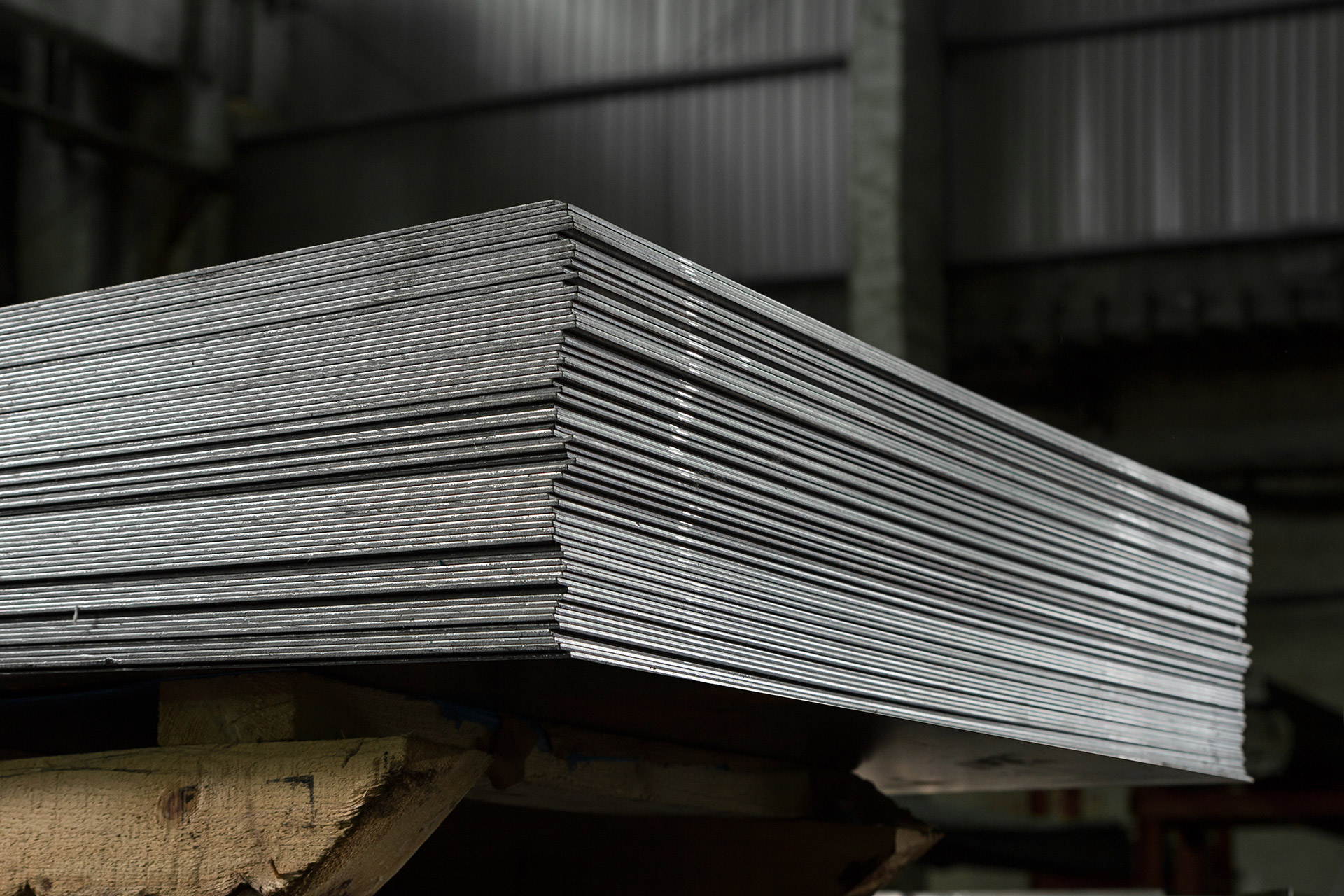
Canada finalizes duties on plate from Taiwan and Germany, Turkey excused
The Canadian International Trade Tribunal (CITT) ruled Feb. 5 that heavy plate imports from Taiwan and Germany have caused material injury to Canadian producers.
The affirmative injury determinations finalize antidumping duties set Jan. 7 by the Canada Border Services Agency (CBSA) of 7.0% for Taiwan’s China Steel Corp. and 80.6% for all other Taiwan exporters, and 6.3% for AG der Dillinger Huttenwerke and 68.6% from all other German exporters.
The CITT terminated its inquiry into dumped heavy plate imports from Turkey, saying that “the volume of dumped goods originating in or exported from Turkey is negligible.”
The CBSA launched the dumping investigation on May 27, 2020 and in preliminary duty findings in October dismissed cases against producers from two other countries, South Korea and Malaysia.
On April 6, 2020 Canada’s Algoma Steel filed a complaint with the CBSA alleging imports of heavy plate from the five countries were being dumped into Canada and injuring domestic producers.
— Tom Balcerek

Brexit supply chain problems?
Because of Brexit, logistics and warehousing companies in The Netherlands are getting tons of requests from British businesses looking to rent warehouse space.
In an interview with The Guardian, our very own Business Development Manager Europe, Jochem Sanders, said: “We know for a fact it is going to be complete madness into summer.” Read the full article here.