

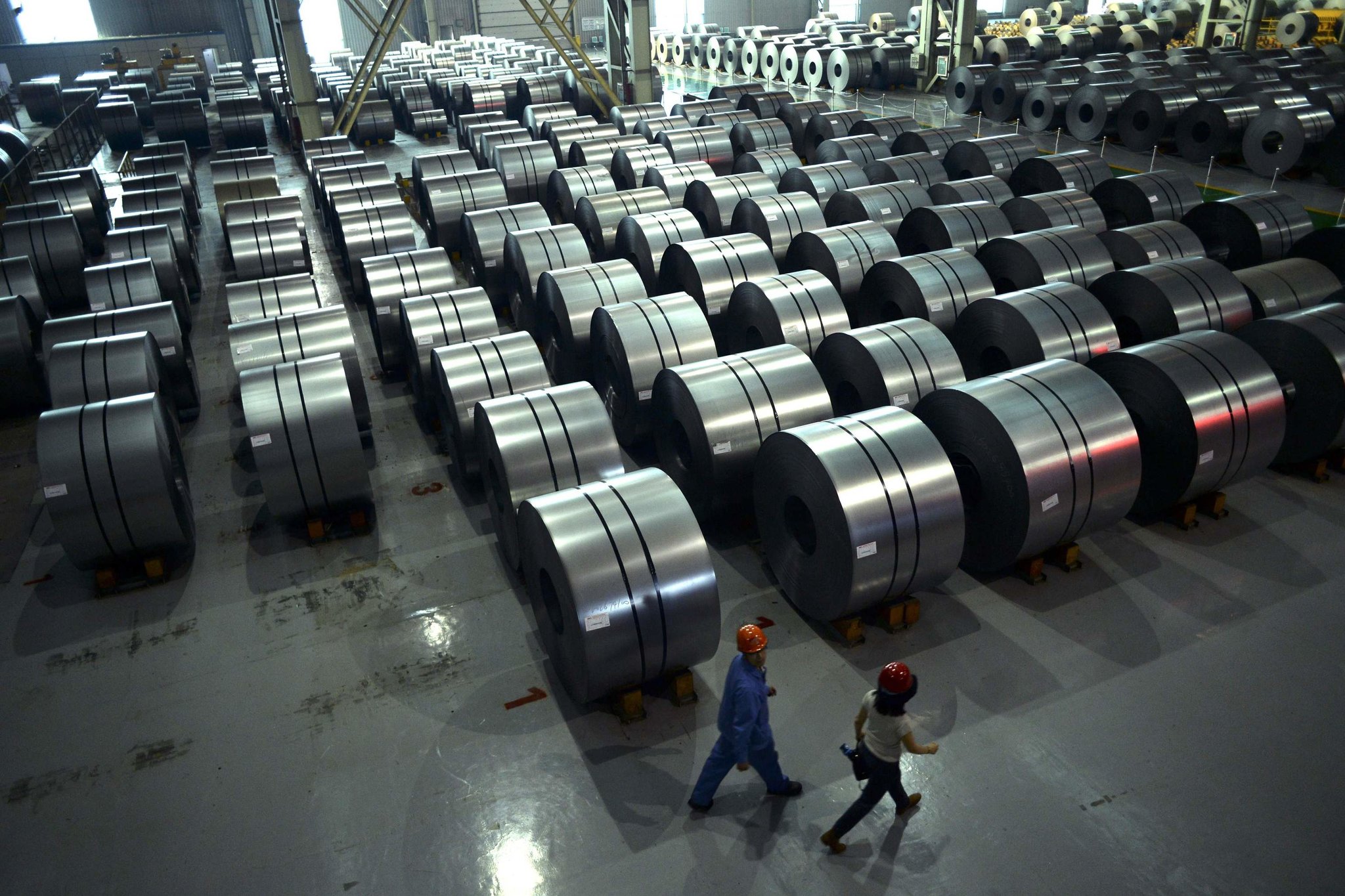
European Commission on cusp of steel safeguard review
The European Commission is likely to launch a review into its tariff-rate quota steel safeguard in the coming weeks.
Member states representing the bulk of the EU’s steel production — Netherlands and Sweden aside — requested the review with a view to the safeguard being extended, as has European steel association Eurofer. The safeguard will lapse at the end of June, as it stands.
The review does not mean the safeguard will be extended, it could still lapse, be extended or modified for certain products.
Producers suggested nothing has changed since the safeguards were implemented, with Section 232 tariffs still in place in the US. Should the quotas be removed, material would be diverted into Europe, they said.
But some still expect the measures not to be extended, as the commission looks for more World Trade Organisation compliant methods of maintaining traditional import flows. Buyers point to massive mill margins and constrained import supply — with Turkey now subject to provisional dumping duties and Russia’s Severstal having its duty reviewed. Given the struggle buyers had securing the requisite material this year, they said extending the safeguard would be unfair.
Mill sources point out that the safeguard was not designed to deal with the impact of the pandemic, but ensure material is not diverted from other regions with their own import protections in place.
By Colin Richardson


Further products near UK first-quarter quota exhaustion
UK tariff rate quotas for the first quarter for stainless wire rod from Taiwan and tinplate from China have reached a “critical” level, UK steel distributors’ association NASS informs Kallanish.
This follows three product categories that have already exhausted their Q1 quotas – large welded tubes, and hollow sections from Turkey and other countries.
The HMRC monitoring system is still, however, experiencing delays in updating of around two working days.
Products that have used up over 60% of the Q1 quota so far include organic coated sheets from South Korea, 86%, other welded tube from Turkey, 71%, merchant bar and light sections from Turkey, 67%, and category 4A metallic coated sheet from South Korea, 62%.

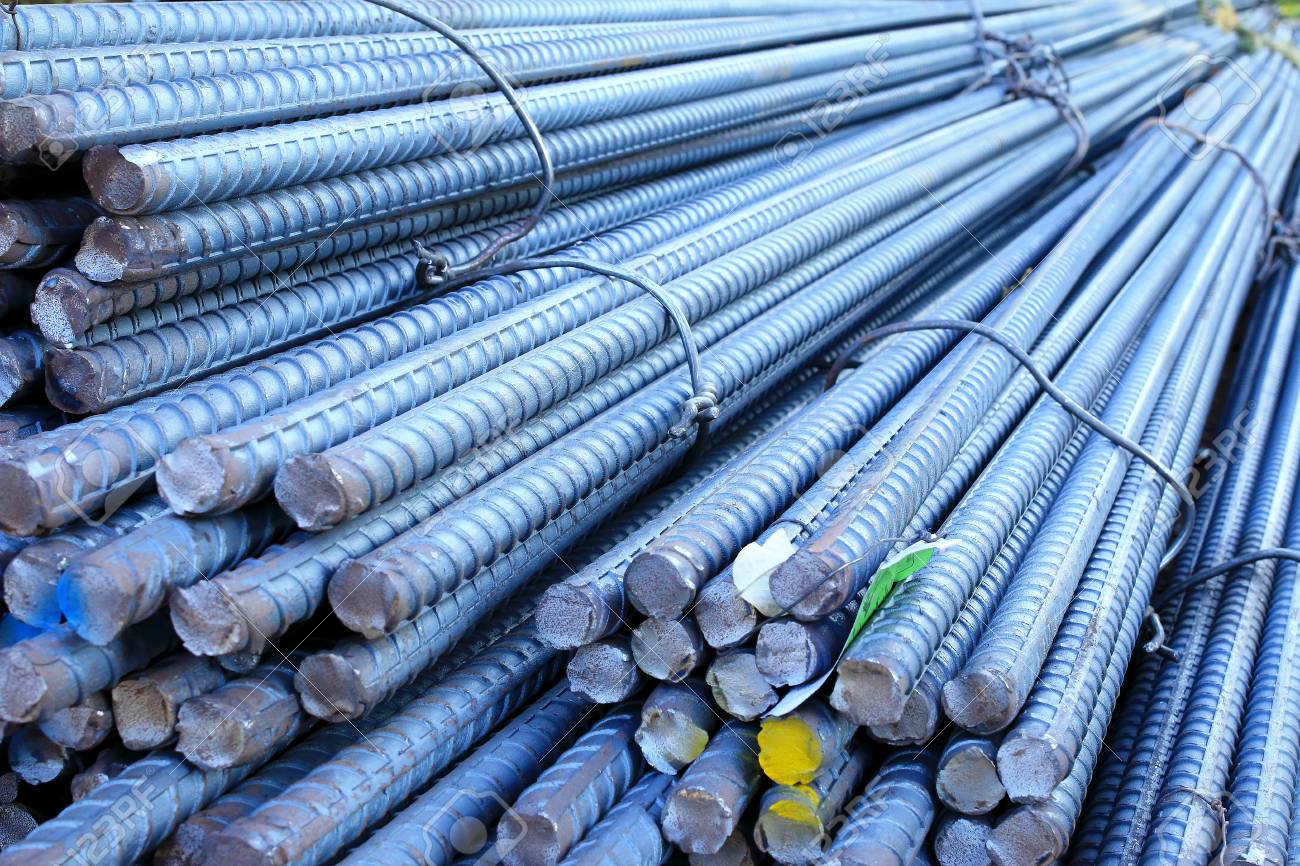
Germany faces more reinforcing steels shortages
Observers of the German reinforcing steel market warn that a prevailing supply bottleneck could be aggravated by a shortage of transportation capacity and high water levels.
This would mostly affect material made of wire rod, like wire mesh, rebar in coil and also certain sizes of straightened rebar, Kallanish hears from one distributor. Shortages have prevailed for some time, partly because of high demand and partly due to the notorious shortage of wire rod on the European market.
This trend could deteriorate in view of the high water on German rivers, he fears. “Scrap and wire rod, to a large extent, are forwarded on waterways, and we can already feel bottlenecks from it,” he writes in a note to customers.
He also points to the impact from overseas transports, because freight costs have surged as a consequence of the demand boom in Asia. “Wire rod processing works have communicated that a lack of incoming tonnages is forcing them to stretch delivery times for rebar coils and mesh. Also, they are signalling that they won’t take new orders which maybe cannot be fulfilled because of that insecurity,” he says.
According to various sources, the base price for rebar is at or above €400/tonne ($482), with wire mesh normally €100 more; but an ongoing shortage could widen that spread. Benders are already under massive cost pressure now that they must pay €200 more for rebar than in November still. “They are certainly not rejoicing over the contracts they have signed with construction firms for the year before that surge came,” a Ruhr-based manager says.
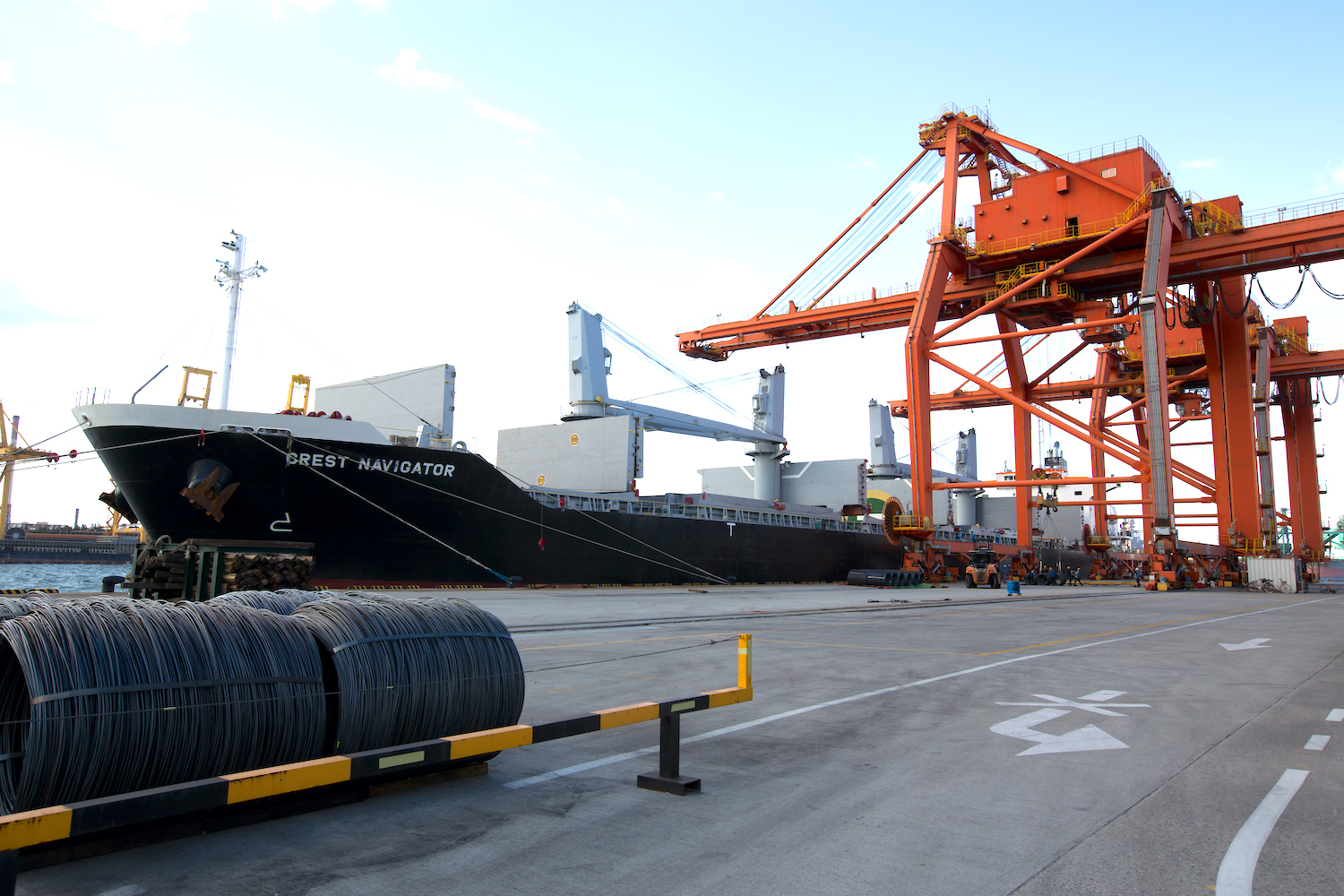
Turkish HRC sells to US, more expected
Turkey’s hot rolled coil export market livened up last week with small sales to Europe and a larger one to the US, which has finally re-opened for Turkish sellers following multiple price increases.
A mill sold a 15,000-tonne May-loading consignment to the US through its trading arm at a netback price of around $785/tonne fob Turkey, a close source confirms, and expects to sell more this week. Smaller lots were contracted to Europe and North Africa, all below 3,000t, However, with grade and quantity extras the price was unrepresentative of the spot market, Kallanish notes.
Although demand remains lacklustre, Turkish mills are not reducing offers below $760/t fob, which is offered by just one mill, with others indicating $20-30/t higher prices. The material is mainly for mid-May loading, with only some tonnages available a couple of weeks earlier. With anti-dumping duty added, and long lead times, however, offers should be at $730-740/t fob to woo European customers, according to one trader, while others calculate a much lower price, as compared to Asian imports.
Non-European bids are also down, to the equivalent of $700-720/t fob Turkey, as competing CIS and Asian material, and the ongoing price downtrend are repelling buyers. CIS material is offered at $710/t fob Black Sea minimum, but buyers are expected to haggle. Sales to Egypt are expected, as these levels are below domestic offers and deemed workable by observers.
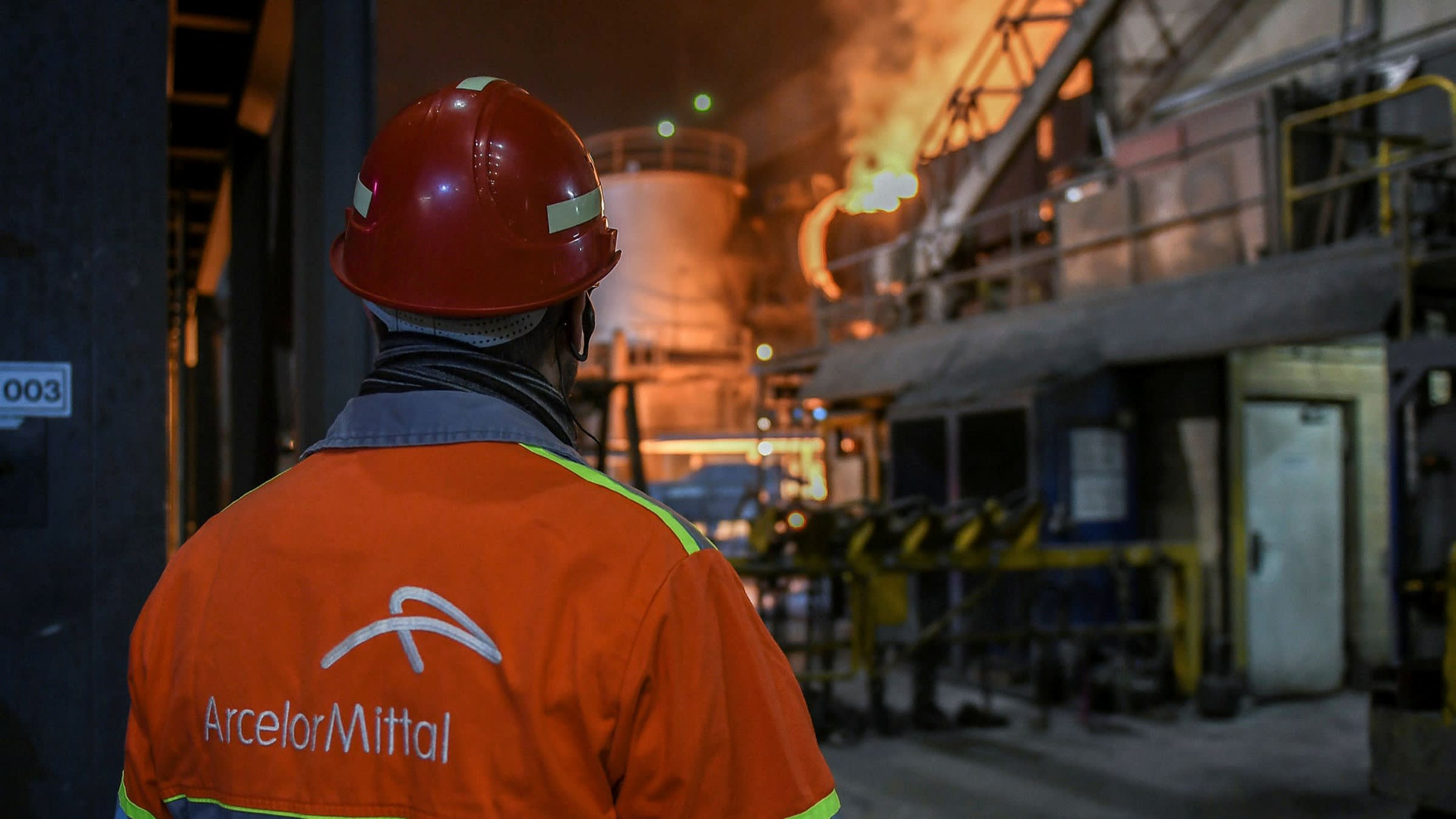
ArcelorMittal completes CO2 reduction project at Spanish Gijon steel plant
ArcelorMittal has completed a project at its steel plant in Gijon, northwest Spain to inject coking gases into its B furnace, which will allow the steel plant to reduce its CO2 emissions and reduce costs, the company’s Spanish subsidiary said Feb. 5.
The new unit will save 125,000 mt/year of CO2 emissions and also reduce the amount of coke that is consumed.
By injecting coking gases, with a high hydrogen content, the carbon content can be significantly reduced, it said. The coking gas is effectively recycled from its own coking batteries into the furnace.
In the next few weeks the same method will be used to supply the furnaces for its semi-finished products such as the thick sheet and rail mills, enabling them to reduce their natural gas consumption and CO2 generation.
Arcelor Mittal operates two furnaces at Gijon with a combined capacity of 5 million mt/year, which are integrated with the sheet steel production site at Aviles and the coking batteries.
The company is targeting a 30% reduction in CO2 emissions across its European operations by 2030 and to be net carbon neutral by 2050.
The company is also working on using hydrogen to directly reduce iron ore feed into its furnaces, it said.
— Gianluca Baratti
