


EUROMETAL president and member of presidency at LCL Industry Seminar for Master cohort
Mr. Fernando Espada, chairman of EUROMETAL and Mr Julian Verden, member of the presidency of EUROMETAL participated in a webinar of Luxembourg Centre for Logistics and Supply Chains (LCL), an institute of the Faculty of Law, Economics & Finance of the University of Luxembourg on February 11, 2021.
The LCL Industry Seminar entitled “Comeback of Steel and Metals in 2021? / Logistics and Supply Chain Challenges” consisted of 4 panel participants coming from steel/metals business and was assisted by 3 dozens of master students.
The president of EUROMETAL spoke about the systemic role of SSC in steel supply chains explaining the point of view for customers and suppliers while Julian Verden, Managing Director of Stemcor Europe presented the value add to customers from management team perspective, logistics and inventory management and invoicing management & financing.
They were accompanied by Rafael López, CEO of Taiichio & Wolf Sl. in Valencia who explained the logistics and supply chain challenges in steel projects; Mr Alexander Siryk, CEO of Metals Consulting International (MCI) in Düsseldorf who highlighted that European steel market is gradually recovering in 2021 and how structure of the demand impacts the supply chain requirements seeking higher transparency and system integration even on a basic processes level;
Steel professionals highlighted some aspects mentioned below during the LCL Industry Seminar:
- Steel market is recovering; strong end use demand; positive 2021.
- The nature of the steel business will change in the coming years.
- Steel supply chains mean multi-modal breakbulk at different levels of the supply chain: Sea-born vessels supply iron ore and coal to steel mills. Steel mills supply their steel products to central stockist hubs, to steel service centres, key accounts, mostly by railways, sometimes by barges. Central steel hubs supply to One Stop Shopping hubs by full truck loads(TLs). Intermediating steel distribution delivers to end use segments either by full truck loads or by Less Than Truck Loads (LTLs) logistics.
- Steel supply chains to end use sectors differ: For construction sectors the steel supply chain is an easy one; for the automotive sector the steel supply chain is a complicated one.
- Due to these specificities, just-in-time concepts, close coordination and relation between all players is a must.
- In steel supply chains data flow is as important as material flow. In that respect the chances of digitalization are recognized by all participants in the supply chain.
- Lean steel supply chain management opens avenues to lower costs, to eliminate defects and waiting times, to reduce stocks in order to optimize working capital required to run steel supply chains.
- Customized supply chains are not only about logistics and product availability but also about anticipating customer needs, trust, technical knowhow, commercial expertise, quality control, financing backup, insurance, reliability.
- Decarbonization of the steel supply chain will be a major challenge in the present decade. Circular economy and ecosystem economy are gaining significant footprints in steel supply chains.
- Another major issue consists in the fact that global steel supply chains are facing challenges by protectionist walls rising around major economic blocks in world economy, berating free and fair multilateral trade principles
This webinar also counted with the support of Georges Kirps, independent consultant and former managing director of EUROMETAL. In addition to the selection of the panel of speakers, Georges contributed with preparation documentation for the master students as well as an introduction to the seminar.
The moderation of the webinar was in the hands of Carla Rosen-Vacher, LCL External Communications Officer.

Germany faces transport impairments from weather
A rapid increase in water levels after continued rain, and a steep drop in temperature have caused intermittent standstills on Germany’s roads and waterways. The steel industry is facing some impairments in transport, but not to an extreme extent.
“There are indeed delays for our inland shipping deliveries, and effects from snow and ice for our freight,” a spokeswoman for southwestern mills Saarstahl and Dillinger tells Kallanish. However, the mills’ actual production has not been affected, she notes.
Some production cuts have occurred at Salzgitter, due to incoming raw materials and outgoing finished product deliveries being hampered. The company partly depends on the Mittelland Canal, which is largely frozen at the moment.
Few to no impairments have been reported by the large steel groups, ArcelorMittal and thyssenkrupp. “We can see the high water on the Rhine, but it does not affect our operation,” said thyssenkrupp chief financial officer Klaus Keysberg at a conference call this week. “High water on the Rhine is rarely that extreme that it becomes critical for our supplies.”
Observers from the scrap industry note that the critical mark of 8.7 metres for the Rhine at Cologne, south of Duisburg, was undercut some days ago, and it seems that the level is retreating.
Extreme cold with heavy snowfall is currently occurring mainly in the north and east of Germany, spanning from northern Westphalia eastwards to the Polish border.

NLMK La Louviere stops strip mill for revamp
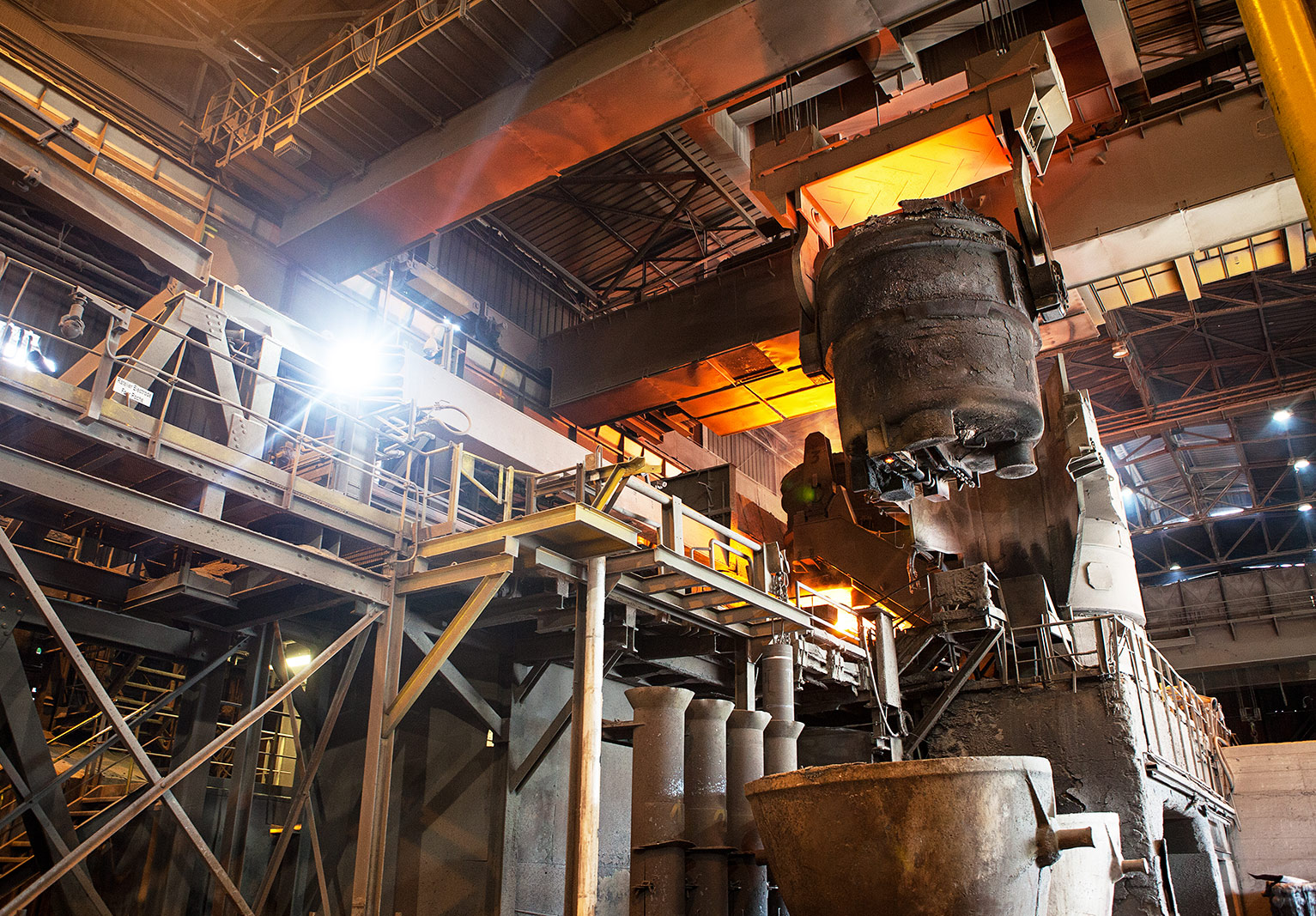
The hot strip mill of NLMK La Louviere has been idled until March for revamping, Kallanish learns from the company.
Production was halted on 6 February and it is understood the temporary stoppage will continue for a period of five weeks. Three new finishing lines will be installed at the site in this time. The revamp is part of the €150 million ($182m) investment into the site initiated last year, to enable production of thinner, stronger and more environmentally-sound steel.
Part of NLMK group’s “Strategy 2022”, the upgrade will increase the Belgian works’ output by 0.5 million tonnes to 2.2m t/year in 2022. It will also increase NLMK’s share of the niche flat products market in the EU.
NLMK group reported that towards the end of last year production levels at its European units picked up. According to the group’s calculations, capacity utilisation at its European assets – including the strip and plate units – reached 84% in the fourth quarter of 2020, compared with 64% in Q3 and 76% in Q2.
Italian automakers ask EU to end safeguard duties
The Italian automotive sector has asked the EU to end rather than extend safeguard duties on steel products. In a note sent to Kallanish, automakers’ association Anfia criticises the difficulties carmakers are facing to procure steel, together with the financial damage caused by the latest steep price increases for flat products.
“It is fundamental to avoid the extension of safeguard measures on imports of certain steel products introduced in 2018 as an answer to US anti-dumping duties and that will expire on 30 June 2021,” Anfia warns. “These measures involve steel price increases that are no longer justifiable nor financially sustainable.”
Between June 2020 and January 2021, local car companies also suffered from steep price increase totalling more than €300/tonne ($363), with forecasts of further hikes. Major European steel players have very slowly resumed production following the initial Covid-19 impact, with lead times that are not compatible with the needs of the automotive sector, Anfia observes.
The lack of balance between steel supply and demand already seen in 2020, together with low steel volumes purchased by automakers in recent weeks, are also a matter of concern for the association. The low supply is “…dangerously lengthening” carmakers’ delivery times, it says. In some cases, delivery time is not only doubled but trebled by poor coil availability. This threatens carmakers’ ability to satisfy demand of the final consumer and implies the risk of significant financial losses, Anfia concludes.
Britishvolt pledges to use UK-made steel for gigaplant
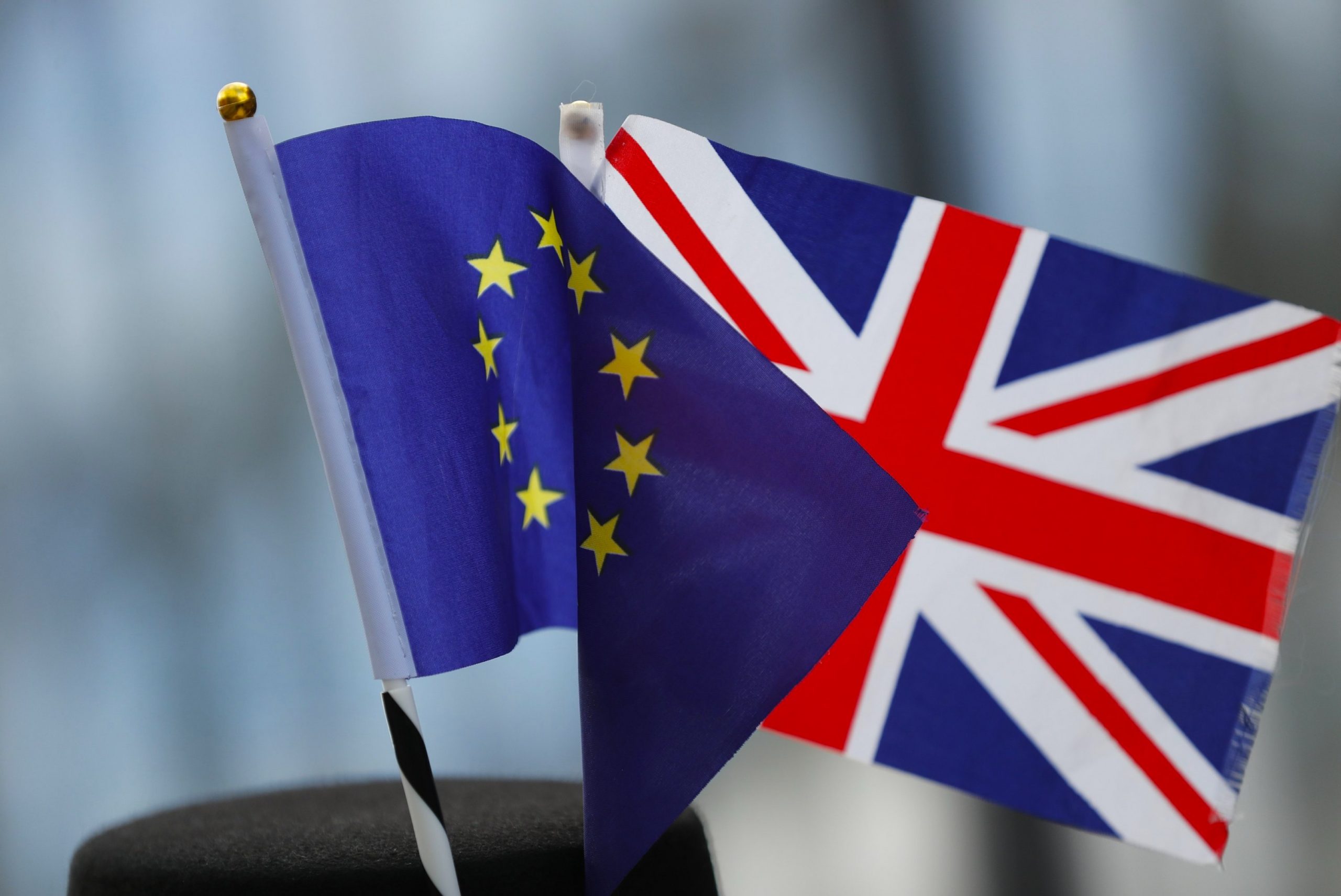
Britishvolt, which is aiming to build the UK’s first electric vehicle (EV) battery gigafactory, has signed the UK Steel Charter, pledging to source UK-manufactured steel for the planned gigaplant in Blythe, Northumberland.
UK Steel said in a Feb. 11 statement that Britishvolt’s pledge showed that the commercial sector was recognizing “the benefits of UK-sourced steel, strong and resilient domestic supply chains, and the numerous economic and social benefits of buying UK-made steel.”
The UK Steel Charter was launched by the industry in May 2019 and aims to promote the use of UK-produced steel in public projects.
Britishvolt aims to start construction of the GBP2.6 billion ($3.5 billion) gigaplant in summer 2021. It will be built on a 95-hectare site that formerly housed the Blyth Power Station.
The project, the largest auto-related investments in the UK since the 1980s, is expected to start producing batteries at scale by the end of 2023.
UK Steel Director General Gareth Stace said that Britishvolt using UK-made steel for the construction of the Blyth gigaplant did not just make business sense, but also made economic and social sense for the country and for environmental commitments to not import steel over vast distances when it could be made domestically.
“Britishvolt is a prime example of the UK’s Green Industrial Revolution, and it makes sense that has therefore chosen to embed its environmental ideals in every step of this project — using steel produced on its doorstep and to the highest environmental standards,” he said.
Britishvolt Chairman Peter Rolton said that using UK-sourced steel would further strengthen the company’s ambitions to minimize its carbon footprint and build world-class technologies in the UK.
“As we emerge from the pandemic, issues such as local supply chains have been thrust into the spotlight,” Rolton said. “We at Britishvolt have a mission to create some of the world’s must sustainable electric vehicle lithium-ion batteries. Being part of the charter further advances our Environmental, Social and Governance ambitions.”
The gigaplant will exclusively use renewable energy, including the potential to use hydro-electric power generated in Norway and transmitted 447 miles under the North Sea via the world’s longest inter-connector from the North Sea Link project.
— Jacqueline Holman

Eurasian Union puts antidumping duties on Chinese stainless-steel pipes
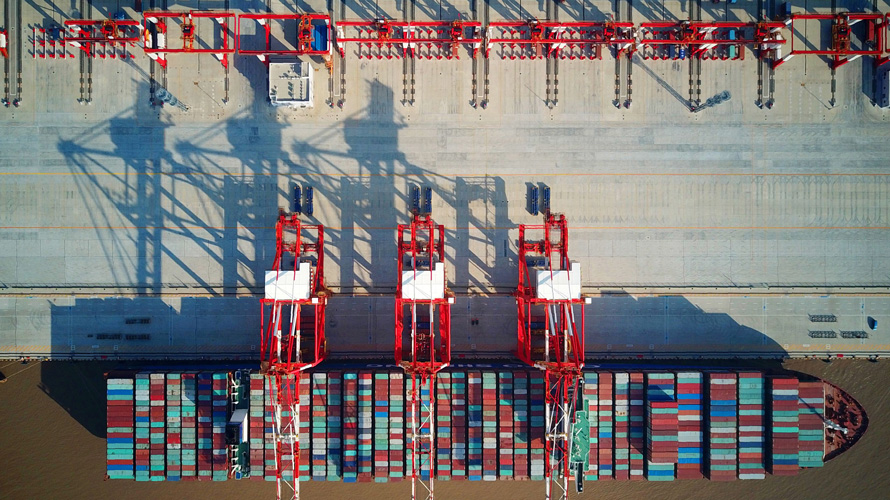
The Eurasian Economic Commission — the regulatory authority of the customs union between Russia, Belarus, Kazakhstan, Armenia and Kyrgyzstan — is introducing antidumping duties on imports into the union of Chinese stainless-steel welded tubes and profiles.
Antidumping duties of 14.62%-17.28% will be introduced by March 12 and remain in place for five years, the commission said Feb. 11.
The main applications for these products include production of bathroom equipment and heat exchangers, the automotive, food, petrochemical and nuclear industries, furniture manufacturing and infrastructure construction.
The antidumping investigation into imports of welded stainless steel pipes and profiles from China was launched in December 2019 and was prompted by a request from local suppliers of similar products — TMK, Marcegaglia RU and Baltinox.
The investigation findings confirmed the fact of dumping by Chinese producers and material damage to the economy of the Eurasian union member states.
— Ekaterina Bouckley
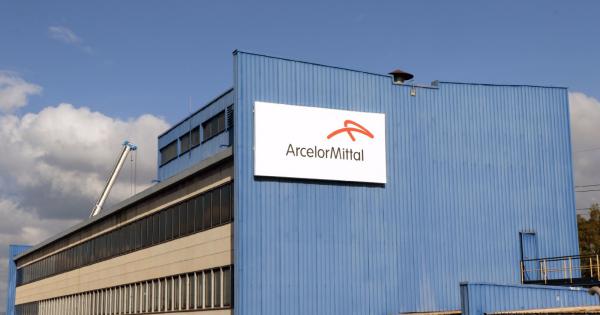
ArcelorMittal offers carbon savings certificates to steel sales
Steel group ArcelorMittal said Feb. 11 it expects to supply 600,000 mt of steel by 2022 sold including carbon reduction certificates, after the first of such sales was concluded in December.
ArcelorMittal, which targets a 30% CO2 reduction by 2030 in Europe, is offering flat steel products in Europe using carbon savings certificates audited by DNV-GL. The group in Europe sold 32.9 million mt of steel in 2020, 22% lower than in 2019. The company noted rising demand from customers for low-carbon steel in order to reduce indirect, Scope 3 emissions from materials, in its quarterly presentation.
“Customers increasingly understand that they need to reduce their company-level Scope 3 emissions coming from purchased materials, and many are asking for tonnes of low-carbon steel today.,” the presentation said.
Steel buyers can use the certificates to report an equivalent reduction in Scope 3 emissions, in accordance with the GHG Protocol Corporate Accounting and Reporting Standard, it said.
DNV-GL verifies CO2 savings in total as a direct result of the decarbonization projects being implemented across a number of the group’s European sites, it said.
ArcelorMittal is increasing its focus on a transition to low-emissions steelmaking as part of its 2050 net-zero carbon emissions goal.
“2020 was a year in which we saw further acceleration in the drive to decarbonize the global economy,” Lakshmi Mittal, ArcelorMittal’s executive chairman, said in a report. “We have identified two main routes to achieve net zero target by 2050, both leveraging one or more clean energy infrastructures — one that utilizes biomass/bioenergy with carbon capture utilization and storage and the other which harnesses green electricity to power a hydrogen-based direct reduced iron process.”
The group will continue to trial and pilot both routes while simultaneously promoting policies “that are a crucial component of success if these technologies are to be scaled up and commercially viable in the long term.”
The group is commissioning its first “Smart Carbon” steelmaking technologies at its Ghent blast furnace-based works next year, through the “Carbalyst” project, and expects to bring its Hamburg hydrogen direct reduction iron (DRI) project into production between 2023-2025, it said. ArcelorMittal already has a DRI plant in Hamburg running on natural gas and is developing a hydrogen pilot DRI plant with US-based technology supplier Midrex. Carbalyst is the company’s initiative to capture carbon-intensive gases from pig iron production and recycle into chemical with partner Lanzatech.
— Hector Forster

Netherlands becomes Turkey’s top scrap supplier in December
Turkish mills’ imports of ferrous scrap remained strong year on year in the last month of 2020, in line with the sharp rise seen in Turkish mills’ crude steel output in a bullish market.
Turkish mills’ crude steel production rose by 17.7% year on year in December to 3.4 million mt. Steel production in Turkey, thus exceeded the prior year’s performance in 2020, despite the pandemic, and reached 35.8 million mt, up 6% on year. Turkey became Europe’s largest and the world’s seventh largest steel producer in 2020.
According to the latest Turkish Statistical Institute (TUIK) data observed by S&P Global Platts, Turkish mills’ scrap imports reached 2.34 million mt in December, higher than 2.05 million mt imported in the same month the previous year. Turkish mills’ scrap bookings from their global suppliers thus hit 22.4 million mt total for 2020, increasing by 19% year on year.
As scrap imports from Turkey’s traditional largest scrap supplier, the US, fell on year by 20.7% to 381,300 mt in December, the Netherlands became Turkey’s top scrap supplier in that month at 402,300 mt, sharply higher than 253,200 mt imported from that country in the same month the previous year.
Turkish mills imported 207,500 mt of ferrous scrap from the UK in December, relatively flat on year, while imports from Russia totaled 200,000 mt in that month, up 32% on year.
Turkish mills’ scrap imports from Belgium totaled 168,200 mt in December, down 31% on year, while imports from Denmark rose to 132,800 mt, significantly up from 32,200 mt imported in the same month the previous year.
Other scrap suppliers to Turkey in December were: Romania (123,000 mt), France (108,900 mt) Lithuania (77,200 mt) and Venezuela (53,500 mt), the latest data showed.
— Cenk Can