

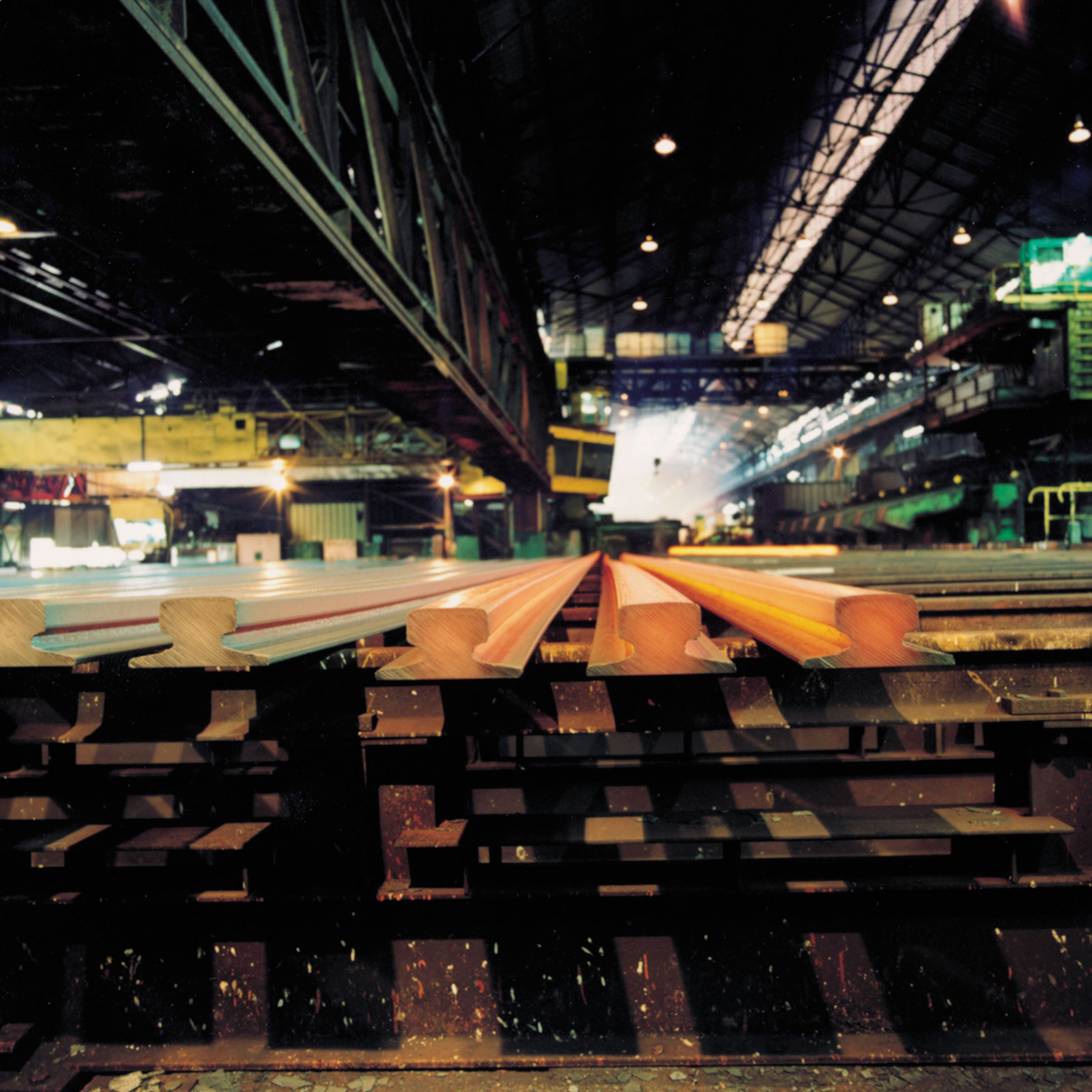
Weekly US steel mill capability utilization increases to 76.9%
US raw steel capability utilization reached an eleven-month high last week, according to data released by the American Iron and Steel Institute on Feb. 15.
The raw steel capability utilization rate rose to 76.9%, up from 75.2% the previous week.
Production increased by 2.2% to 1.743 million st during the week ending Feb. 13, up from 1.705 million st the previous week, according to the data.
Last week’s production was still down 5.5% compared to the same week a year earlier, when capability utilization was at 81.5% and production totaled 1.844 million st.
Adjusted year-to-date production through Feb. 13 totaled 10.808 million st, with a capability utilization rate of 75.9%. The total is 8.7% lower than the 11.837 million st produced during the same period last year, when the utilization rate was 82.2%.
Last week’s production totaled 155,000 st in the Northeast; 599,000 st in the Great Lakes region; 189,000 st in the Midwest; 725,000 st in the Southern district and 75,000 st in the Western region.
The tonnage data is estimated, compiled from weekly production data provided by 50% of domestic producers combined with monthly production data for the remainder.
— Ingrid Lexova

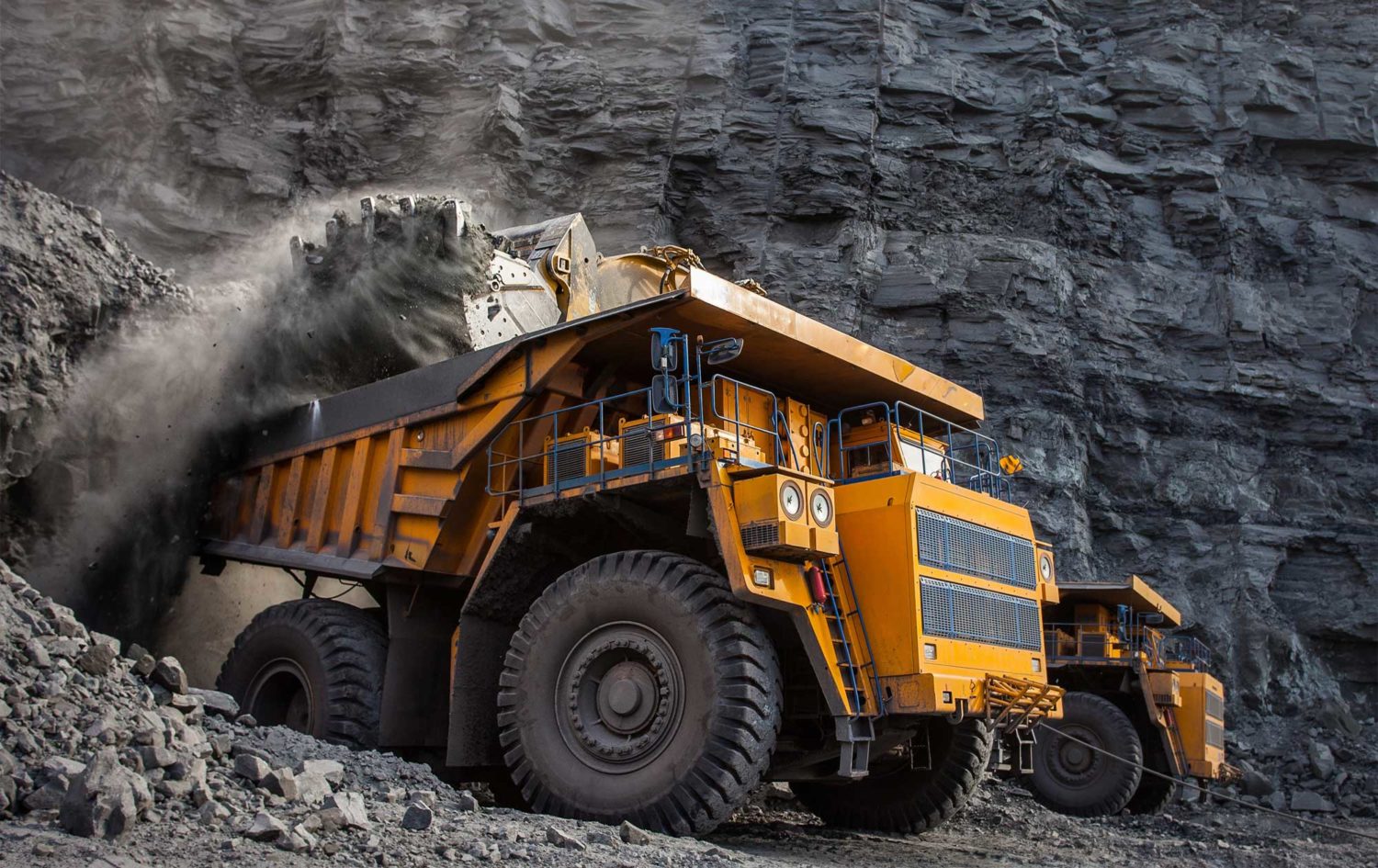
Rio Tinto, Germany’s SHS steel group to develop green HBI in Canada
Rio Tinto said Feb. 16 its Canadian iron ore venture has joined German steel group SHS-Stahl-Holding-Saar and engineering group Paul Wurth to explore production of low-emissions hot briquetted iron (HBI) using iron ore pellets and green hydrogen.
A feasibility study into potential industrial scale low-carbon iron production in Canada is scheduled for completion in late 2021, with an investment decision on a hydrogen-based direct reduction iron (DRI) plant at industrial scale expected to follow. The outcome may lead to additional demand for DR pellets, which is already in tight supply as new DRI plants start up in North Africa.
Iron Ore Company of Canada (IOC) will supply high-grade iron ores and expertise in mining, processing and pelletizing, Rio Tinto said in a statement on the low-carbon steel feedstock tie-up. Rio Tinto owns 58.7% of IOC, with Mitsubishi Corp. and Labrador Iron Ore Royalty Corp. holding the rest.
“Canada provides access to cost competitive hydro-electricity, and proximity to key markets in Europe and North America,” Rio Tinto said. “Transforming high-grade iron ore pellets into a low-carbon steel feedstock using green hydrogen, when processed in an electric arc furnace with carbon-free electricity, has the potential to reduce significantly the carbon emissions associated with steelmaking.”
Paul Wurth has process knowledge in the field of highly efficient hydrogen generation and Midrex direct reduction iron plants, while SHS group, which owns Dillinger and Saarstahl, brings deep iron and steel making expertise, according to the memorandum of understanding.
SHS and other steelmakers in Europe plan to use renewable energy and hydrogen to develop electric arc furnaces, to melt metallics and scrap, helping lower emissions from steelmaking using blast furnaces. A key consideration is renewable power availability and power prices, to help support green hydrogen production.
A lack of high-grade ferrous scrap availability by region may require HBI and pig iron to play a leading role in the planned green steel transition. High-grade steelmakers need to maintain feedstock quality to meet steel specifications, and ensure steel production and energy efficiency.
“Dillinger and Saarstahl adopted a future-focused strategy with the motto ‘proactive, carbon-free and efficient’. Within this strategy, we have defined various options for the transformation to carbon-neutral steel production,” SHS-Stahl-Holding Saar board director for technology, Martin Baues, said in the statement. “The use of hydrogen in steel production is a key factor in reducing carbon emissions. This partnership can further help us to reduce our carbon emissions on the basis of this technology, while gaining important experience in using hydrogen in steel production.”
Rio Tinto largest iron ore supplier
Rio Tinto was the world’s largest iron ore producer in 2020 and is seeking to develop higher value-added iron ore supplies to promote lower emissions at steel mills in China, the world’s biggest buyer, and elsewhere. The group earlier entered into low-carbon emissions steel development studies with China’s Baowu Steel, Tsinghua University and Japan’s largest steel producer, Nippon Steel Corp.
Rio Tinto’s share of IOC’s pellet shipments totaled 6 million mt in 2020, with 4.9 million mt in concentrate, up from 5.64 million mt of pellets and 4.5 million mt of concentrate in 2019. IOC pellets comprise blast furnace grade and higher-spec DR pellets with fewer impurities. Rio Tinto manages rail operations from Newfoundland and Labrador-based iron ore mining and processing to Sept Iles port in Quebec province.
Rio Tinto is committed to being part of the solution on climate change and supporting customers and other stakeholders in the steel value chain as the industry transitions to a low-carbon future, according to IOC president and CEO Clayton Walker.
Rio Tinto supplies Canadian iron ore as well as group Pilbara production and third-party iron ore into its port-based blending sales in China, with 5.5 million mt of port sales in 2020, including 1.8 million mt in Q4.
Larger iron ore pellet producers Vale and LKAB have plans to develop HBI. LKAB studying direct reduction of high grade iron ore fines, and already supplies fossil fuel-free DR pellet production from Malmberget using biofuel rather than fuel oil, for the HYBIT pilot DRI plant in Lulea. Vale is looking into HBI using the Midrex DRI process and through Tecnored, which uses biomass, syngas and hydrogen, signing a JV with Japan’s Mitsui & Co. and Kobe Steel.
Miner BHP, which is the largest coking coal producer, earlier this month signed a memorandum of understanding with Japan’s JFE Steel Corp. for the study of technologies and pathways toward low emissions from the integrated steelmaking process. BHP signed an accord in November with China Baowu to share knowledge and invest in low-emissions initiatives, and invested into molten oxide electrolysis technology developer Boston Metal.
— Hector Forster

Saarland mills join ferroalloys platform Metalshub
SHS Group, the holding for Saarland mills Dillinger Hüttenwerke and Saarstahl, has entered into a long-term cooperation with e-commerce platform Metalshub. Since the beginning of the year, SHS has concluded a large number of contracts for the raw materials procurement of the two mills via the digital platform.
Düsseldorf-based start-up Metalshub trebled the volume of transactions last year for metals and ferroalloys on its B2B online platform versus 2019 to around €300 million ($364m). It claims it now has 1,000 active customers, and that it responded to this increase by introducing a live chat function. Among other things, the function means to facilitate a “much easier exchange between buyers and sellers of metals and ferroalloys”.
For the negotiation process itself, Metalshub has developed two new functions: supplier management data and an auction mode.
Last autumn it also launched the first fully transaction-based price indices for ferroalloys (see Kallanish 5 November). With this tool, suppliers and buyers are able to use transaction-based indices for their annual and quarterly contracts, while spot market participants can have access to reliable price information, Metalshub states.
The beginning of the coronavirus crisis last year initially created insecurity in the market environment, says co-founder Sebastian Kreft. However, “in the course of the months that followed, more and more companies realised how they can benefit from a platform like Metalshub, particularly in difficult times like these,” he says. “That’s why we are very optimistic with our outlook for the current year.”

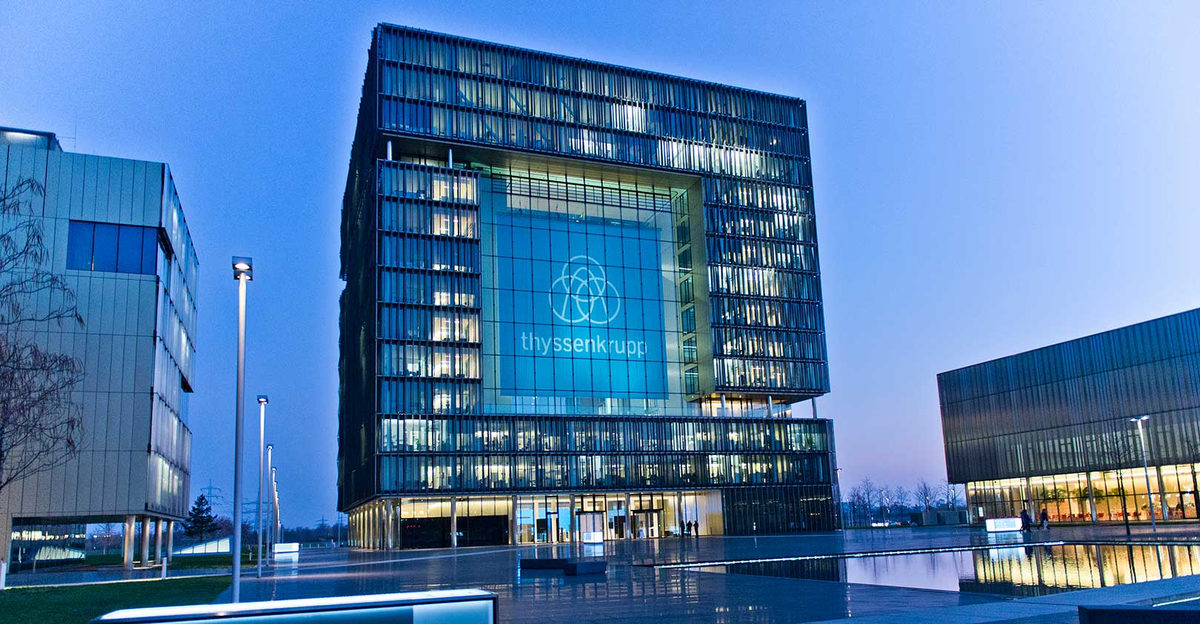
Thyssenkrupp Materials Services launches e-commerce platform in UK
Thyssenkrupp Materials Services says it has started providing UK customers with access to the group’s Steelbay Exchange online shop.
With Steelbay Exchange, thyssenkrupp Materials UK says it has now complemented its offering. “Steelbay Exchange allows our customers to easily digitalise their purchasing and innovate their business,” says tk Materials UK chief executive Terry Sargeant.
An element highlighted by the company is the omnichannel approach which offers customers cross-channel access to products and services, Kallanish understands. Customers can place orders via individual customer portals, EDI interfaces, apps as well as online shops.
Tk Materials Services relied on its own expertise for the development of Steelbay Exchange. “With Steelbay Exchange we have created a scalable application that allows us to achieve significant synergies across all areas of the group,” says Jörn Ossowski, head of digital transformation at tk Materials Services. The store thus also serves as a blueprint for other units of the globally positioned distribution group, he continues.
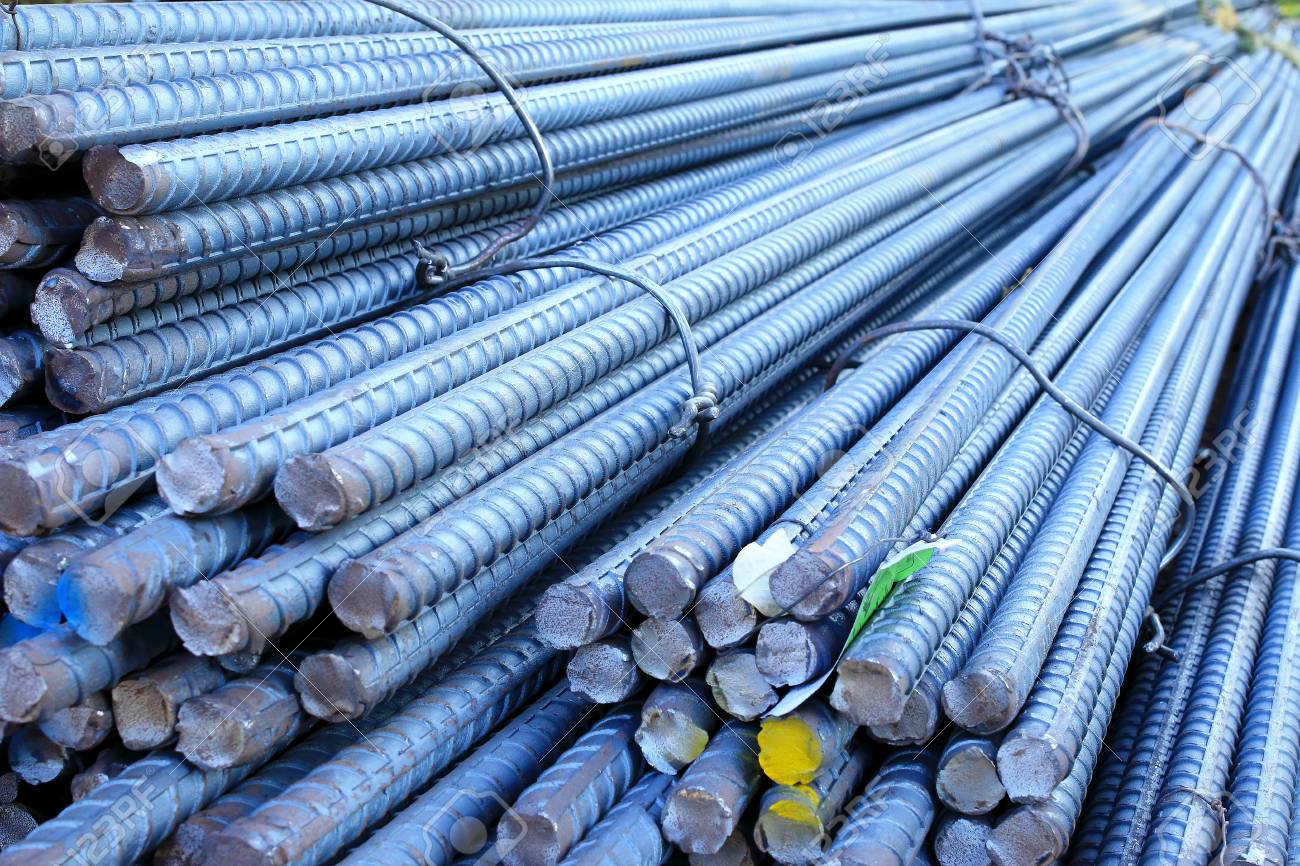
Evraz expects Russian rebar consumption increase
Russian construction steel demand should increase in 2021, driven by rebar after its consumption fell in 2020, says general director of Evraz trading arm Metall Inprom (EMI) Sergei Sintsov.
EMI is a large player in the market for processing rolled metal products for construction purposes. In recent years, the company has been actively introducing the processing of structural shapes.
“We expect an increase in the consumption of rebar within 3-5% on-year; this is the most capacious segment of the market for rolled products for construction purposes,” Sintsov says in an interview on the EMI website. “We also expect insignificant growth in the rest of the construction profiles.”
In 2021, the dynamics of the domestic market will largely depend on external factors – primarily the pandemic and economic situation, he comments. The direction of the global steel market will also play a significant role.
“As for the production of metal structures, the key influence on the development of this segment will traditionally be provided by large infrastructure projects, which are highly dependent on both project financing and the economic environment,” Sintsov observes.
In 2020, parent company Evraz’s crude steel output declined 1.3% on-year to 13.81 million tonnes (see Kallanish passim). Russian output inched up 0.8% to 12.1mt but North America’s declined 15.1% to 1.58mt, on oil and gas market turbulence affecting demand.
Consolidated 2020 steel product sales declined 3.1% to 13.1mt, with sales of semis rising 6.1% to 6.18mt on higher slab and billet volumes in export markets.