

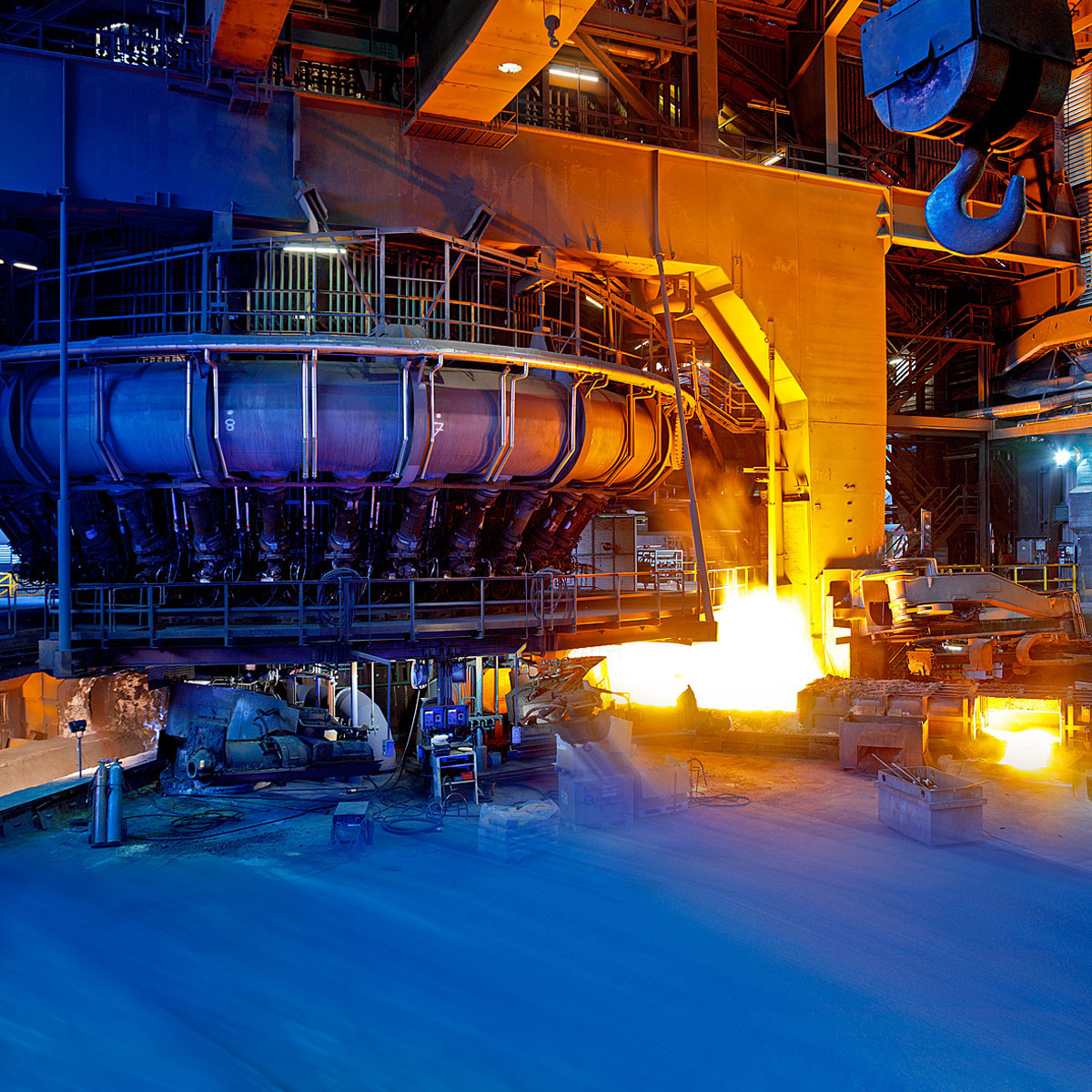
Polish steel bar maker Cognor expects Poland’s steel output to grow slightly
Polish steel billet, bar and rebar producer Cognor, which ran flat out throughout 2020, said March 3 it expected Polish and EU GDP to rebound this year supporting Poland’s crude steel production, which it believed could grow slightly on the year.
The electric arc furnace (EAF)-based company said blast furnace-based steelmakers faced difficulties this year from increasing CO2 permit prices, while EAF mills would continue utilizing their capacity to the maximum.
Polish steel consumption growth may improve due to returning demand from the EU auto sector, Cognor said.
The company said that last year Poland plunged into recession for the first time in almost 30 years with its GDP contracting by 2.8% year on year compared with 4% growth in 2019.
The Polish steel industry responded to the recession with an almost 11.9% reduction in crude steel output to 7.9 million mt, largely in line with the 11.8% cut in the EU’s total.
Steel demand from the automotive industry was the worst affected last year, with EU protectionist measures proving inadequate to offset the fall in local steel output, according to Cognor.
Despite this, Cognor kept its overall steel sales stable on the year and sustained its maximum capacity utilization rate of 100%.
Last year, the company shipped to customers almost 505,000 mt of finished products, up 6% on the year. Rebars comprised 46% of this total. Its finished steel output inched up by 0.5% to 487,100 mt.
External billet shipments dropped 14% from 2019 to 160,000 mt sold in 2020.
The company’s revenue declined by 9% year on year, but its pre-tax earnings (EBITDA) and net profit were significantly higher.
2020 saw steel scrap prices weaken, while iron ore prices rose sharply, enhancing the advantage of EAF mills over blast furnace mills.
EAF producers had this cost position advantage throughout 2019-20, and in Q4 2020 the favorable difference widened further.
— Ekaterina Bouckley
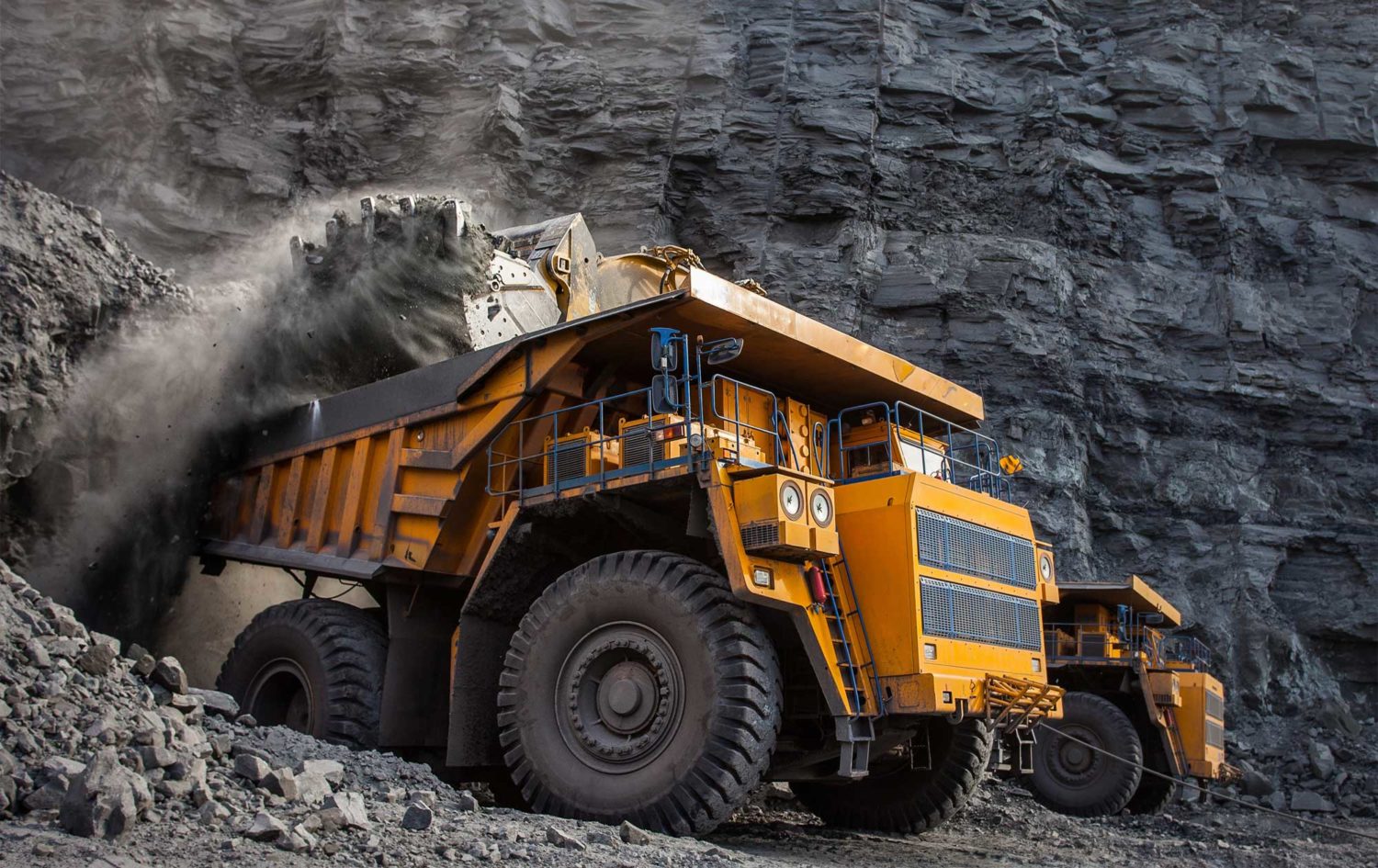
Iron ore hits new high
Seaborne iron ore prices surged on Wednesday alongside other ferrous futures, reaching new historic highs. Market participants are focussed on new environmental, tax and other policies which could emerge from political meetings starting in Beijing on Thursday.
The Kallanish KORE 62% Fe index gained $1.18/t to $175.79/dry metric tonne cfr Qingdao, a new historic high. The Kallanish KORE 65% Fe index gained $1.09/t to $199.29/dmt cfr, and the KORE 58% Fe index increased $1.07/t to $163.23/dmt cfr. 170,000 tonnes of PB fines sold at a floating price.
On the Dalian Commodity Exchange May iron ore increased CNY 19/t to CNY 1,152/t ($178.34/t), while on the Singapore Exchange April 62% Fe futures settled up $1.19/t at $170/t. The same contract for 65% Fe and 58% Fe futures settled up $1.49/t at $194.05/t, and up $0.68/t at $156.93/t respectively. In Tangshan, billet prices jumped CNY 140/t to CNY 4,410/t, the highest since 14 September 2011.
Iron ore prices have been supported by another rally in ferrous futures (see separate article). This was driven largely by deeper production restrictions in Tangshan. Short-term production restrictions have a small incremental impact on market supply. Underlying the price movement however is also speculation that China will move more aggressively to cut pollution from the steel industry by reducing output.
Iron ore miners meanwhile have been boosted by the suggestion that VAT on miners could be cut from 13% to 9%. This would be in order to support China’s goal of supplying 45% of the country’s needs. If confirmed, the policy is likely to be announced over the coming two weeks of political meetings.

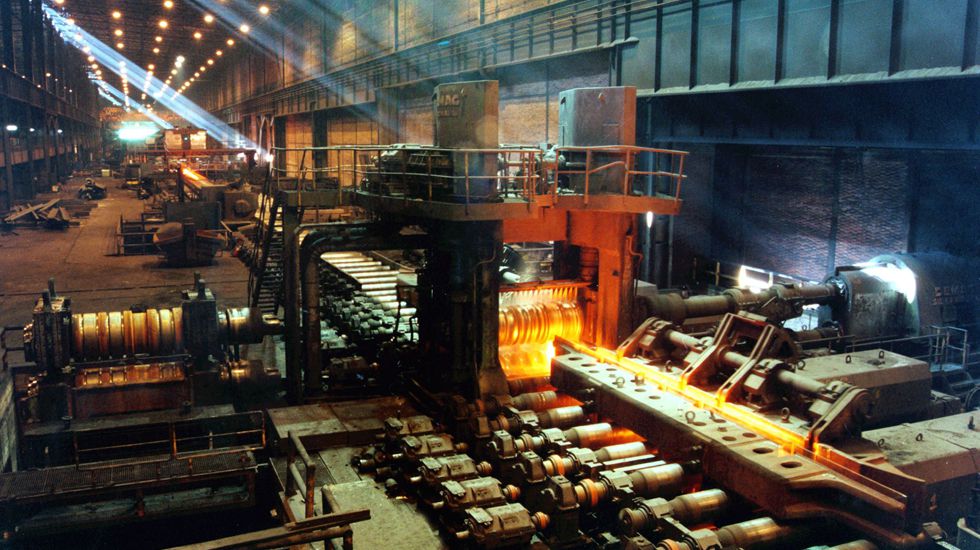
ArcelorMittal hikes EU longs as positive momentum returns
ArcelorMittal started informing customers from the end of last week of a new price increase for spot commodity grade long products – wire rod, rebar and beams – sales, Kallanish learns from sources.
The price hike is effective from Friday last week for all new orders and is being implemented by the group’s sales team. Offers are being hiked €30-45/tonne ($36-54) depending on the markets and products.
A source close to ArcelorMittal notes that sentiment and demand have picked up again in northern and Eastern Europe after a short-lived period of uncertainty. Further hikes could be envisaged in the coming weeks, he adds.
Demand is reported to be good for construction long products, with order books well filled at mills in northern Europe. Wire rod availability seems to be particularly tight.
The Kallanish northern European rebar price series corrected downwards a little in February, while Italian prices dropped more significantly. However, better sentiment is returning in most EU markets as the construction peak season begins.
Emanuele Norsa Italy