

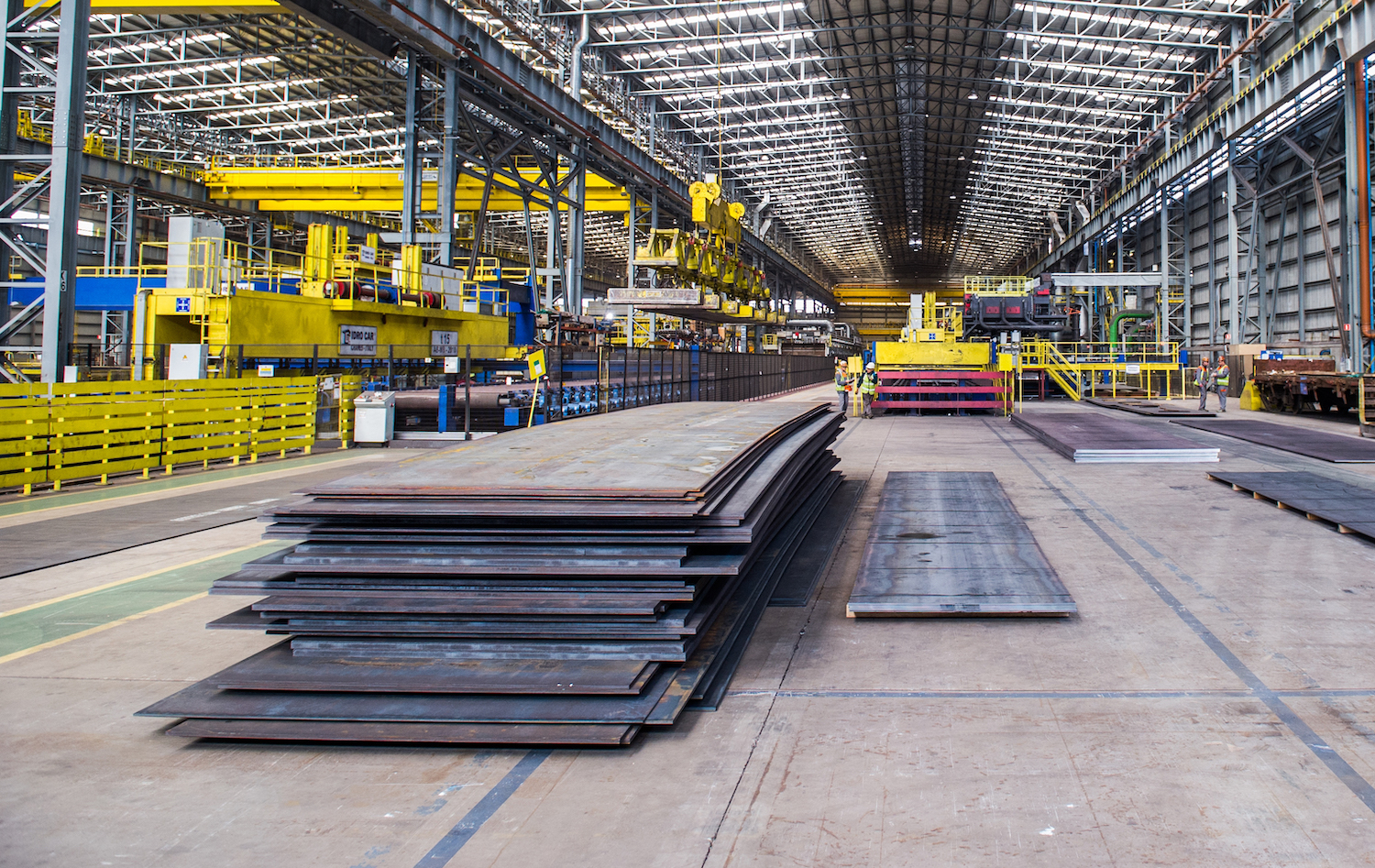
Global crude steel production up 15% on year in March: worldsteel
World crude steel production rose 15% year over year in March, with steel production in the first three months of 2021 seeing an increase in all regions except North America, according to data released by the World Steel Association April 22.
Crude steel production for the 64 countries reporting to worldsteel totaled 169.2 million mt in March, an increase of 15.2% compared with March 2020. Global crude steel production stood at 486.9 million mt in the first three months of 2021, an increase of 13% compared with the first quarter of 2020, according to worldsteel.
Nearly every region saw an increase of at least 6% year over year in crude steel production for March, except for North America, where production was roughly flat at 9.7 million mt. Through March, crude steel production in North America stood at 28.1 million mt, a decrease of 5.2% compared with Q1 2020.

Asian and Oceanic countries registered a production increase of 17.6% to 123.8 million mt. Production in China—the largest global steel producer—increased 19.1% year over year in March to 94 million mt, while India—the second largest producer—registered an increase of 23.9% to 10 million mt.
Production in the 27 EU member countries increased 17.5% in March, with German steel production at 3.6 million mt, up 10.4% compared with March 2020.
— Justine Coyne

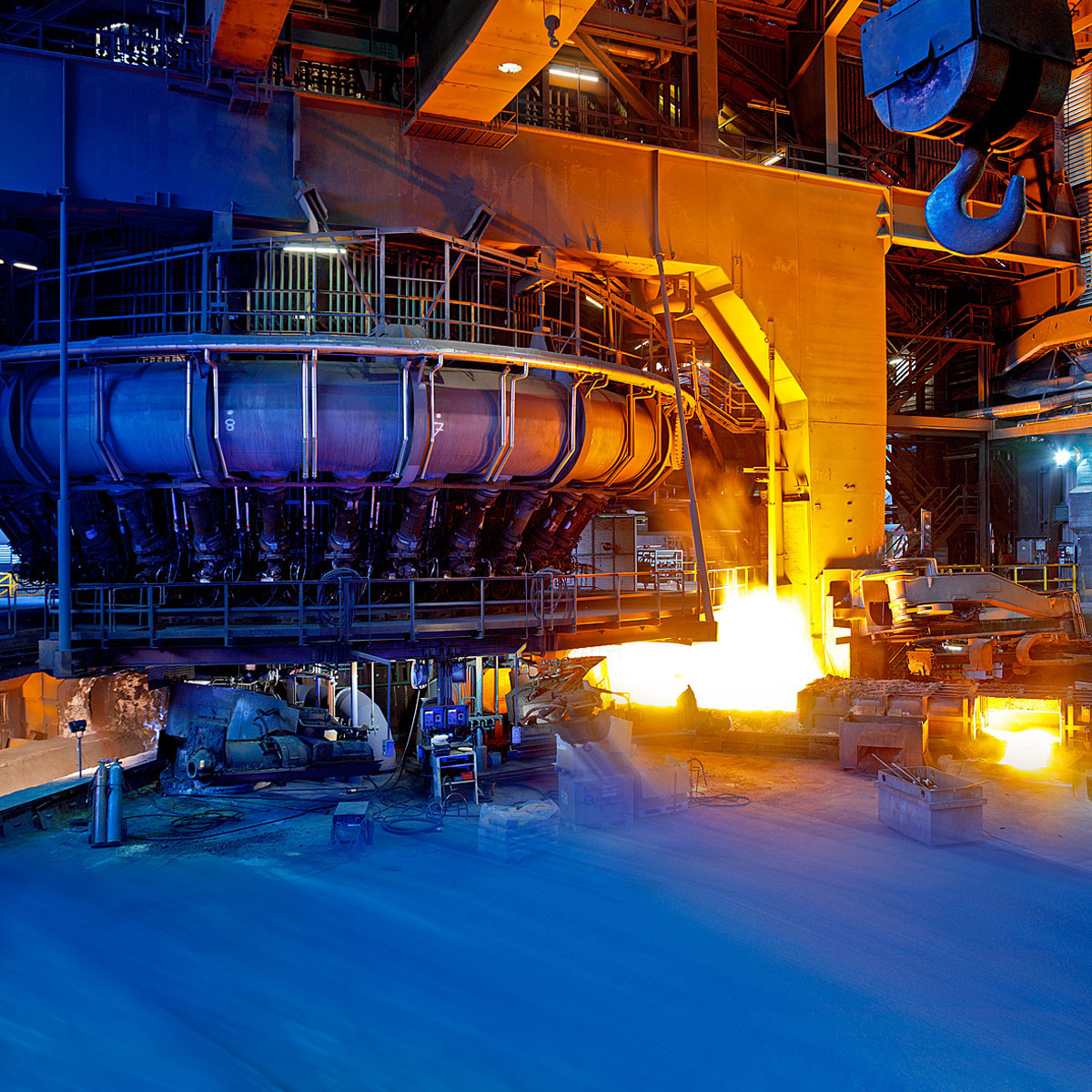
German crude steel output increases 21.9% in March
German crude steel production increased 21.9% month-on-month to 3.8 million mt in March, the highest level seen in almost four years, German steel federation WV Stahl said April 21.
The significant monthly change stems from intermittent production disruption due to bad weather in February that hampered raw material delivery to mills. The year-on-year change stood at 14.8% as pandemic-related shutdowns started to bite a year ago.
Crude steel produced via the blast furnace route grew 13.7% on year to 2.6 million mt, whereas production via electric arc furnaces increased 17.2% on year to 1.2 million mt.
During the first quarter of 2021, crude steel production increased by 3.2% on year to 10.2 million mt.
Pig iron production grew 10.7% on year in March to 2.3 million mt, while hot-rolled output increased 11.9% to 3.4 million mt. January to March 2021 combined showed an increase of 3.3% at 6.5 million mt for pig iron and 9.2 million for hot-rolled steel products, up 5.3% on year.
The flat steel market particularly suffers from material shortages as ramp-ups particularly from blast furnaces take months following shutdowns and reduced capacity utilization.
Sources told S&P Global Platts that the increase in steel output in March has not been felt in the spot market with sources saying those volumes have been either quickly absorbed or have not filtered through to the market yet.
Latest data from German steel stockholder association BDS showed that flat steel stocks have reached their lowest point since records began, with March figures amounting to 1.05 million mt at German stockholders.
Material shortages also pushed prices further up for hot-rolled coil to Eur960/mt EXW Ruhr, according to the daily Platts assessment for HRC Northern Europe, up Eur5/mt day on day April 21. The HRC price saw a Eur564/mt increase since June last year to the highest price ever recorded, while European steelmaker ArcelorMittal hiked offers for HRC the sixth time since the beginning of March to Eur1000/mt across Europe.
— Laura Varriale
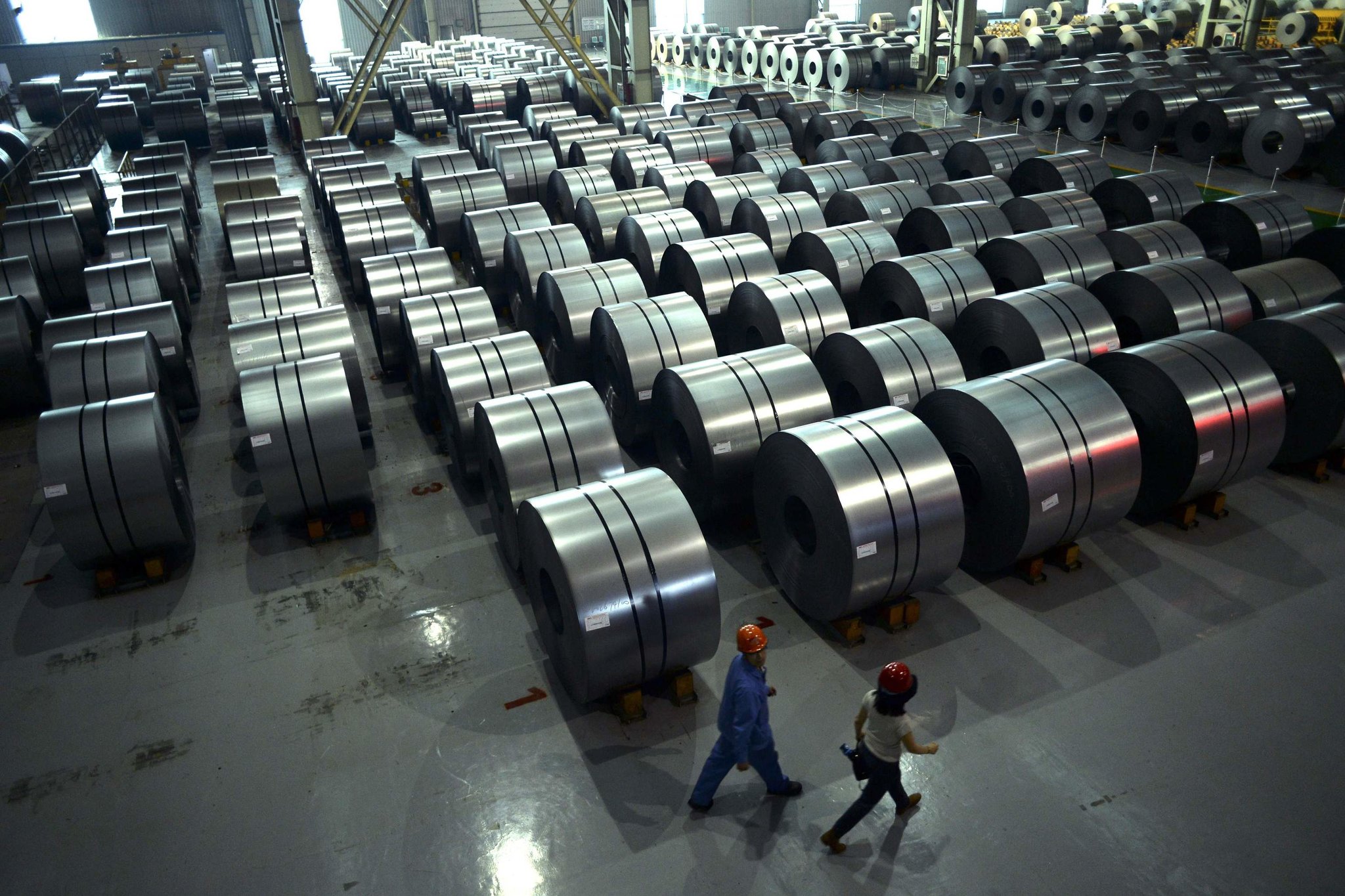
Eurofer stresses need to stop EU scrap exports for non-green steel
European steelmakers’ group Eurofer has reinforced the importance for Europe to curb exports of ferrous scrap to countries that don’t meet the same environmental standards as Europe, Axel Eggert, director general of the European Steel Association, told S&P Global Platts on April 22.
The comment came after Eggert talked about the importance of the circular economy during an event on climate transition on April 21. In order to succeed with a green climate initiative by 2050 Eurofer’s director said that it “should avoid that scrap is exported to facilities that do not meet the EU standards and we are asking the [European Commission] to make such a proposal.”
He also underlined that the role of recycling steel will become even more important to Europe as EU steelmakers strive to decarbonize.
Scrap is the main raw material used to produce steel via the electric arc furnace (EAF) route. Just over 40% of EU steel is produced via EAFs with the remainder produced in the more carbon-intensive blast furnace/basic oxygen furnace (BF/BOF) configuration.
In order to reduce its carbon footprint and become a more circular economy in Europe some BF/BOF steelmaking is expected to be shifted to EAF production, a move that will make scrap even more important.
Retaining local ownership
The European steel industry has always talked about the importance of retaining local ownership of raw materials, but now also faces the challenge of global CO2 emission reduction efforts that would be compromised if European scrap is exported and then re-melted in countries with low green standards.
Ferrous scrap is considered “waste” under EU law. The EC has opened a review under its Green initiative regarding its waste shipping policy and the final review was supposed to be published a few weeks ago. It is now understood that the deadline for the publication has been postponed to the end of Q2. By then it will clearer whether the Eurofer scrap proposal will be taken into consideration or not.
“Eurofer does not want a ban on exports but just wants the country of origin of the scrap shipped to meet the same criteria of countries of destination, as in the Basilea Convention,” a Eurofer scrap analyst added in a call with Platts on April 22. The Basilea convention is an international treaty that was designed to reduce the movements of hazardous waste between nations.
Europe 27 (UK not included) exported last year to third countries 17.5 million metric tons of ferrous scrap, while it imported from third countries only 4.1 million mt. The top five destinations of the EU 27 scrap exports were Turkey, Egypt, Pakistan, India and the US.
Temporary export bans
A number of countries implemented temporary export bans on ferrous scrap in 2020, amid concerns about raw material supply for domestic steel producers during the first months of the coronavirus pandemic, when scrap collection slowed amid lockdown restrictions globally.
The UAE introduced such a measure in May 2020 for a four-month period and in September extended the ban for another four months. However, the policy was largely considered ineffective, with trade into the key export market of India continuing relatively undisturbed, sources said. Elsewhere, South Africa banned scrap metal exports for a two-month period July 3.
Russia implemented an increase in the export duty on ferrous scrap on Jan. 30, 2021, to a minimum of Eur45/mt, up from a minimum of Eur5/mt, for the period of six months. Regulators hiked the duty to keep domestic scrap prices in check, as prices in the benchmark Turkish import market had risen sharply to a nearly 10-year high of $482.50/mt CFR Turkey for premium HMS 1/2 (80:20) material in early January. Platts assessed Turkish imports of premium heavy melting scrap 1/2 (80:20) April 22 at $429.50/mt CFR, up $2/mt on day.
European scrap prices have remained at sharply elevated levels since the beginning of 2021, with Platts’ monthly North Europe shredded scrap assessment reaching an all-time high of Eur372.50/mt delivered to the mill in January. The index has softened over subsequent months but has remained at historically elevated levels, with the April monthly assessment at Eur360/mt delivered.
— Annalisa Villa, Viral Shah

TMK plans joint venture stainless flats plant
Russian pipemaker TMK and the Chelyabinsk Electrometallurgical Plant (CHeMK) have set up a joint venture, LLC Russian Stainless Company (RNK), to implement a project for the production of flat stainless steel in Volgograd.
RNK will be owned in equal shares by TMK’s Volzhsky Pipe Plant and CHeMK. The project is currently being developed and the search for financing is underway, TMK says.
The design capacity of the proposed complex is up to 500,000 tonnes/year, Kallanish notes. Total investment is over RUB 100 billion ($1.36 billion).
The production site will be in the city of Volzhsky. It will produce high-quality finished flat hot and cold rolled steel from alloyed stainless steels, as well as from corrosion-resistant, heat-resistant and heat-resistant alloys.
Consumption of stainless steel in Russia currently amounts to about 300,000 t/y, while more than 90% of stainless steel flat products are imported. Over the past ten years, demand for these products in the country has grown by an average of 5% per year.
The launch of flat stainless steel production will support growing domestic consumption, TMK observes. The company is confident that, as a result of these joint activities, Russia will become a leader in the production of special steels and alloys for all industries.
The pipemaker earlier acquired 86.54% of shares in Chelpipe, one of Russia’s leading large-diameter and OCTG pipe producers (see Kallanish passim).
TMK’s 2020 consolidated revenue declined 28% on-year to RUB 222.6 billion ($3 billion). The company expects pipe consumption to remain stable in 2021.
Svetoslav Abrossimov Bulgaria

US Steel joins green forum ResponsibleSteel
Building on its pledge earlier in the week to hit carbon neutrality by 2050, US Steel announced Thursday that it has become the first North American steelmaker to join green steel forum ResponsibleSteel, Kallanish reports.
“ResponsibleSteel is an important part of US Steel’s ESG (environmental, social and governance) commitments and the 2050 carbon neutrality goal that we just announced,” says ceo David Burritt. “By joining ResponsibleSteel we are demonstrating our intent to take our efforts beyond goals and actually deliver profitable solutions for our stakeholders and the planet.”
Steel is globally responsible for about 7% of all greenhouse gas emission, according to ResponsibleSteel ceo Anne-Claire Howard.
“US Steel joining makes us a truly global organisation, covering all corners of the globe with nearly 10% of global steel production,” says Howard. “As the world’s only global multi-stakeholder standard and certification initiative for the steel sector, we work by building collaborative partnerships that create real impact for the planet and society.”
US Steel plans to hit its 2050 goal via a combination of leveraging its new electric arc furnace assets and green steel production processes – including its most recent green steel line, verdeX.
Dan Hilliard USA
Biden promises green steel, auto jobs in summit
The Biden administration began its Leaders Summit on Climate on 22 April with a montage of shots of planet Earth from space, overlaid with astronauts’ comments about how thin and fragile the atmosphere appeared.
“And here’s this thin, blue, iridescent band…everything that enables life to exist on this amazing ball of rock, flying through space,” says Apollo 9 astronaut Rusty Schweickart in the voiceover.
In a stark shift from the previous administration, President Joe Biden hosted leaders from 25 nations, as well as the heads of the United Nations and the European Commission, in a two-day seminar on climate change and the challenges – and opportunities – it presents.
“The signs are unmistakable. The science is undeniable. And the consequences of inaction keep mounting,” President Biden says in his opening remarks.
President Biden promised more “resilient and competitive” economies for the countries willing to invest in a clean-energy future, Kallanish notes.
“I see line workers laying thousands of miles of transmission lines for a clean, modern, reliable grid…I see auto workers building the next generation of electric vehicles and electricians installing nationwide for 500,000 charging stations along our highways,” he says. “I see the engineers and the construction workers, building new carbon capture and green hydrogen plants, to forge cleaner steel and cement and produce clean power.”
Dan Hilliard USA
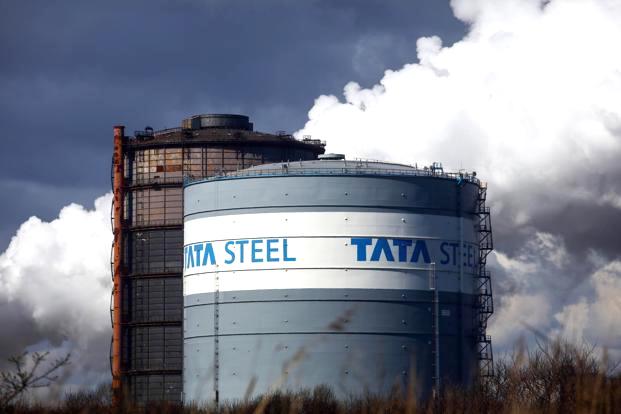
Tata brings claim against Liberty over Rotherham plant
Tata Steel has brought a claim against GFG Alliance in a UK commercial court over non-payments relating to the sale by Tata in 2017 of the Rotherham-based Speciality Steel plant to Liberty Steel.
A spokesperson for GFG Alliance declined to comment, while a Tata spokesperson tells Kallanish: “As this is now an active case, we are not making any comment”.
The move adds to the woes of Liberty Steel, which is facing challenges finding sufficient working capital financing to keep its global businesses in operation, following the collapse of major lender Greensill Capital.
Earlier this month the firm resumed partial production at its Rotherham plant following a period of intermittent operations since 12 March (see Kallanish passim). It also said then it had “agreed a few manufacturing campaigns in other units, including the Stocksbridge furnace, and the Stocksbridge, Thrybergh and Brinsworth rolling mills”.
Sanjeev Gupta, GFG Alliance executive chairman and chief executive, said earlier the group has received substantial interest from sources looking to refinance its debt, which is in the “many billions”. He also explained the group is in talks over a formal standstill agreement with Greensill’s administrators.
GFG said it would “vigorously” defend any legal action against Liberty Steel following the filing by Credit Suisse of an application through Citigroup in the UK insolvency court to wind up Liberty Commodities Ltd.
UK business secretary Kwasi Kwarteng said the UK government wants to see what new financing GFG can arrange before taking any action to support its UK plants. But officials are prepared to let Liberty Steel collapse into administration before stepping in.
Adam Smith Germany
CIS pig iron prices rise on new sales
Merchant pig iron trading activity has switched from Brazil to the Black Sea in the past week, amid an ongoing push by producers to achieve higher prices. The past week has also brought the first April sales of CIS material to the US, priced at the lower end of market participants’ working price assessment last week, Kallanish notes.
A Ukrainian cargo was booked at $575/tonne cfr Nola, for late-May shipment, late last week. Negotiations for the cargo started much earlier, and subsequent deals are expected at higher prices, in line with the US scrap market’s upward direction, sources say. Offers to the US from another, Russian supplier remain at around $600/t fob Black Sea, while another Russian supplier names $550/t fob as a working price level this week, with price hike potential growing.
In the Mediterranean, both Turkey and Italy have continued to book pig iron, with a total of around 50,000 tonnes sold in the past week. A total of 11,000t of Ukrainian pig iron was booked in Italy at around $585/t cfr, netting back to around $560/t fob. Demand in Italy has shrunk in the past year as mills have used a greater scrap proportion in their charge. Mills typically buy a few thousand tonnes at the most in ports, save for those who have long-term contracts with Russian suppliers.
Turkey, despite booking what now looks like two Brazilian cargoes in the past two weeks, was also in the market, booking a small Russian cargo at $565/t cfr. A total of around 25,000t was booked by a stockist at around the same fob price level of $545-550/t for May shipment.
There were also higher-priced foundry grade medium and small pig iron lots booked in Europe and Southeast Asia at a higher price level, estimated at around $580-585/t fob, including quality extras.
Market participants expect more CIS sales to the US in the coming weeks, as Brazilian availability appears to have dwindled with no offers seen in the market in the past week. China remains out of the market, but despite its absence, the price of CIS BPI continues to creep up.

EU mills reach €1,000/t offers for HRC
ArcelorMittal is expected to start communicating to its clients this week that new coil offers are increasing again. Hot rolled coil offers for northern Europe and the Iberian Peninsula are set to be sent out at €1,000/tonne ($1,205) ex-works base, Kallanish notes.
The last price increase was announced just last week, but in recent months the market has become accustomed to seeing offers increasing each week. The latest hike to be implemented this week will raise levels by a further €30/t.
ArcelorMittal’s new offers for cold rolled and hot-dip galvanized coil are expected to reach €1,150/t base ex-works.
Supply shortages, demand recovery and the persistent lack of import competition are contributing to the price rally. According to the latest data from the European Commission system to track safeguard duties usage, quotas for Indian HRC were exhausted during the first week of becoming available in early April. Quotas for Ukrainian CRC have since also been exhausted.
Emanuele Norsa Italy

Reliance triples first-quarter profit on-year
US service centre chain Reliance Steel & Aluminum more than tripled its profits on-year in the first quarter, Kallanish reports.
Reliance earned $266.9 million in Q1 on sales of $2.84 billion. In Q1 2021, Reliance earned $61.7m on sales of $2.57 billion.
“Our resilient business model coupled with outstanding execution in a favourable market resulted in record financial performance during the first quarter of 2021,” says ceo Jim Hoffman. “We experienced ongoing strength in metals pricing, led by multiple price increases for carbon steel products, along with improving demand in many markets, and leveraged our decentralised operating structure, small order sizes, and diversification of products, end markets and geographies, to achieve a record gross profit margin for the third consecutive quarter of 33.6%.”
Non-residential construction serves as the company’s largest end-use market. Tons sold are not yet at pre-pandemic levels – but they are steadily rising in tandem with demand.
“While demand is healthy and continues to improve in most markets, the company’s tons sold have not yet reached pre-pandemic levels,” the company says in its end-use market outlook. “Reliance believes underlying demand is stronger than its first quarter shipment levels reflect due to factors holding back economic activity such as metal supply constraints, labour shortages and supply chain disruptions for Reliance, its customers and its suppliers.”
Dan Hilliard USA