

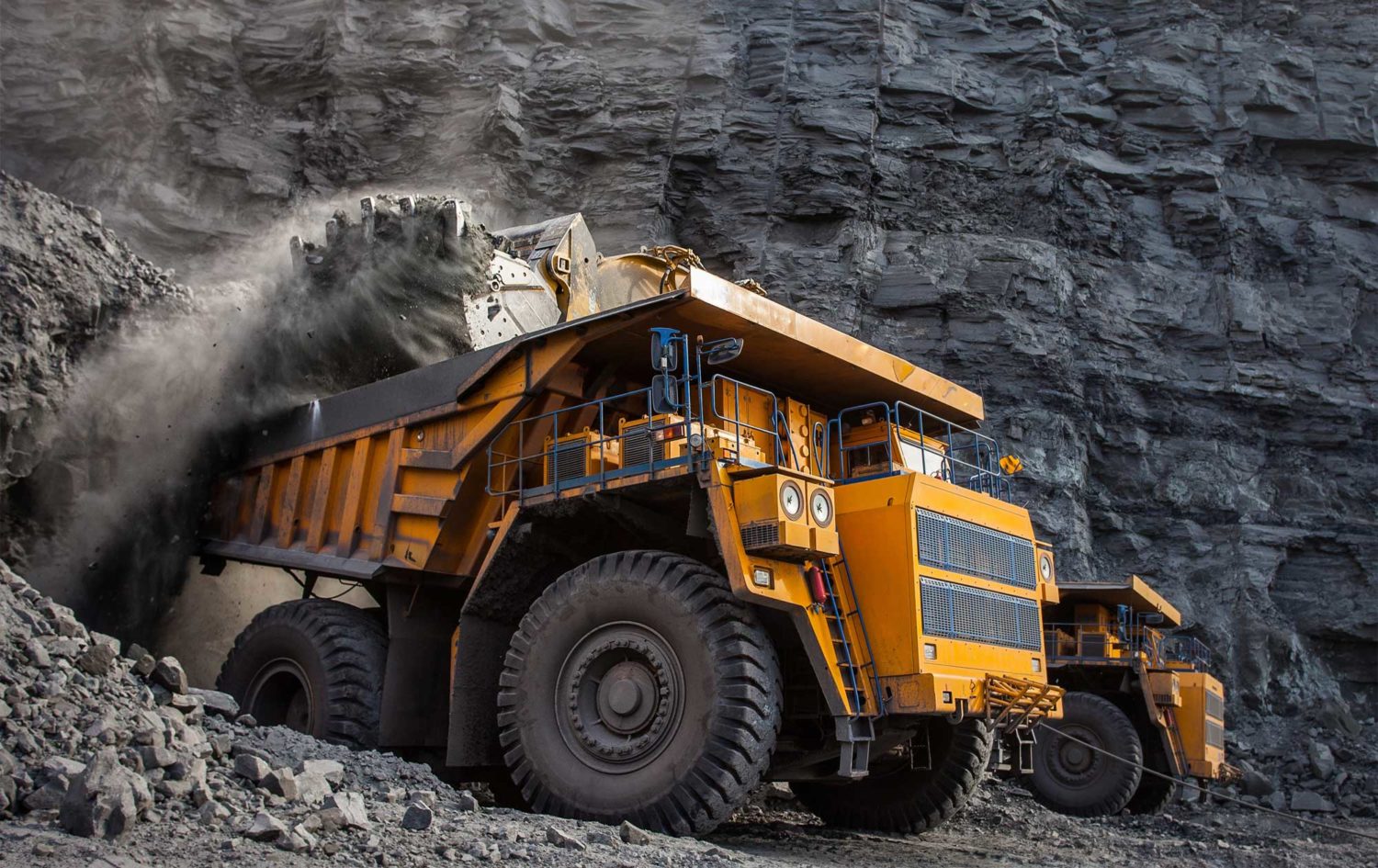
Iron ore firms to new record
Seaborne iron ore prices were driven to new highs on Friday on signs of renewed buying. Port stocks were building very slowly last week, but could accelerate.
The Kallanish KORE 62% Fe index gained $3.09/t to a record $181.58/dry metric tonne cfr Qingdao. The Kallanish KORE 65% Fe index increased $1.51/t to $214.59/dmt cfr, and the KORE 58% Fe index fell $1.65/t to $154.49/dmt cfr. 190,000 tonnes of Yandi Fines, 100,000t of PB Fines and 70,000t of PB Lump sold at floating prices.
On the Dalian Commodity Exchange September iron ore settled up CNY 5.5/t at CNY 1,097/t ($169.12/t), while on the Singapore Exchange May 62% Fe futures settled up $2.07/t at $181.06/t. The same contract for 65% Fe and 58% Fe futures settled up $2.11/t at $215.88/t, and up $0.46/t at $156.50/t respectively. In Tangshan, billet prices gained CNY 10/t to CNY 4,950/t.
Iron ore port stocks increased last week, according to data from SMM. Across 35 ports stocks were up around 240,000t to 126.78 million tonnes. The increase came as mills aimed to delay their restocking amid very high prices. Lower arrivals at Chinese ports however meant the increase was not large. Mills are expected to take more materials from port stocks ahead of the 1-5 May Labour Day holiday in China. Shipments into ports are also expected to tick higher, however.
Expectations that mills will be drawing down inventories over the coming week helped give confidence to buyers of seaborne cargos. This caused an increase in deal making on the COREX exchange. Firm steelmaking margins also continue to support high prices.

Oxygen diversion spares Indian steel, but lockdown threatens
The diversion of oxygen away from industry to medical purposes due to ballooning Covid-19 cases and oxygen shortages in India is unlikely to have a significant impact on steel production in the country, local sources tell Kallanish.
On Friday India recorded 332,730 coronavirus cases, the highest one-day tally anywhere in the world for the second day in a row, with most hospitals full and running out of oxygen. The second wave of the pandemic is raising fears among steel industry participants that India could implement another nationwide lockdown that would see demand curtailed as it was last spring.
Around 25-30% of oxygen produced for steel plants is in liquid form, which is the maximum that can be diverted for medical purposes, says Sachin Shetty of consultancy Quesrow Consulting.
“Current medical oxygen (MO) capacity is about 7,500 tonnes and this is being ramped up to about 9,000 t/day,” he observes. “Regular MO demand is about 700-900 t/d, which has now gone up to around 6,000 t/day. That’s why there was a sudden shortage and steel plants were asked to meet the shortfall. Hopefully with commercial MO operators improving oxygen capacities, steel mills could use this oxygen for their captive use.”
“However, the worry is the pace of infections. If these Covid-19 cases continue and if we have to go on complete lockdown like in the last case, the impact could be severe on steel production and the production loss could be as high as 20-30% this time.”
An Indian Steel Association representative says: “The diversion of oxygen from steel plants will have minimal effect on steel production per se. Lockdown is the real worry but it is unlikely. The focus is more on local restrictions rather than a countrywide lockdown. Hence, we are not expecting production to take a hit. Demand will falter in the short term but even out in the middle term. So, production is expected to remain normal.”
Indian finished steel consumption slumped 55% on-year in the June-2020 quarter, although it recovered to a 10% on-year decline in the first 11 months of the fiscal year through March 2021. Production slumped 42%, recovering to an 8% drop on the same basis. Indian mills offset the June-2020 quarter local demand slump by hiking exports by 145%.
Adam Smith Germany

LME eyes July EU HRC futures contract launch
The London Metals Exchange is expected to launch a new futures contract for European hot rolled coil from 19 July, Kallanish learns from sources.
Two years ago the LME launched its first HRC contracts, for China and North America. At that time, it postponed the launch of a contract for the European market to solve some practical issues, including currency denomination.
The new contract will be settled in USD, Kallanish understands.
In the first quarter some 4,468 futures for the LME HRC North America contract were traded, equivalent to 44,680 tonnes in the physical market. For the LME HRC Chinese contract, 14,552 contracts were traded in Q1, equivalent to 145,520t.
Emanuele Norsa Italy
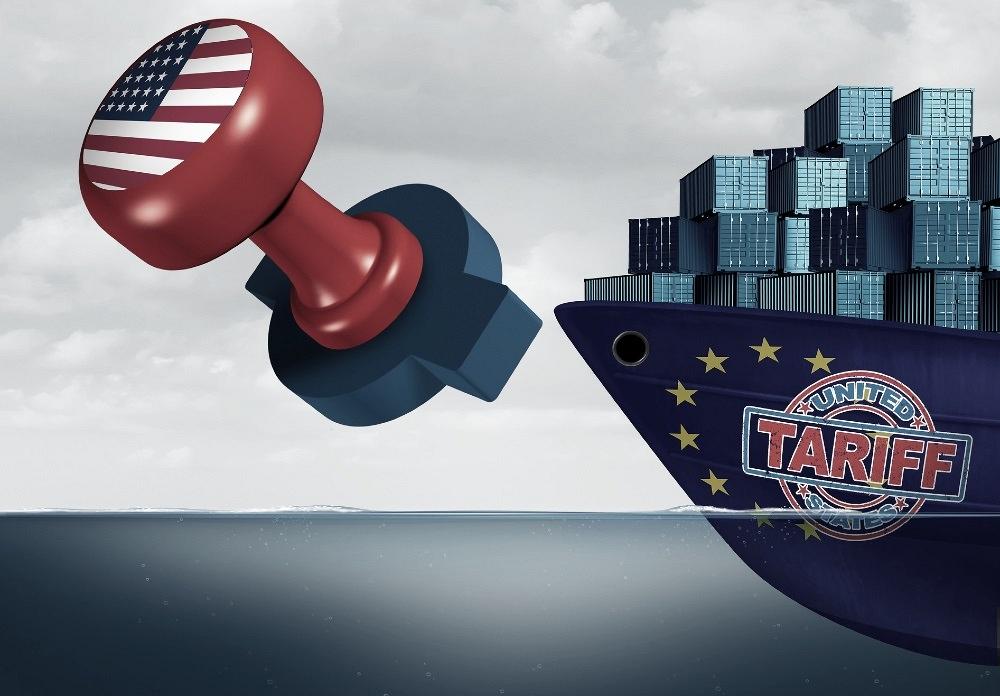
EU retaliation may convince Biden to revise Section 232
While the Biden administration has reversed multiple Trump-era policies, it has not been in any rush to revise the Section 232 tariffs. That might change, however, with the European Union on the verge of escalating retaliatory tariffs on US products, according to market participants.
Starting on June 1, the EU will increase the duties – first imposed in 2018 – from 25% to 50% on a wide array of US imports ranging from flat-rolled steel to Jack Daniels whiskey unless the US removes the EU from the 232 tariffs.
There is some question, however, about whether the EU’s tariff increase will occur in June after EU trade chief, Valdis Dombrovskis, suggestedthan the blocand the US suspend tariffs for six months.
“Logically, increasing tariffs provides some leverage by putting additional pressure on the US,” John Foster, chairman of the American Metals Supply Chain Institute – which represents metals importers – told Fastmarkets.“[Senator] Mitch McConnell [Republican, Kentucky] is certainly one senator who will want to see a resolution to help the whiskey producers in his state. It’s political as much as economic.”
European leaders have repeatedly said that the Section 232 tariffs are especially galling because the justification for the tariffs was to prevent imports that impair national security. This has added to the pressure to the Biden administration to find an accommodation, especially since the president has emphasized the importance of the North Atlantic Treaty Organization.
“They can’t realistically expect to keep this high-tariff policy adopted by the Trump Administration in place and still expect to repair the damage to our trade relations with our allies caused by these actions,” Rufus Yerxa, president of the National Foreign Trade Council, told Fastmarkets. The National Foreign Trade Council is a business-lobbying group that leads a coalition of almost 40 different industry and agricultural associations opposing the steel and aluminum tariffs.
Following the implementation of the Section 232 tariffs in June 2018, Fastmarkets’ daily steel hot-rolled coil index, fob mill US surged to $45.84 per hundredweight ($916.80 per short ton) – a nearly 10-year high at the time. The index was last calculated at an all-time high of $67.75 per cwt on Monday April 12.
A move from the tariffs to a quota may be an example of what to expect, some sources said. South Korea, Argentina and Brazil moved from tariffs to steel quotas in June 2018.
“We have allies and adversaries, and the European Union is an ally,” Foster said. “The US found a way to work with other allies such as South Korea by moving to a quota. I can see them coming to a similar solution [for the EU].”
Not all sources believe that the EU will be mollified by a move to quotas. An accord might take more time as the Europeans demand greater access to US metals markets, sources said.
“A quota isn’t a mitigation, a quota is another restriction,” a trade lawyer said. “The way to mitigate and eliminate the risk is to eliminate the cause. Do I think [the Biden administration will] talk to the EU? Yes, and I expect the EU to be tough on them.”
A majority of senior-level executives in steel and other metals industries expect President Biden to rescind the Section 232 tariffs, according to Headwall Partners’ 2021 Steel & Metals Outlook Survey released on March 17. The survey found that 54% of respondents believe that Section 2332 will remain in place for less than two years.
The Biden administration hasn’t signaled that it will make any changes for the short term, with its focus currently on strengthening US industry. Steel companies and workers applauded when Biden signed an executive order strengthening “Buy America” laws during his first week in office, and when Commerce Secretary Gina Raimondo called Section 232 “effective” on March 4.
“I don’t expect any changes in the near future,” an East Coast steel tradersaid. “Gina Raimondo, the new Commerce Secretary, has expressed the need to protect US industries against unfair trade, and at most she may want to make some adjustments.”
The United Steelworkers union joined forces with the American Iron and Steel Institute (AISI), the Steel Manufacturers Association, the Committee on Pipe and Tube Imports and the American Institute of Steel Construction to urge the Biden administration to maintain Section 232 steel tariffs.
“We don’t see any reason to fundamentally modify Section 232 at this time,” Kevin Dempsey, president and chief executive officer of AISI, told Fastmarkets. “Global overcapacity has fueled surges of imports that have hurt the US steel industry. So, global overcapacity is a national security threat. Section 232 allows us to deal with the surges of imports.”
The American steel industry has also looked to tighten the Section 232 tariff exclusion process, which could further curb imports. Steel industry groups united to reverse changes that the Commerce Department enacted in December, which were aimed at streamlining general approved exclusions.
“Section 232 should not be changed,” Dempsey said. “It should be kept, and in fact the 232 exclusion process needs to be tightened.”
Abby Verret in Seattle contributed to this report.
April 14, 2021 13:25 PM By Mark Shenk

EU steel coil buyers struggle to obtain credit after ‘freakish’ price hikes, ‘crazy’ lead times
European buyers of steel coil are encountering difficulties obtaining credit insurance and opening credit lines for purchases because of the rapid price rises and extended lead times in recent months, sources told Fastmarkets this week.
Market participants said the situation was limiting the ability of buyers to acquire required volumes, despite strong demand from both distributors and end consumers. The situation is likely to further constrain the volumes traded because domestic steelmakers have, in any case, been offering only limited tonnages of coil over the past few weeks.
“The amount [of funding] a buyer needs to make a deal has doubled or tripled and the credit insurance companies are not expanding lines [of credit to] the customers in line with price increases. They need payment guarantees from a bank or upfront payments [and while there are ways] to deal with the issue, they all increase costs for the buyer and will be more time consuming,” a German distributor told Fastmarkets.
An Italian trader agreed.
“Our credit lines are completely full because prices have increased and continue to rise. This will be [troublesome] and it has already limited the ability of buyers to book what they need,” the trader said.
The number of transactions in the market and the volume of trades have already been limited by European steelmakers reportedly holding back from offering bigger tonnages in the spot market. Such tactics by the producers could be explained away as a focus on long-term agreements and monitoring traded volumes to avoid becoming overbooked, or as an attempt to take a pause and return to the market when buyers are ready to accept even higher prices.
Fastmarkets calculated its daily steel hot-rolled coil index, domestic, exw Northern Europe at €971.25 ($1,168.26) per tonne on April 23, up by €45.00 per tonne week on week and by €162.92 per tonne month on month. The price has increased by €581.14 since June 22 in 2020, when it reached a bottom.
“We have problems with opening credit lines because of the crazy lead times mills are offering now. Usually, it would be about six weeks, now it takes months before delivery. If the trend continues, buyers will not have any money to pay freakishly high prices for phantom coils they will get in autumn at best,” another Italian distributor said.
The earliest delivery times that Northern European and Italian steelmakers were able to offer this week were for late-third-quarter production, sources said. One mill in Italy was said to be offering HRC with December delivery, but that had not been widely confirmed by other market participants by the time of publication.
“The situation with credit lines makes matters even worse for buyers. We are already struggling with getting needed volumes from mills and now, with credit lines full, we need to jump through hoops to be able to make payments for whatever we can get. And I think situation will become even more complicated as there are no signs that there will be any material with faster delivery available [any time] soon,” a distributor said.
The troubles buyers face with opening credit lines have not had an impact on prices and are unlikely to do so in the short term because mills are firmly in control of pricing due to the shortage of material.
Julia Bolotova in Dnipro contributed to this report.
April 23, 2021 15:58 PM By Maria Tanatar
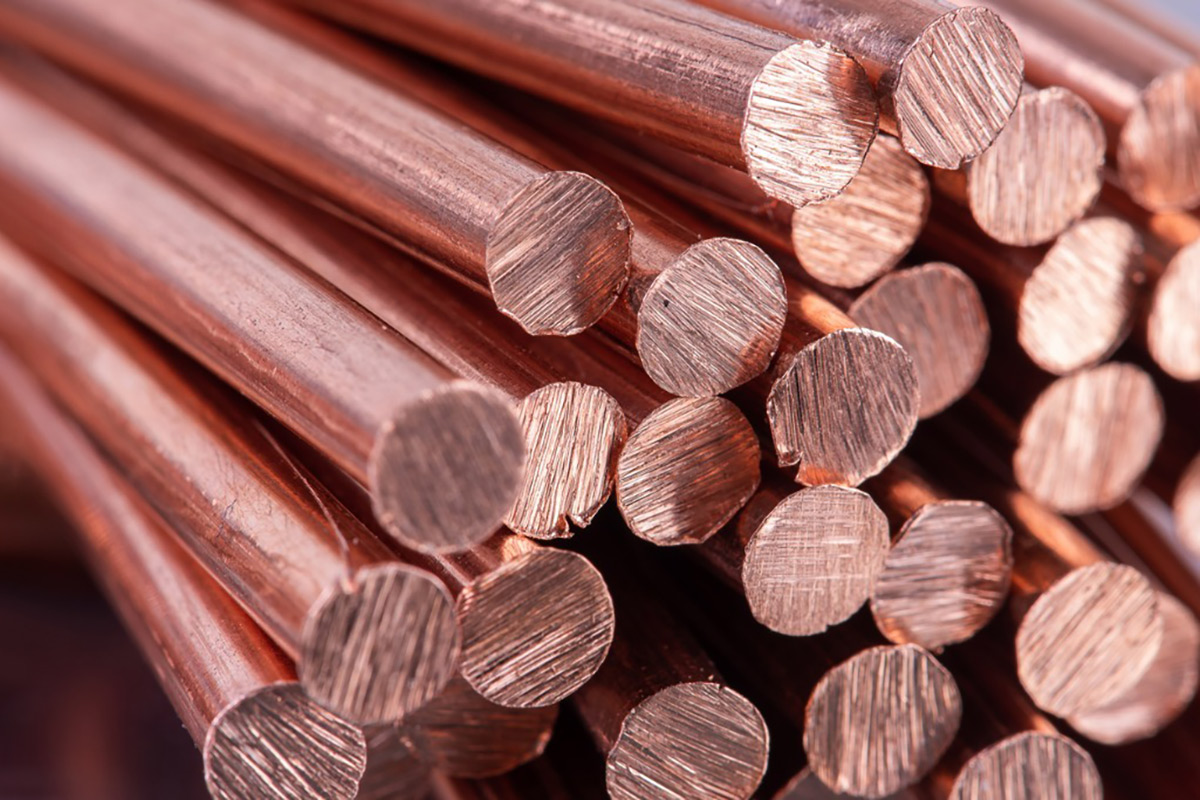
Copper prices hit highest level since 2011
Copper reached its highest level in a decade on Monday, as concerns over supply disruptions and strong demand from market lift expectations of a tight market.
The key energy transition metal was trading up 1% on the London Metal Exchange early on 26 April at $9,650 per tonne, compared to $9,545.50/t on Friday, 23 April. The price is the highest level since 29 July, 2011, when copper traded at $9,730/t on the LME, Kallanish reports.
According to Goldman Sachs, the commodity is on track to surge to $15,000/t by 2025, as demand is forecast to grow nearly 600% by 2030. The analysts estimate demand to reach 1.22 million t this year, growing to 2.56m t in 2025 and 5.39m t in 2030. With the surge in projected demand comes the supply deficit and need for higher prices, which in turn should unlock new investment.
Jefferies’ analysts believe that “supply risks are escalating and the copper price is about to break out of its recent trading range.” They note there’s value elsewhere in the commodities, “but copper is still best.”
Supply concerns have been raising out of Chile, the world’s No.1 copper exporter. First the potential impact of the pandemic on production and exports, and now the risk of a nation-wide strike at ports.
With over 8,000 members across 25 port terminals in the country, the Chilean Port Union had scheduled a strike on all the terminals on Monday to pressure the government to enhance financial support for the population. It announced on Sunday the total stoppage of all 25 terminals, which would halt copper exports and affect inventories.
Chile’s President Sebastian Pinera announced late on Sunday it was passing a bill to Congress to allow workers an early withdrawal of 10% of their pensions funds, as opposed to blocking the bill.
Germany’s steel production hits four-year high in March
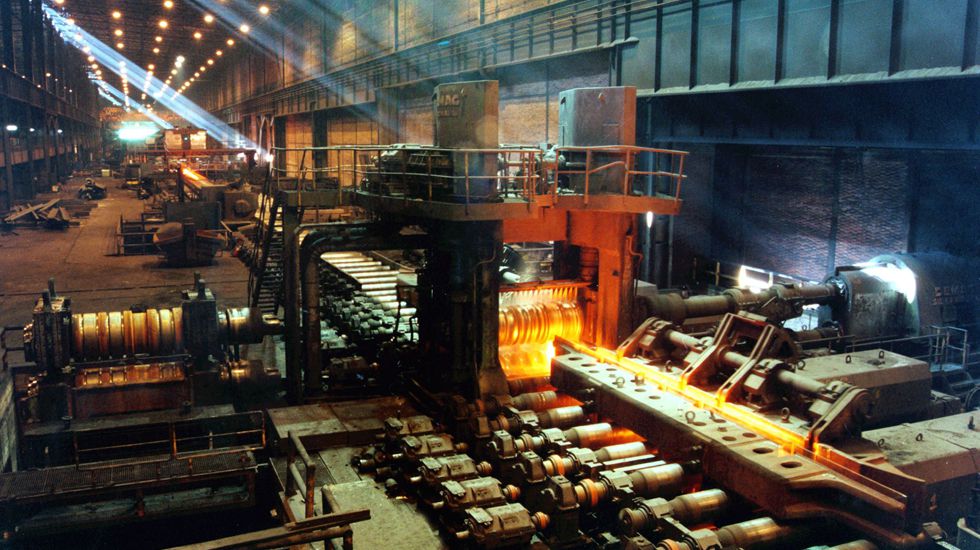
Crude steel output at German mills in March was 3.8 million tonnes, up by 14.8% on-year and 21.9% on-month, writes steel federation WV Stahl in its monthly update. This is the highest monthly figure in the last four years, it observes.
In January-March, Germany increased steel production to 10.2mt, up by 3.2% compared to the first quarter of 2020, Kallanish notes.
Germany is among the top ten steel producers in the world.
In 2020, German steelmakers reduced production by 10% on-year to 35.66mt, due to the impact of the Covid-19 pandemic.
March showed on-year growth after a drop in February, which comes amid the surge in demand and prices since last November. Market supply has tightened further in recent weeks, which invites the question as to why mills do not respond to demand by increasing production.
Two previously idled blast furnaces were largely put back into production in February – at HKM in Duisburg and at ArcelorMittal Bremen. Thyssenkrupp, meanwhile, plans to idle one BF for a reline in summer, which normally means elevated production levels in the preceding months, to create an inventory for the standstill period.
The impact of the Covid-19 pandemic has helped some German steel companies to ramp up the digitalisation process, the use of hydrogen and more EAF investments, voestalpine marketing executive Wolfgang Mitterdorfer noted last month.
Svetoslav Abrossimov Bulgaria

Hydrogen represents 1,000-year milestone for steel: Vattenfall
The ceo of Swedish energy firm Vattenfall says hydrogen will be the biggest gamechanger for steel in the past 1,000 years, Kallanish reports from the Biden administration’s Leaders Summit on Climate.
Ceo Anna Borg detailed Vattenfall’s HYBRIT hydrogen joint venture, which has so far produced fossil-free steel on a demonstration scale in conjunction with SSAB and will soon feature a fossil-free direct reduced iron plant in Gällivare.
The Gällivare plant is slated to produce 1.3 million tonnes/year by 2026, with plans to expand to 2.7m t/y by 2030 (see Kallanish passim).
“This is not our sustainability strategy – it is our business strategy, and it is sustainable,” says Borg. “This is the biggest shift in the steelmaking industry in 1,000 years…this is no longer a vision. It’s happening, and it has the potential to change the world.”
Dan Hilliard USA

Hydrogen steel project receives support from end users
Building envelope solutions and insulation supplier Kingspan is investing in Swedish hydrogen-based steelmaking project H2 Green Steel (H2GS). The move confirms the increasing interest of key steel users in the transition to CO2-neutral steelmaking.
Kingspan will be a single digit minority shareholder, but it intends to enter into a long-term supply agreement with H2GS. “Kingspan is the first building materials company globally to make a commitment to procure H2 Green Steel at scale,” the company says in a note sent to Kallanish.
H2GS targets to start production by 2024 in Boden-Luleå, northern Sweden. It will replace coke and coal with green hydrogen to achieve an almost totally CO2-free steel. By 2030 the company targets a production of 5 million tonnes/year.
“The building industry is a major user of steel, and steel production is a major source of carbon emissions; it is therefore clear that Kingspan’s Planet Passionate commitment to reduce emissions in its primary supply chain must include a new model of steel production,” says Kingspan chief executive Gene Murtagh.
“We have set ourselves the challenging target of reducing emissions from the primary raw materials we use in manufacturing by 50% by 2030, and H2 Green Steel offers a compelling route to achieving this goal,” he continues. “We recognise that for companies to make a meaningful contribution to address the climate crisis they need to be prepared for radical thinking and actions, and our determination to transform our supply chain reflects this.”
Emanuele Norsa Italy