


Wachstum in allen Geschäftsarten und Geschäftsbereichen
Der Vorstand berichtet über die Entwicklung des Geschäftsvolumens per 30.04.2021 wie folgt:
Per April 2021 setzt der NORDWEST Konzern mit einem Geschäftsvolumen von 1.526,2 Mio. EUR und damit mit einem Anstieg von 20,2% gegenüber dem Vorjahr die positive Entwicklung fort. Besonders hervorzuheben ist, dass das Wachstum weiterhin in allen Geschäftsarten und Geschäftsbereichen erfolgt. Auch die Anzahl der angeschlossenen Fachhandelspartner wird seit Jahresbeginn um 16 auf nunmehr 1.141 gesteigert.
Neben der sehr guten Entwicklung im Zentralregulierungsgeschäft mit einem Anstieg von 19,1% gegenüber dem Vorjahr, überzeugt insbesondere das Streckengeschäft, welches nahezu ausschließlich dem Geschäftsbereich Stahl zuzuordnen ist. Hier wird das Geschäftsvolumen um 31,7% gesteigert. Auch das Lagergeschäft übertrifft mit einem Volumen von 70,4 Mio. EUR den bereits sehr guten Vorjahreswert um 13,3%. Zusätzlich zu der ohnehin starken Entwicklung konnten im April Bestellpositionen abgearbeitet werden, die im März aufgrund von aufgetretenen Corona-Infektionen und damit einhergehenden notwendigen Quarantänemaßnahmen bei unserem Logistikdienstleister am Standort in Gießen nicht fakturiert werden konnten.
Entwicklung des Geschäftsvolumens mit Blick auf die Geschäftsbereiche:
Der Geschäftsbereich Stahl setzt die positive Entwicklung aus dem ersten Quartal fort und erzielt aufgrund der deutlich gestiegenen Preise und bei einer im Vergleich zum Vorjahr konstanten Tonnagemenge mit einem Geschäftsvolumen von 555,7 Mio. EUR einen Anstieg von 22,7%. Im Bereich TeamFakor/Services wird dank der Akquirierung neuer Fachhandelspartner sowie dem Volumenausbau mit Bestandskunden mit einem Geschäftsvolumen von 392,6 Mio. EUR das Vorjahr um 27,7% übertroffen. Im Kerngeschäftsbereich Bau-Handwerk-Industrie steigern sowohl der Bereich Bau mit einem Geschäftsvolumen von 157,3 Mio. EUR (+11,1%) als auch der Bereich Handwerk-Industrie mit einem Geschäftsvolumen von 326,7 Mio. EUR (+17,5%) ihr Geschäftsvolumen weiter deutlich. Hier ist das Wachstum weiterhin insbesondere in den baunahen Bereichen zu verzeichnen. Der Geschäftsbereich Haustechnik kann mit einem Anstieg des Geschäftsvolumens um 4,8% auf 93,8 Mio. EUR gegenüber dem Vorjahr weiter überzeugen. Insbesondere die Akquise neuer Fachhandelspartner sorgt hier für die positive Entwicklung.
Der Zwischenbericht per März 2021 wird am 12.05.2021 veröffentlicht. Die diesjährige Hauptversammlung findet am 20.05.2021 statt. Auf Grundlage des Gesetzes über Maßnahmen im Gesellschafts-, Genossenschafts-, Vereins-, Stiftungs- und Wohnungseigentumsrechts zur Bekämpfung der Auswirkungen der COVID-19-Pandemie (“COVID-19-Gesetz”) wird sie als virtuelle Hauptversammlung ohne physische Präsenz der Aktionäre oder ihrer Bevollmächtigten abgehalten. Weitere Informationen hierzu finden Sie auf der NORDWEST-Homepage www.nordwest.com im Bereich Investor Relations/ Hauptversammlung.
Bildtext (Vorschau): Jörg Simon, NORDWEST-Vorstand für Haustechnik/Stahl/Finanzen
Quelle: NORDWEST Handel AG / Fotos: marketSTEEL

14.05.2021 von Hubert Hunscheidt

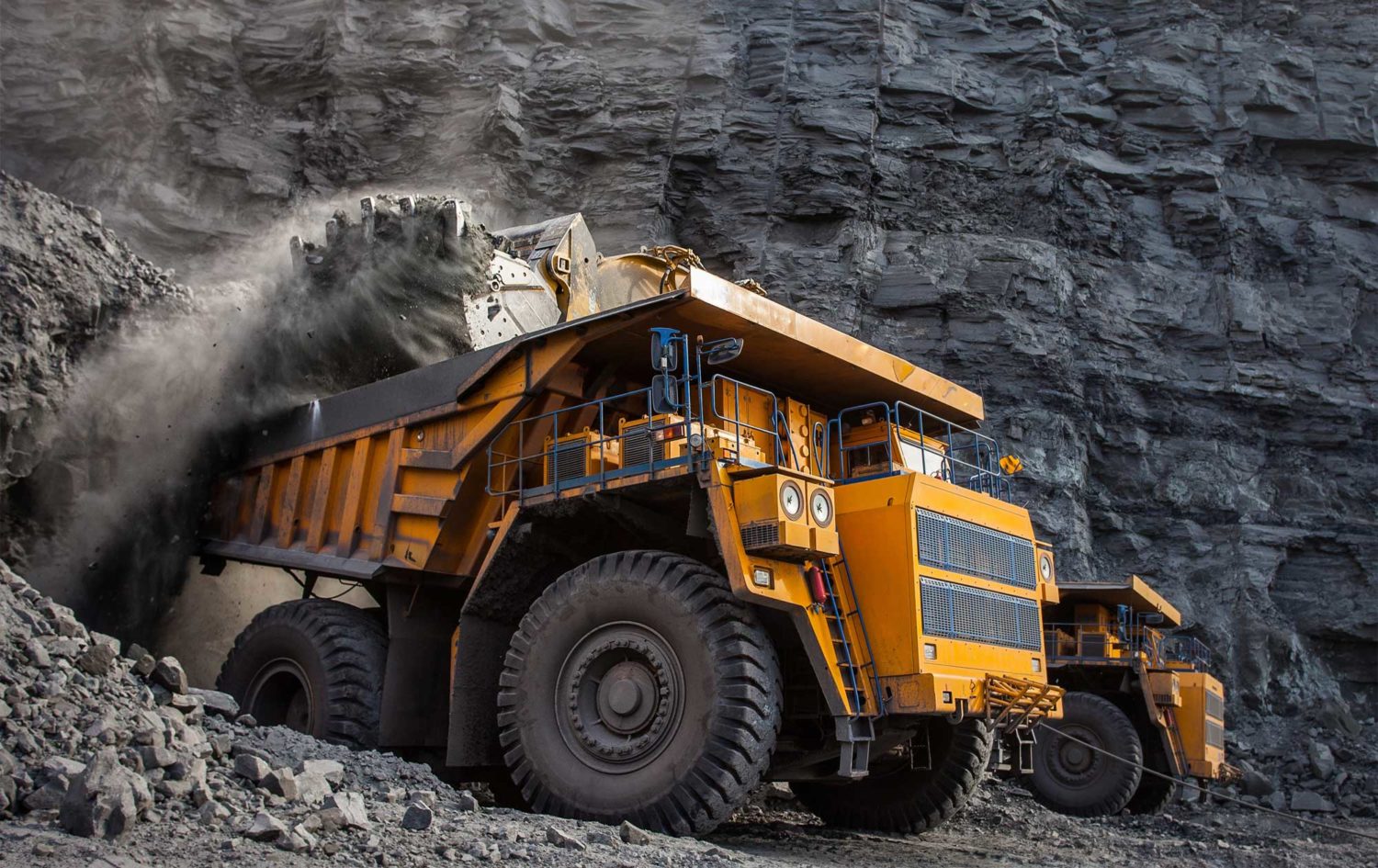
BHP, Rio Tinto, Vale seek mine electrification innovation
BHP, Rio Tinto and Vale are calling innovators to develop new concepts for electrification of mine truck fleets to help the decarbonisation of the mining industry, Kallanish learns from the companies.
The three major global miners, together with Australia’s mining equipment, technology and services industry body Austmine, have launched the so-called Charge on Innovation Challenge – an international competition for technology development. The initiative seeks “multi-megawatt scale fast charging concepts capable of delivering around 400 kilowatt-hour to charge (and propel) a truck within the truck’s haul cycle – load, travel, dump, return and queue.”
The expression of interest process starts tomorrow (18 May) and candidates who make the shortlist will pitch their concepts later in the year. The competition should attract companies from a broad range of sectors including mining, automotive, aerospace, agriculture and defence “to deliver selected charging concepts to create a standard product that can interface with all trucks,” says Austmine ceo Christine Stewart.
Stationary charging systems currently available require substantial time to charge large trucks, which would result in “significant” productivity loss, the firms said. Large battery-electric haul trucks need an efficient charging system that will ensure safety, productivity and operational improvements, while cutting down emissions from surface mine operations.
“We understand that these challenges will not be solved overnight, but together we can find the best concepts that can be applied across the industry,” says BHP Minerals Australia’s president Edgar Basto.
Rio Tinto believes “innovation is key to decarbonisation,” while Vale highlights that mine electrification is an integrated job. “We need to develop new charging solutions that can be incorporated into our operations in parallel to the development of battery trucks, to ensure we create a truly sustainable electric haulage system in all aspects – clean, competitive and flexible,” says Vale’s ferrous engineering director Carlos Mello.
As part of attempts to reduce the mining footprint, Vale announced last week the world’s first large ore carrier equipped with rotor sails. The technology improves efficiency by up to 8%, reducing up to 3,400 tonnes/year of CO2 emissions. The 325,000-t Guaibamax vessel is a pilot that could open doors for at least 40% of Vale’s ship fleet to be converted.
Maritime transportation accounts for a major part of the mining industry’s carbon footprint, and according to BHP, Rio Tinto and Vale, “the mining industry needs to be at the forefront of tackling the climate challenge.”
Dan Hilliard USA

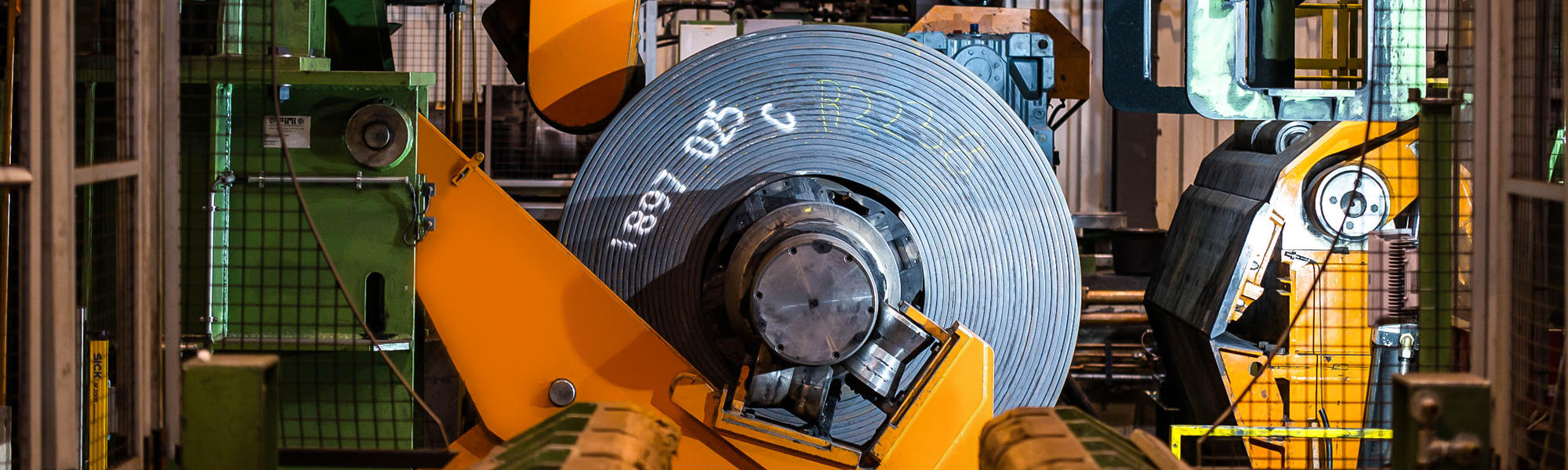
Cold-rolled coil gets tighter in Europe
In the overall push-and-shove on the coil market in northwestern Europe, cold-rolled coil recently has been named frequently by market players as the product that is hardest to obtain.
“The lack of cold-rolled material stands out in fact, and prices here risen even faster than for hot-rolled,” a Dutch manager tells Kallanish. One German buyer tells of an offer from Italy for CRC of €1,260/tonne delivered ($1,529/t), some €50/t more than for hot-dip galvanized by the same supplier. “I was surprised myself to hear that; cold-rolled seems to be more scarce,” he says.
A source from a major distribution group confirms the trend of increasing tightness, but admits that he cannot really explain the causes behind it.
“It may have to do with the position of CRC as an intermediate product, which gets forwarded to be galvanized in the automotive industry, so that it can’t be found pure very much these days,” he speculates.
The price indication from Italy is one of few available at all at the moment. All northwestern European integrated mills have basically left the market and do not offer volumes for this year any more. According to the source, offers can only be had from eastern Europe, which benefits from the withdrawal of Turkey from exporting, and Italy. Delivery can still occur at the end of the third, or early in the fourth quarter. Still, offers from either direction are by no means abundant.
Christian Koehl Germany

Chinese HRC exports exceed $1,000/t
Chinese hot rolled coil export prices skyrocketed last week due to demand and strong push from domestic prices, but both spot and futures markets slumped from Thursday aalmost as fast as their rise at the beginning of the week, Kallanish notes.
In Shanghai on Friday afternoon, 5.5×1,500mm Q235 HRC was traded at around CNY 6,220-6,230/tonne ($965-966/t), falling from the weekly peak of nearly CNY 6,700/t on Wednesday, but up CNY 145/t from the previous Friday. On the Shanghai Futures Exchange, October 2021 HRC futures closed CNY 303/t lower than Thursday but CNY136/t higher than the previous Friday at CNY 6,135/t.
The deteriorating Sino-Australian relations and hype about possible production restrictions pushed up prices sharply until Wednesday, supported by the continuing drawdown in inventories. The State Council meeting on Wednesday and the Tangshan government’s talk with all local steelmakers on Friday cooled down markets quickly however. At the State Council, Li Keqiang said China must control commodity price increase, and on Friday Tangshan warned mills not to fuel speculation or hike prices sharply.
In export markets, offers also soared, and despite declining prices mills have resisted lowerin their offers. “Weaker acceptance for price hikes was seen, but some buyers in Vietnam did catch up,” a source said on Friday.
A trading company in East China sold several thousand tonnes of 30% 2mm SAE 1006 HRC at $1,060-1,070/t cfr Vietnam and SS400 HRC at $1,030/t cfr Vietnam on Thursday. While prices fell again one day later, “$1,050-1,060/t cfr Vietnam is still reasonable today,” the trader did the transaction added.
Major Chinese steelmakers such as Benxi Steel and Shandong Steel Rizhao have lifted their offers to $1,080-1,090/t cfr Vietnam for SAE 1006 HRC cargos with a range of thickness for July shipment. As for 100% 2mm SAE 1006 HRC, Baosteel’s quotations came to $1,100/t cfr Vietnam.
Kallanish assessed 2mm SAE 1006 HRC at $1,015-1,025/t fob China on 7 May, up $72.5/t on-week.
By Kallanish Team

LME scrap, rebar contracts continue to jump on physical market strength
Scrap and rebar futures contracts on the London Metal Exchange jumped over the week to May 13, reflecting continued expectations of bullishness following recent physical market strength.
S&P Global Platts assessed the May scrap contract up $24/mt on the week at $529.50/mt on May 13, while the June contract jumped $30/mt at $545.50/mt on the week. The July contract rose $35/mt on the week at $550/mt, while the August contract jumped $47/mt at $549.50/mt on May 13.
Amid a strong hike in physical scrap prices, the forward curve contango structure for May to July contracts steepened significantly over the week, suggesting futures traders expect further near-term strength in the physical market, before shifting into slight backwardation over July-August contracts, albeit at significantly strong levels.
Spot prices for physical imports of premium heavy melting scrap 1/2 (80:20) gained $23.75/mt on the week at $503/mt CFR Turkey on May 13, as the market reported fresh deals at elevated prices amid a significant increase in finished steel levels.
“I believe mills will try to maintain the price at $510/mt CFR maximum for premium HMS 1/2 (80:20) for the short term so as to create a good margin base and then pay whatever is needed moving forward,” an EU trading source said.
Weekly scrap futures trading volumes over the week to May 13 totaled 96,030 mt, sharply up from 53,930 mt recorded the week prior. This was the highest weekly trading volume since the week ended March 11, when 125,850 mt was traded.
Rebar futures also jumped on the week, in line with scrap. The forward curve also displayed a strong contango structure over May to July contracts, before shifting into a backwardation over July-August contracts, albeit maintaining significantly elevated levels.
Platts assessed the May contract up $39/mt on week to $769.50/mt on May 13, while the June contract increased $59/mt on week to $809.50/mt and July contract rose $89.50/mt on week at $830/mt. The later-dated August contract soared $104.50/mt on the week at $825/mt on May 13.
Turkish rebar export prices rose sharply to a near 13-year high, as well-booked mills hiked offers sharply and held firm at elevated levels. Platts assessed Turkish exported rebar at $770/mt FOB Turkey on May 13, up $80/mt on the week.
The index reached its highest level since Sept. 16, 2008, when it sat at $850/mt FOB. Lead times for export rebar were heard as far ahead as end-July or early-August shipment, sources said.
“And off we go, into a bubble,” an EU buyer said. “But since everything is moving at lightning speed now, who knows what I’ll be able to offer tomorrow?”
The daily outright spread between Turkish export rebar and import scrap was assessed at an all-time high of $267/mt May 13, up $4.50/mt day on day.
Rebar futures weekly trading volumes on the London Metal Exchange totaled 11,730 mt in the week to May 13, up sharply from 3,830 mt recorded the week prior, to each its highest weekly volume since the week ended March 18.
— Viral Shah

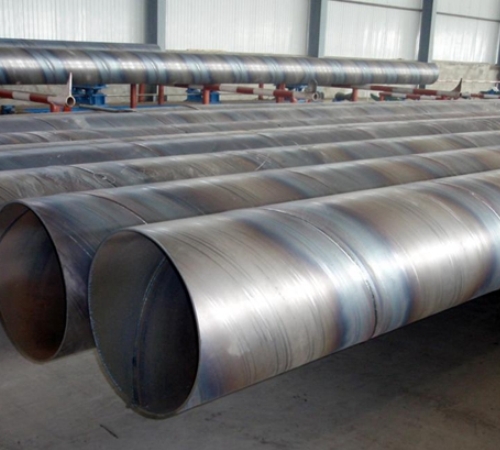
UK maintains AD duties on China, Belarus welded tubes and pipes
The UK’s Department for International Trade has made a preliminary decision to continue imposing antidumping duties on certain welded tubes and pipes of iron or non-alloy steel imported into the UK from China and Belarus, but to revoke duties against imports of similar products from Russia.
A May 14 document from the department’s Trade Remedies Investigations Directorate, or TRID, said that antidumping duties of 90.6% would be maintained on imports of these tubes and pipes from all companies in China, and duties of 38.1% on these products from all companies in Belarus.
Measures have been revoked on imports of these tubes and pipes from Russia’s Severstal and all other Russian companies, TRID said.
The antidumping duties previously charged on the Russian tubes and pipes had varied between 10.1% and 20.5%.
The measure applies to welded tubes and pipes, of iron or non-alloy steel, of circular cross-section and of an external diameter not exceeding 168.3 mm, excluding non-threaded or threadable welded tubes and pipes that are also plated or coated with zinc, line pipe of a kind used for oil or gas pipelines, casing and tubing of a kind used in drilling for oil or gas, precision tubes and tubes and pipes with attached fittings suitable for conducting gases or liquids for use in civil aircraft.
The relevant products have CN codes of: ex 7306 30 41, ex 7306 30 49, and ex 7306 30 77, which are also produced by the UK’s main domestic producer, Tata Steel UK, TRID said.
The size of the UK market is 100,000-150,000 mt/year and 30%-50% of demand is met by domestic producers, according to TRID.
The new preliminary decision measures will apply for a period of five years from Jan. 30, 2021, which was the date the existing measures expired, the document said.
The antidumping duties on imports of welded tubes and pipes of iron or non-alloy steel originating in Belarus, China and Russia were imposed by the European Commission on a definitive basis on Jan. 26, 2015, with the measure transitioned to the UK after it left the EU.
“The UK has chosen to maintain some trade remedy measures once it is outside the EU’s common external tariff. The Department for International Trade identified which measures may be of interest to the UK following a call for evidence.
“We are conducting transition reviews to determine if these measures should be varied or revoked in the UK,” TRID said in the document.
In this case, the review was based on full questionnaires responses from: Tata Steel UK, the main domestic producer; UK Steel, a domestic trade body; Community Trade Union, a domestic trade union; China Chamber of International Commerce, a trade body; BSS, a downstream user; and Severstal, a Russian producer, TRID said.
UK industry ‘fragile’
“We have concluded that the current state of the UK WTP [welded tubes and pipes] industry is fragile and has suffered injury,” TRID said. “This is demonstrated by a decline in sales volumes, sustained negative profits and declining production and capacity utilisation. Injury has occurred in the absence of imports of the goods subject to review. We have assessed that other factors have caused this injury. These other factors include uncertainty over EU Exit, reduced demand due to COVID-19 and imports of like goods from third countries.”
TRID added that while its intended preliminary decision had been to vary the application of the antidumping amount for Belarus and for China, it had not been possible to recalculate the amount due to insufficient data, and so the existing antidumping amounts were maintained, in accordance with article 100A(4)(b) of its regulations.
The document added that TRID no longer expected dumping of Russian pipes to occur.
— Diana Kinch
Liberty Liège-Dudelange steel mills get creditor protection, seek to sustain activities
Liberty Liège-Dudelange, part of the Liberty Steel Group, has been granted temporary protection from creditors of its Belgian Liège plants and will work in coming days with stakeholders to identify new sources of financing to sustain the company’s activities and continuity, a Liberty Steel Group spokesperson said May 14.
Dudelange and Liège together have annual production capacities estimated at 1.6 million mt of galvanized/coated steel, 300,000 mt of cold-rolled coil and 200,000 mt of tinplate, products greatly sought after in recent months due to a tightness in the European markets which has been pushing prices up since Q3 2020.
The daily S&P Global Platts’ assessment for hot rolled coil, the base product for Liège-Dudelange’s products, rose Eur5/mt ($6.07/mt) May 14 to Eur1,095/mt EXW Ruhr, having risen Eur65/mt on week. Its current price is the highest-ever.
Granting of court protection follows Liberty Steel Group’s request on April 27 to the Liège Enterprise Court that it should grant a judicial reorganization procedure (PRJ) for its Liège plants, the group spokesperson said in an emailed statement to Platts.
Sources close to Liberty Steel Group said that this business had been adversely impacted by the coronavirus pandemic, with the situation exacerbated by the March collapse of Greensill Capital, the main financier of parent group GFG Alliance.
“LIBERTY Liège-Dudelange, which incorporates two plants at LIBERTY Liège in Belgium and LIBERTY Dudelange in Luxembourg, has faced a significant reduction in working capital support since the collapse of Greensill Capital which has led to ongoing issues with its main supplier of Hot Rolled Coil (HRC),” the Liberty Steel Group spokesperson’s statement said.
HRC supplies
The company sources alleged it had suffered “significant issues” with its main supplier of hot rolled coil, impacting its ability to operate at full capacity even after COVID-19 restrictions were lifted and causing supply chain disruptions.
However, steelmaker ArcelorMittal, the main supplier of hot rolled coil to Liège-Dudelange, said May 14 that it continues to supply to the works under a pre-established contract arrangement.
A “temporary issue” with one supplier had been resolved via a commercial dispute procedure a Liberty Steel Group spokesman said early March.
Market sources had nonetheless been cited as saying that Liberty Liège-Dudelange had secured pre-material via non-EU imports recently after customers refused to accept Liberty’s suggestion to supply their own coil for rolling at the works.
Former ArcelorMittal works
The operations at Liège-Dudelange were bought from ArcelorMittal in July 2019 in a Eur740 million deal. ArcelorMittal’s sale of various works – several of which were acquired by Liberty Steel Group – was part of an antitrust deal imposed by the European Union competition authorities to allow ArcelorMittal to take over Italy’s Ilva. For that reason ArcelorMittal would not now be able to buy back any of the works sold to Liberty, despite market chatter that this could be on the cards.
Liberty Steel Group said May 5 it will “fix or sell underperforming units” in a restructuring and refinancing drive as it recovers from the Greensill Capital collapse..
In the UK, sources said that some Liberty steel rolling mills are currently working only one day a week. A stockholder said Liberty is currently offering hot rolled coils in the market in UK for August rolling at GBP950/mt ($1,339/mt) on the condition they are paid for upfront.
PRJ to ensure continuity
The objective of the Liège-Dudelange PRJ, which applies only to the company’s plants at Flémalle and Tilleur in Belgium, is to temporarily protect the company from its creditors, while ensuring the best possible ongoing relationships with them, and ensure the continuity of the company, the Liberty Steel Group statement said.
It is understood that the PRJ will not affect the day-to-day management of the Liège business and the local management team will remain at the helm, benefiting from an initial creditor moratorium to the end of July 2021.
“In the next few days, the company’s management team and a Mediator will continue to work collaboratively with stakeholders to identify new sources of financing to sustain the company’s activities,” the spokesperson said. “LIBERTY will also continue to engage with stakeholders to identify new sources of financing of the Dudelange plant. LIBERTY Liège-Dudelange’s first priority remains the welfare of its high quality and highly committed employees and the management team believe that these decisions will offer the best chances for a sustainable outcome for the plants, their employees and their loyal customer base.”
News of the Liège-Dudelange creditor protection follows the late April entry into judicial administration of three French units of Alvance Aluminium, GFG Alliance’s aluminum subsidiary.
— Diana Kinch and Laura Varriale
SFO launches inquiry into Gupta firms, including Greensill finance links
Move to investigate suspected fraud and money laundering prompts collapse of Liberty Steel rescue deal putting 3,000 UK jobs at risk.
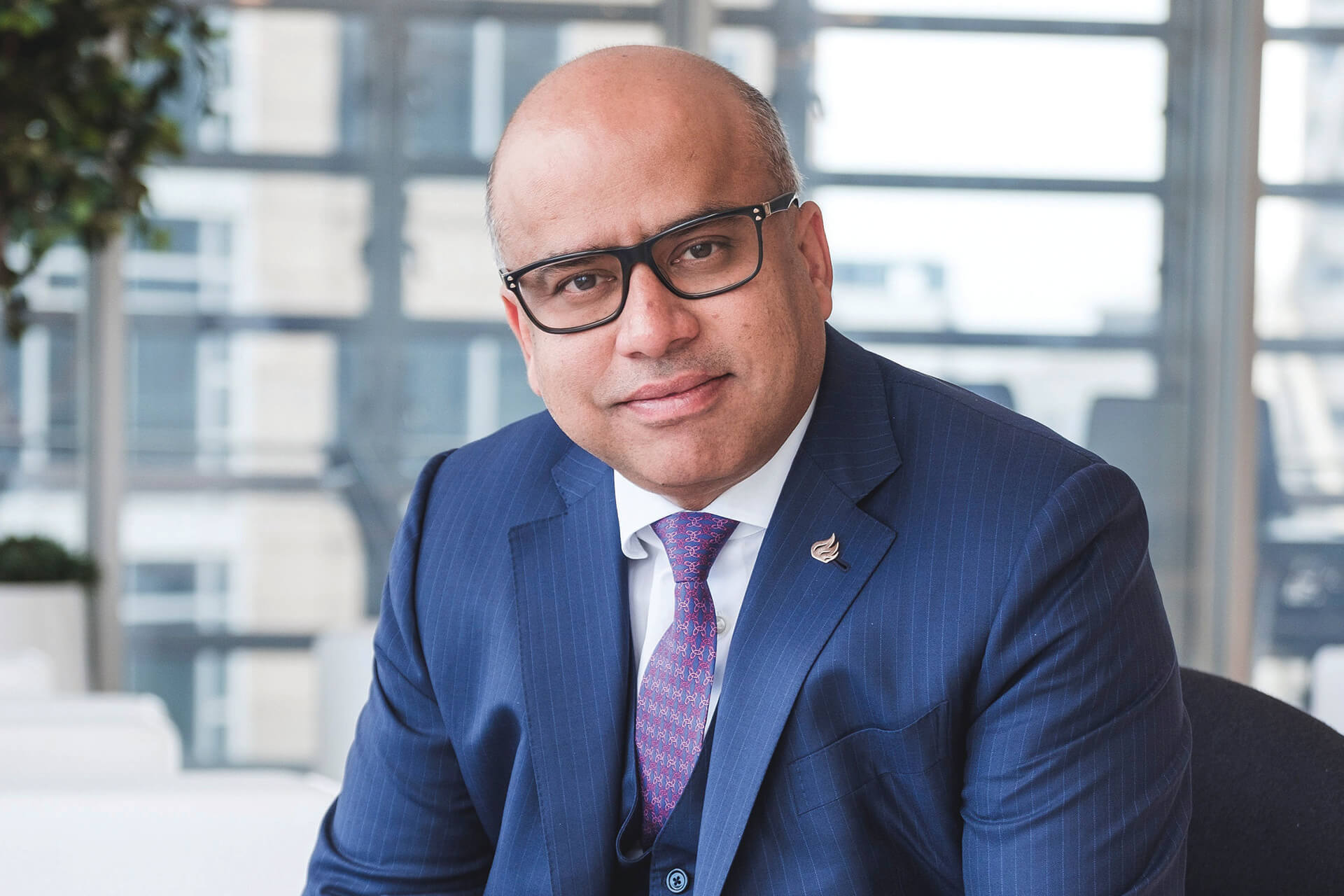
The Serious Fraud Office has launched an investigation into the financing of Sanjeev Gupta’s metals empire, including its links to Greensill Capital, in a move that immediately caused the collapse of a rescue deal for Liberty Steel and raised fears over thousands of British jobs.
The UK’s anti-corruption agency said it suspected fraud, fraudulent trading and money laundering related to the financing of Gupta Family Group Alliance (GFG), the loose grouping of steel and metals trading companies controlled by Gupta.
The investigation prompted renewed fears for the struggling GFG company Liberty Steel, which employs about 3,000 people in the UK.
San Francisco-based investor White Oak Global Advisers on Friday pulled out of a deal to provide finance to GFG. It had last week agreed terms to lend to operations in both the UK and Australia, but both were subject to due diligence checks.
“As with any regulated financial institution, we are not in a position to continue discussions with any company that is under investigation by the Serious Fraud Office for money laundering,” White Oak said in a statement.
Globally there are as many as 35,000 people in related GFG companies, including large mining and steelmaking operations in Australia, the US, France, eastern Europe and India.
Gupta has been scrambling to secure financing for his companies since March, when his key lender, Greensill Capital, collapsed. The supply chain finance provider, set up by the banker Lex Greensill, had lent Gupta’s companies as much as $5bn (£3.6bn).
The SFO on Friday said that its investigation included GFG’s financing arrangements with Greensill’s UK arm.
The SFO inquiry has been running covertly for several months, said a person familiar with the investigation. Covert investigations are often used in cases where destruction of evidence may be a risk.
In a short statement, the SFO said: “The SFO is investigating suspected fraud, fraudulent trading and money laundering in relation to the financing and conduct of the business of companies within the Gupta Family Group Alliance (GFG), including its financing arrangements with Greensill Capital UK Ltd. As this is a live investigation, the SFO can provide no further comment.”
Gupta had previously approached the UK government for a £170m emergency loan. The request was rejected because of fears the money would be moved outside the UK via GFG’s opaque and complex corporate structure. A government source said the SFO inquiry vindicated a possible plan to step in to save Liberty Steel operations only if they fell into insolvency.
Steel mills in Rotherham and Stocksbridge, both in South Yorkshire, have been put under particular pressure by the collapse of GFG’s main lender, as well as the decline in demand from the aerospace industry during the coronavirus pandemic. Gupta’s companies employ a further 2,000 people elsewhere in the UK, including in an energy company and a Scottish aluminium smelter.
A steelworkers’ union, Community, said the SFO inquiry was a “concerning development” but added that “this must not detract from the complete focus of all parties on securing our members’ jobs and protecting these crucial strategic businesses”.
Gupta built the GFG empire rapidly with the help of Greensill’s loans. However, since Greensill collapsed GFG’s financing has come under heavy scrutiny, including in relation to the practice of borrowing against invoices for potential future clients. GFG has previously said that it borrowed from Greensill on the basis of “prospective receivables”.
David Cameron, the former prime minister who was paid by Greensill and lobbied on his behalf, on Thursday told MPs that reports about GFG’s financing were “clearly very disturbing if true”.
In March, Richard Fuller, a Conservative MP, in parliament asked the business secretary, Kwasi Kwarteng, whether the reports about GFG warranted the SFO’s involvement. On Friday Fuller said Gupta should now provide details on his companies’ corporate structure and financing, as well as clarity over his contingency plans for the steel plants.
Responding on Friday to news of the SFO investigation, a GFG spokesperson said: “GFG Alliance notes the UK Serious Fraud Office’s announcement that it has opened an investigation into GFG Alliance. GFG Alliance will cooperate fully with the investigation. As these matters are the subject of an SFO investigation we cannot make any further comment.
“GFG Alliance continues to serve its customers around the world and is making progress in the refinancing of its operations which are benefiting from the operational improvements it has made and the very strong steel, aluminium and iron ore markets.”
The administrators for Greensill’s UK arm, Grant Thornton, declined to comment.
