

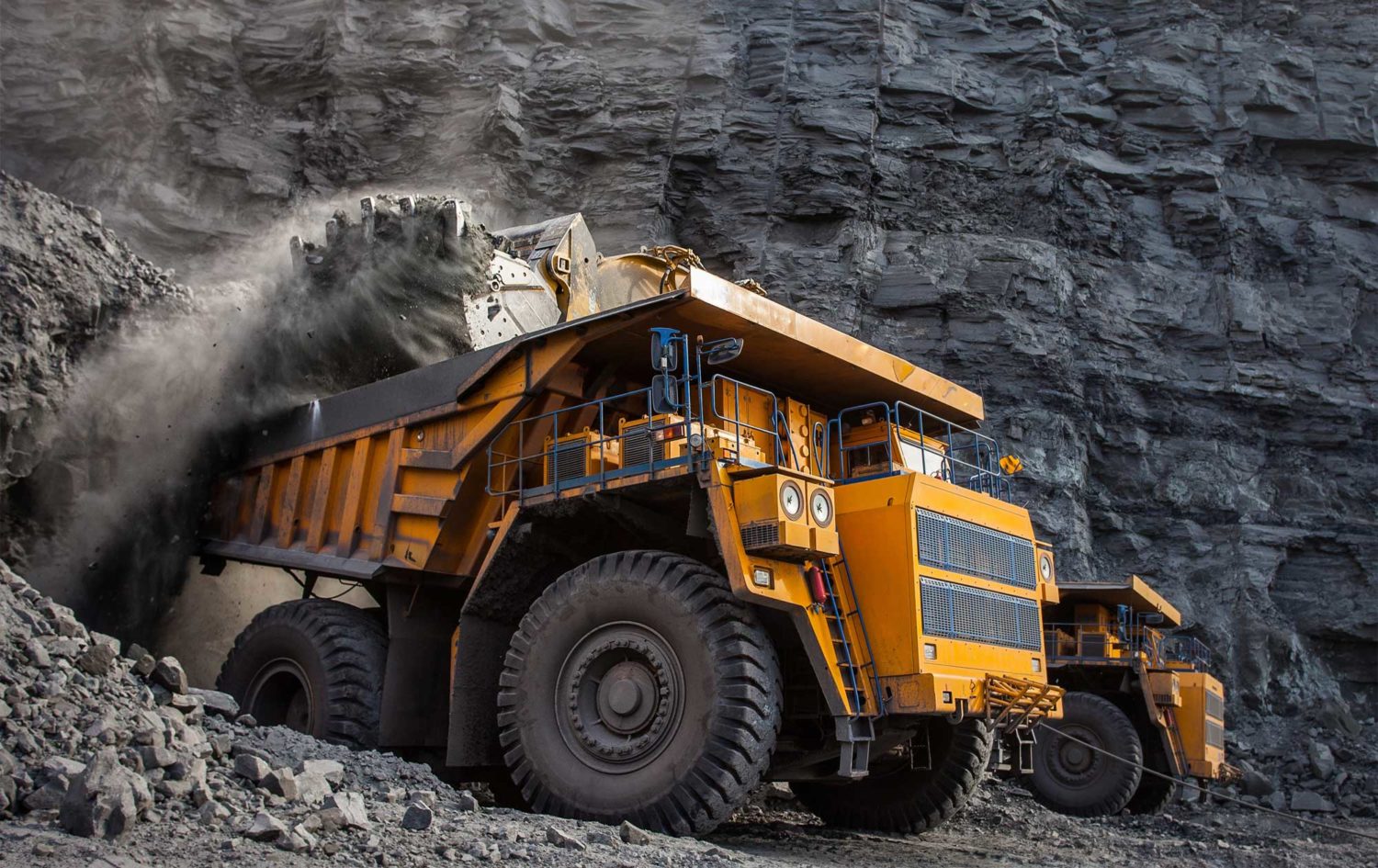
BHP mines first iron ore from 80 mil mt/year South Flank in Western Australia
Mining giant BHP’s Western Australian 80 million mt/year South Flank mine has seen first iron ore production, the company announced May 20.
“South Flank is Australia’s largest new iron ore mine in over 50 years and is on time and on budget. South Flank’s high quality ore will increase [Western Australia Iron Ore’s] average iron ore grade from 61% to 62%, and the overall proportion of lump from 25% to 30%-33%,” BHP’s president for minerals Australia Edgar Basto said.
The mine, together with the existing Mining Area C, will form the largest operating iron ore hub in the world, producing 145 million mt/year, BHP said.
— Nathan Richardson

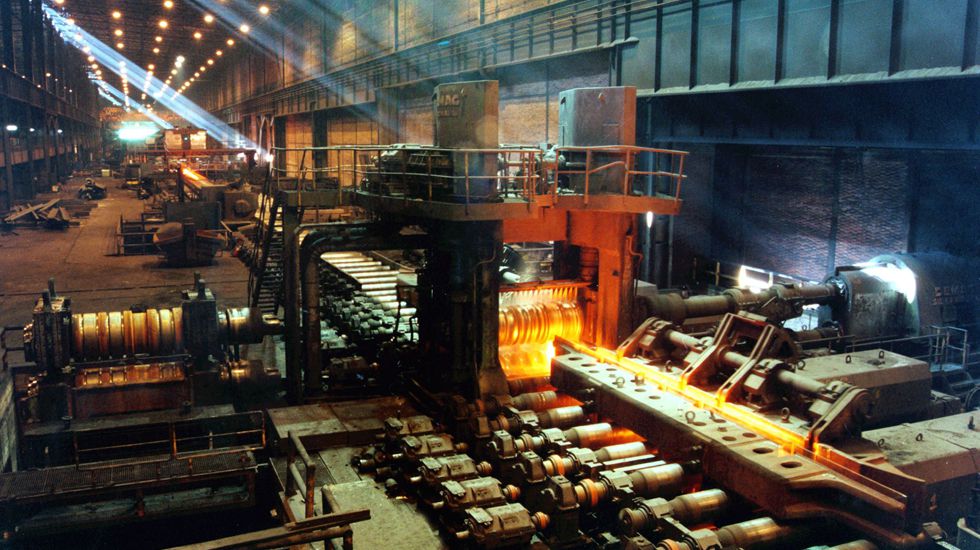
Germany’s crude steel production rises 31.5% on year: WV Stahl
Germany’s crude steel production fell 11% month on month in April to 3.4 million mt, but increased 31.5% year on year due to pandemic-related output cuts in the same period last year, data from German steel federation WV Stahl showed May 20.
April saw several public holidays that could explain the drop on the month, WV Stahl said. In the January-April period, crude steel production increased 9% year on year to 13.5 million mt, the data showed.
In April, crude steel production via the blast furnace route increased 31.9% on the year to 2.3 million mt, while production using the electric arc furnace rose 30.6% year on year to 1.1 million mt.
Pig iron production grew 27.1% year on year to 2.1 million mt, while hot-rolled production increased to 3 million mt, up 35% year on year.
The German market along with the rest of Europe has been suffering from persistent material shortage due to demand outpacing the production rates, long order backlogs at mills and lack of import opportunities. The daily Platts hot-rolled coil EXW Ruhr assessment stood at Eur1,100/mt May 19, continuing on all-time highs for eight consecutive weeks.
S&P Global Platts’ latest German steel sentiment survey among German producers, distributors, traders and end-buyers for May showed the index for production was at 62, indicating an increase from April’s stable index of 50. Producers’ index was at 75 — the most bullish on production levels — whereas traders’ index was at 60 and end-buyers at 50. An index of 50 denotes stability.
Most sources surveyed said there would be no additional domestic capacity in the market until after the summer period — with some saying not until early 2022 — which could create some tension if imports begin to show up in full force. Steelmaker Thyssenkrupp is expected to reline one of its major blast furnaces from summer which will take several months to complete.
— Laura Varriale

South Korea to give final ruling on dumped stainless steel in July
South Korea plans to make a final determination on imposing antidumping duties on flat-rolled stainless steel from China, Indonesia and Taiwan in July, the Ministry of Trade, Industry and Energy said May 20, citing the Korea Trade Commission.
The impending decision comes after South Korea made a preliminary determination on Feb. 18 that the said steel products were dumped into the local market.
Korea Trade Commission conducted a probe after local steelmaker Posco filed a complaint in July 2020, alleging that the products were being dumped.
Upon a final decision, anti-dumping duties of 49.04% will be slapped on the products from China, 29.68% on those from Indonesia and 9.20%, 9.30% and 9.51% on those from Taiwan.
The ministry said the size of the South Korean market for the product was about 2 million mt in 2019, of which local production accounted for 40%. Flat-rolled stainless steel from China, Indonesia and Taiwan was responsible for about 10%-20% each.
The products affected start from codes 7219121010 until 722090900 of the HS (Harmonized Commodity Description and Coding System).
— Clement Choo
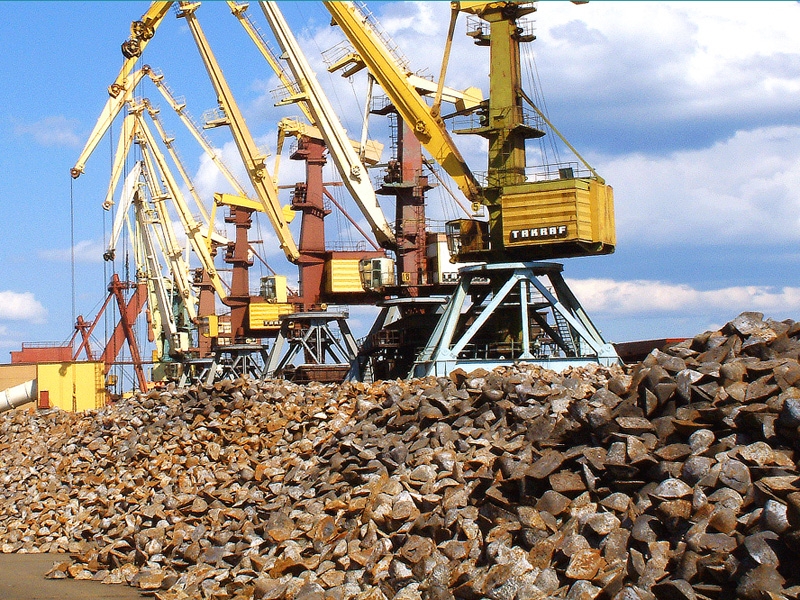
Coking coal to stick around: Anglo ceo
Unlike thermal coal, coking coal will be required for the next 20 years to produce steel that will be used to decarbonise the global economy, according to Anglo American chief executive Mark Cutifani. However, the firm will phase it out over this period.
Asked about Anglo American’s coal investment plans in light of its South African and Colombian thermal coal mine divestments, Cutifani said it is important to distinguish between thermal and metallurgical coal.
The former “was always going to find it hard to compete against oil & gas” in the energy space. But “met coal – we have high quality and the world needs met coal to produce steel, and the world needs steel to decarbonise our economies, so anybody who talks about getting rid of met coal in the next 10-15 years is really, I guess, on a different planet,” he said during Bank of America’s Global Metals, Mining & Steel Conference this week.
“We need met coal to decarbonise the planet and over the next 15-20 years it will progressively be taken out of the supply chain and so our resources will last till about 2035-2040,” he added at the event monitored by Kallanish. “We won’t go building or growing the business beyond that period.”
“We don’t have a new mine on the drawing board … We’re not going to be a significant producer beyond 2035-2040,” he concluded.
Adam Smith Germany


Knauf Interfer installs new blanks cutting line
German steel distribution group Knauf Interfer has commissioned a new cutting line for tailored blanks at its Duisburg site.
Its Knauf Interfer Automotive Blanks unit produces engineered semi-finished products for the automotive industry, as well as other industries, at a volume of around 150,000 tonnes/year. They are mainly used to manufacture structural and crash parts that are used, for example, in the side-impact protection of electric vehicles, A- and B-pillars and other parts for vehicle construction.
The cutting machinery has been expanded to include one of Germany’s largest blanking lines, Kallanish hears from the group. The core unit is a high-performance press with a pressing force of 1,300 tonnes, so that even particularly large tools and components can be handled. It is able to pick up coils of up to 25 tonnes, in widths of 300-1,600mm. An adjacent levelling facility can straighten parts at up to 1,900 MPa.
With its high degree of automation, the blanking line is designed for three-shift operation. Its
nesting is computer-based and optimised on the basis of CAD data. The arrangement of the moulds significantly reduces the amount of scrap, the company notes.
The plant is in close proximity to the group’s service centres and cold rolling lines.
Christian Koehl Germany

H2IT urges Italy to fast-track green hydrogen
Technological updates, a legal framework for hydrogen, significant investment, and pilot projects to overcome the current obstacles will be essential for the successful creation of an Italian green hydrogen value chain, says president of hydrogen association H2IT Alberto Dossi at a televised hearing at the Italian Parliament Camera dei Deputati seen by Kallanish.
“The hydrogen sector is complex and requires a clear, wide-ranging strategic plan that does not suffer setbacks or reversals, but that proceeds gradually with actions in the short, medium and long term, particularly when it comes to the future role of green hydrogen. Failure to do so would cause risky slowdowns or deviations that could exclude Italy from the main European and international initiatives,” Dossi says and talks about the need for attracting investment and matching demand with supply.
“We believe it is a priority to initiate infrastructure projects and launch pilot initiatives of significant scale that act as a driving force for the entire supply chain. Such projects must integrate all aspects of the supply chain – namely production, transport, storage and use, identifying sites that can match production and demand. Targeted ecosystems and clusters, such as hydrogen valleys, large industrial sites or large cross-border projects…will be key to jointly develop supply and demand. This will allow decision makers to obtain direct data that will have an impact on the definition of a legal framework, but above all on cost reduction from the synergies that will be created with other sectors,” Dossi says.
Vice president of the association Luigi Crema also urges the government to accelerate the transition to hydrogen produced from renewable sources by supporting large-scale national projects and building an infrastructural network for logistics and transport of hydrogen, with a particular attention to the issues of distribution and storage. Crema also stresses the importance of developing hydrogen mobility infrastructures such as refuelling stations “which are almost non-existent today” and boost research and development to generate revenues and jobs.
“The barriers that hinder the growth of the supply chain must not demotivate but stimulate the country to adopt a strategic approach in order not to lose miss the train of energy and technological evolution,” Crema concludes.
Natalia Capra France

UK government raises steel requirement forecast
Newly-published UK government statistics show an estimated 7.6 million tonnes of steel will be needed for public infrastructure plans over the next decade, up from last year’s estimate of 5mt.
In 2019-2020 at least £108 million ($153m) of the reported £148m of steel purchased by the UK government was sourced from UK producers.
The reconstituted UK Steel Council held their second meeting this week after the government published the latest public steel procurement data. The next meeting will be in July.
Among the projects needing steel will be HS2, with an estimated 1.3 million tonnes of requirement, while Network Rail will need 1mt for track renewals. The UK government wants to promote the participation of local steel suppliers in forthcoming major public contracts.
Earlier this week the UK government issued its proposal on the future of steel safeguard measures, which are scheduled to expire at the end of June (see Kallanish passim). The measures are set to be extended for some products.
Adam Smith Germany

UK Steel voices safeguard proposal concerns
UK Steel, the association representing UK steelmakers and a number of processors, has voiced its concerns over the government’s proposal published this week for steel safeguard measures.
The Trade Remedies Investigations Directorate (TRID) proposed that safeguard measures currently in place are maintained, but only for ten out of the 19 steel product categories subject to measures (see Kallanish passim).
“This formal proposal is a hammer blow to the UK steel sector and to the many thousands it employs,” UK Steel says. “The recommendation by TRID to the Secretary of State to remove huge elements of the protection steel manufacturers require against import surges is madness and one that needs to be urgently rethought. The UK will become a magnet for huge volumes of steel imports; it is beyond worrying to consider the damage this could do to the UK steel sector and its long-term viability.”
The association notes, in particular, that eliminating safeguard measures for some products produced locally would represent a risk for local employment. “It surely cannot seem right to anyone to remove protection on steel sections, made in Teesside, tubes, made in Hartlepool, wire rod, made in Cardiff, Scunthorpe and Rotherham, or plate, made in Motherwell,” UK Steel comments.
The association is now calling for the government to review the proposal and ensure safeguard measures are kept in place; a final decision is expected soon.
The European Commission is also reviewing the EU’s safeguard measures to decide whether to extend them beyond June, with a proposal expected soon.
Emanuele Norsa Italy
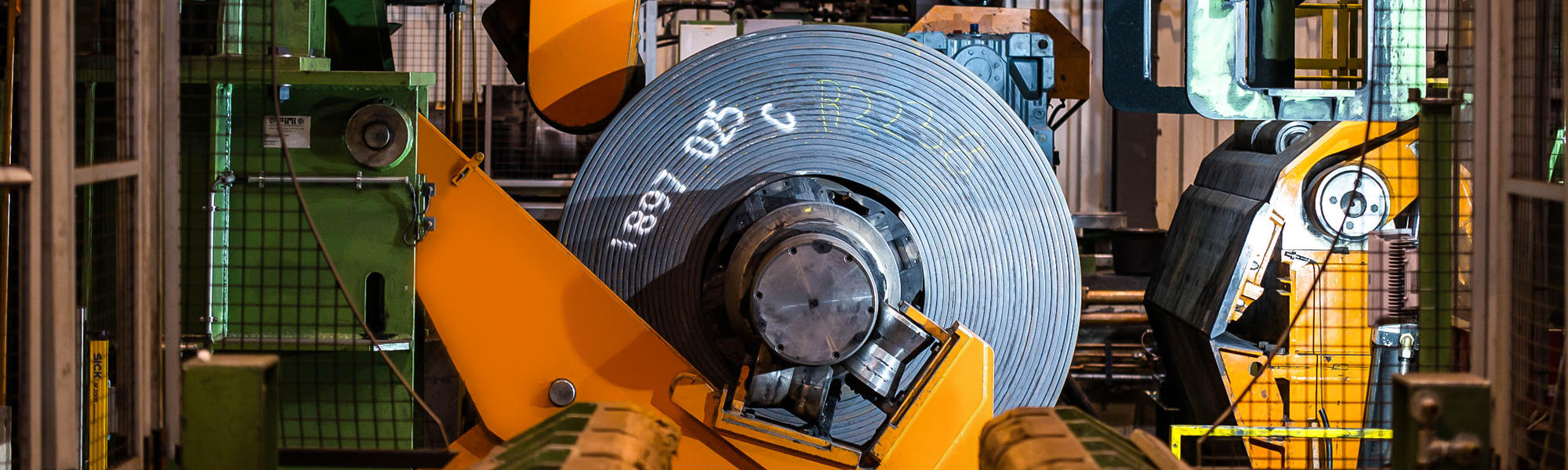
Soaring prices squeeze supply chain: Czech association
The rapid growth in steel prices in 2021 has squeezed re-rollers, including Vitkovice Steel in Czech Republic, says the Czech and Slovak steel association Steel Union.
Iron ore prices have surpassed $200/tonne cfr China on robust Chinese demand, while increasing scrap demand in Asia, the Americas and Europe, as infrastructure investments kick off, has supported scrap values, the association observes.
At the turn of the year, large steel buyers depleted stocks in anticipation of falling prices, so that in Germany, for example, flat steel stocks reached their lowest level in 33 years. Now, everyone has to replenish stocks quickly at higher-than-expected prices, which further contributes to price growth, Steel Union chairman Daniel Urban says.
Prices are also being pushed by the fact that part of EU capacity shut down in response to the Covid-19 pandemic will no longer be operational, while the remainder will start up slower than expected. Delivery times are therefore slower than usual due to the unexpectedly rapid recovery in demand.
“The situation of companies without primary steel production, such as Vitkovice Steel, is not easy today, because the spread between the price of slab, i.e. the semi-finished product input for sheet production at Vitkovice, and the price of the final product is at its lowest level in ten years,” Vitkovice Steel chairman and Steel Union board member Dmitrij Ščuka says in a note seen by Kallanish.
Urban observes: “More expensive inputs mean a big problem for steelmakers in the form of an increase in the need for working capital. For all market participants, high prices mean extraordinary demands on financing, bank guarantees and credit lines. The steel industry is a cyclical industry and the period of low prices from mid-2018 to autumn 2020 is quite logically alternating with a boom and higher prices, which we estimate will last at least until the end of the third quarter.”
Steel Union member companies are doing everything in their power to produce and supply steel to customers with an emphasis on long-term business relationships, the association says. Most Czech operations are already operating at maximum capacity.
Adam Smith Germany

Major scrap correction unlikely, says BDSV
The ongoing trend of increasing scrap prices in Europe will probably continue in the short term, but in the longer term the market will stabilise, says Daniela Entzian from German steel recyclers federation BDSV.
“The high import prices in Turkey and the high demand for scrap overall is good for the scrap market and prices will continue to increase in the short term,” Entzian said during a EUROMETAL webinar on Thursday attended by Kallanish. “However, in the longer term we don’t see major corrections.”
The situation depends on the decision of the European Commission on a possible future export ban for scrap. “Another problem continues to be the semiconductor supply shortage, which is still hurting the automotive industry and therefore scrap supply, especially for new scrap sort 2/8,” she observed.
German scrap prices have increased significantly due to strong demand from Turkey and Italy in May (see Kallanish passim). The nationwide average price has increased so far by €20-30/t, with, for example, old thick scrap sort 3 up from €320/t ($388) to €350/t in May’s negotiations. The price for new scrap sort 2/8 meanwhile has reached €370/t in southern Germany.
In Italy scrap prices for the mixed quality of E8 and E40 are now at €430-450/t delivered. While Italian prices skyrocketed this month, French and German increases have so far been more limited.
Svetoslav Abrossimov Bulgaria