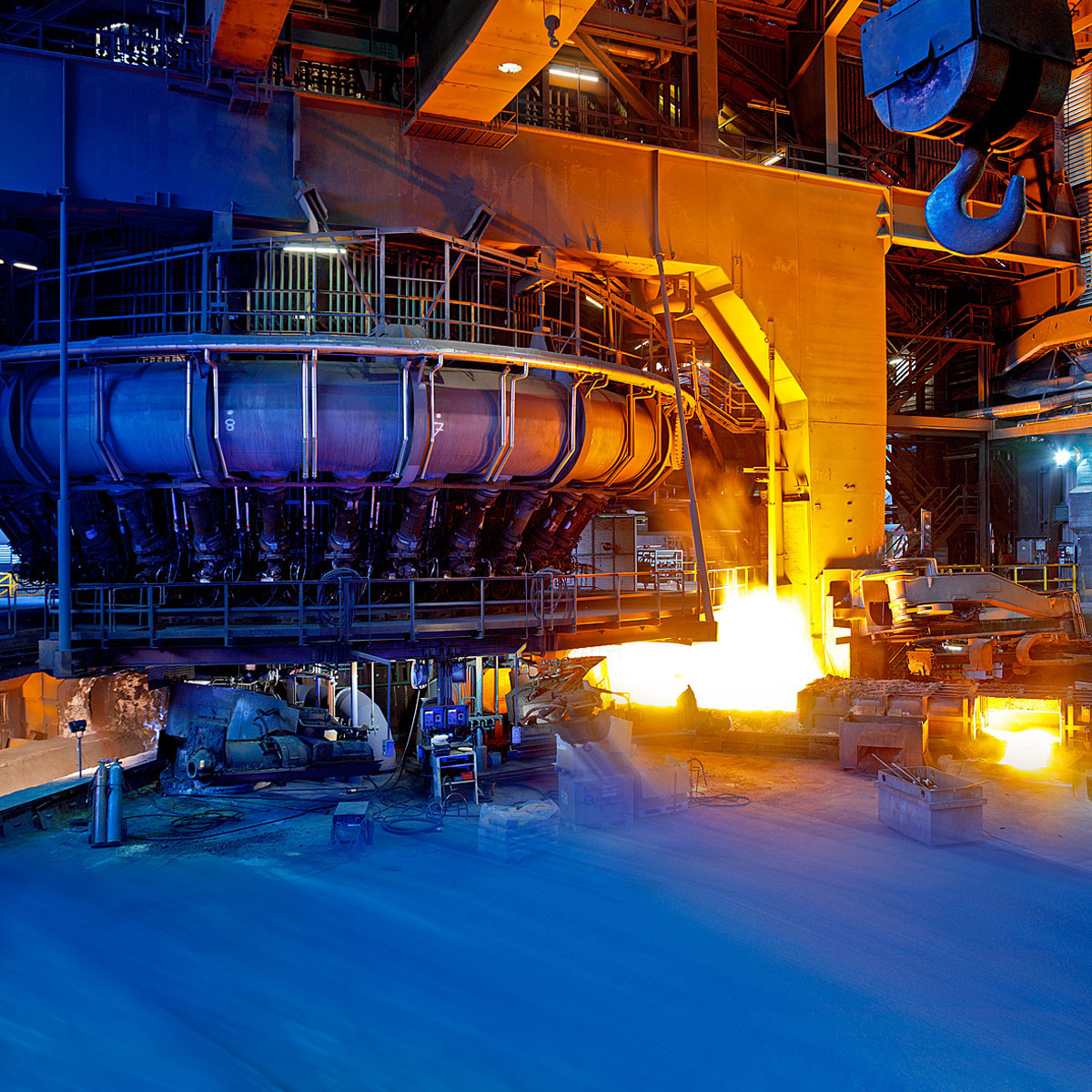
ArcelorMittal Brazil to resume operations at Barra Mansa
ArcelorMittal Brazil will resume operations at its Barra Mansa steelworks in the second half of 2021, betting on strong long steel demand, the company said May 26.
The Rio de Janeiro-based plant was halted in early 2019 and will receive investments of approximately Real 19 million ($3.58 million). The resumption will take place gradually, initially with one of the two electric-arc furnaces there.
According to the company, the return of the unit was prompted by the increase in steel demand in the local market, driven by civil construction and industry in general. The plant has a total 800,000 mt of annual crude steel production capacity and produces mainly rebar and wire rod.
“This is another step that strengthens the company’s operations in the country and demonstrates the company’s confidence in the resumption of the economy,” said Jefferson De Paula, CEO of ArcelorMittal long steel LATAM and mining Brazil.
— Adriana Carvalho

Green steel needs industry standards: TK Steel Europe CEO
Green steel needs an industry-wide definition to identify what can be considered as low-carbon steel, chairman of the executive board of Thyssenkrupp Steel Europe, Bernhard Osburg, said May 26.
At a streamed event organized by Thyssenkrupp where the company unveiled a five-point plan to achieve a transformation of steel to carbon neutrality and discussed with local politicians, Osburg said that a “label” for green steel is missing and that the industry needs it before the green steel market is fully established.
“No one is able to say what green steel is. Customers need to know what they actually buy,” Osburg said.
Thyssenkrupp plans to produce 3 million mt of green steel by 2030 to curb CO2 emissions by 30%. To achieve this, the company has to invest Eur2 billion during uncertain times and a “not yet existent market for green steel.”
“From a mere business strategy point of view, we should not start the transformation under the current circumstances,” said Osburg in a press release sent ahead of the event.
“With every tonne of hydrogen that is used in steel production, we avoid 26 tonnes of CO2. But our investment cycles are long. 2030 basically means for us tomorrow, that’s why we need to start now,” he said.
Five-point call
Thyssenkrupp made a five-point call for a successful transformation to green steel. These include fair competition laws that prevent non-EU countries to “swamp” the European market with low social and environmental standards; the continuity of free CO2 certificates in the European Trading Scheme; more funding for industries that will have to undergo the transformation; a similar incentive scheme as with electric vehicles to create competitive prices of green steel; and support for buyers of green steel with quotas and standards.
Heiko Reese, trade union representative at IG Metall, said that the funding from the government would also provide job security.
Osburg said these points need to be addressed during the current government term to ensure they can be achieved. Germany will have federal elections in September.
The German government accelerated its commitment to become climate neutral by five years earlier in May and aims to achieve the goal by 2045, which puts industries such as steel in a difficult position, Thyssenkrupp said.
Thyssenkrupp is planning to replace some coal-based fuel with hydrogen and plans to integrate the direct reduction process into the existing metallurgical network in Duisburg. Among other projects, the company also plans to raise scrap usage in existing blast furnace production.
— Laura Varriale

Curbs on EU scrap exports could distort market: German association
The European Commission is currently revising its directive on exports of waste, including scrap metal, and if ferrous scrap exports to third countries are restricted this could distort the market, according to a representative of the Federal Association of German Steel Recycling and Waste Management Companies, or BDSV.
Speaking on a webinar organized this week by European steel distributors and stockholders’ association EUROMETAL, Daniela Entzian, BDSV manager, said that if more ferrous scrap were to be kept in the EU for local use, it is feared this could lead to lower prices within the region, which would reduce the incentive to collect scrap arisings.
Restricting exports from the EU would also impact international markets, as the EU is currently the world’s biggest ferrous scrap exporter, having exported 22.6 million mt of scrap in 2020 to destinations including Turkey, according to statistics from International Recycling Bureau, or BIR, presented by Entzian.
“We’re very concerned about the EC revision,” Entzian told the webinar. “We expect trade bans. With an export tax or ban on scrap exports we wouldn’t have a level playing field with primary raw materials any more….If European traders couldn’t export to Turkey or (other) third countries this would have a negative impact on price levels in Europe. It would be difficult for our member companies to work effectively as sorting and preparation of the raw materials is quite cost-intensive: there would be severe consequences if there were regulation and no free price building.”
Turkey is the world’s biggest importer of ferrous scrap, using it for its growing electric arc furnace-based steelmaking industry. In 2020, it imported 22.4 million mt of scrap, according to BIR’s data.
“Turkey has excellent export conditions for steel at the moment so they will continue to have high demand which is good for scrap prices,” Entzian said. “With low arisings of new scrap due to difficulties in the automotive industry, [scrap] prices may remain stable or rise further in the short term…. But EC trade restrictions would impact prices negatively,” she said.
The EC revision of waste export is based on environmental and not trade considerations, according to Entzian.
The EC did not immediately respond to emailed questions on when the results of the revision may be made public or what their content may be.
Annual use of some 630 million mt of ferrous scrap, a recycled material, in production of 1.9 billion mt of crude steel in 2019 saved emission of around 950 million mt of CO2 that would have been emitted had all steel been produced using virgin materials including coal and iron ore, according to World Steel Association data.
2020 EU market tightness
Scrap scarcity continued to be seen in Europe during second half of 2020 due to earlier COVID-19-related restrictions on collection of arisings and distribution.
Alessandro Sciamarelli, director of market analysis and economic studies at European Steel Association, or Eurofer, told S&P Global Platts in a May 25 interview that given the strong demand and trend toward wider use of scrap in electric arc furnaces in the move toward industry decarbonization by 2050, scrap supply and pricing volatility is not beneficial for the EU steel sector.
“We’ve seen some scrap export restrictions from some neighbouring countries, relevant trade partners, which in Europe we oppose strongly and there are hopes these could all be removed as soon as possible…. We hope the EU waste shipment directive revision will fully acknowledge scrap as a fully recyclable material to be used in steelmaking,” he said.
Consumption of steel scrap in the EU-28 region in 2020 fell to 77.54 million mt, down 10.3% on 2019, according to BIR, virtually in line with an 11.8% fall in crude steel production to 138.79 million mt.
Platts assessed Turkish imports of premium heavy melting scrap 1/2 (80:20) at $515.75/mt CFR May 25, the highest level since the Platts index began in April 2010, before slipping slightly to $512/mt May 26.
China scrap usage to jump
Steel scrap usage is set to grow rapidly in China, amid steel decarbonization moves. BIR figures showed that 220.3 million mt of ferrous scrap was consumed in China in 2020, up from 215.93 million mt the previous year.
Horizon Insights, a Shanghai-based independent research firm, estimated earlier in the week that China’s ferrous scrap consumption may increase by as much as 43 million mt this year, after China eliminated import curbs and taxes on ferrous scrap to help meet growing domestic demand.
World Steel Association’s head, environment and climate change, Asa Ekdahl, said in a lecture on steel industry decarbonization in the week ended May 22 that the industry needs to maximize scrap usage to reduce CO2 emissions.
Scrap market availability is expected to increase substantially in coming years to assist in the decarbonization process: from an estimated 390 million mt in 2018 to some 600 million mt in 2030 and to 900 million mt/year in 2050, she said.
However, scrap quality will also need to be improved in future to allow permit production of more steel product types using scrap, Ekdahl indicated.
— Diana Kinch

European hot-rolled coils market calms as price range widens
The European hot-rolled coil market relaxed May 26 from the previous day’s increases, with most considering whether the downturn of Chinese prices will affect Europe, sources said.
The daily Platts HRC EXW Ruhr assessment remained stable at Eur1,132.50/mt, whereas the EXW Italy assessment dropped a slight Eur2.50/mt to Eur1,137.50/mt May 26 on lower indications from the market following a Eur40/mt hike the day prior.
Workable levels varied widely in the market, particularly for Italy where an Italian supplier said there would still be possibilities as low as Eur1,080/mt EXW as the bottom, even though official offers were above Eur1,100/mt. Other sources, including buy side and sell side, said that prices would overall range between Eur1,100 and Eur1,150/mt EXW, with most putting the midpoint at or above Eur1,125-1,130/mt.
In general terms for the European market, sources said that the shorter the delivery time, the higher the price. Few Italian or Northwest European mills were heard to offer earlier than November delivery.
“The shortage is still [a] key element in this,” a Benelux SSC source said, adding that the problem would be securing material.
“We are negotiating end of year, in a few months 2021 will be over from our purchasing point of view,” the source said, suggesting that other SSCs would have a similar strategy which could mean that prices could stabilize for a period until buyers are fully ready to start requesting first-quarter volumes.
“In September, when we start negotiations for Q1, we might see the same pricing enthusiasm [as seen in the past months],” the source added.
One European mill source said that China had a “mini-bubble” driven by speculation, which had burst now, which will however not necessarily mean that Europe should be affected as fundamentals in China as well as Europe have not changed.
— Laura Varriale
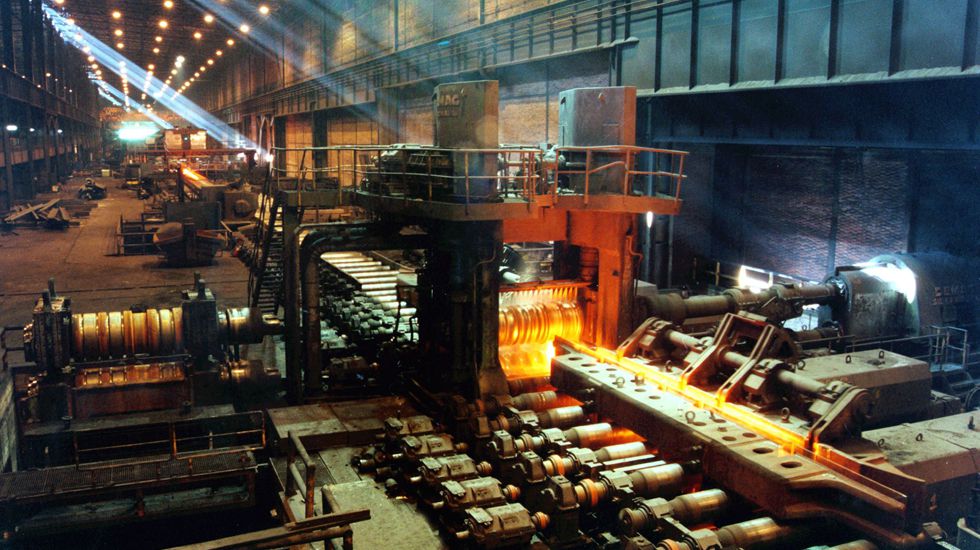
Eurofer: Steel likely to stabilize after short-term rebound
Historically high steel prices showed the market was undergoing a “very strong, impressive short-term rebound” after a demand plunge in 2020 due to COVID-19, but it was too early to call this a supercycle, Alessandro Sciamarelli, director of market analysis and economic studies at the European Steel Association (Eurofer), told S&P Global Platts commodity journalists in a May 25 interview.
Industrial activity and steel production have rebounded more strongly than previously expected since Q3 2020, paving the way for a strong demand recovery in 2021, Sciamarelli said.
The upwards movement in steel and raw materials prices, part of a bigger global trend driven primarily by the US and China, was likely to stabilize once the imbalance between supply and demand slowly fades away, because such high prices are unsustainable in the longer term, he said.
Eurofer, a producers’ group, “does not agree that trade barriers are contributing to increased prices and to drive prices up,” Sciamarelli said.
Platts assessed steel hot rolled coil EXW Italy assessment up Eur40/mt ($49/mt) to Eur1,140/mt May 25, its highest-ever level, amid what was described as a “drastic material shortage” and high spot market activity. The daily HRC EXW Ruhr assessment increased Eur27.50/mt to Eur1,132.50/mt.
European steel activity ‘still rather low’
To put the rebound into context, steel market activity in Europe was “still at rather low levels” in historical terms, as the recovery has been from a low level, Sciamarelli said. The sector had already been experiencing some weakness even before the pandemic, demand having fallen 5% in 2019, he said.
Europe was hit more than some other steel-producing regions by COVID-19 and most mills still needed time to ramp up productions from stoppages during the pandemic, according to the Eurofer director.
“Even so, we are rather optimistic on the outlook for steel in Europe,” he said.
In the rest of 2021, steel consumption should continue to grow, according to Sciamarelli, who expressed particular optimism for the construction sector which accounts for around 35% of steel consumption and is set to receive “a lot of impetus from governments and the public sector”, and is well-placed to drive demand this year.
Automotive demand, which accounts for 16% of steel consumption in Europe, is rebounding from its 2020 slump but may remain relatively weak this year, amid uncertain economic prospects, he said.
According to Eurofer’s recent quarterly Outlook report, an expected 11.7% increase in apparent consumption in the EU this year won’t entirely offset declines of 5.3% in 2019 and 11% in 2020. More moderate growth of 4.9% is foreseen for 2022, potentially bringing demand back to pre-pandemic levels only at that time.
Scrap volatility
Ferrous scrap scarcity continued to be seen in Europe during the second half of 2020 due to the pandemic limiting arisings and distribution. Given strong demand and the trend towards wider use of scrap for electric arc furnace-based steel production in the move towards industry decarbonization by 2050, scrap supply and pricing volatility was not ideal for the EU steel sector, Sciamarelli said.
“We have seen some scrap export restrictions from some neighboring countries, relevant trade partners, which in Europe we oppose strongly and there are hopes these could all be removed as soon as possible. We hope the EU waste shipment directive revision will fully acknowledge scrap as a fully recyclable material to be used in steelmaking,” he said.
Platts assessed Turkish imports of premium heavy melting scrap 1/2 (80:20) unchanged at $515.75/mt CFR on May 25, remaining at the highest level since the Platts index began in April 2010.
The proposed Carbon Border Adjustment Mechanism — for which the European Commission is expected to make a proposal in June — will be a milestone towards the definition of green steel and towards decarbonization of the steel sector, Sciamarelli said.
This could be key in helping steel consumers understand which products are “green” and promote use of these products, he said, adding that higher carbon prices could be an incentive to decarbonize the industry and encourage the use of alternative fuels including hydrogen.
M&A
Liberty Steel’s announcement this week it was putting some UK plants up for sale has fueled speculation that European steel could be set for a new wave of merger and acquisition activity. Liberty Steel also has plants in the EU.
According to Sciamarelli, the steel sector was quite stable in terms of market players.
However, “the economic theory is that whenever there is a crisis in an industrial sector … acquisitions become cheaper,” he said, adding he “would not be surprised if a Chinese or Indian player might be interested in some assets that might become available” and invest in the EU steel sector.
Non-EU companies are prohibited from owning more than 50% of companies in the EU, Sciamarelli noted.
— Annalisa Villa and Diana Kinch
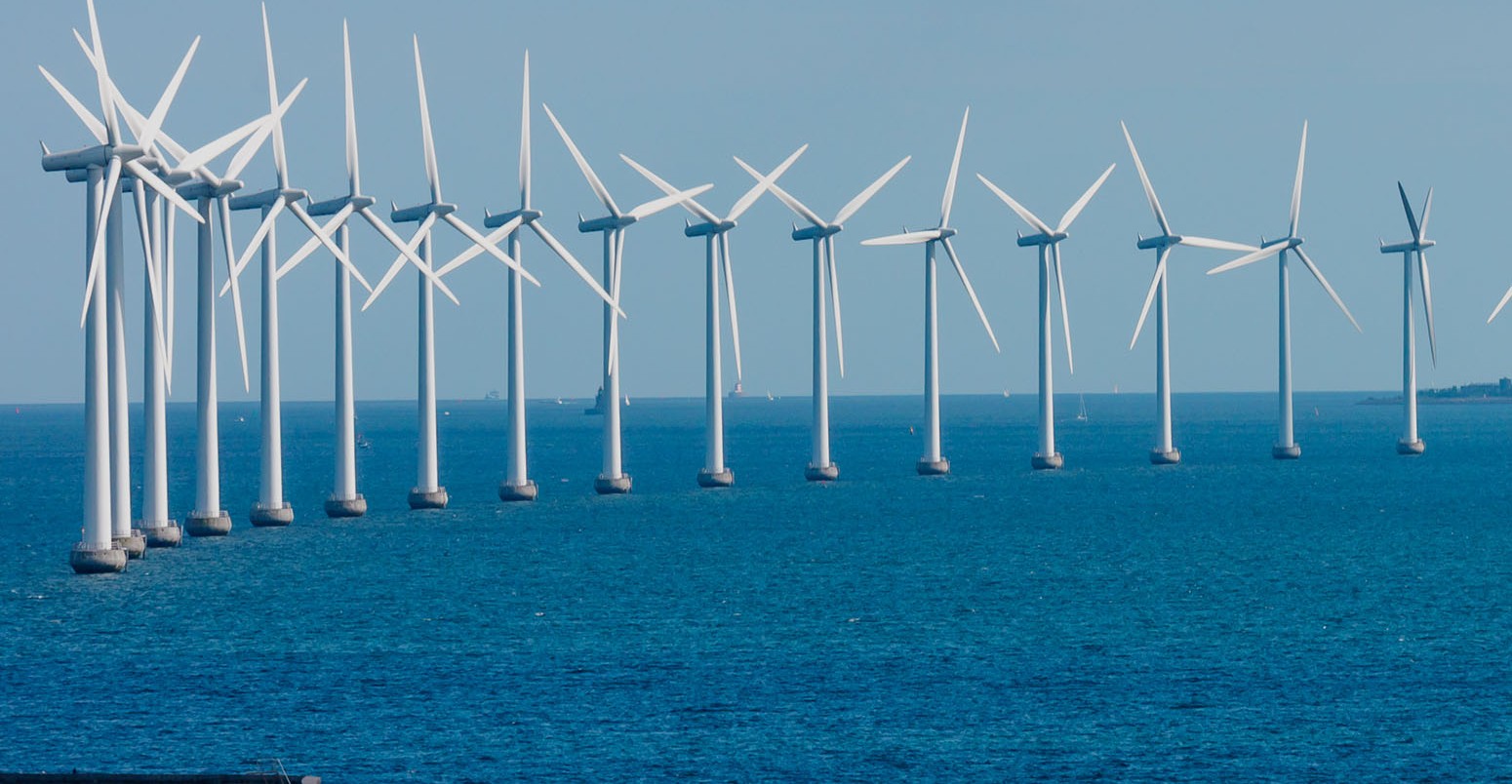
Polish steel mills pin hopes on wind energy
Poland must accelerate investments into onshore wind energy capacity, as it is the only viable power source for the domestic steel industry until green hydrogen becomes available beyond 2030, according to Polish steel mill representatives.
The fuel of the future is likely to be hydrogen, but it will be at least ten years before green hydrogen technology becomes viable, with grey and blue hydrogen bridging the gap until then, Polish Steel Association (HIPH) president Stefan Dzienniak said during a webinar organised by the Polish Wind Energy Association (PSEW). To survive those ten years, “we are in need of cheap electrical energy. This energy can be supplied today by the cheapest of all sources, wind farms,” he observed.
Wholesale electrical energy prices have soared in line with increasing EU Emissions Trading System (ETS) allowance costs in the last two years, which have gone from €5-7/tonne to €55/t, and “this probably isn’t the end [of the rise]”, Dzienniak commented at the event attended by Kallanish.
“There is maybe no other path than to search for cheap energy from renewable sources,” he continued. “Without this energy, the steel industry will in this decade come to an end in the EU, not just in Poland – maybe earlier in Poland than in other countries.”
The fears of carbon leakage are being realised, with the EU losing 50 million tonnes/year of steelmaking capacity in the last decade. Poland lost 2m t/y only last year, which was exacerbated by the Covid-19 pandemic but caused mainly by high energy costs. “If we want to rescue what is left in Poland’s steel industry, we should as soon as possible switch to renewable energy,” Dzienniak observed.
Another factor is changing customer attitudes. “A lot of customers will in the coming years probably ask us, ‘what energy do you use to produce steel?’ and probably many customers, not all but many, will be ready to pay a few euros more if you produce it from renewable energy sources,” Dzienniak said.
Meanwhile, CMC Poland President Jerzy Kozicz said energy is an existential question for Poland’s steel industry and there is no reason why onshore wind energy cannot be produced in Poland to the same extent as in Germany. Polish investments into renewables must be accelerated, he stressed. Wind power is more viable than solar as the latter requires huge areas of land.
CMC Poland’s electric arc furnace alone consumes the same amount of energy as the city of Krakow, and the rolling mill as the city of Katowice, Kozicz explained.
Direct reduced iron production is a new concept in Europe and it will take time to establish DRI plants in Poland. These would be initially fed with natural gas or coke oven gas during the transition phase to green hydrogen. “We don’t anticipate that hydrogen will be accessible for Poland’s steel industry before 2030,” Dzienniak concluded.
Adam Smith Germany

Liberty Magona unions push for sale
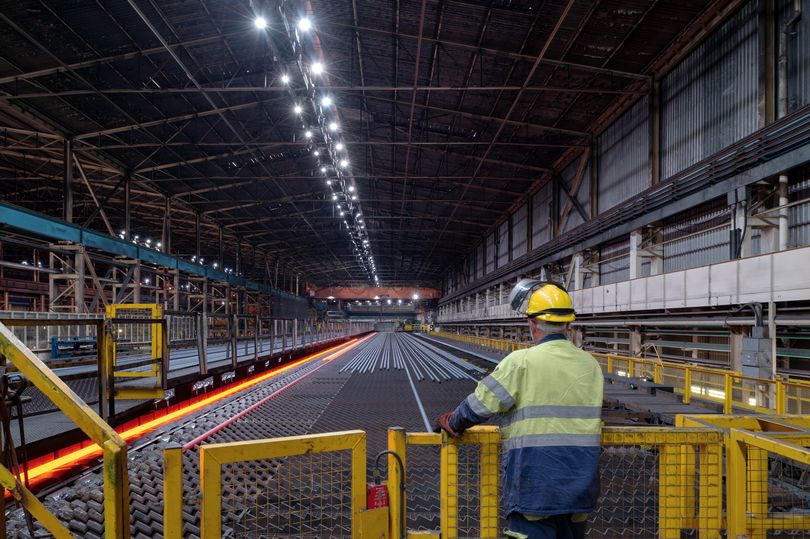
Trade unions at Liberty Steel’s Italian coil re-rolling facility, La Magona, are asking for an urgent intervention from the economic development ministry after ArcelorMittal cut the company’s hot rolled coil supply.
“The supply cut will paralyse the plant and, at this point, the only way out is its sale,” a source close to the company tells Kallanish. ArcelorMittal is said to have cut Magona’s supply after Liberty’s Liege plant failed to pay the supplier for HRC.
In April La Magona had a significant profit of over €3.7 million ($4.5m). The situation is similar in May, with order books full. “The priority today is to save the plant from shutting down,” the source says. Unions are asking the government to implement the plan for a “steel district” in Piombino, which would relaunch La Magona and the troubled Piombino JSW steelworks, to create a liquid steel to coil production chain.
They are urging the government to accelerate La Magona’s sale to a financially strong buyer able to provide raw material and prevent the loss of customers to competitors.
While Liberty Steel is trying to sell its steel plants in France and the UK, La Magona is starting to slow production with a view to idling from mid-June (see Kallanish passim).
Natalia Capra France
Aperam increases June alloy surcharges
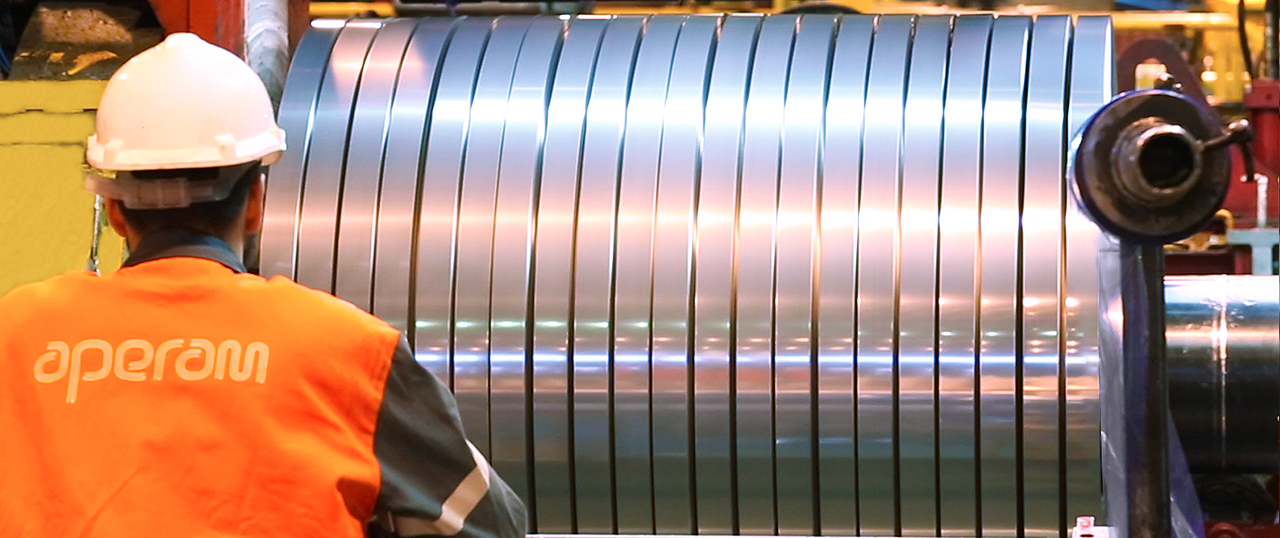
French stainless producer Aperam has increased June alloy surcharges for its austenitic range of flat stainless steels for Europe by €100/tonne ($122) on average versus the previous month, Kallanish learns from the company.
The surcharge for grade 304 (1.4301) has gone up from €1,777/t in May to €1,865/t effective from 1 June. For grade 316 it has increased from €2,520/t this month to €2,675/t next month. Grade 309S, a heat-resistant stainless steel used in high-temperature applications, has hiked from €2,388/t to €2,509/t next month. The surcharge for the most popular ferritic grade, 409, has risen slightly, from €698/t to €725/t in June, the company reveals.
Offers for nickel cash buyers were at $16,526/t on 23 March and reached $17,125/t on 25 May, Kallanish notes.
Natalia Capra France
EU steel sections prices continue to rise amid limited supply
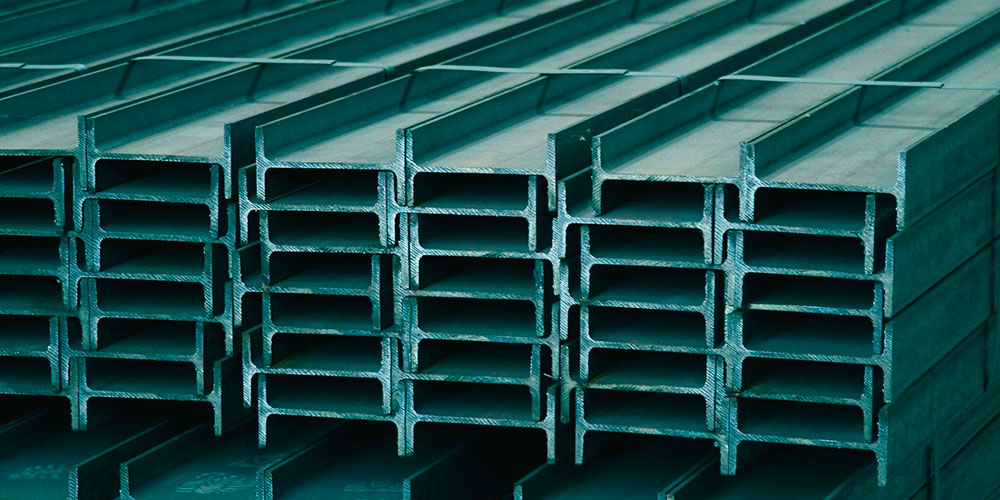
Amid limited supply, European domestic steel sections prices continued to rise significantly in the week up to May 26, market sources told S&P Global Platts.
S&P Global Platts’ European medium sections price (category 1, S235 JR) was assessed at Eur900/mt delivered May 26, up Eur20/mt week on week.
One distributor based in the Benelux region told Platts that customers were no longer buying based on prices but availability. The source noted that current lead times were longer and stock levels were low.
He told Platts that some mills have stopped offering sections as they are truly overbooked. Mills may already have sold part of July, and there was no idea what scrap prices might be like in the near term. In addition, there was no indication regarding China’s direction concerning steel products.
The source put a tradable value for cat 1 medium sections around Eur870-Eur900/mt delivered Benelux.
One European mill source put a mill offer at Eur900/mt delivered, along with tradable levels as mills have been collecting orders at the same prices. The source confirmed that two German mills were not currently making offers. Limited supply is raising prices, and he expected levels to continue increasing in the near term.
Scrap prices dipped in the international market, after reaching a record high of $515.75/mt CFR on May 24 and staying at that level May 25. Platts assessed Turkish imports of premium heavy melting scrap 1/2 (80:20) May 26 at $512/mt CFR, down $3.75/mt day on day.
In Northern Europe, Platts May assessment for Northern European domestic shredded scrap was at a record high of Eur392.50/mt delivered, up month on month from Eur360/mt delivered in April.
Another distributor source told Platts that prices were still going up, as some mills were out of the market. He noted that it was hard to determine what level will currently be workable for cat 1 medium sections amid the supply shortage. The source indicated that even Eur950-Eur960/mt delivered could work, but he was not sure if such high levels were tradable for customers.
— Rabia Arif, Staff
Tata Steel: Auf dem Weg zu grünem Stahl in Europa
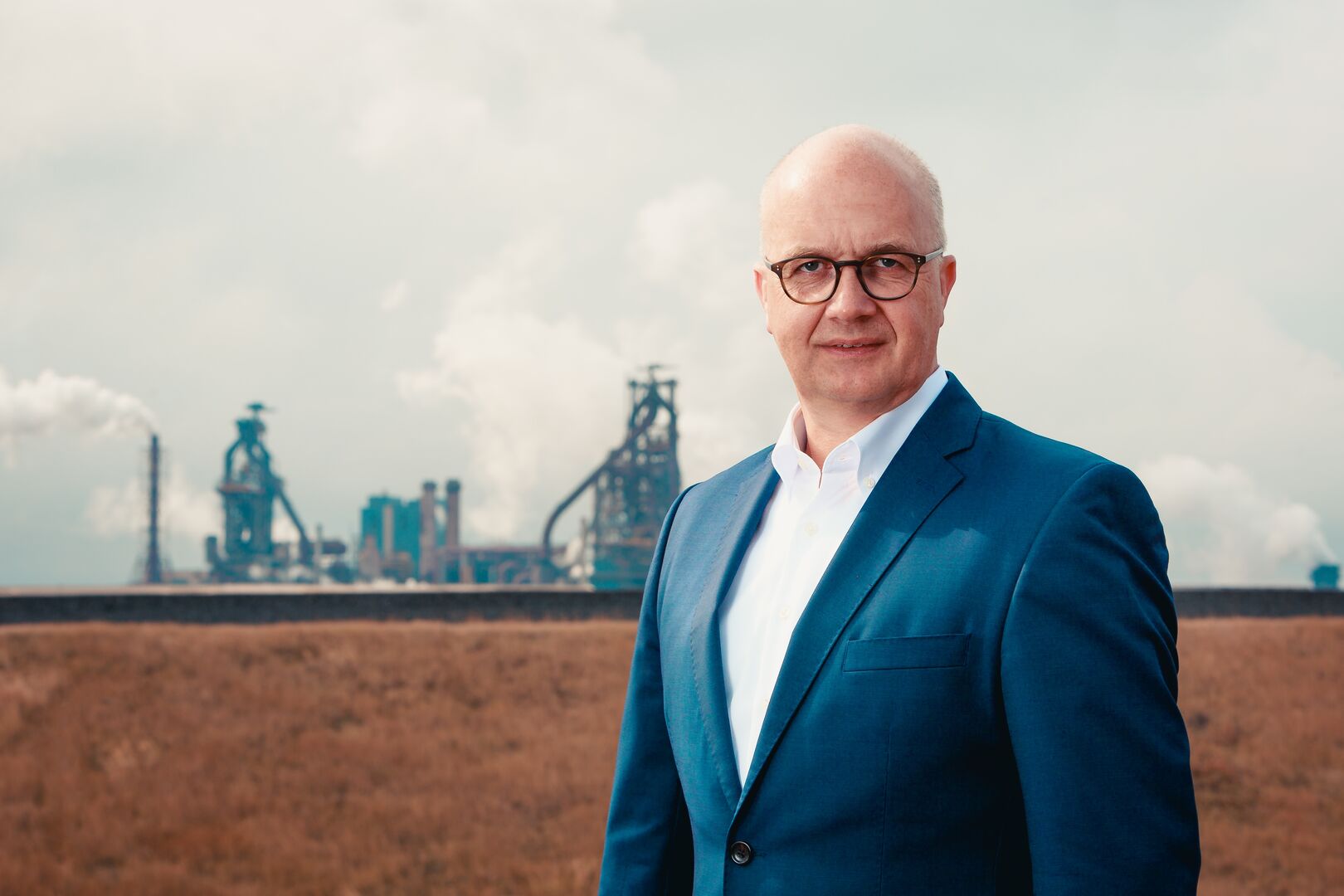
marketSTEEL im Interview mit Dr. Henrik Adam, CEO Tata Steel in Europa
marketSTEEL: Grüner Stahl – derzeit das vermutlich dominanteste Thema in der Stahlbranche. Mit Blick auf Europa: Wie ist Tata Steel in dieser Hinsicht aufgestellt?
Dr. Henrik Adam: Wir konzentrieren uns darauf, unsere CO2-Emissionen so schnell wie möglich zu reduzieren. Unser Motto lautet: Jede Tonne CO2, die nicht ausgestoßen wird, hilft, den globalen Klimawandel zu begrenzen. Als Tata Steel in Europa sind wir schon heute einer der führenden und CO2-effizientesten Stahlproduzenten weltweit. Unser integriertes Stahlwerk in IJmuiden war im Jahr 2020 der dritteffizienteste Stahlstandort weltweit, der Zahlen an worldsteel übermittelt hat. Trotzdem haben sich die weltweiten CO2-Emissionen in den letzten 50 Jahren mehr als verdoppelt. Und wir als Stahlindustrie sind für sieben Prozent dieser Emissionen verantwortlich.
Wir sehen uns selbst in der großen Verantwortung, unser Geschäft klimaneutral zu gestalten und gleichzeitig genau den Stahl zu produzieren, den wir brauchen, um auch den Rest der Gesellschaft dabei zu unterstützen, kohlenstofffrei zu werden. Das erwarten auch unsere Kunden von uns. Deshalb haben wir den Anspruch, unsere CO2-Emissionen in Europa bis 2030 um 30 bis 40 Prozent zu reduzieren, unseren Stahl bis spätestens 2050 CO2-neutral zu produzieren und Stähle herzustellen, die stärker sind, länger halten und weniger Rohstoffe benötigen.
marketSTEEL: Welche Strategien verfolgen Sie, um das zu erreichen?
Dr. Henrik Adam: Wir haben verschiedene Strategien, die lang-, mittel- und kurzfristig zusammenspielen, um ein optimales Ergebnis zu erzielen. Dazu bewerten wir sowohl Risiken als auch Chancen des Klimawandels und integrieren diese in unsere Strategie und Planung wie auch in die Prüfung unserer Investitionen sowie in unsere Risikomanagement-Tools.
Wir gehen davon aus, dass die Dekarbonisierung der Produktion letztlich auch mit dem Einsatz von Wasserstoff einhergehen wird. Im Moment steckt die Wasserstofftechnologie aber noch in ihren Kinderschuhen und ist noch nicht über das Niveau kleiner Pilotanlagen hinausgekommen. Aus diesem Grund prüfen wir auch Optionen, um beispielsweise mehr Schrott in unserer Stahlproduktion einzusetzen. Eine andere Technologie, die viel früher zum Tragen kommen wird, ist die Abscheidung, Nutzung und Speicherung von Kohlenstoff (Carbon Capture, Usage and Storage/CCUS). Wir sehen dies ganz klar als Übergangslösung, bis wir andere Technologien wie Wasserstoff und Direktreduktion nutzen können. Aber wir müssen schnell CO2 einsparen – und zwar heute und morgen und nicht erst in zehn Jahren.
marketSTEEL: Gibt es Unterschiede bei den Dekarbonisierungsstrategien in Tata Steel’s Werken in den Niederlanden und in Großbritannien?
Dr. Henrik Adam: Es gibt entscheidende Unterschiede, weil wir auf die individuellen Bedingungen jedes Werks und Standorts eingehen müssen. Das liegt an den unterschiedlichen Regionen, in denen diese liegen, aber auch an den spezifischen Plänen der jeweiligen Länder zur CO2-Reduktion. Das sind wichtige Faktoren für alle Stahlproduzenten. Die Tatsache, dass etwas an einem Ort sehr gut passt, bedeutet nicht unbedingt, dass es auch an einem anderen Ort die optimale Lösung ist. Um beim Beispiel CCUS zu bleiben: In den Niederlanden ist Tata Steel Partner des Athos-Konsortiums. Dieses hat sich zum Ziel gesetzt, eine Infrastruktur zu schaffen, die die Nutzung oder Speicherung von CO2 unterhalb der Nordsee ermöglicht. Im Gegensatz dazu arbeiten wir in Großbritannien mit anderen Partnern zusammen, um sowohl die Abscheidung als auch den Transport von CO2 in Südwales zu prüfen.
Unsere Strategie zur Optimierung unserer Energieeffizienz ist an beiden Standorten ähnlich. Das ist natürlich an jedem Standort wichtig, aber der Weg dorthin ist unterschiedlich. In IJmuiden speisen wir zum Beispiel seit Anfang 2021 das Kühlwasser des Standortes in ein lokales System zur Abwärmeverteilung ein. In Port Talbot arbeiten wir mit dem örtlichen Kraftwerk zusammen, das unsere Prozessgase nutzt, um Wärme und Strom zu erzeugen. Aber wir setzen auch auch neben der Stahlproduktion selbst an. Hier gibt es ungemein viele Potenziale, die wir deutlich schneller heben können – auch wenn solche Bereiche in der öffentlichen Diskussion derzeit weniger im Vordergrund stehen.
marketSTEEL: Was meinen Sie mit “weniger im Vordergrund”?
Dr. Henrik Adam: Natürlich ist es richtig und wichtig, die Stahlproduktion zu dekarbonisieren. Aber das wird Zeit, Innovationen und Investitionen brauchen. Wir bei Tata Steel betrachten aber auch den gesamten Lebenszyklus unserer Produkte. Zum Beispiel sind die Sektoren Transport sowie Wohn- und Geschäftsgebäude für ein Drittel aller globalen CO2-Emissionen verantwortlich. Wir wissen, dass Stahl der Schlüssel ist, um unsere Gesellschaft klimaneutral zu gestalten. Und als Stahlunternehmen sind wir eben Schlüssellieferant für all die Sektoren, die alles dafür geben, dieses Ziel zu erreichen.
Wir spielen also eine wichtige Rolle dabei, sie bei ihrer Reise in eine kohlenstoffneutrale Zukunft zu unterstützen. Wir können helfen, den Transport- und Gebäudebereich CO2-ärmer zu machen, weil wir mit verschiedenen Industrien zusammenarbeiten können. Um ehrlich zu sein, ist es das, was unsere Kunden von uns verlangen. Und deshalb berücksichtigt unsere Lebenszyklusanalyse den gesamten Weg unseres Produkts: Wenn es hergestellt wird, wenn es benutzt wird und wenn es das Ende seiner Lebensdauer erreicht hat.
marketSTEEL: Und wie wird das bei Tata Steel in Europa konkret umgesetzt?
Dr. Henrik Adam: Das Wichtigste ist zunächst einmal, dass wir stets in enger Abstimmung mit unseren Kunden stehen. Diesen Ansatz verstehen wir eindeutig als gemeinsames Netzwerk. Darüber hinaus gehen wir sehr unterschiedliche Projekte an, zum Beispiel in unserer Logistik. Letztes Jahr haben wir unser “Zero Carbon Logistics Framework” eingeführt. Dieses hilft uns bei dabei, unsere Lieferketten zu dekarbonisieren. Um dieses Rahmenwerk einzuführen, hat Tata Steels Outbound-Logistik über anderthalb Jahre damit verbracht, eine ausführliche Listung all unserer Emissionsfaktoren aufzustellen. Jetzt haben wir die Möglichkeit, sowohl aktuelle als auch potenzielle Emissionen zu berücksichtigen. Das erlaubt es uns, ganze Prozesse abzubilden und dadurch Emissions-Hotspots zu identifizieren. Das wiederum erlaubt es uns, Kunden nicht nur mit umfassendem Wissen zu versorgen, sondern auch eigene Schlüsse zu ziehen.
Daraus ergeben sich zum Beispiel neue Partnerschaften, wie mit DB Cargo in Großbritannien. Gemeinsam arbeiten wir daran, unsere Güter auf der Schiene mit Zügen zu transportieren, die mit dem emissionsarmen Biokraftstoff HVO fahren. Im Vergleich zu herkömmlichem Diesel kann dieser den CO₂-Ausstoß um bis zu 90 Prozent senken. Gleichzeitig prüfen wir, wie wir die Größe und das Gewicht der Züge erhöhen können, um die Anzahl der erforderlichen Fahrten zu reduzieren. Derzeit macht die Logistik vier bis fünf Prozent unserer CO2-Emissionen aus. Hier liegt in den nächsten Jahrzehnten großes Einsparpotenzial. Und es ist eines, das wir schon jetzt realisieren können.
Aber bei allen Möglichkeiten müssen wir natürlich auch die Kosten im Blick behalten. Wir schaffen derzeit ein größeres Bewusstsein für die Emissionshandelssysteme der EU und Großbritanniens und dafür, wie diese die Kohlenstoffkosten bei der Stahlerzeugung beeinflussen. Die zunehmende Verknappung und die steigenden Preise für Emissionsrechte bedeuten, dass alle Stahlhersteller mit wachsenden Kosten für Kohlenstoff umgehen und gleichzeitig massiv in eine dekarbonisierte Zukunft investieren müssen. Um die Klimaziele der EU zu erfüllen sowie auch in Zukunft eine nachhaltige Stahlwertschöpfungskette in der EU und in Großbritannien sicherzustellen, müssen wir solche Kosten weitergeben.