

Assofermet condemns EU safeguard proposal
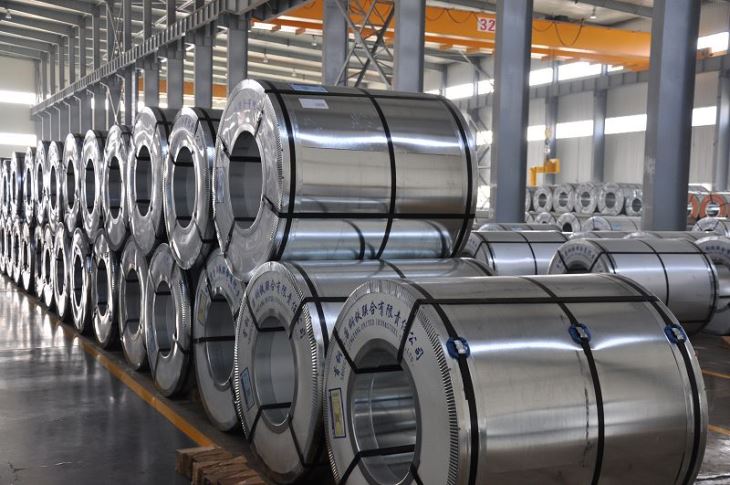
Italian trade association Assofermet believes the extension of EU safeguard measures should be scrapped as it will impair the economic rebound from the impact of the Covid-19 pandemic. It will also exacerbate steel shortages, which are causing a slowdown in the downstream steel value chain, as well as the entire economy.
In a letter sent to Kallanish, Assofermet expresses discontent at the EU proposal to extend safeguard measures beyond 30 June. While the investigation period for the measure is 2018-2020, the European Commission (EC) does not consider the economic rebound forecast for the period 2021-2022, which will see steel consumption increase significantly in Europe, the association says.
Extending safeguards is “irresponsible” and “lacking in common sense in light of the current market trend of the European steel industry, profoundly different from that of early 2020,” Assofermet comments.
Moreover, the EC proposal comes only 19 days before the expiry of the measures. However, European producers’ lead times stretch, in some cases, to 5-6 months. “Many importers have agreed with third-country suppliers contracts for material scheduled to be received in the second half of 2021,” the association observes.
Assofermet accuses the EC of only protecting the interests of producers while forgetting about end users and underestimating the dramatic impact the safeguard extension will have on the entire European economy. An increasing number of distributors and end users will now be forced to implement production stoppages due to difficulties in procuring material on the European market. As a consequence, Italy will not be able to fully take advantage of the European economic recovery fund, PNRR, the association warns.
Last week the European Commission notified EU member states as well as the WTO of its intention to prolong steel safeguard measures for three years beyond 30 June. According to the EC proposal, a relaxation of tariff-free quotas of 3% annually would be implemented during 2021-2024.
Consultations on the proposal are set to take place between 14 and 18 June. The European Automobile Manufacturers’ Association (ACEA) also condemned the Commission’s proposal as a move that disregards the interests of downstream users of steel amid acute automotive steel shortages (see Kallanish passim).
Natalia Capra France

Italian sections prices rise again
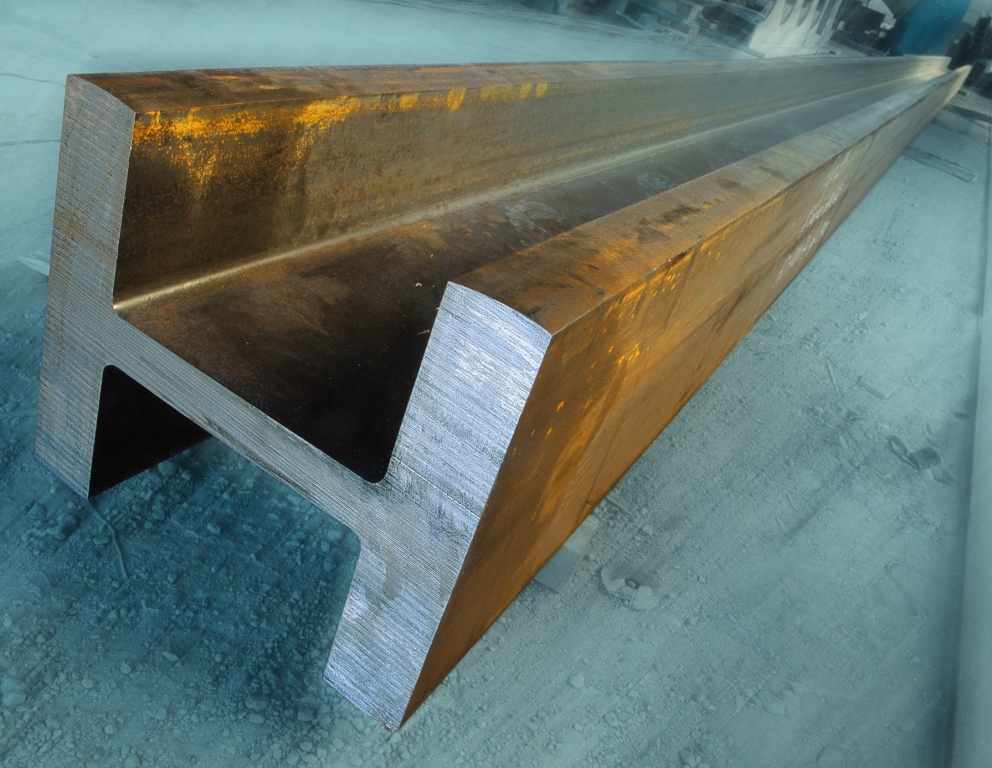
Italian beam producers are seeking another €40/tonne ($48/t) hike compared to May. This is in line with June increases registered for domestic long products, and skyrocketing values of scrap, Kallanish learns from market sources.
Starting this week, sections producers are now asking for as much as €600/t base ex-works for the first category of beams. Prices increase by €20/t for each subsequent category. At the beginning of May they were asking for €380/t base ex-works.
Demand is said to be strong from Italy and other European countries. Only a few contracts have however been implemented at the new prices so far. Transactions are currently at €550-600/t base ex-works for the first category of beams. Including €385-390/t average size extras, values are reaching €930-990/t ex-works, the highest levels seen in the past decade.
A similar situation is happening for Italian merchant bar, for which mills also pushed up prices this week to €500/t ex-works on strong export demand (see Kallanish 15 June).
Natalia Capra France
HBIS Serbia ramp-up to ease flat steel supply
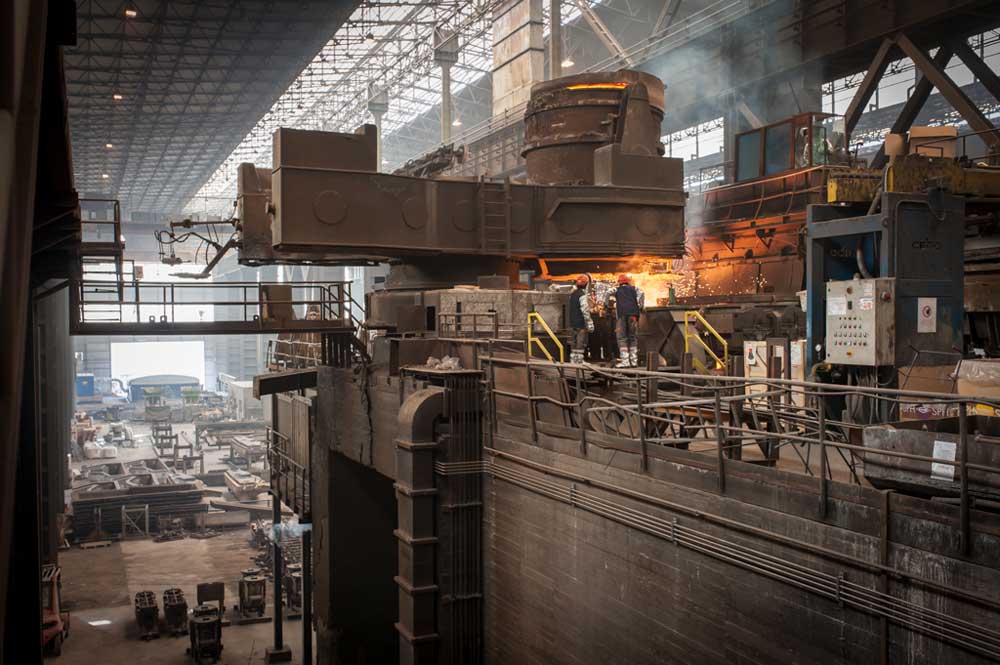
HBIS Group Serbia Iron & Steel plans to restart its blast furnace No.1 in Smederevo on 16 August, the company says.
This blast furnace was shut down in July 2020 due to the Covid-19 pandemic and market situation that prevailed at that time, the enterprise says.
“During the last 11 months, only blast furnace No.2 was in operation, which proved to be a good strategic decision for the time being,” HBIS Serbia observes. “The current market situation has created favourable conditions for restarting blast furnace No.1, whose production capacity will depend on market requirements.”
The company declined to provide Kallanishwith information on planned output.
Its BF restart is significant, however, given the shortage of steel currently seen in Europe, especially for flat products. With ArcelorMittal’s Italian joint venture producing at limited capacity utilisation, and question marks arising over the future of Liberty Steel’s plants in Europe, the additional flat steel supply will be welcome by steel buyers. As Serbia is outside the EU, however, its steel is subject to safeguard measures.
In 2020, the plant operated in line with the business plan. “In the fourth quarter of last year one blast furnace produced steel at the same level as was done in the second quarter with two blast furnaces,” says company executive director for production Vladan Mihailovic.
HBIS intends to continue operating in Serbia, which is best reflected by ongoing investments that will dramatically improve the environment in Smederevo, he adds. These investments amount to $140 million.
The group’s crude steel production capacity was around 2.2 million tonnes/year before the pandemic. Its product range comprises hot and cold rolled coil, pickled coil and electrolytic tin plate.
Svetoslav Abrossimov Bulgaria