


US HRC forward curve shifts into backwardation on LME
The London Metals Exchange’s US hot-rolled coil forward curve moved to a backwardated structure in the week ended June 18, as trading volumes remained low.
As the contract’s trading volumes stayed under pressure amid elevated spot prices, contract prices were mostly flat over the week. The forward curve showed slight backwardation for the front- to three-month contracts and a steep drop-off of over $600 between the three- to 12-month contracts.
The June contract rose by $13 to $1,668/st over the week, settling $17 below the latest daily Platts HRC spot price of $1,685/st.
The July contract remained flat at $1,665/st, while the August contract ended the week at $1,660/st. The November contract moved $4 higher to $1,340/st. Both contracts on the further end of the curve held at $1,050/st over the week.
Despite the standstill in the futures market, spot prices in the physical market continued to move higher over the week. The daily Platts TSI US HRC index increased by $27.25 over the week and has gained over $60 since the beginning of the month. While some mills offered their July production at as low as $1,650/st, integrated mills targeted offer levels above the $1,700/st mark for their August availability.
— Ingrid Lexova

Tosyali’s new 3.5 million mt/year HRC mill gets EIA approval
Tosyali Demir Celik’s new 3.5 million mt/year hot-rolled coil mill project in Turkey, got an environmental impact assessment approval from the Turkish Ministry of Environment and Urbanisation late last week, S&P Global Platts learned.
The company’s new $2.5 billion integrated flats mill, which is currently under construction, will produce steel from scrap in the first phase but will later produce steel from iron ore. The investment is expected to be accelerated following this approval.
Tosyali Demir Celik has already placed orders for the project with Primetals Technologies to supply two EAF Quantum electric arc furnaces. The company’s EAF’s are designed to handle scrap and materials such as HBI and pig iron in different compositions and qualities. The electrical energy requirement of the electric arc furnaces are extremely low, reducing both operating costs and the CO2 emissions.
Tosyali Demir Celik is part of the Tosyali Group, which already operates another steel plant named Toscelik in Osmaniye, Turkey as well as a DRI direct hot-charge melting plant in Algeria named Tosyali Iron and Steel Industry Algerie. The company also runs a number of rolling mills and is well established in the markets for flat products and welded pipes.
Tosyali Holding’s annual steel production capacity will exceed 10 million mt with the start of its new HRC mill at the end of 2022.
— Cenk Can
Thyssenkrupp Schulte unit expands production
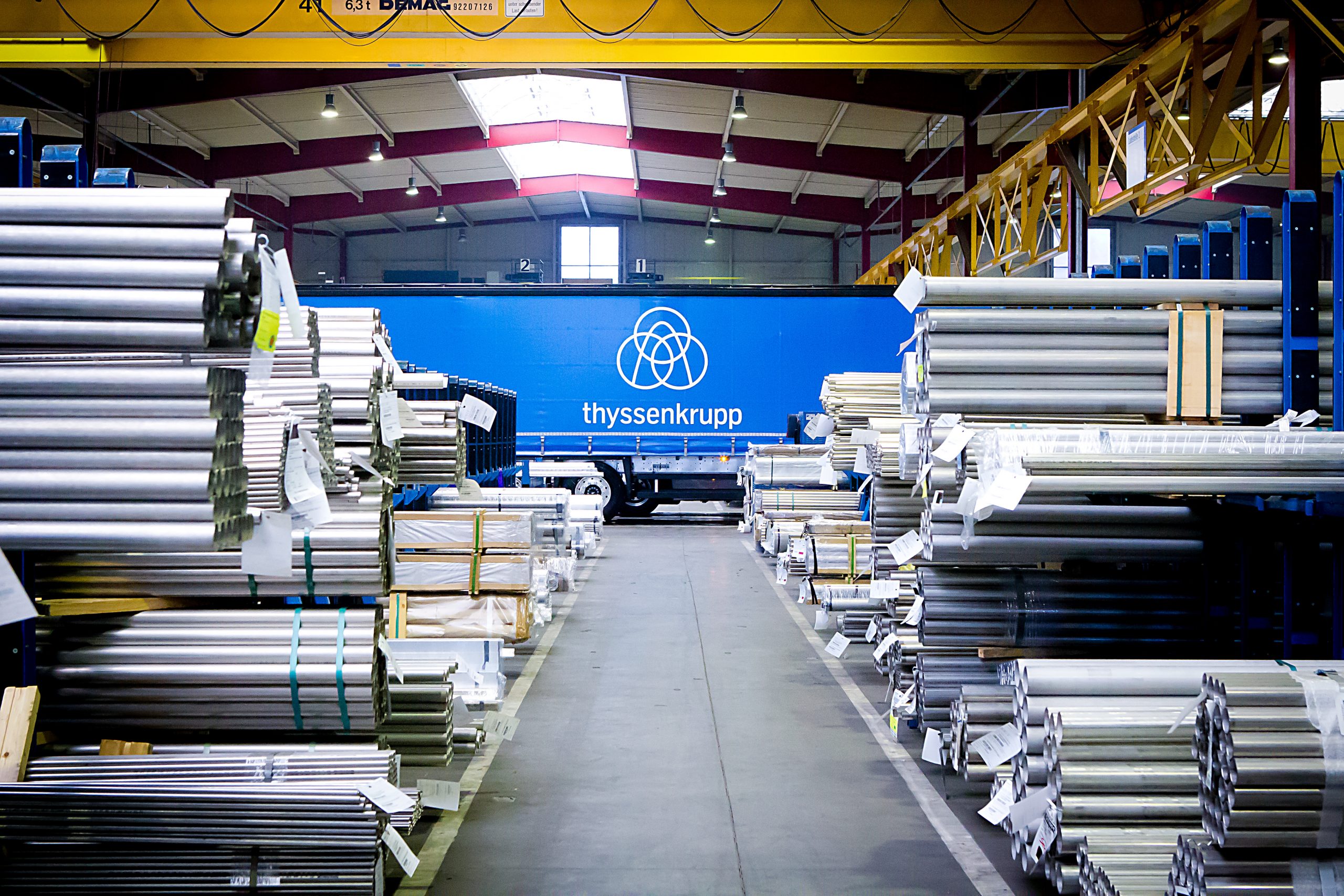
Southern German steel distributor Jacob Bek is further expanding its capacities in the service area and investing into a new multi-strip cut-to-length line. For this purpose, the company is building another production hall in the Ulm Donautal industrial estate, Kallanish hears from parent company thyssenkrupp Schulte, itself part of thyssenkrupp’s Materials Services division.
The new machine will enable the company to process up to 60,000 tonnes/year of additional material in the planned two-shift operation. Processing of ring weights of up to 30 tonnes is possible, and packaging of the material is fully automatic. The new multi-strip cut-to-length line thus complements the extensive service capabilities and follows the “Materials as a Service” strategy of tk Materials Services with customised solutions.
The future hall covers an area of around 2,500 m2 and will be equipped with two modern crane systems with a load capacity of up to 32t. The hall is designed to be sustainable: in addition to electric forklifts, the new building will also have parking spaces for e-cars and charging stations for e-bikes, the company notes. A heat pump heating system will temper the building. The ground-breaking occurred on 16 June and completion is scheduled for summer 2022.
Christian Koehl Germany

Tata Steel considers hydrogen electrolyser for Netherlands site
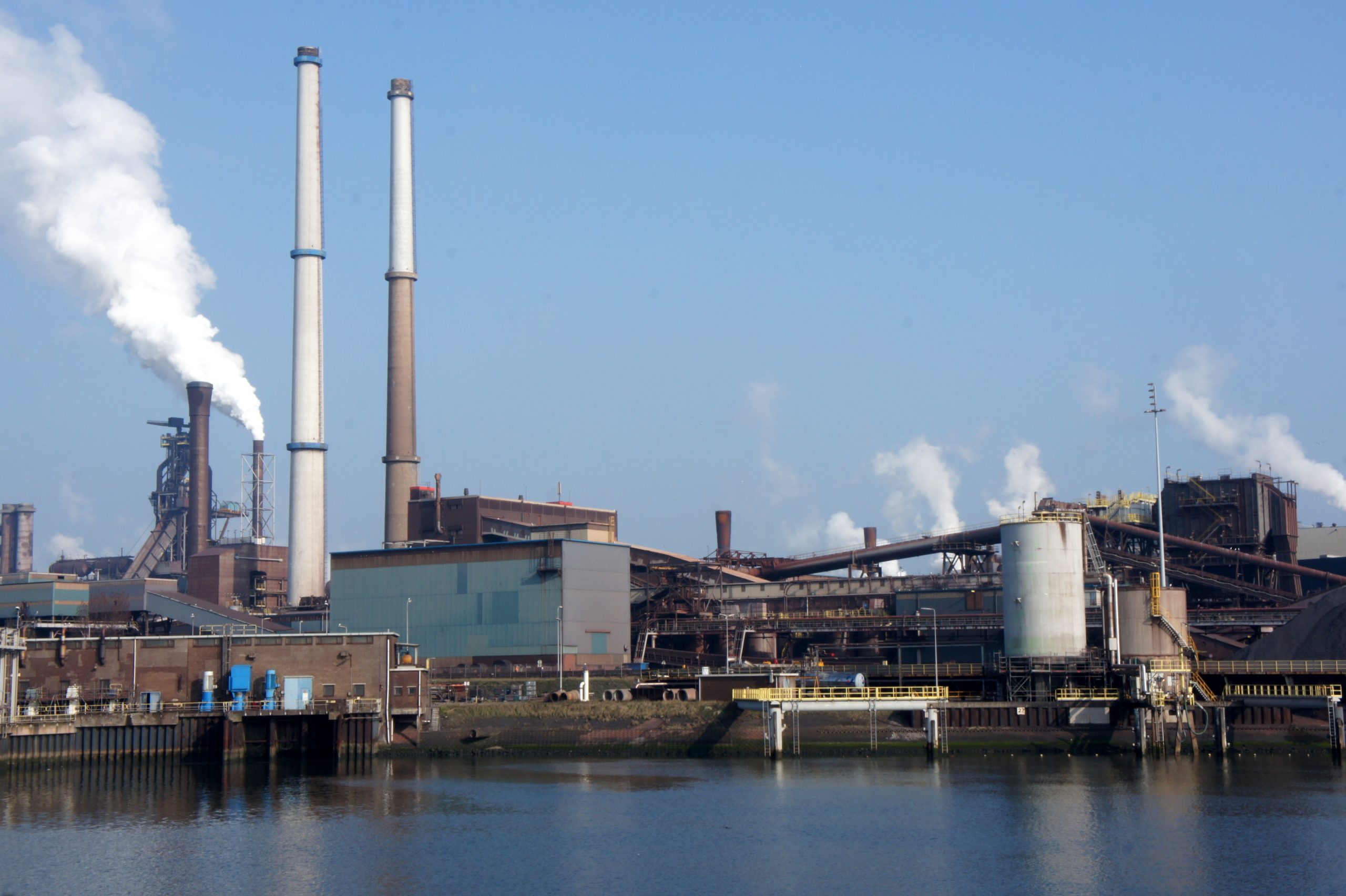
Tata Steel is working with industrial partners to investigate options for the development of a 100MW green hydrogen electrolyser to feed the steelmaking process at the company’s site in the Netherlands. The electrolyser may also be connected to a hydrogen grid, Tata Steel Europe chief executive Henrik Adam said at the Kallanish Europe Steel Markets virtual conference last week.
Circularity will play a key role in Tata Steel’s decarbonisation plans. “I see the promising potential of hydrogen-based production technology … While we recognise the decarbonising potential of the green gas, we also recognise the issue of hydrogen readiness and affordability together with the amount of renewable energy needed to produce green hydrogen for large scale production,” Adam commented.
“In the Netherlands, for example, we would need every megawatt of wind power generated by the country’s wind farms until 2030 to produce enough green hydrogen to satisfy our own needs, but, of course, we are not the only electricity consumer in the Netherlands who wants this green energy. We will need to generate a lot more renewable energy in Europe to satisfy everyone’s needs and to satisfy decarbonisation needs,” he continued.
The company sees in carbon capture technology and storage a strong potential to enable large-scale decarbonisation already in the short term. It is working with partners to develop a CO2 distribution network to support carbon utilisation or storage. Tata Steel plans to capture CO2 from its blast furnaces in IJmuiden and transport it for storage in empty gas fields under the North Sea. The project would lead to a 30% reduction in CO2 from the steelmaking site. The company hopes to launch the project from 2027 (see Kallanish passim).
Natalia Capra France
Hot-rolled approaches another new high in US
US hot-rolled appears to be inching toward a new all-time high, Kallanish hears from market sources.
A source at one top-tier domestic mill has moved up quotes up to $1,700/short ton, due to “success in booking volumes” above the previous range of $1,640-1,675/short ton.
Cold-rolled and galvanized substrate has likewise increased to as high as $1,900/st, he says.
A Midwest buyer says he is adopting a wait-and-see attitude before the next round of index pricing is released, but he expects it will exceed previous ranges.
Kallanish raised its hot-rolled price Monday to $1,650-1,700/st, with cold-rolled holding at $1,850-1,900/st. All prices are ex-works, domestic mill.
Dan Hilliard USA
Coil lead times remain unreliable in northwest Europe
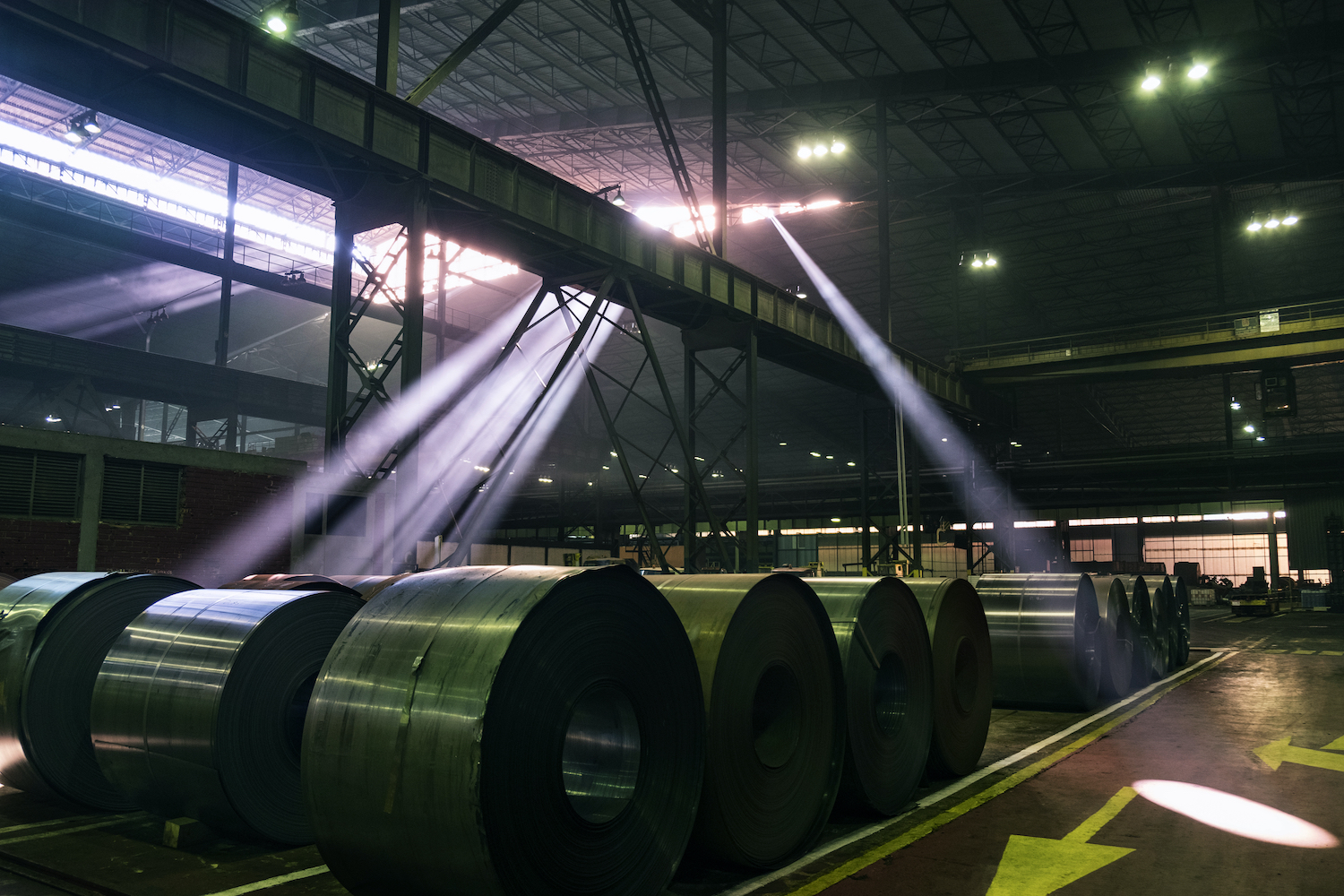
While recent market observations tell of increasing opportunities for catching newly-released spot coil volumes before year-end, buyers overall keep complaining about long and sometimes unreliable delivery.
In one case, a German mill pledged delivery in the 18th calendar week. “Then they kept postponing on a weekly basis, so now we are looking at week 23, if that works out,” a Ruhr-based stockholder tells Kallanish. “The performance of delivery is lousy at all the big mills.” Even if some new opportunities for volumes for rolling in 2021 have been reported, he doubts that delivery will occur this year.
Such conditions are murky ground for back-to-back business, another German notes. “It is hard to arrange something with my customers that makes them willing to strike a deal. With a delivery time in January, you won’t get anyone out of the woodworks today. People think twice, in fact three times, before they place an order that far away,” he explains.
If offers are made by the mill, “they come with lots of 500 or 750, in any case less than 1,000 tonnes. For any additional lots, you need to pay proportionally more,” the Ruhr manager observes. While he reports a range of €1,120-1,150/t ($1,334-1,370) for hot rolled coil, other sources in Germany and the Benelux see the price inching more towards the €1,170 defined by the market leader mill earlier in June.
According to a Dutch observer, some German producers, for example, are supplying their regular customers with up to 50% less than the traditional quantities. Requests from potential new customers are rejected in advance, he says.
Christian Koehl Germany