


Kanzlerkandidatin der Grünen bei ArcelorMittal in Eisenhüttenstadt

Klimaneutrale Stahlproduktion ist ein wichtiges Thema bei ArcelorMittal. In Deutschland treibt der weltweit führende Stahlhersteller mit der Strategie „Steel4Future“ die Transformation an seinen vier Produktionsstandorten in Bremen, Duisburg, Eisenhüttenstadt und Hamburg mit ehrgeizigen Initiativen voran.
Während eines Besuchs bei ArcelorMittal Eisenhüttenstadt machte sich die Grünen-Vorsitzende und Kanzlerkandidatin Annalena Baerbock vor Ort ein Bild von den Transformationsplänen für den Industriestandort in Ostbrandenburg.
Neben politischen Gesprächen mit der Geschäftsführung, dem Betriebsrat und der IG Metall Brandenburg hatte Baerbock auch Gelegenheit, Stahlwerker*innen des größten Produktionsstandorts von ArcelorMittal in Ostdeutschland zu treffen.
Für die beiden Flachstahlwerke Bremen und Eisenhüttenstadt hat ArcelorMittal ein Konzept vorgelegt, um dort noch vor 2030 rund 3,5 Millionen Tonnen Stahl klimaneutral zu produzieren und so mehr als fünf Millionen Tonnen CO2-Emissionen pro Jahr einzusparen. Dafür sollen an beiden Standorten je eine Direktreduktionsanlage für Eisenerz und ein Elektrolichtbogenofen neu gebaut werden, um jeweils einen Hochofen bereits bis 2026 abzulösen und grünen Wasserstoff einzusetzen. Die CO2-Minderung wird zunächst mit Einsatz von Erdgas und – sobald in ausreichender Menge und zu wettbewerbsfähigen Kosten verfügbar – grünem Wasserstoff geplant. Zum Aufbau der erforderlichen Infrastruktur mit grünem Wasserstoff durch Elektrolyse beteiligt ArcelorMittal sich in der Region am Aufbau des Wasserstoffclusters Ostbrandenburg.
Annalena Baerbock, Bündnis 90/Die Grünen: „Einige Unternehmen haben sich schon auf den Weg zur Klimaneutralität gemacht. Aufgabe der kommenden Bundesregierung muss es sein, diesen Unternehmen wie der gesamten Wirtschaft einen verlässlichen Rahmen für den Umbau zu geben. Mein Vorschlag ist daher ein Pakt zwischen Industrie und Politik, in dessen Zentrum Klimaschutzverträge stehen. Dieser Industriepakt ist ein zentrales Element des Aufbruchs in eine sozial-ökologische Marktwirtschaft und fördert die Kräfte des Marktes. Er setzt einen Rahmen und gibt Beschäftigten sowie betroffenen Regionen Sicherheit. Er garantiert Unternehmen, die sich der klimaneutralen Produktion verschreiben, die notwendige Planungssicherheit für den Umbau.“
Reiner Blaschek, CEO ArcelorMittal Flachstahl Deutschland: „Wir wollen in Deutschland eine Vorreiterrolle übernehmen, bereits ab 2026 bis zu 50 Prozent der CO2-Emissionen reduzieren und die klimaneutrale Produktion damit deutlich vor dem Ziel der Bundesrepublik erreichen, bis 2045 klimaneutral zu sein. Dazu sind enorme Investitionen notwendig, die wir nicht allein stemmen können. Die Förderabsichten der Bundesregierung sind hilfreich, nun muss auch die EU zustimmen. Doch das allein wird noch nicht reichen: wir brauchen auch Kunden für grünen Stahl, der mit höheren Produktionskosten verbunden sein wird. Hierzu ist ein Ausgleich der höheren Kosten notwendig, bis sich ein Markt für grünen Stahl etabliert hat.“
Dirk Vogeler, Betriebsratsvorsitzender: „Der Besuch von Annalena Baerbock ist ein wichtiges Signal, dass die Politik unsere Pläne ernst nimmt und unterstützt. In der Stahlindustrie liegt der größte Hebel zur Erreichung der Klimaziele. Wir benötigen die Förderung von Investitionen. Die Unternehmen sollen sich an diesen Kosten beteiligen. Außerdem müssen erhöhte operative Kosten abgefedert werden, damit klimaneutraler Stahl eine Chance hat. Deutschland muss Industriestandort bleiben. Stahl ist einer der wichtigsten Grundstoffe für industrielle Produktion. Wir dürfen uns nicht von anderen Ländern abhängig machen. Das ist ein Grundstein für den Erhalt unserer Arbeitsplätze.“
Quelle und Foto: ArcelorMittal Germany Holding GmbH
BDSV stellt klar: Klimaschutz wird aus Schrott gemacht!

Für die Bundesvereinigung Deutscher Stahlrecycling- und Entsorgungsunternehmen e. V. (BDSV) greift die hauptsächlich wasserstoffbasierte Strategie der Bundesregierung und der Stahlhersteller zur Herstellung von grünem Stahl viel zu kurz. Bundeswirtschaftsminister Peter Altmeier hatte jüngst auf der Wasserstoffkonferenz mit dem Stahlverband WV Stahl und IG Metall verkündet, dass die Bundesregierung und die Stahlkocher in Deutschland beim Umbau der Schwerindustrie zu einer klimafreundlicheren Produktion aufs Tempo drücken wollen. Die BDSV kritisiert, dass im überarbeiteten Handlungskonzept Stahl der Bundesregierung der Einsatz von Stahl- und legiertem Stahlschrott zur Reduzierung der CO2-Emissionen eine völlig untergeordnete bis gar keine Rolle spielt.
Während die Bundesregierung Steuergelder hauptsächlich in wasserstoffbasierte Stahlproduktion steckt, investiert die Stahlrecyclingbranche seit mehr als einem Jahrhundert ihr privates Geld in direkten Klimaschutz. Jede Tonne Stahlschrott, die in der Stahlproduktion eingesetzt wird spart 1,67 t CO2, jede Tonne Edelstahlschrott sogar 4,3 t CO2. Mit dem Einsatz von 93,8 Mio. t Stahlschrott konnten in der EU im Jahr 2018 allein 157 Mio. t CO2 eingespart werden, was den CO2-Emission aller Automobile in Frankreich, Großbritannien und Belgien entspricht. Dieses beeindruckende CO2-Einsparpotential außer Acht zu lassen ist nicht nur unverständlich, sondern unklug, will man das ambitionierte Ziel der Klimaneutralität auch in der Stahlproduktion bis 2050 tatsächlich erreichen. Stahl- und Edelstahlschrott ist beliebig oft ohne Qualitätsverluste recyclebar und spart vor allem Primärressourcen wie Erze und Kokskohle, deren Abbau und Transport ebenfalls sehr CO2-intensiv sind.
Derzeit prüft das Institut Fraunhofer IMW in Rahmen eines Forschungsprojekts im Auftrag der BDSV die mögliche Beteiligung der Stahlrecyclingbranche an einem EU-ETS System, um den Schrotteinsatz zu fördern. Eine weitere Lösung hierfür könnte eine gesetzlich festgeschriebene Mindesteinsatzquote von Stahlschrott in der Stahlproduktion sein. Das würde nicht nur den Einsatz von Sekundärrohstoffen fördern, sondern auch die Wettbewerbsfähigkeit der Stahlrecyclingwirtschaft erhöhen.
Freie Märkte für Recyclingrohstoffe: Stahlschrott ist kein Abfall, sondern ein Klimaschutzprodukt
Darüber hinaus fordert die BDSV eine Unterscheidung von Sekundärrohstoffen und Abfällen ohne Wert im Rahmen der Revision der EU-Abfallverbringungsverordnung (Verordnung Nummer 1013/2006 über die Verbringung von Abfällen). Derzeit drohen Handelshemmnisse für Sekundärrohstoffen durch die geplante Verschärfung der Vorschriften für die Verbringung von grün gelisteten Abfällen in Drittländer. Denn Stahlschrott ist kein Abfall, sondern ein Klimaschutzprodukt. Zudem können durch den weltweiten Handel mit Recyclingstahl können Rohstoffkreisläufe geschlossen werden und damit Primärrohstoffe ersetzt werden. Eine Exportbeschränkung wäre klimapolitischer Unsinn.
Die gravierenden Folgen von Exporthemmnissen wären weniger Sammlung und Aufbereitung von Schrott, weniger Investitionen auch in Forschung und Entwicklung und der Verlust einer wirtschaftlichen Basis für das Stahlrecycling, wenn sich Schrottpreise nicht mehr frei am Weltmarkt bilden. Die Stahlrecyclingunternehmen wären in ihrer Existenz bedroht.
Quelle: BDSV – Bundesvereinigung Deutscher Stahlrecycling- und Entsorgungsunternehmen e.V. / Vorschaubild: Pixabay, Foto: dokumol
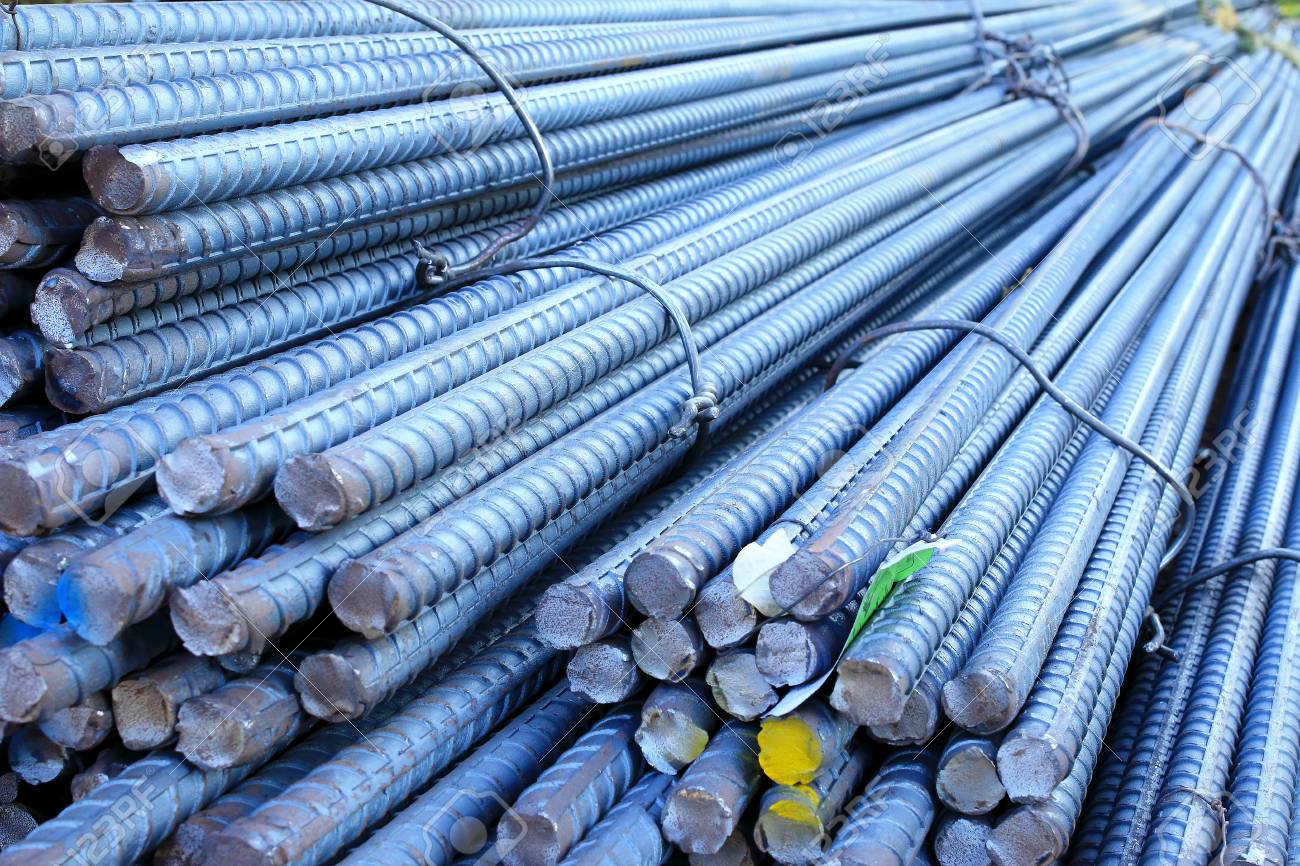
Rebar shortage constrains Spanish construction sector
Spanish rebar suppliers tell Kallanish that domestic producers are short of material for some qualities, while lead times are continuously growing.
Meanwhile, Spain’s construction and infrastructure company association, Seopan, affirms that the rise in prices of steel products is seriously affecting all companies in the sector, both in public and civil works. According to Seopan, long steel prices are up 78% since the beginning of 2021.
“As prices rise, there is a shortage of certain rebar qualities, the supply of which is in many cases conditional on the acceptance of offers with weekly price adjustments,” Seopan observes. “The situation puts in danger the economic balance in the sector, as contracting companies have to face price increases of more than 100% and this may jeopardise the fulfilment of construction works,” the association warns.
Meanwhile, Spanish rebar suppliers confirm the situation could even worsen as large mills enter a two-week programmed maintenance period.
“Large mills have no availability of two of the qualities most sold by distributors until end-July,” one trader says. “Steelmakers lead times are reaching almost 20 days and this makes the situation yet more difficult.”
According to another market participant, suppliers are not considering imports as a short-term solution, given there is currently no significant price differential between entries and local rebar levels. “We have very strong demand for rebar,” he comments. “High prices pressure end-users to postpone their purchases instead of importing steel. This situation is set to last and to have repercussions on construction sector activity.”
Rebar is currently sold domestically in Spain at €480/t ($574) base. Including €262/t size extras, latest transaction values are at €742/t (€888) ex-works. Some offers have also been heard at €760/t delivered for 16mm rebar.
Todor Kirkov Bulgaria


Italy plate prices soften as market confronted with cheaper imports
The European plate market saw a slight divide between north and south, with North European prices still firm on low availability and longer lead times, while the Italian market is seeing a slight downturn, sources told S&P Global Platts June 25.
In the Italian market, sources noted some softening of plate prices, with material in Italy still plentiful amid a plethora of cheaper imports now available to customers.
“Plate prices are going back, and re-rollers are offering more,” an Italian trader said. “This is the only product where the gap between Italy and the rest of Europe is widening.”
Despite this, Italian producers are still in a slightly more advantageous position to offer for spot, with some volumes still available for as early as July, with mills now trying to sell for August.
“The main advantage of Italy is the short lead times and the fact that [Italian producers] offered to everybody and not just their big customers,” a German distributor said. “Whereas [German producers] are longer in lead times and they concentrate on projects and big customers.”
The same source said that while some Italian mills were offering Eur1,050/mt ex-works Italy for 200 mt, they would be willing to negotiate to between Eur1,010-1,015/mt for requests of 1,000 mt.
Prices at Eur1,000-1,020/mt ex-works Italy are still workable for sales to German customers, an Italian mill source said. However, stockholders were heard to be more interested in import prices, with offers from Indonesia heard at Eur910/mt CIF Italy Ports.
“Stockholders will book imports now especially if they think of these are peak prices,” the mill source said. “Using [imports] as leverage against mills.”
North European plate prices increased Eur10/mt over the week to Eur1100/mt ex-works Ruhr June 25, while Italian plate prices dropped Eur5/mt to 1025/mt ex-works Italy.
— Amanda Flint


Chinese stainless rallies on higher raw material prices, robust demand
Stainless steel prices in southern China’s Foshan spot market continued to rise on the month in June, on the back of higher raw material costs and healthy demand.
S&P Global Platts assessed grade 304, 3 mm thick hot-rolled coil at Yuan 16,500/mt ($2,556/mt) ex-warehouse June 25, up Yuan 350/mt on the month.
Grade 304, 2 mm thick cold-rolled coil was assessed at Yuan 17,800/mt ex-warehouse, up Yuan 1,200/mt on the month.
The increase in June was mainly supported by strong raw material prices and healthy demand in both domestic and export markets and well-balanced supply-demand fundamentals, said a China-based trader. Some mills had raised their new list prices for domestic sales, but there are rising concerns about how sustained the market would be after rising so much, he said. “It might not be a surprise to see some corrections in July,” said a second trader.
Platts assessed nickel-free grade 430/2B CRC 2 mm thick at Yuan 9,625/mt ex-warehouse, up Yuan 200/mt on the month.
Nickel prices have been stronger in June. The official nickel cash price on the London Metal Exchange settled at $18,192/mt on June 24, up $905/mt on the week and $828/mt month on month.
Separately, Platts assessed 304-grade 2 mm 2B stainless CRC at $2,850/mt CFR East and Southeast Asian ports June 25, up $50/mt week on week. The increase mainly reflected higher mills’ offers and rising domestic market in China.
— Dai Yuelin
Tata Steel Europe separation advances, management nominations expected
Following board approval, Tata Steel Europe has submitted its plans for separation into Mainland European and UK businesses for national consultation with the various employee representative bodies. The firm says it wants to complete the separation as soon as possible after successful consultation.
“Separating into Tata Steel Netherlands (TSN) and Tata Steel UK (TSUK) will enable both businesses to pursue different strategic paths and give them greater agility and focus, while still benefiting from the buying and selling power of a large company,” Tata Steel Europe chief executive Henrik Adam told employees on Friday. “In the meantime, we are also continuing conversations with both the Dutch and UK governments to seek support for our transition to low-carbon steelmaking, a vital part of securing a long-term sustainable future for both steelmaking sites.”
The firm anticipates a small number of senior management job reductions, but does not expect other job losses as a direct result of this separation process. For those in cross-border roles, in particular, there may be some change in activity and reporting lines but for many employees there will be little change to their day-to-day roles, Adam pointed out.
Nominations for the management teams in the new TSN and TSUK organisations are expected to be announced in the coming weeks. The teams will be accountable to their respective boards and to the parent company, Tata Steel Limited.
“There will continue to be areas of coordination for TSN and TSUK, especially as they continue to present a single face and voice to customers via, for example, a common product offering and pricing policy,” Adam commented in a letter to employees seen by Kallanish. “The separation will mean the creation of two vibrant new steelmaking businesses, each with their own strategies for future success and sustainability, but still with the support and leadership of the parent company.”
Adam Smith Germany
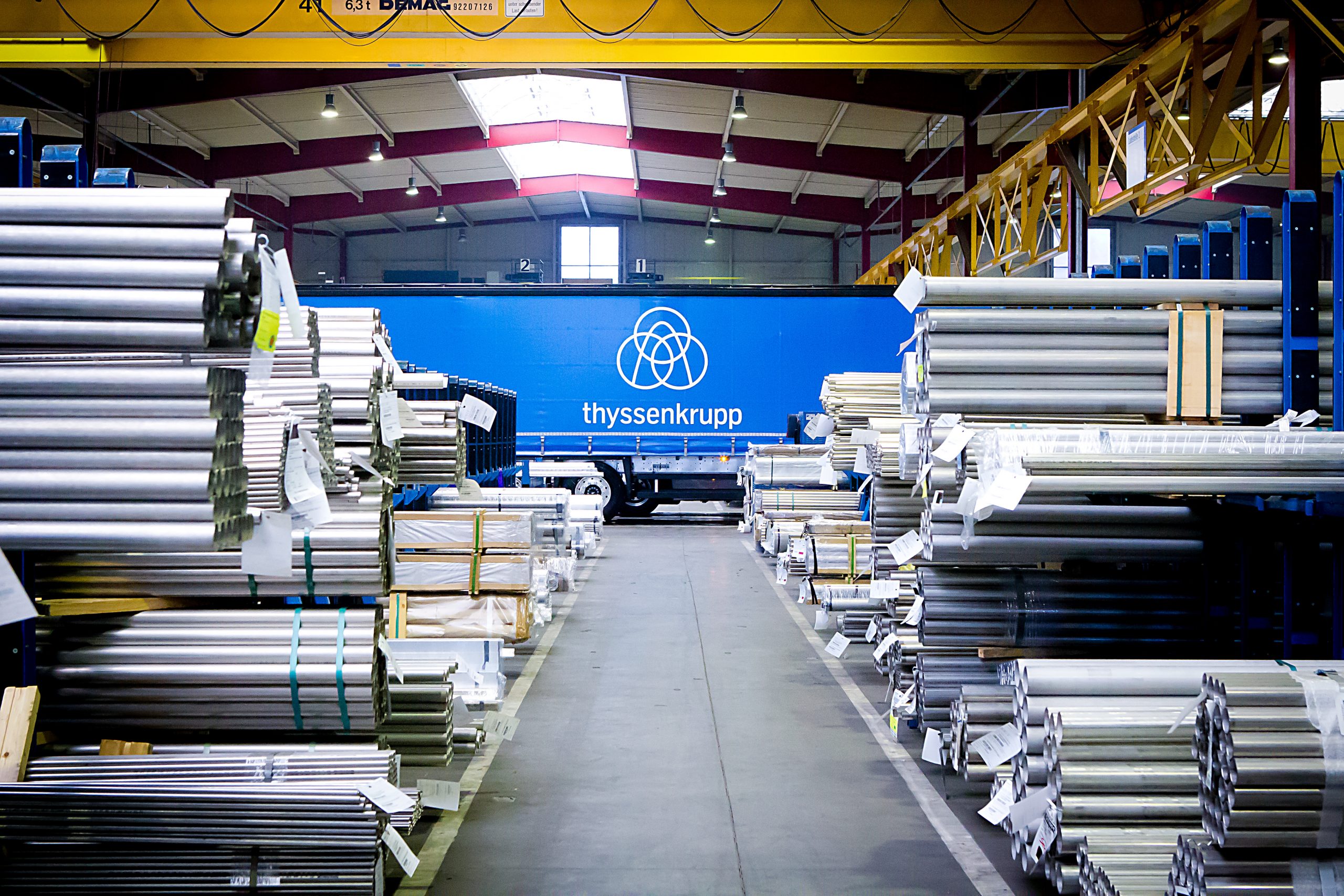
Thyssenkrupp sees steel boom, shortage continuing
Thyssenkrupp Steel Europe chief executive Bernhard Osburg believes shortages of steel will prevail for a while, and that steelmakers will be kept busy further into the future.
Given that many reconstruction programmes are just about to start in Europe and the USA as the pandemic wanes, demand for steel will stay high for a long while. “The economic environment will stay upbeat,” he told local reporters last week.
The current bottlenecks for steel will not be overcome all that easily. Europe is currently lacking 20 million tonnes of flat products, which is around 20% of the volume consumed in normal years.
Osburg stated that Europe’s steel industry has its capacity fully utilised, but that is not enough to cover the demand. This view of his is contested by many observers from the buy side. “One cannot escape the impression in the steel market that the shortages of steel products were caused by the producers themselves,” a Dutch manager told Kallanish earlier this month. Notably, thyssenkrupp itself is about to idle some of its capacity for several months to reline a blast furnace.
At the meeting, Osburg also dismissed the idea that the EU’s safeguard measures were to blame for the shortage. “Fact is, nobody is selling,” he is quoted as saying.
Christian Koehl Germany