

Samuel expands auto steel processing presence in Mexico
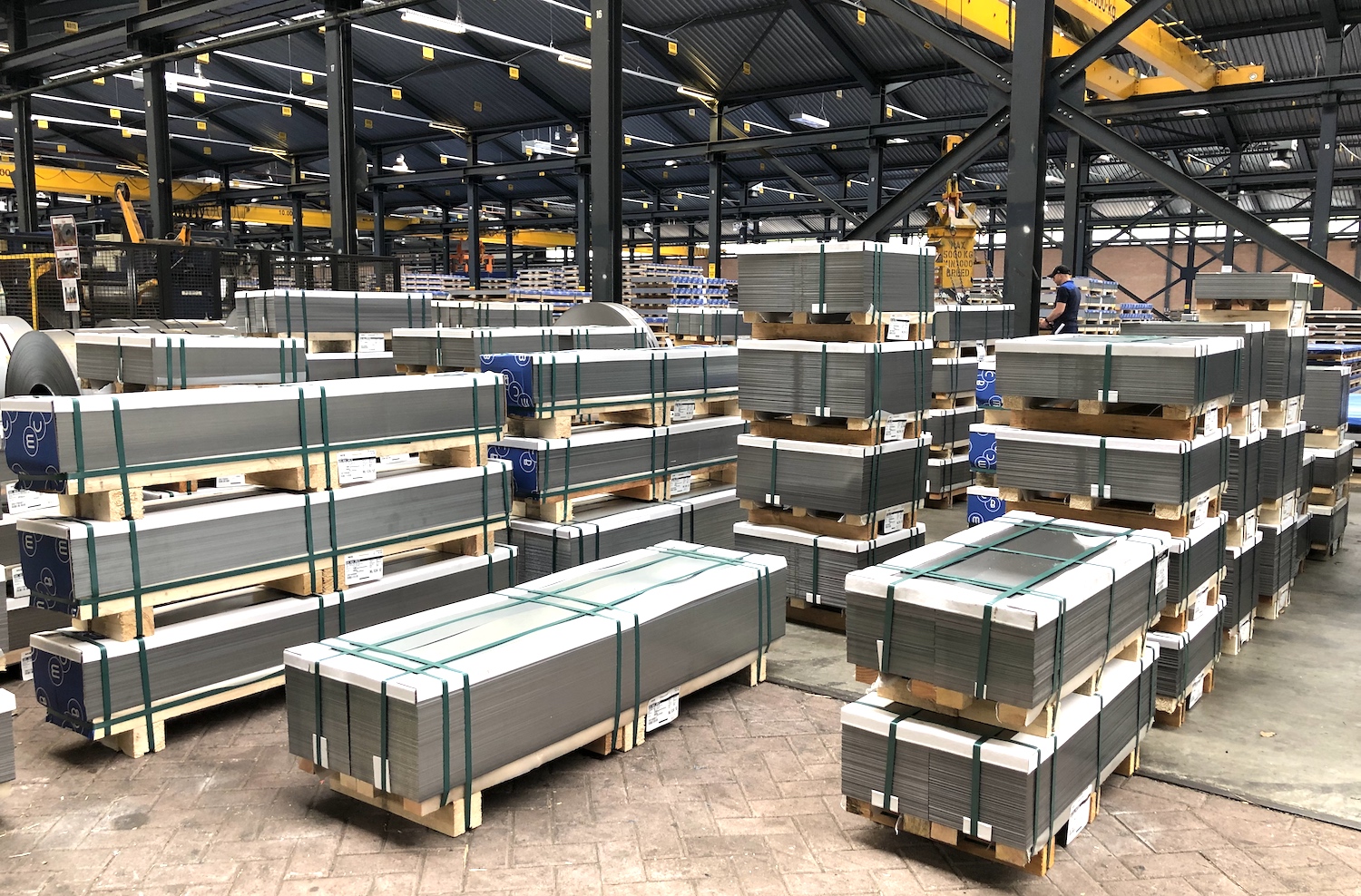
North American service centre chain Samuel, Son, & Co is opening a new auto-focused facility in Querétaro, Mexico, Kallanish learns from a company release.
Construction of the 140,000 square-foot facility will be done by year-end, and full production will be reached in January. Its output will complement Samuel’s existing facility in Monterrey.
“Over the last five years, Samuel has invested more than $150 million to extend the capacity and capabilities we offer to automotive OEMs and Tier One suppliers across North America,” says Samuel automotive vice president Luis Ponte. “The automotive industry is rapidly expanding in central Mexico, and we’re looking forward to being a part of it. Our investment in Querétaro will allow us to deliver a new level of support for the many expanding global automotive programs based in the region.”
Audi, Chrysler, Ford, General Motors, Toyota, Nissan, Mazda, Honda, and Volkswagen all have assembly plants in the region, according to North American Production Sharing Inc. Moreover, Steel Dynamics Inc’s new Sinton, Texas, plant is also targeting the Mexican automotive market.
Dan Hilliard USA

India proposes retaliatory duties on EU-origin steel imports
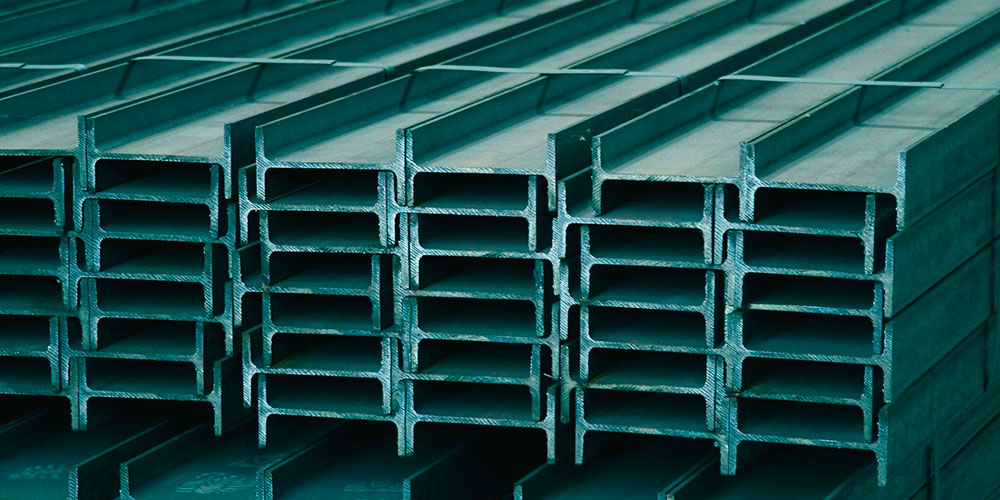
India has proposed to impose an additional €292 million ($346m) worth of import duties on products coming from the EU. The proposed duties will be in retaliation against quota restrictions put in place by the EU on steel imports from India.
India has submitted the request to the World Trade Organisation (WTO), Kallanish notes. The nation will shortly provide details of the measures it plans to put in place, says an official tracking the matter.
“India estimated that the safeguard measures have resulted in the decline of exports to the tune of €1.168 billion, on which the duty collection would be €292.01 million,” the Indian WTO delegation says. “Accordingly, India’s proposed suspension of concessions would result in an equivalent amount of duty collected from products originating in the EU.”
“The suspension of concessions and other obligations will continue to apply until the safeguard measures of the EU are lifted,” it adds in the WTO application.
The EU implemented tariff rate quotas (TRQ) on steel imports, following the US decision to impose additional import duties on steel from several countries including Russia, India and Turkey. It fixed specific quotas for steel imports for exporting countries beyond which the items attracted additional import duties of 25%. The main reason behind the TRQs was to avoid the diversion of exports from the US market to the EU market.
“Subsequently, the EU came up with some changes in the TRQ administration that made the situation tougher for Indian exporters as they had tailored their exports as per the initial measures announced,” the official adds.
“Since the EU did not roll back the measure after discussions with India on the matter, India decided that it was justified to suspend concessions to the EU by increasing duties on imports from the region equivalent to the duties calculated on the affected Indian exports,” the official concludes.
In April-May, Indian hot-rolled flat exports to Italy clocked at 247,074 tonnes. Other major importers in the EU were Belgium (105,999t), and Spain (75,660t).
Sayed Aameer India
Sweden’s SSAB to deliver fossil-free steel to Mercedes-Benz
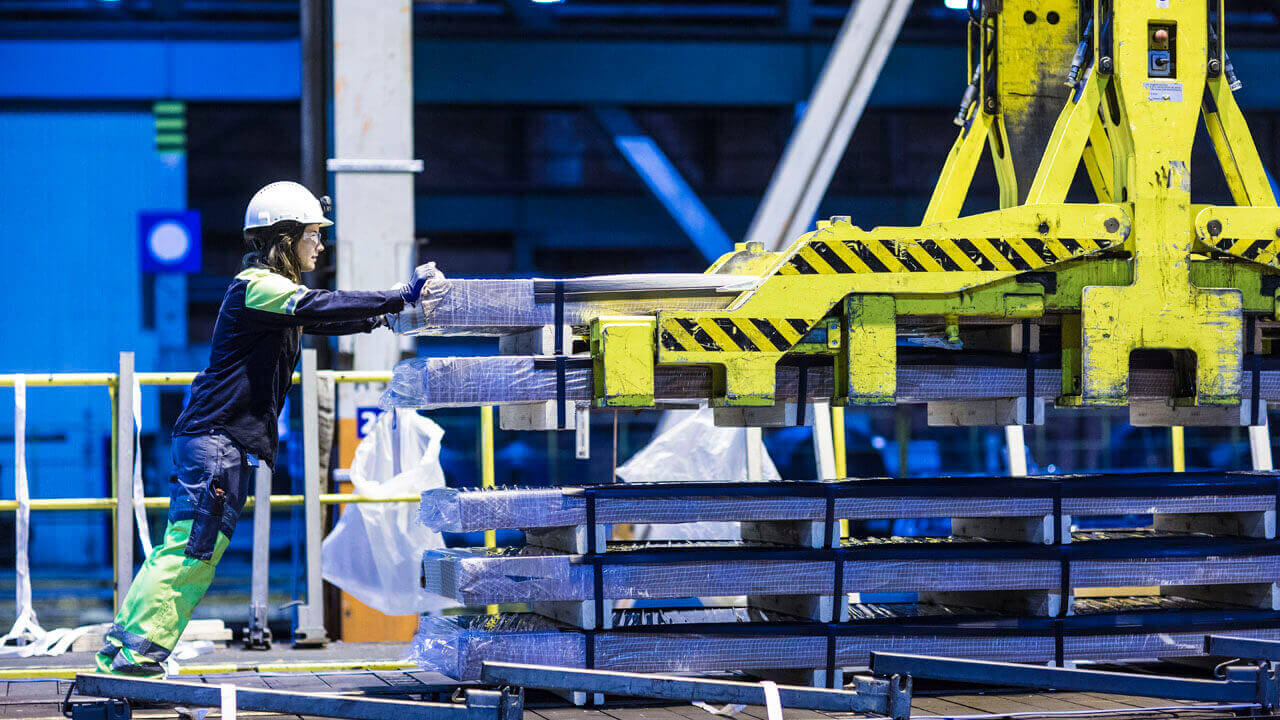
Luxury German carmaker Mercedes-Benz expects to produce the first prototype parts for its vehicles’ body shells made of Sweden’s specialty steelmaker SSAB fossil-free steel in 2022, part of the car manufacturer’s plan to achieve zero emissions across its entire value chain by 2039 at the latest, the company said Sept. 1.
“In 2026, SSAB [via the HYBRIT project] plans to supply the market with fossil-free steel at a commercial scale after the conversion of its Oxelösund blast furnaces to an electric arc furnace and by using HYBRIT technology, which replaces coking coal, traditionally needed for iron ore-based steelmaking, with fossil-free electricity and hydrogen,” the company said in a statement.
On Aug. 18, the HYBRIT project, whose stakeholders are Sweden’s specialty steelmaker SSAB, iron ore pellet producer LKAB and power producer Vattenfall, manufactured the world’s first fossil-free steel and delivered it to the Volvo Group.
“We are extremely happy to welcome Mercedes-Benz as a partner for fossil-free steel products,” said SSAB CEO Martin Lindqvist in a statement. “Together, we are building an entirely fossil-free value chain all the way to the end customer.”
In June, a HYBRIT pilot plant in Lulea, Sweden, produced the world’s first sponge iron reduced using fossil-free hydrogen gas. The successful completion of tests proved it was possible to use fossil-free hydrogen gas to reduce iron ore instead of using coal and coke to remove the oxygen, it said at the time.
In July, SSAB said its green hydrogen pilot plant successfully produced 100 mt of iron in initial output since starting in the second quarter and prototype steel to be delivered this year for vehicles. The company, at the time, said it was considering fast-tracking its Lulea blast furnace-based steelworks to be carbon emissions free, ahead of plans by ArcelorMittal to offer hydrogen-based steel.
— Filip Warwick


India sells 120,000 mt of HRC to Turkey in a month with competitive prices
The gap between domestic mills’ and imported hot-rolled coil prices has remained wide in Turkey, despite recent declines seen in domestic mill offer prices, Turkish buyers have focused on cheaper imports in recent months.
According to the latest monthly Turkish Statistical Institute data observed by Platts, Indian mills, which were not traditionally one of Turkey’s HRC suppliers, sold significant HRC tonnages to Turkey with competitive prices again in July.
Turkish buyers imported 120,000 mt of HRC from India in July, although no HRC cargo was imported from India in the same month the previous year.
Turkish buyers’ imports of HRC from CIS countries, which are traditionally Turkey’s largest HRC suppliers, also remained strong year on year in July, the latest TUIK data showed.
HRC imports from Russia reached 167,400 mt in that month, stable on year, while imports from Ukraine jumped on year to 50,100 mt, more than double on year.
Turkish buyers’ imports from Asian suppliers also rose in July. Turkish buyers’ HRC imports from Japan reached 60,500 mt in that month, sharply up from 14,200 mt imported from that country in the same month the previous year, while imports from South Korea roughly tripled on year to 34,100 mt. Turkish buyers also imported 27,100 mt of HRC from China in July.
HRC imports from one of Turkey’s traditional European suppliers, France, totaled 18,600 mt in July, sharply down from 71,800 mt imported in July 2020, while Turkish buyers HRC imports from other European suppliers remained notably low year on year.
Turkey’s overall HRC imports thus totaled 524,500 mt in July, higher than 439,800 mt imported in the same month the previous year, Platts observed from the latest TUIK data.
— Cenk Can