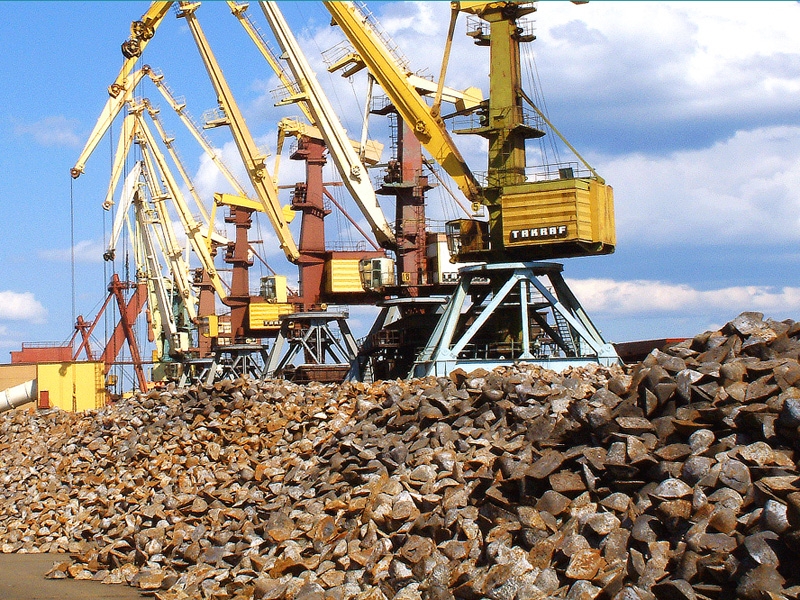
Coal-based steelmaking to persist despite green rhetoric: Eurocoke
Despite the green steelmaking rhetoric in Europe, the region’s steelmakers will remain dependent on coal for some time to come, while producers in developing economies will continue investments into new coal-based capacity. So said speakers at last week’s Eurocoke Summit in Amsterdam.
The green hydrogen-based direct reduction-electric arc furnace route can reduce carbon emissions by 97% versus the conventional blast furnace-oxygen converter route; however, there is a huge obstacle to this. Green energy is needed on a scale hitherto unseen, Stahlinstitut VDEh executive board member Dr Hans Lungen pointed out at the event attended by Kallanish. Another challenge is the limited availability of DR-grade iron ore pellet, which is highly-beneficiated versus BF feed.
A shorter-term alternative to direct carbon avoidance is to follow the smart carbon usage pathway, an example of which is the Hisarna ironmaking process installed at Tata Steel IJmuiden. This produces carbon-rich process gas that can be used effectively for carbon capture, utilisation and storage (CCUS) at an EU coastal plant, Lungen observed.
Tata Steel IJmuiden Hisarna Pilot Plant technology manager Johan Van Boggelen said the International Energy Agency has pointed out that a majority of global steelmaking will still be somehow dependent on carbon by 2050. This does not mean the conventional integrated process will remain dominant, but CCUS will increase.
“These firms who say they will use hydrogen won’t do so immediately,” he observed. The transition phase will involve the use of natural gas which will require some form of carbon capture. Green steelmaking will require the development of hydrogen storage infrastructure, which will take ten years to build.
Direct smelting through Hisarna is a good alternative, Van Boggelen said, having demonstrated carbon emissions can be cut by 50% without carbon capture, by using 50% scrap feedstock charge and biomass instead of coal. The next step will be to introduce natural gas into the process. Coupled with CCUS, this can result in negative emissions.
The touted use of biomass on a large scale, meanwhile, will require processes to upgrade it to high levels of decarbonisation, while the issue of what to do with increased DRI slag also needs to be considered, Van Boggelen commented. Much of the BF slag currently produced is reused in the cement industry, but this is not possible with DRI slag.
H&W Worldwide Consulting principal consultant Dr. Neil Bristow meanwhile said the challenges of meeting hydrogen production and transport “have been underplayed”.
Europe will be at the forefront of the decarbonisation push. India, South America and Southeast Asia will however see BOF-based steelmaking grow to 2035, requiring increased coking coal. These regions have insufficient scrap supply, while there is not enough BF pellet or hydrogen supply globally to ensure their decarbonisation. Growing steel demand can only be met through more integrated steelmaking investments.
“That’s going to mean that demand for coking coal, even if Europe declines, is still going to develop strongly outside of Europe,” Bristow concluded.
Adam Smith Germany

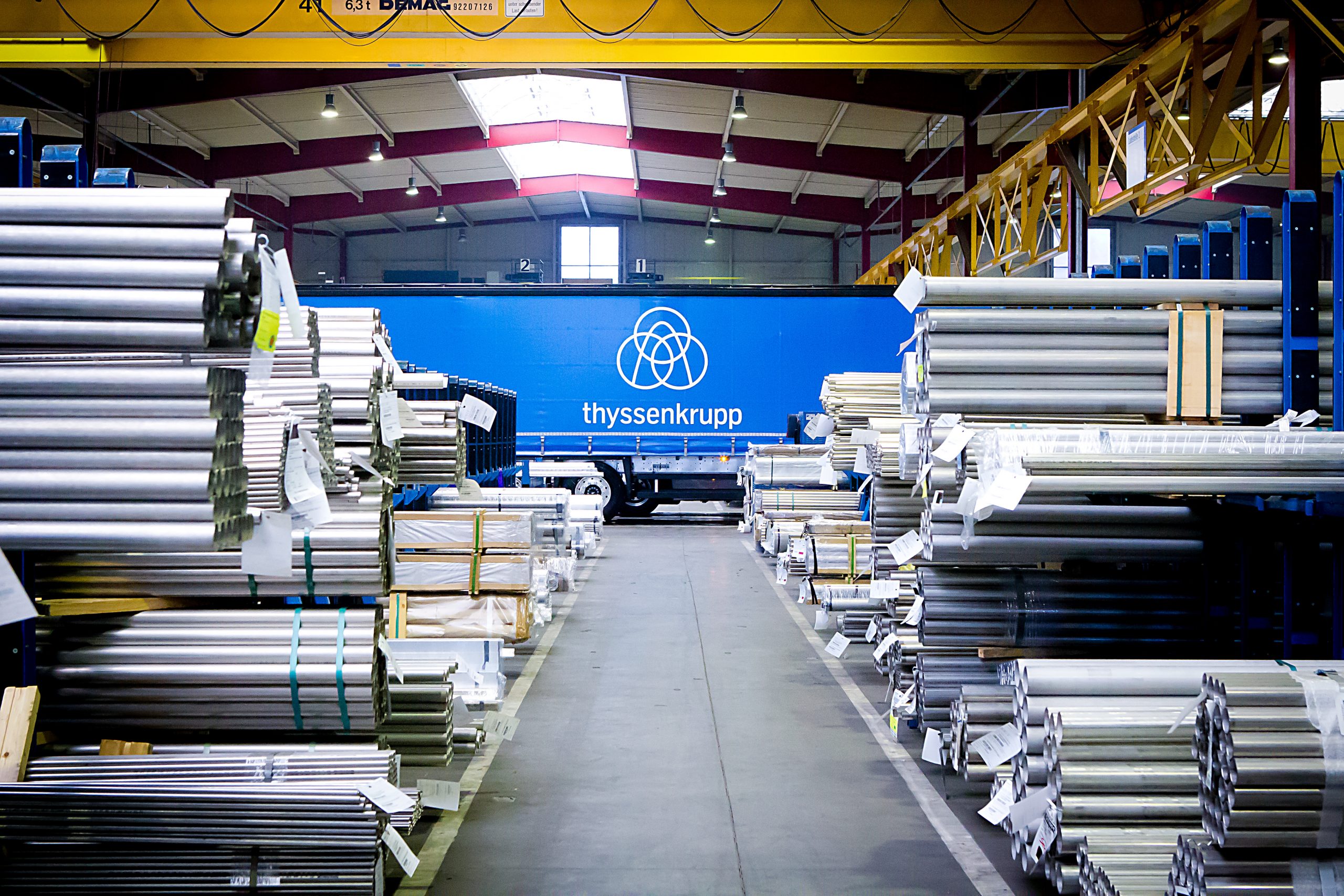
German stockholders recover during first half-year
Germany’s stockholding distributors saw a “strong first half-year” with regard to volume and especially prices, says their federation, BDS.
The tonnage sold by distributors from January through June totalled 5.61 million, Kallanish learns from BDS. This means a proportional increase over full-year 2020, in which sales came to 10.35mt, but also over 2019 when they totalled 10.78mt. A catch-up effect kicked in already towards the end of 2020, when the monthly average tonnage was 850,000t in the fourth quarter, over 9% higher than in Q4 2019.
A look at inventories suggests sales could have been even higher if supplies of steel had been. This applies especially to all strip products, says BDS head of research Jörg Feger.
On 31 December 2020, inventories stood at 1.92mt, already 5% lower than at the end of 2019. Levels rose only slightly at the beginning of this year, and then dropped in March and April, which is very unusual for spring months, Feger notes. A slight recovery in May was followed by another dip in June. On 30 June, inventories totalled 1.92mt, 10% lower than one year earlier.
This is also reflected in the days-of-sale, which in 2020 averaged at 75, somewhat lower than in 2019, and dropped further over the course of H1 2021. By June, they stood at 60.
Christian Koehl Germany
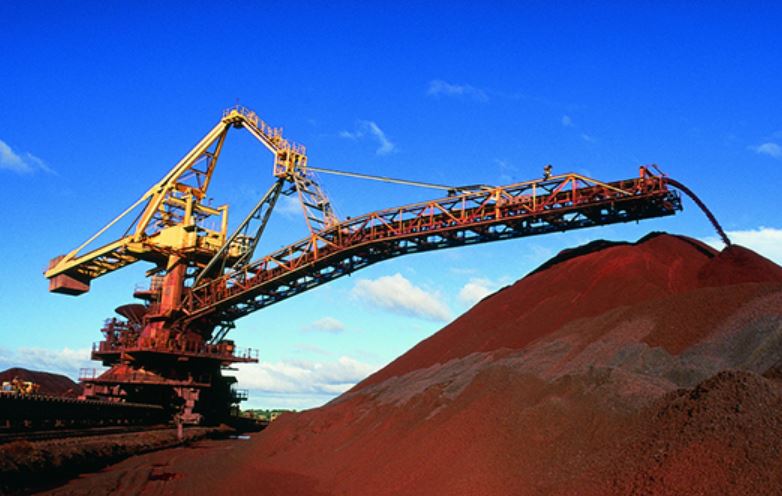
India mulls steel price hikes on costlier coal
Rising coal prices coupled with a shortage of coking coal and thermal coal are forcing Indian steel mills to consider a steel price hike for the next quarter. Indian steel giants like JSW Steel and Jindal Steel and Power (JSPL) anticipate a cost-driven price hike.
Kallanish notes from customs data that Indian coking coal imports plunged 26.18% on-month to 3.21 million tonnes in September, while iron ore imports fell 35% to 2.32mt. The fall in coking coal imports amid soaring prices, coupled with the expected increase in steel demand during India’s festive seasons, indicates a steel price increase in the coming period.
“The steelmaking-to-energy giant, which relies mostly on imported thermal and coking coal, sees seaborne prices as likely to remain elevated for one or two more quarters,” JSW Steel marketing director Jayant Acharya told local media.
“Coal is having an impact on costs and that will have a bearing on the price of steel for the next few quarters,” he adds. “Benchmark thermal coal prices have more than doubled since the start of the year to more than $200/tonne, with sharp increases in the last few weeks due to a global squeeze on supply.”
The majority of integrated steel plants in India are dependent on thermal coal supply for their power requirement. Owing to supply issues, prices of thermal coal have increased four times above the normal rate, says JSPL.
“A tonne of coal, which was in the range of INR 4,000-6,000/tonne ($53.40-80.10/t), is now costing INR 8,000-12,000/tonne,” JSPL managing director V R Sharma told media.
“Steel in India at present is in the range of INR 50,000-55,000/tonne. The shortage of coal has led to an increase in its prices, which will have an impact on steel that may also go up due to this unprecedented rise,” Sharma concluded.
Sayed Aameer India

Stainless steel imports jump in Turkey as consumption rises
Turkey imported 411,600 mt of stainless steel coil with widths above 600 mm in the first eight months of the year, higher than the 335,000 mt imported in the same period the previous year, as stainless steel consumption in the country rose notably with the easing of the pandemic, S&P Global Platts observed from the latest monthly Turkish Statistical Institute (TUIK) data.
The cost of these imports also rose notably to $834 million in that period, 38% higher on year, due to globally higher steel pricing.
China notably raised its share in the Turkish stainless steel market with competitive prices in that period. The country became Turkey’s top stainless flat steel supplier in January-August by shipping 155,000 mt to Turkey, 72% higher on year, the TUIK data showed.
Turkey’s stainless sheet imports from South Korea remained relatively strong at 96,600 mt in January-August, down by 10,000 mt on year.
Turkey also imported 25,400 mt of stainless steel coil from Spain in the eight-month period, while imports from Italy totaled 22,500 mt.
Turkey’s imports of stainless flat steel from Taiwan totaled 18,300 mt in January-August, the latest data showed.
Turkey’s sole stainless cold-rolling mill, Posco Assan TST, based in Izmit, Kocaeli, near Istanbul, has production capacity of 300,000 mt/ear of 0.3-3.0 mm thick stainless cold-rolled coil up to 1,600 mm wide.
— Cenk Can

Turkey approves Paris climate pact, sets 2053 as net zero carbon target
Turkey at last approved the Paris Climate Agreement at the parliament and it entered into force as of Oct. 7 after it was published in the official gazette.
Turkey was one of the few countries in the world that didn’t ratify the agreement, because the government opposed Turkey being listed as a developed nation at the agreement, which means the country will have more responsibility on climate than developing nations. Lawmakers protested this detail of the agreement while approving it.
Murat Kurum, minister of Turkish Environment and Urbanization, said he hoped the decision would help the country achieve net zero carbon status by 2053. Turkey is aiming to reduce the rise of emissions by 21% by 2030, Platts learned.
Turkey will update its targets of emissions in manufacturing, energy, waste, transportation, agriculture and in other fields in this regard and the subtopics of the planned work will be addressed in the Climate Conference that is expected to be held in January 2022.
Turkey published its “medium-term (2022-2024) economic program” on Sept. 5 in the official gazette, which was a program focusing on sustainable growth and “Green Transformation” in the nation’s key industries, including steel, to help achieve a more source-efficient, greener economy, as Platts has reported.
“Within the scope of the Turkey-EU Customs Union, necessary work and preparation will be made in dialogue with the EU by coordinating the public sector, the private sector, non-governmental organizations and universities to ensure adaptation to the European Green Deal regarding Turkish exports to the EU,” it said in the program.
Turkey’s “Green Deal Action Plan” proposes 32 targets to adapt with the EU’s Carbon Border Adjustment Mechanism (CBAM). In this regard, studies for a national carbon pricing mechanism could be also carried out, taking into account the EU’s carbon border adjustment mechanism and sectoral sensibilities.
Turkey will support research and development activities and technologies for green production. “Green Industrial Zones” will be constituted in this regard.
The Turkish steel sector has already accelerated its investments for “Green Steel Production” in recent years, like solar energy plants, metal recovery services and EAF quantum electric arc furnaces, reducing both operating costs and CO2 emissions.
— Cenk Can
German steel pricing sentiment bearish, higher Q4 stocks seen
German steel producers, end-buyers, distributors and traders were found to be mostly bearish on pricing over October, according to a monthly survey of sentiment in the country’s steel sector conducted by S&P Global Platts for October.
Most participants also agreed on expectations for higher inventories as lack of automotive demand, with a build-up of imports at European ports leaving steel mills fearful amid slow buying activity, according to the survey data.
The survey, which is used to compile an index demonstrating pricing sentiment, was conducted at the beginning of this month and showed the overall expectation for steel prices at 25, down a whopping 31 points from the previous month, with all participants largely in tune over the direction of prices.
Steel pricing sentiment has taken a downturn since the summer slowdown and has struggled to recover since then, with cheap imports and a semiconductor shortage hindering the automotive industry from consuming previously agreed steel volumes, leading to higher availability of steel.
Back in September, the European market remained very uncertain about prices and inventories, as the semiconductor shortage forced carmakers into intermittent production, with one known manufacturer Stellantis having to cut production from 24/7 to just five days a week and two major European original equipment manufacturers announcing a cease in production.
Since then, market participants have been very cautious to divulge workable prices at a time when transaction activity has been minimal, with buyers choosing to hold off spot purchases in fear of imminent lower prices as more import material clears European ports.
“Imports are a serious threat in this period and given the semiconductor issue remaining unresolved for the foreseeable future, auto demand will remain under pressure,” a European trader said. “We are in a buyers’ market now.”
With producers still in long-term contract negotiations with manufacturers, Western European mills are keen to keep spot prices firm, while Visegrad mills have finalized deals reportedly below Eur1,000/mt ex-works Ruhr.
“Currently, the barrier is at Eur1,050/mt ex-works Ruhr,” a German distributor said. “I see a potential towards Eur1,000/mt.”
Hot-rolled coil prices have dropped considerably since their peak toward the end of June 2021. The daily Platts HRC assessment stood at Eur1,047.50/mt EXW Ruhr Oct 8, down nearly Eur143/mt from a record high of Eur1,190/mt June 25.
Unwanted autos
As domestic prices rise, European inventories are starting to pile up as unwanted automotive volumes – coupled with recently cleared imports – flood the market.
While some mills stand confident that peripheral sectors like the heavy machinery and construction industries will be able to soak up the steel surplus, some European mills were heard to be channeling available steel volumes into exports.
“The cancellation of orders by automotive has forced EU mills to try and move volumes to export markets in order to not contaminate domestic prices,” a European mill source said.
A German distributor said: “Lack of automotive demand across Europe is causing increasing stocks. The availability makes mills nervous – there are no real transactions, inventories are growing, and no one needs to buy. People are sitting and waiting, mills are giving discounts to secure volumes.”
Stockholders and distributors were still busy with outstanding orders and assessing what orders they could cancel amid depressive sentiment.
The index for inventory sentiment stood at 77, suggesting a very aggressive rise in stored volumes from September, when the index stood at 57. End-buyers were the most bullish on inventory increases with an index of 75, while producers stood at 58 and traders at 38.
Capacity fears
Production forecasts for October were rather muted with the overall index at 51, denoting stability. Most bullish in this category were producers at 56, followed by end-buyers at 50 and traders at 46.
The European market has been expecting some additional production, with Thyssenkrupp having restarted its biggest blast furnace Oct. 1 after a reline. Salzgitter said in August it would restart its Blast Furnace C in November, which had been idled in 2019. A Salzgitter spokesperson said earlier this week the restart would be “under consideration.”
As inventories rise, market players have expressed their doubt about mills potentially adding more unneeded capacity to the market.
“I don’t know what to think of those mills restarting. It’s risky, but perhaps they want to catch as much volume as possible before there is a real collapse,” the European trader said. “We also have to consider that [steel body] Eurofer’s demands for quotas/tariffs are a bit unfair if there are unused European capacity falsely inflating prices.”
— Amanda Flint
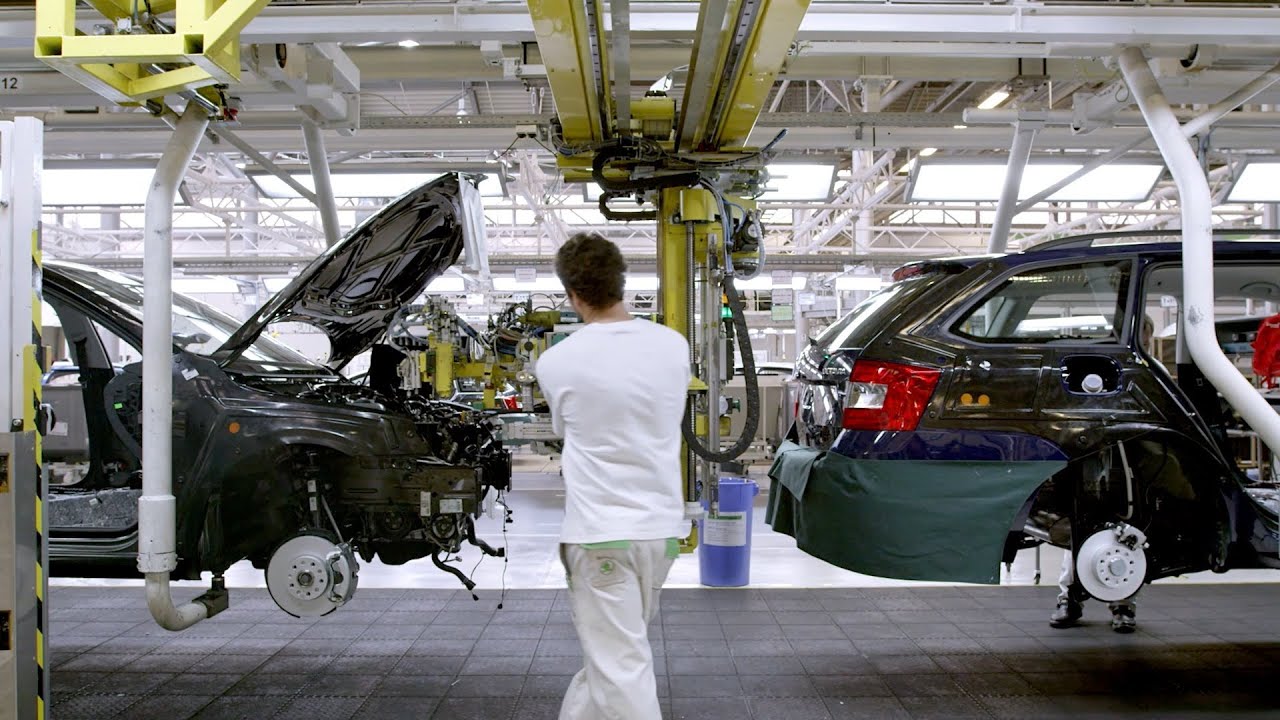
Automotive: European inventories crash
Inventories across Europe are feeling the strain with destocking in Q1 of circa -200,000 units, followed by a sharp -700,000 in Q2.
While inventory data is not publicly available in Europe, recent events continue to highlight that inventory movements are a critical component to understand the likely evolution to build volumes.
European inventories are now showing new strains, with destocking in Q1 of circa -200,000 units, followed by a sharp -700,000 in Q2. We expect this to have continued into Q3 (-380,000), before starting to turn around in Q4 – although there is still uncertainty on this to some extent.
Indeed, the destocking we project over Q1-3 exceeds that suffered by the sector in Q2 2020: 1.270 million versus 1.020 million. But a devastating collapse similar to that suffered in the wake of the Lehman Brothers crash (1.540 million) should not be ruled out, and this merely highlights the scale of the crisis currently being felt by the sector.
European OEMs have been forced to trim build significantly, while incoming orders have slowed as both have been impacted by the chip shortage. Oddly enough, European days’ supply is looking heathy because we are in an unusual position where both the flow of build and the flow of orders are being impacted by what might be considered a unique set of circumstances.

If we were to assess the market’s potential demand, then, clearly, the industry would be supply-constrained across the board. Rather than 60 days’ supply, with constrained demand, we would probably be looking at circa 40 days’ supply, with reference to ‘real’ underlying demand.
However, some OEMs have been more severely impacted than others, as illustrated in the Inventory Assessment table below.
European inventories crisis is being felt across the board.
This table should be studied with an eye on the benchmark. At a glance, we can see that Ford and Tata Groups were operating well below their benchmarks in Q2. For Q3, meanwhile, Daimler and RNM joined the ‘critical list’.
What is clear, however, is that this inventory crisis is being felt right across the board.
With the notable exception of Ford, whose days’ supply holdings collapsed by 25% in Q2, all the OEMs show slippage in days’ supply holdings in Q3 and are now mostly operating below the level of inventories that they would ideally like to hold.