


EU market avoids HRC imports, mills look to export as stocks rise
North European HRC prices continued to be stable Nov. 11 as demand remains stable to low, with buy-side participants choosing to wait until automotive contracts are agreed, which will set the precedent for long-term pricing development.
As inventories rise due to untaken automotive volume, mills are desperate for spare warehouse space, with some actively exporting to neighboring Turkey and Egypt. Buyers have lost interest in higher import prices amid shorter lead times from domestic mills, sources told S&P Global Platts.
The market has reached the bottom, and expectations of higher prices lie ahead, though it was difficult to determine the actual market level for Q4, sources said.
“It is difficult to know what the real price is. From the lower side, Eur900/mt, but when you do business for Q1 it’s above Eur1,000/mt,” a European mill source said. “For those who need to sell for Q4, it is easiest to export to the US, where mills will have a higher priced market. For this reason, I expect a more positive trend.”
All market signals were pointing toward the outcome of automotive contracts, with additional positive signs from automotive maker Skoda, which returned to production two weeks prior.
“If this is clearer for everybody, mills won’t lower prices and movement will start. Contracts will be in favor of mills – they are in a stronger position because of the prices this year,” the mill source said.
Expected contract prices were between Eur1,000-1,050/mt delivered Europe for HRC, a potential Eur600/mt increase from the previous year’s contracts.
Meanwhile, a Benelux buyer source was skeptical about higher prices in Q1, and said it was all based on the demand situation from auto and other industries.
“I think it’s fairly quiet, if demand is not good, they (mills) have to lower prices,” the buyer said. “Depends on demand from auto but also 50%-60% of the rest of the market, which is the other industry.”
The buyer said stock positions in the Benelux were manageable and not “increasing badly” due to logistical problems in discharging material from the port and delivering it to the warehouse.
— Amanda Flint

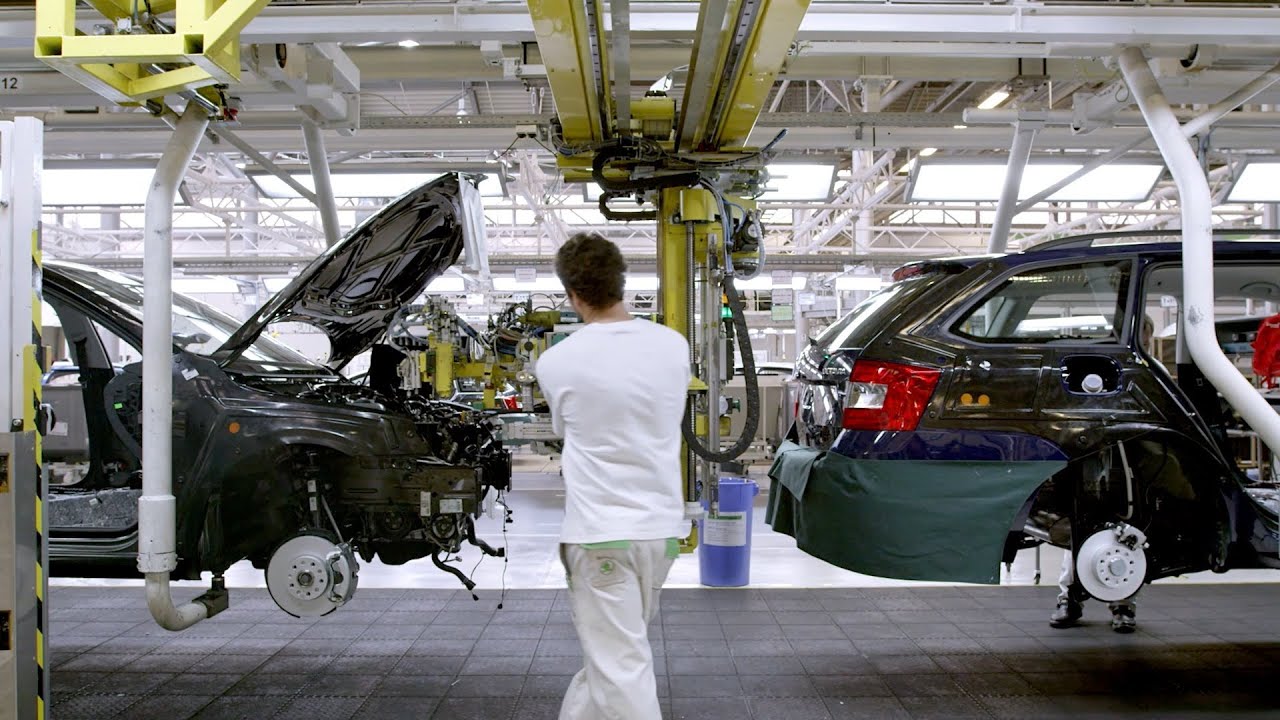
Automotive order cancellations hit ArcelorMittal Europe shipments
ArcelorMittal Europe saw steel shipments fall 8% on-year and 9% on-quarter in the third quarter to 7.55 million tonnes as a result of weaker demand amid late cancellations of orders by the automotive sector. Moreover, logistic constraints linked to severe floods in July also curbed shipments.
Crude steel production was up 15% on the previous year at 9.09mt, but this was down 3% on-quarter. Sales rose 60% on-year and 5% on-quarter to $11.2 billion and operating income was $1.9 billion, versus a loss of $341 million a year earlier and up 60% on Q2. Average sales price was $1,098/tonne versus $948/t in Q2 and $651/t a year earlier.
Steel shipments in the nine months through September were up 2% on-year to 24.86 million tonnes, while crude steel output rose 13% to 28.17mt. Sales surged 73% to $31.26 billion and operating income was $3.79 billion versus a year-earlier loss of $995m.
Strong steel prices helped ArcelorMittal post in Q3 its highest consolidated net income and lowest net debt since 2008 (see separate Kallanish story). Steel shipments however dropped 17% on-year and 9% on-quarter to 14.6mt.
Adam Smith Germany
