

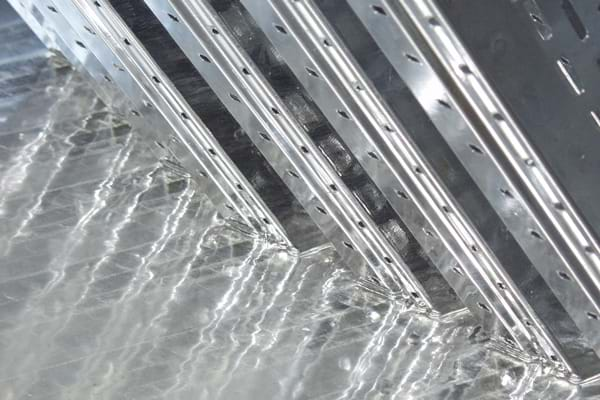
EU buyers’ HDG imports from Turkey still strong despite quotas, AD probe
EU buyers’ hot-dip galvanized coil imports from Turkey remained strong year-on year in October, showed the latest data from the Turkish Statistical Institute (TUIK). This was despite the pressure from EU quotas and ongoing AD probe on imports of HDG from Turkey.
The probe, however, has begun to raise some concerns among European buyers in recent weeks and has limited Turkish mills’ export volumes to the EU region notably, industry sources told S&P Global Platts. Pre-disclosure of the AD probe is expected on Dec. 24, while provisional measures, if any, will be imposed by the EC until Jan. 24, 2022.
Definitive measures could be announced on July 20, 2022, Platts learned from an European Commission document sent to Platts by a Turkish industry source.
According to the TUIK data, Turkish mills exported 263,900 mt of coated coil, most of them hot-dip galvanized coil, to global markets in widths of 600 mm and above in October, double year on year on base effect. This export figure was also 11,000 mt higher on the month.
EU countries remained Turkey’s top coated coil export destinations by far in that month, despite the dumping investigation that was opened in June and the quotas.
Spain became Turkey’s main coated coil buyer in October with 79,800 mt, 50,000 mt higher on the year, while Belgium imported 32,700 mt, around eightfold higher on the year.
Italy imported 24,100 mt of coated coil from Turkey over this period, more than double on the year, while the US was Turkey’s other main coated coil buyer with 23,400 mt, compared to 1,000 mt imported in October 2020.
Turkish mills’ other coated coil export destinations in October 2021 were: Bulgaria (14,500 mt), Greece (11,800 mt) and Romania (11,200 mt).
— Cenk Can

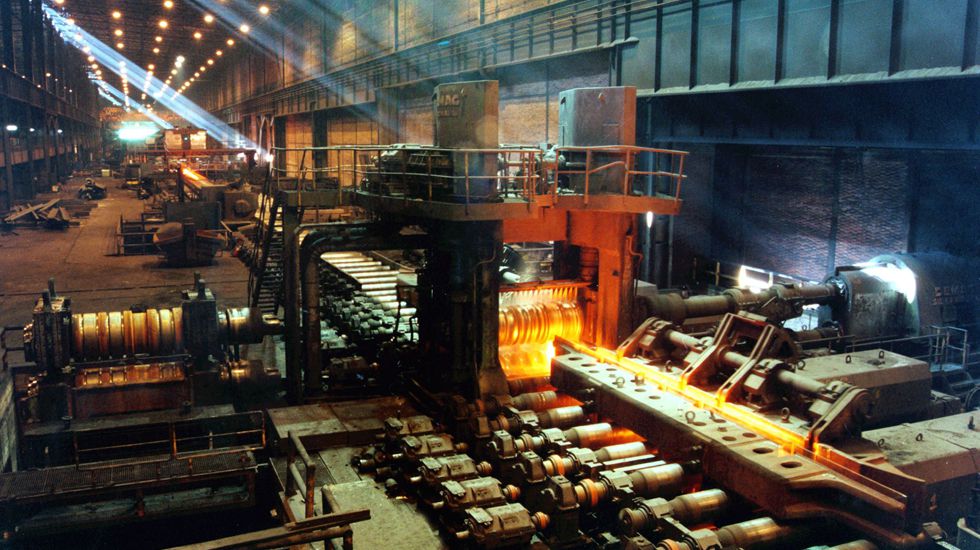
Krakatau fears bankruptcy by year-end
Krakatau Steel could go bankrupt by year-end if the several steps being taken to restructure the Indonesian state-owned enterprise’s debt fail, says Minister of Stated Owned Enterprises (SOE) Erick Thohir.
“Krakatau Steel must take three steps [to restructure], but the third step [blast furnace investment] is still deadlocked,” Thohir observes. “In addition, negotiations with Posco, one of the two reorganising firms, were also critical but not easy. If the two parties fail to reach an agreement three times in a row, the company faces bankruptcy.”
Thohir reveals that Krakatau was in negotiations with Chinese partners, but was put off by the excessive investment required, including to repair blast furnaces. In negotiations with Posco, the Indonesian government requires equity to be split equally, but Posco has not given any response to this proposal.
The South Korean steelmaker planned to invest $3.7 billion into Krakatau in two phases for the production of hot rolled coil, and new iron and steel production facilities (see Kallanish passim).
Krakatau Steel also made a plan to sell 40% of PT Krakatau Sarana Infrastruktur, its wholly-owned subsidiary, to repay debts. It would thus retain its status as a major shareholder after the transaction. However, it could also increase the share sale to 70%.
In addition, Thohir has encouraged the Indonesia Investment Authority, the so-called LPI, to invest in Krakatau Steel.
By Kallanish Team
