


Green steel transformation gathers pace heading into 2022
The shift towards “green steel” production is set to be an increasingly key theme for the steel industry in 2022, as countries and steelmakers compete and cooperate in the race to transform an industry that currently accounts for some 7% of global CO2 emissions.
With governments increasingly requiring, and offering support for, decarbonization of industry, and with the major consumers of steel products — the automotive, construction and white goods industries – demanding more zero-carbon steel products, the market for green steel is developing rapidly.
A number of projects have been launched in recent years, and more are likely to emerge in the coming year and beyond. In Europe, 60% of total EU steel output is still produced via the conventional, coal-dependent blast furnace-basic oxygen furnace (BF-BOF), while the remainder is produced using ferrous scrap or direct reduced iron as the main raw material in an electric arc furnace (EAF).
Expansion of green steel production can be achieved basically either by replacing coking coal with green hydrogen in the BF-BOF route, or by increasing the share of scrap-based EAFs using renewable electricity.
Scrap flows
One consequence of an increase in EAF-based production is likely to be greater restrictions on scrap flows as countries look to discourage exports of the valuable raw material, and more moves like Ukraine’s recent decision to triple the customs duty on steel scrap exports can be expected.
The European Commission in November published its long-awaited proposal on waste regulations, which did not propose a blanket ban on exports from the EU – collectively the largest exporter in the world – but did recommend stopping scrap exports to non-OECD countries that do not meet EU processing standards.
Europe is aiming to be the frontrunner in cutting heavy industry pollution with the aim to achieve net-zero carbon emissions by 2050 and most of its steelmakers are developing decarbonization strategies and running pilot projects to assess different production technologies.
Europe’s largest steel producer ArcelorMittal started to offer its first green steel solutions to customers in 2020, and will continue to scale up its offering in 2022 as it aims to deliver a 30% CO2 emissions reduction by 2030, and achieve net-zero by 2050.
Sweden is a frontrunner driving the transformation to green steel through two projects, Hybrit and H2 Green Steel.
Swedish steelmakers SSAB and LKAB and utility Vattenfall created Hybrit, or Hydrogen Breakthrough Ironmaking Technology, in 2016 with the goal of developing a technology for fossil-free iron and steelmaking. The project produced its first steel in late 2021 and aims to be supplying the market with zero-carbon steel at a commercial scale by 2026, after the conversion of SSAB’s Oxelösund BFs into an EAF.
The H2 Green steel, or H2GS, project will see the construction of a greenfield steel plant in northern Sweden, including a green hydrogen plant as an integrated part of the steel production facility. Production is planned to start in 2024 and rise to 5 million mt/year of high-quality steel by 2030.
In October, German steel stockholder Klöckner signed a distribution deal with H2GS to distribute up to 250,000 mt/year of green steel from 2025 to meet the expectations of customers pressing for a lower emissions supply chain.
Paying the premium
More deals between green steelmakers and buyers are expected in 2022 and onwards, as well as steel buyers becoming financial partners in green steel ventures to help meet the costs of the new technologies.
Due to the high cost of green steel technologies, steel mills are likely to seek government funding, as well as introduce extra charges to finance the higher production and equipment costs on the path to decarbonization. Surcharges are expected to become part of the new cost structure of green steel, which is expected to price at a premium to conventional steel.
Swedish special steel producer Ovako said that from January 2022 it will introduce a “climate surcharge” to support initiatives and new technology investments as its production goes carbon-neutral from January 2022.
International agreements
Meanwhile, inter-governmental deals will be a key driver of decarbonization efforts.
At the COP26 climate conference in Glasgow in November, the UK, India, Germany, Canada and UAE committed to support new markets for low carbon steel, cement and concrete. The countries pledged to achieve net-zero in major public construction steel and concrete by 2050, with specific interim targets for 2030 due to be agreed by mid-2022.
Perhaps more significantly, Europe and the US agreed at the end of October, just ahead of the COP26 conference, to end the steel and aluminum tariffs brought applied in 2018 under the Trump administration. The new agreement not only ended trade friction between political allies but also will allow them to address steel overcapacity.
European steel association Eurofer welcomed the arrangement between the US and the EU, describing it as potentially an important step towards a globally decarbonized industry.
“We welcome the announcement of the agreement which could be the starting point of a new, transatlantic partnership tackling global trade distortions and climate change together, addressing the inter-linkage between both,” European steel association Eurofer said.
“State-supported steel production and capacity built with CO2 intensive technologies contribute significantly to climate change… The arrangement between the US and the EU is therefore the first important commitment towards a global, market-based and decarbonized industry.”
— Annalisa Villa

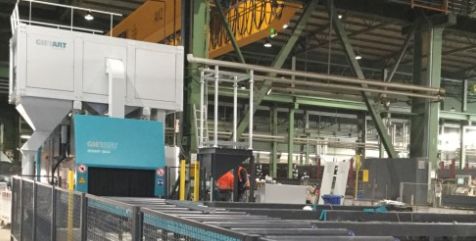
Ukraine’s Jan-Nov crude steel output rises 4.9% on year
Ukraine’s output of crude steel increased by 4.9% on the year to 19.62 million mt in January-November from 18.71 million mt produced in the same period a year ago, Ukrmetallurgprom, the country’s steel making industry association, reported Dec. 14.
At the same time, output of pig iron increased by 4.5% on the year to 19.43 million mt, production of rolled steel rose 5% to 17.55 million mt and output of steel pipes and tubes increased by 16% to 910,000 mt.
Over the first 11 months of the year, Ukraine’s coke output fell 1% to 8.73 million mt from 8.82 million mt, but production of sintered iron ore increased by 4.7% to 30.34 million mt from 28.99 million mt in January-November 2020.
Ukrainian enterprises exported 40.67 million mt of iron ore and concentrate in January-November, down 2.8% year-on-year.
Ukraine is one of the world’s largest producers of iron ore and steel.
Ukrainian metal companies in January-November increased earnings from exports of ferrous metals by 81% to $12.62 billion from $6.98 billion in the same period last year, according to the state customs service.
In January-November, the country’s metallurgy sector consumed 1.72 billion cu m of natural gas, up 0.9% on the year, and power consumption rose 3.6% on the year to 10.45 billion kWh. Consumption of coke rose 3% on the year to 7.67 million mt, but consumption of coking coal fell 2.6% to 11.83 million mt, the association said.
Ukrainian metallurgy enterprises also collected 3.54 million mt of ferrous metal scrap in the period, up 34% on the year.
As of Dec. 14, out of 21 blast furnaces, 15 were in operation in Ukraine, the association said. Also were in operation seven out of eight open-hearth furnaces, 10 out of 16 converters, five out of 15 electric furnaces and 14 continuous billet casting machines out of 17 were also in use.
In 2020, Ukraine’s output of crude steel fell 1.1% to 20.62 million mt from 20.85 million mt in 2019.
— Alexander Bor

Brazil flat steel distributors’ shipments fall 16% on year in November
Shipments by Brazilian independent flat steel distributors and service centers dropped 16% on the year, or down 3.8% on the month, to 282,200 mt in November, according to data from the national flat products distributors association Inda on Dec. 14.
On the other hand, purchases fell 2.9% on the year, or dropped 1.1% on the month, to 283,000 mt in November.
“Distributors had discipline to not increase inventories, due to a certain instability on [domestic] prices],” said Carlos Loureiro, executive president of Inda, adding that a downward adjustment in prices is more likely than upwards.
Flat product inventories in the Brazilian distribution network totaled 827,100 mt compared with October. The average inventory-turnover was 2.9 months of supply.
Finished flat steel imports rose 143.2% on the year in November to 241,507 mt, mostly from China (59.1%).
“There is still a significant volume in the ports awaiting to dock and to be internalized. This situation will probably be normalized by Feb. 2022,” said Loureiro.
For the next year, Loureiro expects an increase of sales of about 3%, after a fall of up to 2% this year. “We grew more than the steel market in 2020, and this year it was offset. For 2022 it is expected a normalization, with a growth aligned with Brazil’s steel market.”
— Jose Guerra
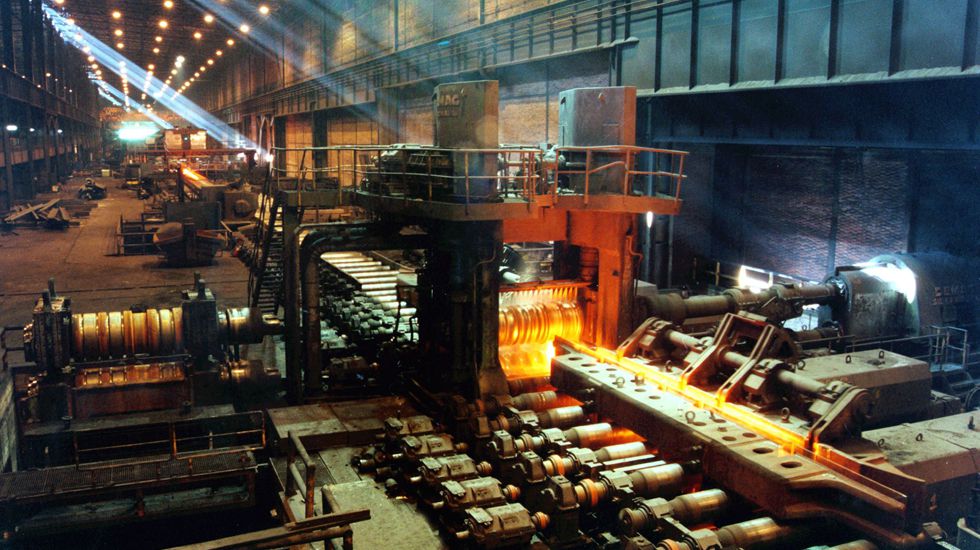
ArcelorMittal invests in green electricity at Fos-sur-Mer
ArcelorMittal Fos-sur-Mer is teaming up with French energy firm Reservoir Sun to produce renewable electricity in line with its objectives of decarbonisation. The steelmaker is installing 12,000 solar panels over two buildings in the Fos-sur-Mer complex.
The solar farm will become operative next year and will have a capacity of 4.6 megawatts.
“The electricity produced will be sent to RTE’s public network and will thus contribute to the objectives of the climate plan for the South Provence-Alpes-Côte d´Azur Region…The two buildings that host this project are used to store finished products (coils and steel sheets) before their shipment by rail and road (respectively 24% and 6% of shipments from the site in 2020). These buildings will remain in operation for the duration of the work,” ArcelorMittal says in a note.
Reservoir Sun, a joint venture between Engie and GreenYellow, will maintain and operate the infrastructure, Kallanish notes.
Natalia Capra France

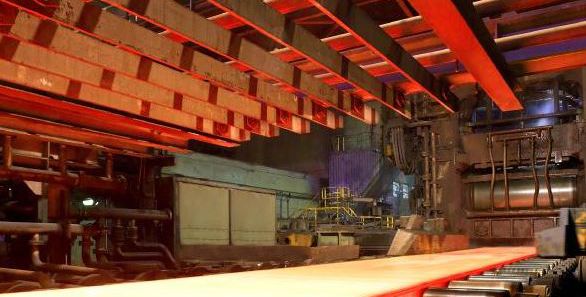
Acciaierie d’Italia confirms 2025 production target
Acciaierie d’Italia, the joint venture between ArcelorMittal and state-owned Invitalia, will produce 8 million tonnes in 2025, the management confirmed during a meeting with the unions and authorities at the Ministry for Economic Development Ministero dello Sviluppo Economico (Mise) in Rome.
Acciaierie d’Italia’s president Franco Barnabè and ceo Lucia Morselli revealed that the key element of their 10-year industrial plan for the Taranto steelwork is complete decarbonisation that will be achieved using green hydrogen at the end of the decade, Mise says in a note. The plan also involves transitioning from the integrated steelmaking route to the electric arc furnace route.
The total investment to upgrade Taranto over the next years will stand at €4.7 billion ($5.3 billion), Morselli said. The main objectives of the plan are production continuity in the coming years, the return to full employment by 2025 and achieving environmental sustainability of steel production through the transition from coal to hydrogen complemented by the use of electric arc furnaces and a new direct reduced iron facility. The final aim is “to obtain a competitive product on the market, in terms of quality and cost, which will allow us to reach the levels of production growth expected of 8mt by 2025. By this date, investments in innovative technologies, some already started, will already allow a reduction of about 40% of CO2 and 30% of fine particles,” Mise explains.
While no more details were revealed, minister Giancarlo Giorgetti said that the industrial plan outlined during the meeting is “realistic” but not easy to implement, as the transition to hydrogen in steelmaking will need time, Kallanish notes.
The Taranto steelworks has mothballed blast furnace No.4 from 1 December because of a technical issue. Meltshop No.1 is also idled, together with continuous casting units No.1 and 5. BF No.4 and the rest of the idled equipment is planned to be restarted on 20 January. Acciaierie d’Italia posted approximately 4.4mt of output in 2020. Unions believe the target of 5mt for this year may not be reached.
Natalia Capra France
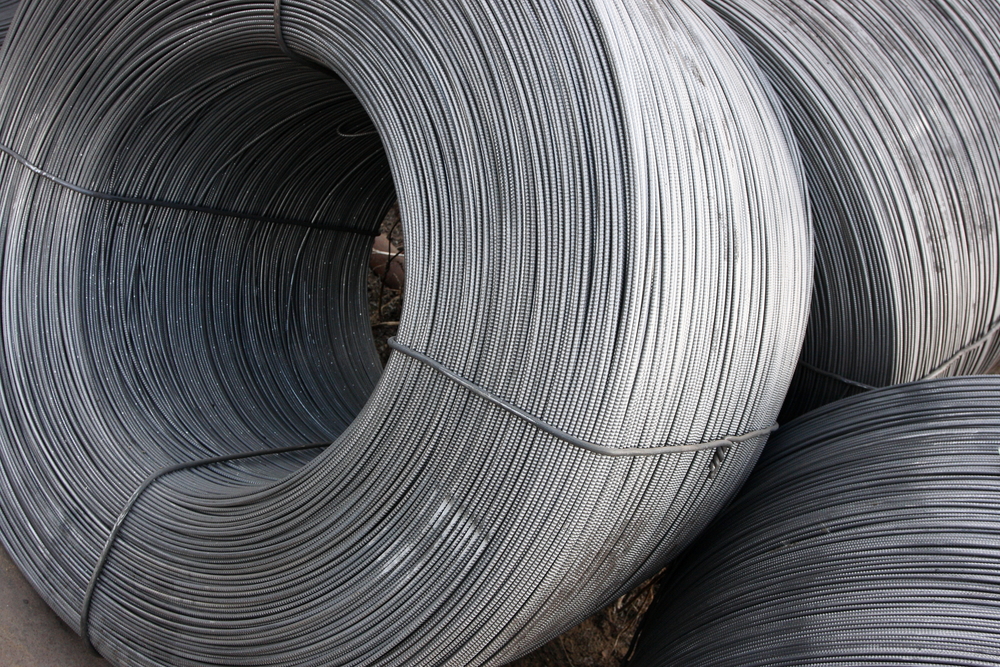
Early 2022 EU longs prices to increase: mill source
The European longs market has been moving erraticly in H2 2021, with prices in North Europe lately stabilising and some upward trends reported in Italy after a softening period. As 2022 approaches all eyes are now on energy and natural gas costs, considered by steelmakers high enough to justify a further increase for longs.
A source at a large steelmaker in Europe noted that demand and high input costs will force EAF steelmakers to lift longs prices further going into Q1 2022.
“We calculated that energy and natural gas costs for an EAF on 10 December were up by €200/t compared with Q1 2021,” the source said to Kallanish. “In mid November the increase was of €115/t compared with Q1 2021, but prices have continued to increase during the last month.”
The demand forecast for long products in Europe remains good as the construction sector is performing well across the continent and a further recovery is expected in 2022. In its latest forecast Euroconstruct said 2022 construction activity in Europe should increase a further 3.6% y-o-y in 2022.
“Since the end of the summer EAF-based mills have been applying selective hourly stoppages when the price of the energy reaches its peaks. If the price of finished longs does not increase further we expect the supply to be reduced further,” the source added. “Observing the forward prices for energy we can say without a doubt that in Q1 2022 costs of energy will continue to rise, forcing the steel market to accept new increases.”
Emanuele Norsa Italy
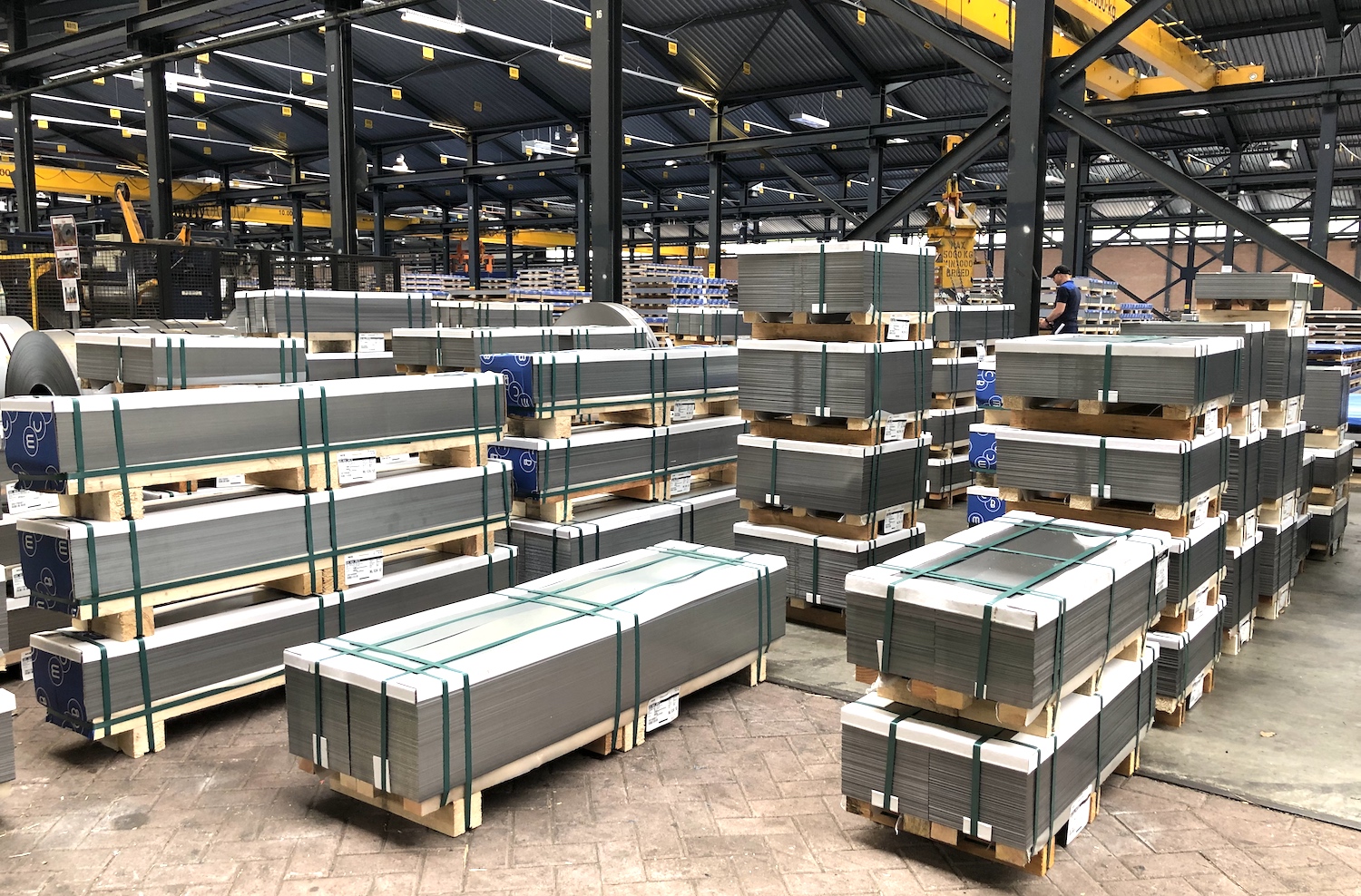
Steel Technologies agrees to purchase Calstrip Industries
Kentucky-based processor Steel Technologies is set to acquire flat rolled processor Calstrip Industries. Financial details were not released.
Once the deal closes later this month, Steel Technologies’ portfolio will include 31 facilities, including joint venture operations, throughout North America. Steel Technologies is owned by NuMit LLC, a 50-50 joint venture between steelmaker Nucor and Mitsui & Co USA.
Calstrip supplies flat rolled carbon steel, stainless steel, galvanized, pre-painted, and aluminium through its facilities in California, New Mexico, Texas, and Arkansas. Its end markets include the appliance, electrical lighting, construction, HVAC, and automotive industries.
“This acquisition supports our dynamic growth strategy by deepening our ability to serve key customers in the southwest US and northern Mexico markets,” comments Steel Technologies president and ceo Thad Solomon in a news release seen by Kallanish.
Laura Miller USA

Reliance acquires Admiral Metals
Service centre chain Reliance Steel & Aluminum has acquired northeastern metal distributor Admiral Metals, Kallanish learns.
In a statement today, Reliance announced the acquisition of Admiral Metal, for an undisclosed amount, as part of the company’s ongoing growth strategy.
“Admiral Metals fits within Reliance’s growth strategy and disciplined methodology of acquiring companies that are immediately accretive to our earnings, and complements Reliance’s existing business by increasing our product breadth,” explains Reliance ceo Jim Hoffman.
Admiral Metals, based in Woburn, Massachusetts, is a distributor of aluminum, brass, bronze, copper, and steel products for a wide range of end markets. Admiral operates eight service centre locations throughout the eastern US, distributing metal products to the semiconductor, automotive, medical, infrastructure, aerospace, and industrial markets. In 2020, the company’s net sales reached $134 million.
“We believe this acquisition will enable Admiral Metals to leverage Reliance’s scale in order to capitalise on further growth opportunities while maintaining its strong brand recognition,” Hoffman adds.
Zach Johnson USA