

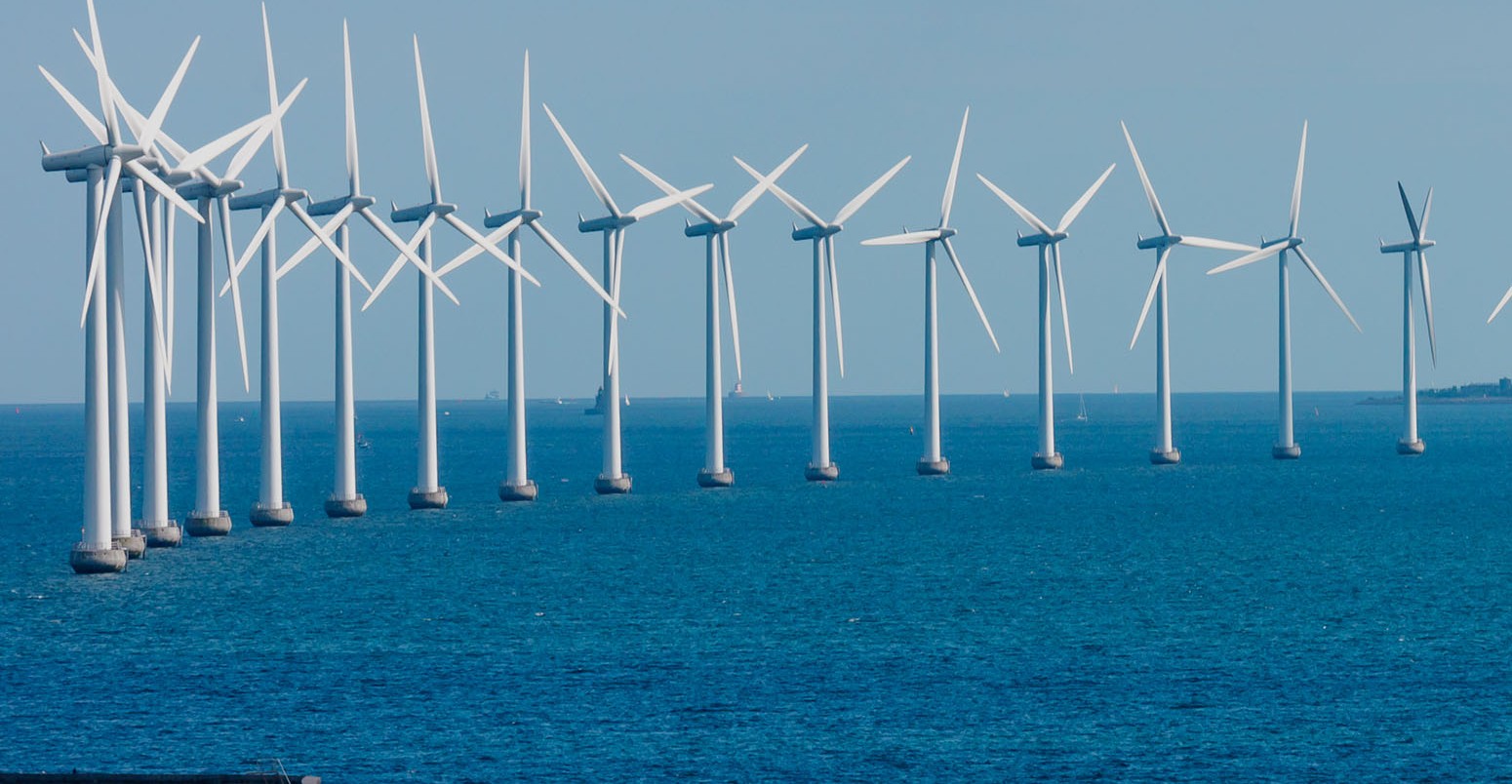
EU imposes duties on Chinese steel wind towers
The European Commission has imposed definitive anti-dumping duties on Chinese steel wind towers. The measure will benefit European producers of steel wind towers and is set to be welcomed by the European steelmaking industry, Kallanish notes.
The duties imposed are of 7.2-19.2%. “The investigation has confirmed that imports of steel wind towers from China at an annual value of €300 million were taking place at dumped prices, causing economic damage to EU producers. Steel wind towers are an important component of wind turbines, which are essential for wind energy production and for the transition to green energy,” says the official statement from the European Commission.
The investigation was launched in October 2020 and was welcomed by Eurofer, the European steelmakers association. “Maintaining and developing the steel-based industrial value chain in Europe is key to both the survival and sustainability of the European steel industry, but also of the sectors downstream of it,” Eurofer director general Axel Eggert said at the time of the investigation being opened.
Chinese imports of steel wind towers during July 2019-June 2020 represented some 34% of the total market share in Europe, up from the 25% market share registered in 2017.
Emanuele Norsa Italy


European Commission starts new safeguard measures review
The European Commission (EC) says it is starting a fresh review of existing steel safeguard measures. The review will be concluded by June 2022 and aims at ensuring measures are still “adapted to market evolution and in line with the interest of all stakeholders”.
In the review, the Commission will look into a number of factors, including allocations of quotas and the current, 3% level of annual liberalisation of the safeguard quotas.
The review will also focus on the new trade agreement between the EU and the US for steel products. “The Commission will examine whether any changes to the US Section 232 measures have a significant impact on the unduly diverted trade flows generated by the US Section 232 measures,” the EC explains.
Additionally, the review will look into the existing exclusion from safeguard measures of certain developing economies. According to the measures in place, WTO developing countries are excluded from the measures, unless their import share for a specific product reaches 3%.
“In the review investigation, the Commission will thus review whether imports from a developing WTO Member exceeded the 3% threshold in the relevant period (namely, the year 2021) and, if needed, update the list of developing countries that are WTO Members and that should be included in, or excluded from, the scope of the measure,” the EC adds.
Vietnamese hot-dip galvanized coil, for example, could well be added to the list of products impacted by safeguard measures, sources tell Kallanish.
Emanuele Norsa Italy
German steel off a bit in November as EAF output continues to slide
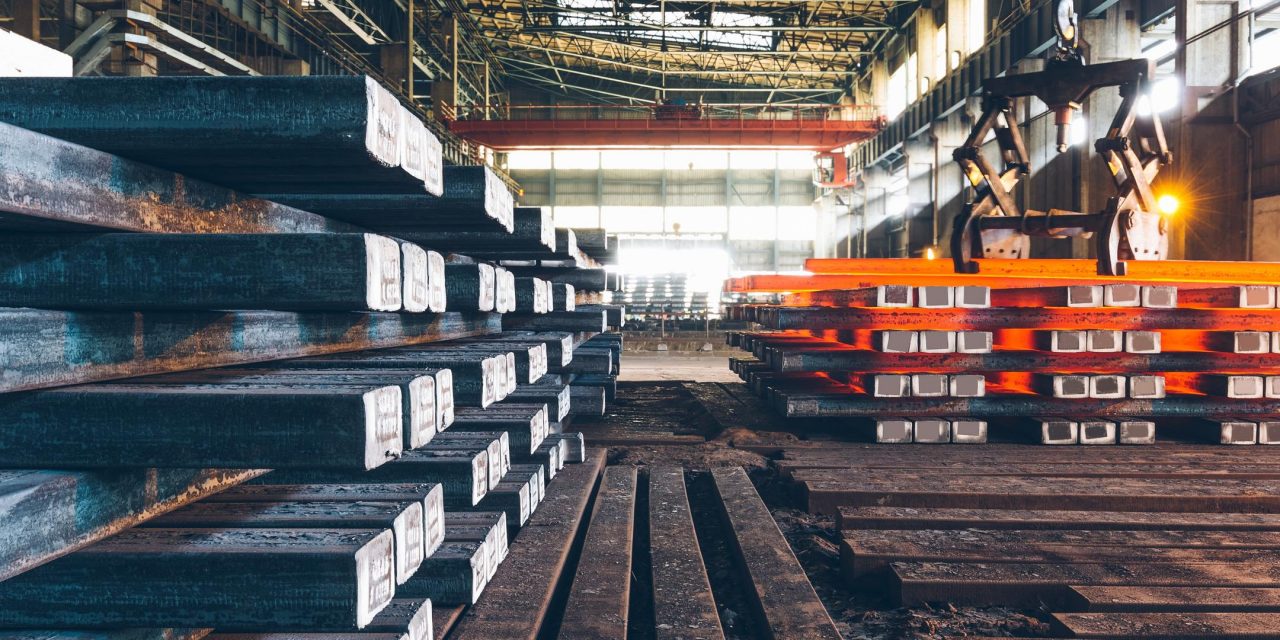
German crude steel production in November fell 0.3% year on year to 3.4 million mt as electric arc furnace production continued to fall steeply, according to data published Dec. 20 by German steel federation WV Stahl.
The monthly volume was also down 7.9% from the 3.7 million mt crude steel produced in October.
Year-to-date output was up 13.5% to 36.9 million mt, as the industry continued to recover after pandemic-related shutdowns.
Electric arc furnace output continued to fall in November due to high energy costs and supply chain problems, with 30.1% of the total volume being produced by EAFs, down from 33.3% a year ago and 31.0% the previous month.
EAF output was down 9.8% on the year and slipped 10.6% from October to 1.01 million mt, although the year-to date EAF volume was still up 6.5% to 11.5 million mt.
German steel mills produced 2.35 million mt of crude steel in November using blast furnace-basic oxygen furnace, up 4.5% year on year but down 6.7% from October, with the January-November volume up 16.9% on the year to 25.4 million mt.
Pig iron production rose 5.1% on the year, but dropped 4% on the month in November to 2.2 million mt, while hot-rolled steel products increased 4.3% year on year to 2.8 million year on year, which was down 8.4% from the previous month.
Looking ahead, a Benelux service center source told S&P Global Platts: “Mill production will be stable, it’s risky if they will still produce when inventories are so high. Automotive demand optimism is returning, the market says they’re doing well and it will be better in first quarter — [production] is really dependent on this.”
The source added that the surge of COVID-19 cases in Europe could impact staffing at mills, leading to “big problems” for production.
A second Benelux service center source said that most mills were booked for January-February so he did not expect any production ramp-up in the new year.
“Imports are risky because of pending duties, quotas. People are not in a hurry to buy, mills are not increasing prices,” the second source said.
— Jacqueline Holman, Amanda Flint


Germany’s November steel sales drop 9% on year
German steel product sales fell for the third straight month in November, dropping 9% year on year to 887,448 mt, data from German steel stockholders’ association BDS showed Dec. 20.
Steel demand has faltered over the past few months, due to weak auto production and a slowdown in the run up to Christmas.
The monthly sales volume was, however, up 2.6% from October, when it reached a five-month low.
About 59.2% of November sales were of flat products at 524,989 mt, down 11.7% year on year, but up 2.8% month on month.
Sales of long products comprised 32.2% of the volume at 285,676 mt, down 2.1% on the year, but up 6.8% on the month.
Stocks hit four-month low
Stocks of German steel products in November reached the lowest level since July at 2.1 million, up 6.5% year on year, but down 3.5% compared with October, the BDS data showed.
Flat products made up 62.8% of total inventories in November at 1.3 million mt, up 11.4% on the year, but down 1.6% on the month.
Long products stocks were at 730,652 mt in November, or 34.6% of the total inventory, the lowest level since December 2020, down 1.5% year on year and 6.3% month on month.
German steel federation WV Stahl also released its production data Dec. 20 that showed that crude steel output dipped 0.3% year on year in November to 3.4 million mt, and was 7.9% lower than October’s volume.
Although production was relatively stable and inventories high due to the weakness at automakers, market sources were monitoring European mills’ ability to increase production if automotive demand rebounds in 2022. There was little buying urgency in Europe currently, with lead times as short as five-six weeks.
“Most of the downward pressure is from imports – inventories are very high. Most mills are booked for January-February, so no production ramp up is expected,” a Benelux service center source said.
“Stocks at warehouses are more than full, when we look at demand December is slowing down now,” a second Benelux service center source said. “Imports are available, but if I buy from any EU mill I can get material for February latest March.”
— Jacqueline Holman, Amanda Flint