

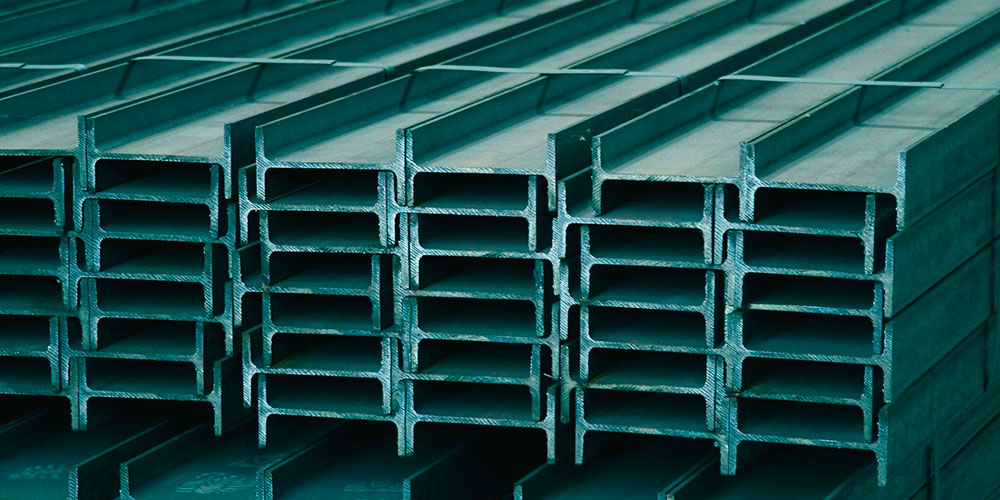
Italian steel output hikes again
Italian crude steel output increased again in November after rising in previous months, according to data issued by local steelmakers association Federacciai.
Last month, crude steel production rose by 6.3% year-on-year to 2.1 million tonnes, Kallanish notes. Output also hiked in the first 11 months of the year, by 22% on-year to 29.9mt.
Italian flat steel production rose by 14.5% to 1mt in November, and by 18.3% to 10.2mt in the first 11 months of the year.
Longs output also increased last month by 6.7% to 1.1mt, and rose by 23.8% to 12.7mt in January-November, Federacciai says.
Natalia Capra France

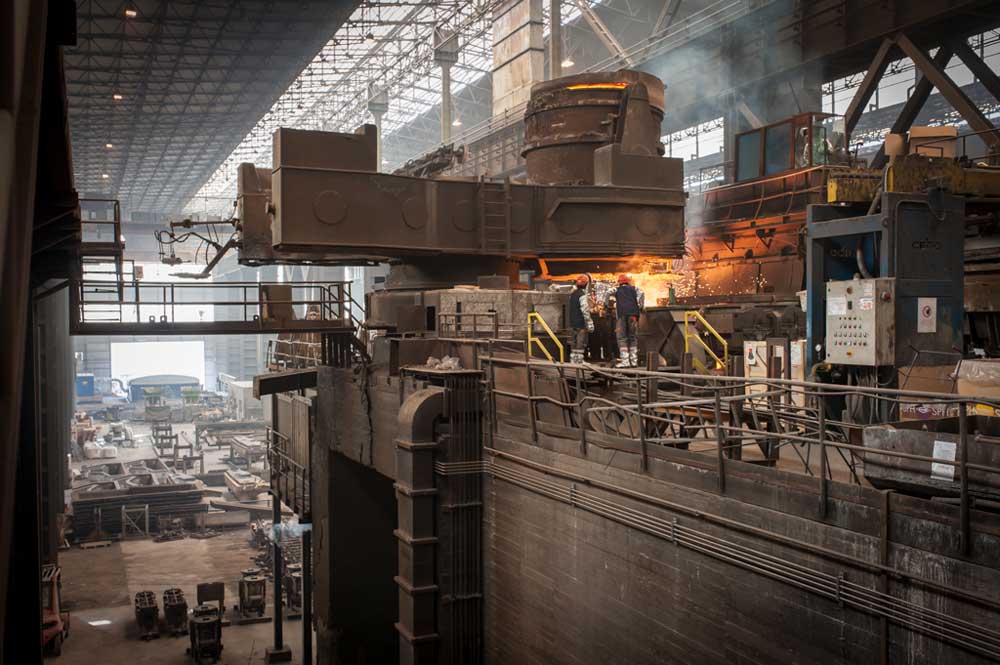
Galati hot strip mill automation boosts productivity
Liberty Galati has invested €5.5 million ($6.2m) into the automation of its hot strip mill’s roughing stand and pusher furnaces, which will increase the line’s productivity. It is also replacing all old transformers with modern ones to improve environmental footprint.
The investment will also better integrate technical and operational decisions, improve the quality of coil, and strengthen safety processes, the firm says.
“2021 is the first year we have been really able to see the impact of the modernisation and operational efficiency,” Galati executive director Prasanta Mishra says in a note seen by Kallanish. “The Hot Strip Mill team’s results prove their commitment to deliver both the quality and volumes demanded by customers.”
The Galati steelworks increased third-quarter production by 20% year-on-year. By the end of 2021 the firm will have hired almost 650 new employees this year, with 100 new roles created by increased production, as well as ‘greensteel’ transformation digitalisation and automation projects (see Kallanish passim). Production is expected to reach 3 million tonnes this year.
Adam Smith Germany
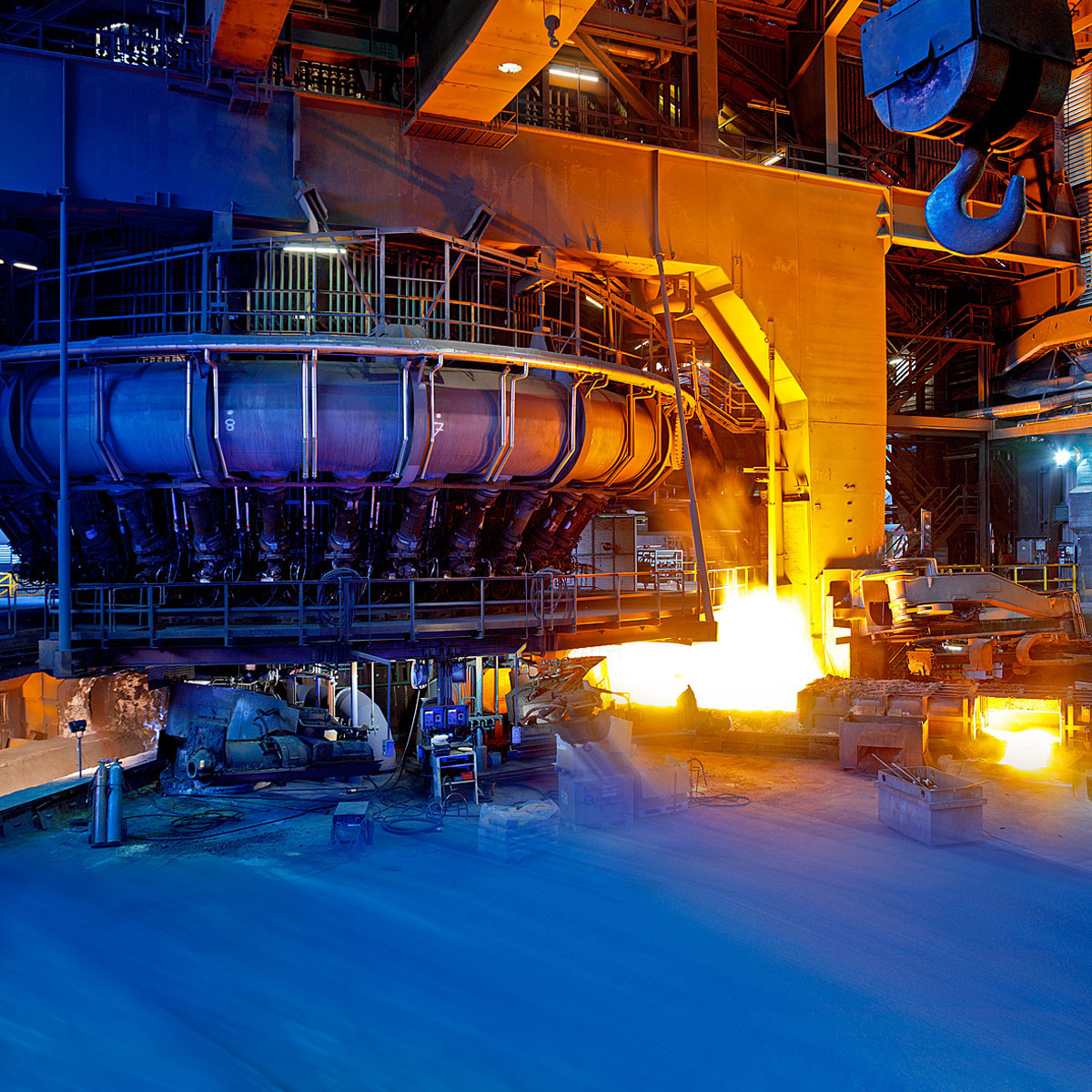
Assofermet seeks government intervention in rising electricity costs
Italian trade association Assofermet has asked the government to come up with urgent measures to combat the skyrocketing increases in costs of electricity and gas.
In a letter to authorities seen by Kallanish,the association voices its satisfaction over the government’s recent actions on the issue. However, there is an evident need to conceive structural measures to allow companies to plan for the future on a solid basis, Assofermet says. “The European Council failed to find an agreement on energy prices [in last week’s meeting]. We are confident that the executive led by Mario Draghi will succeed to implement measures as soon as possible that can permanently sort out the issue,” Assofermet says.
Italy is impacted by increased energy prices more harshly than other nations. The country’s energy price index, the so-called Prezzo Unico Nazionale PUN, stood on 20 December at €340/MWh ($384), up from €70/MWh only six months ago. The French value was €217/MWh on the same day, the Spanish figure was €200, the German index stood at €177, and the Scandinavian countries’ index was at €90.
Assofermet’s letter calls for a selective approach that avoids further increases that will compromise the steel value chain.
In a virtual presentation last week, Alfa Acciai chief executive Amato Stabiumi said he sees 2022 as “a question mark” due to the high cost of gas and electricity the company will have to face.
This year has been a better year compared to 2020 in terms of turnover and margins, but since October Italian steelmakers have had to pay an increase on electricity and gas prices of over 500% (see Kallanish 14 December). Italian longs producers and distributors have increased their prices significantly since electricity costs started to climb and forecast they will be strongly impacted in 2022.
Natalia Capra France
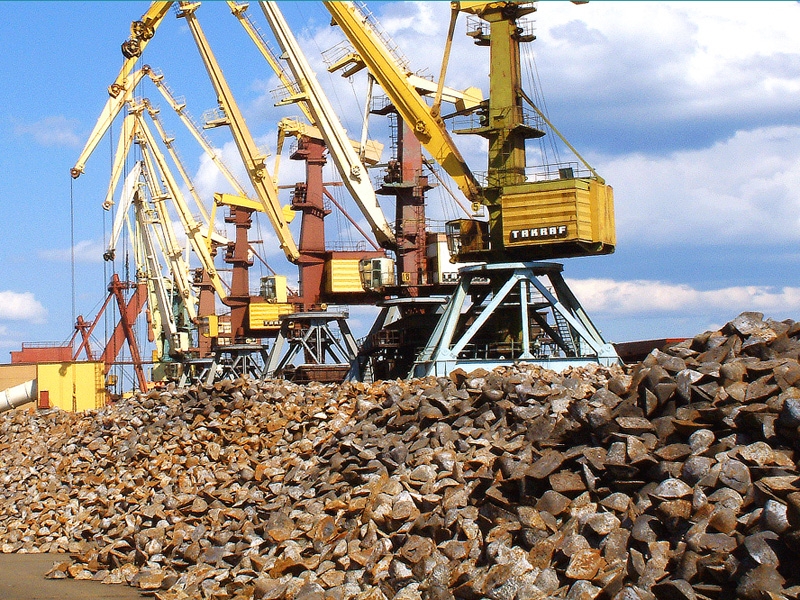
Iron ore marches on as output hikes
Seaborne iron ore prices have again charged higher on an expected recovery in steel output this month and in the first and second quarters next year. Early December output is already increasing, as predicted by Kallanish’s own data.
The Kallanish KORE 62% Fe index increased $3.47/t to $119.37/dry metric tonne cfr Qingdao. The Kallanish KORE 65% Fe index appreciated $3.93/t to $138.67/dmt cfr, and the KORE 58% Fe index went up $2.71/t to $89.42/dmt cfr.
On the Dalian Commodity Exchange May iron ore settled up CNY 2/t at CNY 684.5/t ($107.42/t), while on the Singapore Exchange January 62% Fe futures settled up $4.61/t at $124.49/t. The same contract for 65% Fe and 58% Fe futures settled up $4.84/t at $144.85/t, and up $4/t at $84.95/t respectively.
Chinese scrap and billet prices have also been moving higher. 6mm+ heavy scrap delivered to mills in the Yangtze River Delta gained CNY 41/t from Friday to CNY 3,534/t on Monday. Tangshan billet meanwhile increased CNY 60/t since Friday to CNY 4,420/t.
According to the China Iron and Steel Association (CISA), daily crude steel output at its member mills was up 12.66% from late November in the first ten days of December at 1.934 million tonnes/day. That was the highest output since mid-September. As noted in Kallanish China Steel Intelligence, satellite data monitoring of blast furnaces around Tangshan and elsewhere already began to show the recovery in output at some mills since the end of November.
Steelmakers have hit their production reduction targets and many, though by no means all, are ramping up output to cash in on strong steel margins before the end of the year.
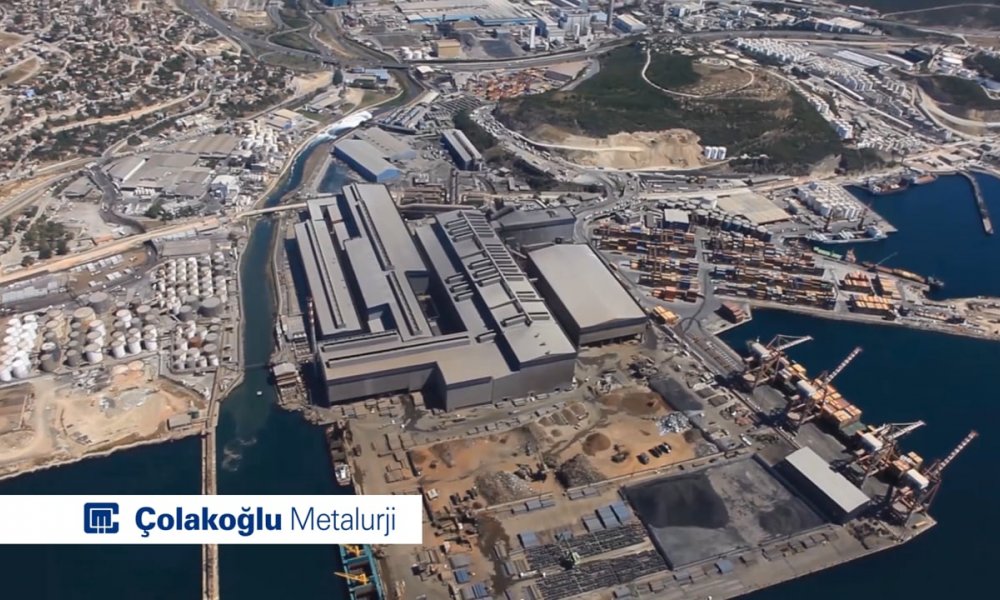
Turkish steelmaker Colakoglu aims to raise capacity by 50% by end-2022
Major Turkish steelmaker Colakoglu is to raise its output capacity by 50% to 4.5 million mt by the end of 2022, CEO Ugur Dalbeler told S&P Global Platts Dec. 20, adding that the company has already started investment in the project.
Colakoglu is also aiming to cut its CO2-emissions and costs with a new technology supplied by Smart Steel Technologies (SST).
“In doing so, we are convinced of the importance and necessity of using new technologies in the future-proof steel production process. Thanks to the use of SST software, Colakoglu will be able to achieve maximum cost savings and take an indispensable step to-wards the digitalized and CO2-neutral future in steel production,” the CEO said.
Colakoglu started production of special grades of stainless sheet in October 2020, in line with the company’s target of focusing more on value-added steel.
With the rise in Colakoglu’s HRC production capacity and a new 3.5 million mt HRC mill project by another major Turkish steelmaker, Tosyali Demir Celik, installed HRC output capacity in Turkey is expected to exceed 23 million mt in the coming years, which is set to limit the country’s HRC import volumes.
Russian steel giant Magnitogorsk Iron & Steel Works also resumed operation of its 2.3 million mt/year hot mill at MMK Metalurji in Turkey in July this year.
— Staff, Cenk Can

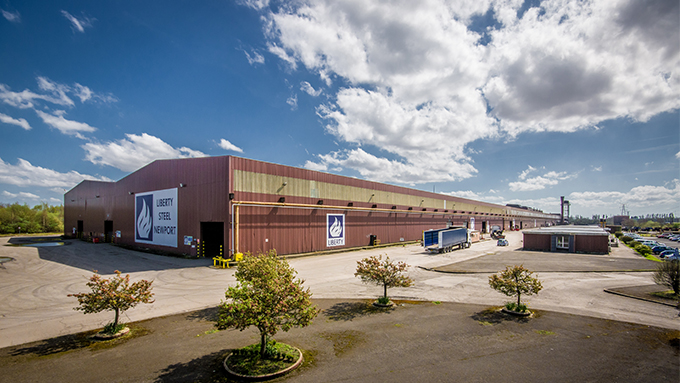
Liberty Steel Ostrava to boost hot strip mill capacity to over 1 million mt
Czech steelmaker Liberty Steel Ostrava said Dec. 21 that it will invest almost Koruna 1 billion ($44.7 million) in a revamp of its hot strip mill to boost its capacity to over 1 million mt/year from the current 0.75 million mt/year.
Replacement of many parts at the current mill by the end of 2023 “will improve the reliability and sustainability of the operation of the plant’s Steckel mill, ensure the desired quality of its products and increase its capacity utilization to more than 1 million mt a year,” the company said.
The Ostrava strip mill, which began operation in 1999, is the only producer of hot rolled strip steel in the country. Its product offer includes structural steels, cold forming steels, micro-alloyed steels, weathering steels, carbon steels and steels for pressure vessel applications.
Director of the hot strip mill, Jan Pudich, said the modernization will improve the quality of the final flat rolled product. “The implementation of the range of individual upgrades will improve the mechanical properties of the hot rolled strip, remove surface defects and ensure precise adherence to its geometic shape,” he said in the statement.
A shutdown of at least two weeks at the mill will be required in the spring and fall of 2023, while key stages of the modernization are taking place, the company added.
Liberty Steel Ostrava is the biggest steelmaker in the Czech Republic, with annual steel production capacity of around 3.6 million mt.
The company said in its latest financial statement Aug. 26 that it shipped 684,000 mt of steel products in the second quarter of the year, a rise of almost 80% on the same period a year earlier and 26% higher than the first quarter of 2021.
Strong demand for flat products from the hot strip mill over the previous six-month period was one of the main causes of the rebound in production and sales, the steelmaker said.
— Chris Johnstone

European HRC market muted as sources don’t expect collapse in new year
The European hot-rolled coil market was stable Dec. 21 with only a few more days until Christmas, and the market was still relatively quiet in terms of transactions. Mills were heard to be making discounts here and there to maximize orders for Q1, while buyers were looking to resist in anticipation of potentially lower steel prices, sources told S&P Global Platts.
An Italy-based service center source said he had no difficulty with selling, though he was waiting until January to make additional orders. Italian mill offers for HRC were heard at Eur890/mt ex-works Italy and a tradable value at Eur845/mt ex-works Italy. Prices for hot-dipped galvanized were heard at Eur1,095/mt ex-works Italy and cold-rolled coil at Eur1,000/mt ex-works Italy.
A German service center source said he didn’t see a collapse in prices after the hefty declines seen over the last few weeks and added that it was natural to see a come-down after the market “overheated” over the summer.
“Demand is still strong, end-users are still running; COVID-19 won’t be a problem — nothing will happen dramatically as prices already corrected to a normal price,” the source said. “Mills have good margins. They have better margins than they did in the last 10 years, so they should be happy.”
The period of high European prices over the summer was good news for mills that struggled to recoup substantial profits since the height of the financial crisis in 2008-09. The transition toward carbon-free steel production had been the impetus for keeping prices elevated, but as Q4 now winds to a close, those price levels have started to slip away.
“Producers made the mistake of increasing prices without any reason, not sustainable and not coming from a cost perspective — it was just to increase own profit,” the same source said. “It lasted too long.”
The added pressure from cheaper imports waiting to be customs cleared before the start of the new year has also had domestic players fearing a further collapse in price, with the eventual exhaustion of the “other countries” quota in Q2 expected to be a significant deciding factor in Italian pricing direction.
— Amanda Flint

Russia’s Rosneft to build steel plate and pipe mill
Russian oil company Rosneft said Dec. 21 it will build a 1.5 million mt/year steel plate and pipe mill that will cater to major Russian shipyard Zvezda and help balance the country’s large diameter pipe and wide plate capacities.
Rosneft, which heads the consortium of investors developing the Zvezda shipyard, is about to break ground on the Primorsky Metallurgical Plant (PMZ) in Sukhodol Bay near Bolshoy Kamen in the south of Primorsky Krai, Russia’s Far East.
The steel rolling plant project is owed to Russian President Vladimir Putin’s instruction to provide Zvezda with large steel plates. In 2024, the shipyard will require 350,000 mt of steel. Rosneft said it has completed a feasibility study of the project and is working on the optimal plant layout.
The project will be developed in two stages. The first provides for the installation of 5,000 mm wide plate rolling mill. A large diameter pipe (LDP) welding line will be added in the second stage.
Plates up to 4.2 meters wide and up to 24 meters long made of cold-resistant steel grades will make up the bulk of the output of the mill. Some 200,000-220,000 mt/year will be made up of LDPs. A part of its output will be distributed in Russia’s Far Eastern district, with excess expected to be exported.
Reductions in costs
Steel could absorb up to 20% of the manufacturing cost of a tanker. Having captive plate (although this will be made from outsourced slab), along with minor transportation expenses will significantly reduce overall shipbuilding costs and through that the price of the final product, according to Rosneft.
Also, using 24-meter-long plates means fewer welds in vessel bodies, ensuring a more robust structure and faster construction.
Zvezda carries out large-block assembly and employs Goliath cranes with 1,200 mt carrying capacity. Using plates of large dimensions is key to its technological process, Rosneft said, explaining how the shipyard benefits from having an affiliated plate mill.
To enable the mill’s operation, Rosneft will need to build a sea berth, a road and a rail link, and it will have to invest in housing for employees, building water and energy supply networks, power lines and gas pipelines. The plant’s total electricity demand is estimated at 120 MW. It will employ 1,500 people.
Rosneft will then become Russia’s sixth LDP manufacturer and fourth 5,000 mm wide plate producer.
Russia’s plate capacity
The project, if realized, will take Russia’s wide plate capacity to 5 million mt/year and LDP capacity to 5.4 million mt/year, which would be the equivalent to just over half of the global LDP market envisaged at 10 million mt/year by 2024-25, according to a forecast by Russian steelmaker Severstal.
Today, Russia’s LDP capacity stands at 5.9 million mt/year, representing the combined total of five market players, including Severstal, OMK and Zagorsk Tube.
The usable capacity is therefore 5.2 million mt/year, but even this figure does not represent the maximum possible output – the latter is limited by a third as the combined capacity for wide plate (LDP feed) of its domestic producers MMK, OMK and Severstal is only 3.5 million mt/year, but even more limited by demand.
According to Severstal, the world’s LDP production is likely to grow only marginally this year, to 7 million mt, but the steelmaker expects it to jump to 9 million mt/year in 2022-23.
The growth in demand is expected to be driven by:
- A recovery to 2 million mt/year in Russia, up from 1.4-1.5 million mt/year in 2020-2021.
- An increase to 1.4 million mt in 2022, up from this year’s 1.1 million mt in Europe.
- An uptick to 350,000-400,000 mt/year in 2022-23 in South America.
- And an increase to 1 million mt/year in 2022-23 in the US.
— Ekaterina Bouckley