

Schweinfurt stockholder expands warehouse capacity
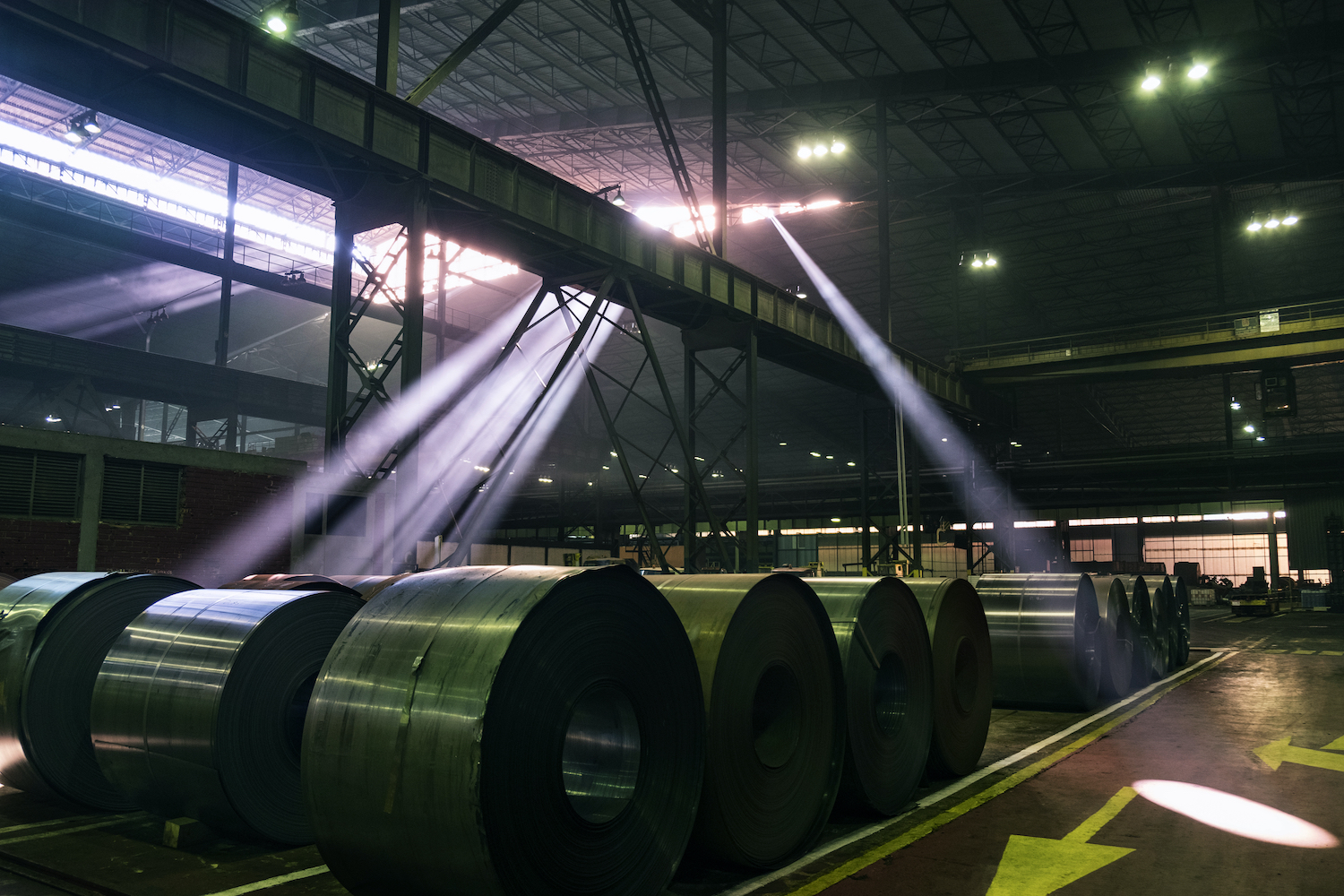
German steel distributor Krönlein is building a new warehouse at its headquarters in Schweinfurt, in northern Bavaria.
Like many of its kind, Krönlein is also a provider of sanitary equipment and building materials. It has four locations, of which the sites in Schweinfurt and Fulda are steel distribution hubs, offering sections, sheet, pipe, and rebar with bending services.
The new warehouse in Schweinfurt will have a storage area of nearly 10,000 square metres, including high-bay storage racks. Built by construction company Goldbeck, it is scheduled to be completed this summer, Kallanish learns from the company.
According to Krönlein managing director Ulrich Herrmann, the company has outgrown its existing capacities after good development over recent years. He attributes the growth partly to the alliance with the larger Lotter group, which some two years ago took over Krönlein. This strengthened Krönlein’s activities, especially in the states of Saxony and Baden-Württemberg (see separate story).
Christian Koehl Germany

Thyssenkrupp supplies low-carbon electrical steel for transformers
Grain-oriented electrical steel with a particularly low carbon footprint has been ordered from thyssenkrupp Steel by SGB-SMIT, a German maker of transformers that is fulfilling an order for energy group Eon.
Since October last year, thyssenkrupp Steel has been offering certified CO2-reduced steel under the “Bluemint” brand name. For the batch now delivered to SGB-SMIT, reduced iron has been used in the blast furnace, enabling a reduction in coal usage, Kallanish hears. Including all further processing steps in Duisburg and in Gelsenkirchen, a CO2 saving of 50% per tonne of Bluemint is achieved compared with conventional electrical steel, tk Steel claims.
“If low-CO2 power generation from renewable sources becomes predominant in the future, the share of CO2 emissions generated during the production phase of the transformer will come into even sharper focus,” says thyssenkrupp Electrical Steel managing director Georgios Giovanakis. “Therefore, the next logical step is now to offer electrical steel itself with reduced CO2 intensity.”
He underlines investments undertaken to enable the unit’s plants in Germany, France and India to make sophisticated grades characterised by particularly low core losses, and thus achieve high efficiencies in current transport.
Christian Koehl Germany

Celsa joins cross-sector Spanish hydrogen project
Spanish steelmaker Celsa Group has become one of the initiators of the country`s largest multisectoral consortium for the development of a hydrogen network – SHYNE. The project involves 21 other companies and 11 associations, technology centres and universities in Spain.
SHYNE will research competitive technologies and will promote the domestic industry and its infrastructure towards the energy transition and decarbonisation of the economy through renewable hydrogen. The total investment is € 3.23 billion ($3.66 billion) and involves ten autonomous communities, generating more than 13,000 jobs.
Celsa’s participation in this project is fully aligned with its plan to introduce hydrogen into its steel production processes to help speed up its complete decarbonisation.
“Being the European leader in circular steel production, we have identified renewable hydrogen as a key element to achieve our strategic goal of being net positive by 2040,” company executive director Francesc Rubiralta says in a note sent to Kallanish.
“We are already a low-emissions company in our sector, but we are working to achieve zero net carbon emissions in our business. Being part of this project allows us to do so and also to contribute to the development of the ecosystem necessary for Spain to become a European leader in the production and consumption of green hydrogen,” he adds.
According to its hydrogen strategy, SHYNE plans to use different technologies to reach a capacity of 500 megawatts in 2025 and 2 gigawatts in 2030. This is half of the target set in the Hydrogen Roadmap published by the Spanish government last October. It will also promote the use of hydrogen in all transportation segments and the creation of infrastructure with at least 12 hydrogen filling stations by 2025.
Todor Kirkov Bulgaria
Pandemic, energy costs hit Italian production, deliveries: Assofermet
Increasing energy costs are forecast to continue impacting Italian steelmakers’ output and scrap deliveries, Italian steel trade association Assofermet says in its monthly market report sent to Kallanish.
Skyrocketing energy prices have had the effect of slowing production and logistics this month. This, coupled with increased transport costs and uncertainty amid the pandemic, is promising some hardship for truck deliveries at a national and international level. January looks like a “chess game” between mills and scrap merchants, with mills trying to reduce prices as much as possible and merchants refusing to sell at very low levels, the association observes.
After the long Christmas holiday break, Assofermet notes high prices and tension over the high automotive grades such as new arisings E8 and packs of E8, but large availability of low demolition grades and steel turnings. While Italian scrap prices continue to weaken significantly, demand in other European countries persists for high-quality scrap, keeping prices stable month-on-month. “Many European countries seem to want to maintain the levels of December prices in consideration of the scarcity of scrap, in particular of the high qualities,” the report states.
Meanwhile, pig iron short supply is evident in the European market. CIS pig iron producers have already filled up order books for their February and March production. The absence of Brazilian pig iron offers continues in Italy. Over the past week, however, the international pig iron market has been positively affected by a return of Chinese buying interest, Assofermet says.
In Italy, pig iron prices remain stable compared to the beginning of the month, with few transactions. The latest deals at the end of December between distributors and CIS producers were concluded at $560/tonne cfr Italy, but the market expects an imminent price decline in new transactions. Domestic scrap values are also falling by €50/tonne ($56) month-on-month in a quiet market (see Kallanish passim).
Natalia Capra France

US, UK enter into tariff trade talks
US, UK enter into tariff trade talks
Leaders from the US and UK have officially begun talks to address the US’s 232 steel and aluminium tariffs and the retaliatory tariffs imposed by the UK.
US Secretary of State Gina Raimondo and UK Secretary of State for International Trade Anne-Marie Trevelyn met virtually on Wednesday to discuss their shared global overcapacity concerns. In agreement that overcapacities in steel and aluminium are being driven largely by China, the leaders plan to work together to address their shared worries over countries practicing “harmful market-distorting policies.”
Raimondo, Trevelyn, and US Trade Representative Katherine Tai will begin formal discussions to address these issues that threaten the industries of both nations. This will include appropriate trade measures and what the UK hopes will be the eventual removal of the tariffs.
No timeline for the talks was provided.
US and EU leaders formalised a deal late last year to replace the 232 tariffs originally imposed in 2018 by then-US president Donald Trump with a tariff-rate quota agreement. Under the arrangement, 3.3 million tonnes/year of EU steel products may enter the US tariff free. Since the UK is no longer a member of the EU as of 2020, it was excluded from that deal and its exports to the US still face the 25% tariffs.
The US is also currently in formal discussions with Japan over the 232 tariffs, Kallanish mentions.
According to US government data, approximately 265,391t of steel products were exported from the UK to the US in 2021. Cold rolled sheet, heavy structurals, large diameter pipe, and stainless semifinished steel were the most exported products.
Laura Miller USA
Italian coil market remains sluggish
The market remains quiet and uncertain this week for Italian coil, with expectations on the buyside of price decreases, and sales poor, particularly for hot and cold rolled coil.
Producers are mulling increases for hot-dipped galvanised coil and CRC, as they have since the turn of the year been particularly affected by steep electricity and gas prices hikes. However, the market is stalling and conditions are too uncertain for a solid price hike, market sources tell Kallanish.
Interesting import offers are reported for CRC, but HDG imports are now closed for the first quarter due to exhausted safeguard quotas. European importers of HDG exhausted most safeguard tariff-free quotas for HDG in the 4a sub-group, but not for automotive (see Kallanish 13 January).
Domestic prices for CRC and HDG remain stable compared to the beginning of the month despite the weak activity. Buyers are waiting for better visibility on international prices and are not committing to high volumes.
HDG prices in the latest contracts are in the €1,050-1,100/tonne ($1,190-1,247) base ex-works range, while CRC, less demanded at present, is reported at €1,030-1,100/t base ex-works. ArcelorMittal Europe recently implemented a €30/t hike on these two products, pushing prices to €1,150/t base ex-works in Italy (see Kallanish 11 January).
Natalia Capra France
Going for Gold: The rush to win the EV race
With established and startup automakers backing the BEV movement, consumers can expect many new entries to the US market
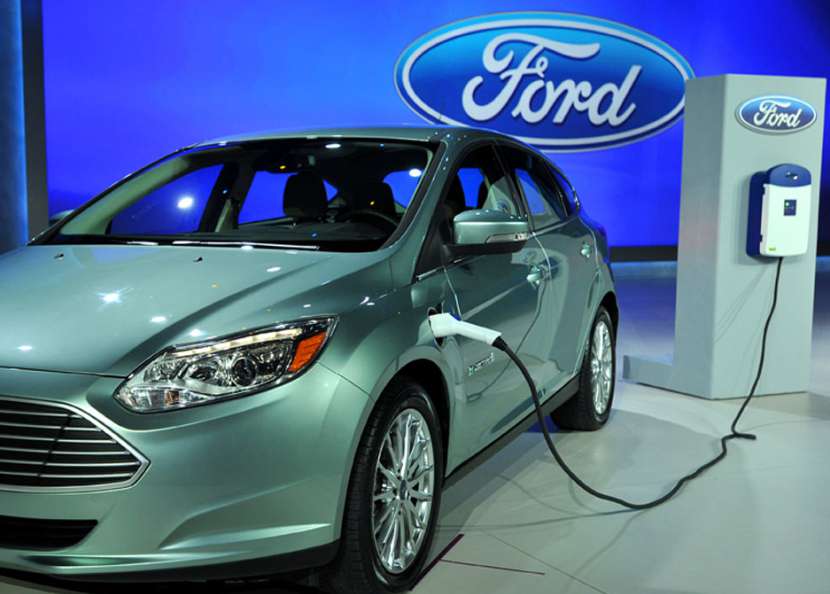
Akin to the California Gold Rush of the mid-1800s, established and startup automakers are hitching their wagons to the battery electric vehicle (BEV) movement and it’s touching off an unprecedented number of new entries into the US market.
Looking back to 2000, buyers in the US ‘only’ had a choice of 235 unique models across 37 brands*. Fast forward to 2021, and that number has increased to just below 330 models from 43 brands – an average increase of 4 models per year. Over the next five years, that number is expected to skyrocket by nearly 17 new entries per year, with the number of models in the market increasing to over 400 – approaching double what was available to consumers in 2000.
Part of this growth can be attributed to established automakers like GM, Hyundai, and VW fragmenting their showroom as they transition from ICE to BEV models. Also helping to propel the model growth over the next five years is an influx of 18 new brands dedicated to BEVs, with that number seemingly growing every day. Fifteen of those BEV brands are startups looking to take advantage of the open gate to entry that the EV movement – and a new administration and regulations – has afforded. Backed by big dollars and even bigger aspirations – and aided by a somewhat less complex vehicle development process – these BEV startups also come with little brand equity and a high degree of cost and risk, factors that historically have closed the gate on those who wanted to enter this market.

From Arrival to Workhorse and Canoo to Rivian, these startup EV automakers are projected to have close to 40 models available for Americans. While most of these upstart brands are not expected to surpass sales of over 50k units annually over the next five years, they do pose a risk to established automakers in terms of market share loss, if only because of the sheer number of choices that fall outside of their brands.
The influx of startups should be a boon for production in North America, as we see these manufacturers adding over one million units of capacity over the next five years; Rivian will account for over 50% of that. But the high degree of risk also flows into production as we see the utilization of those plants, based on expected demand, at just 30% – a sobering reality check to the big dreams.
Just as not all the forty-niners of the California Gold Rush came away rich, not all these BEV startups are likely to strike gold. However, this generation’s BEV Gold Rush will benefit the US consumer, as heightened competition and fresh perspectives will likely improve all vehicles and provide customers with more choice.
*Excluding Super-Premium brands

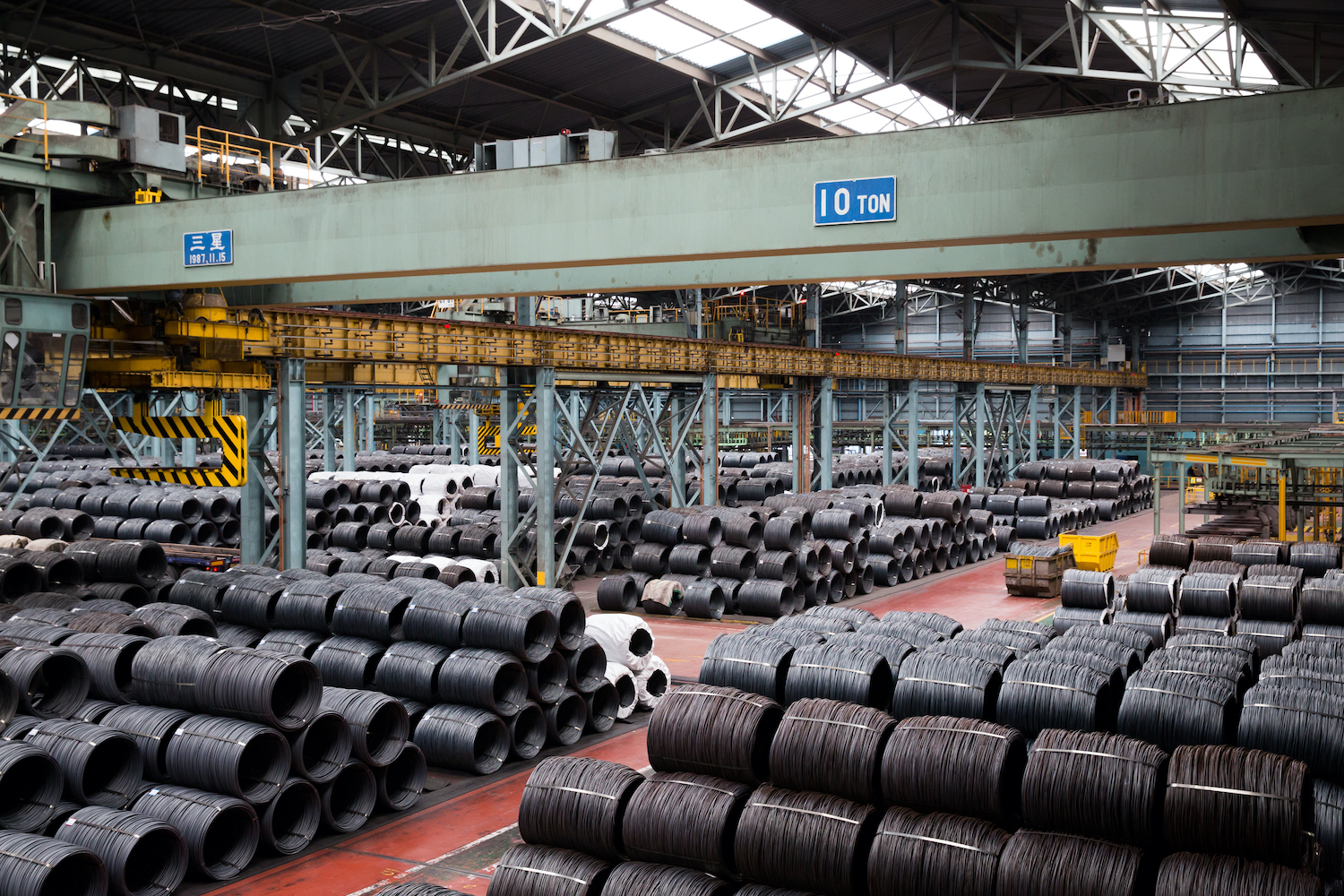
Thyssenkrupp to supply low-emissions steel to E.ON power stations
German steelmaker Thyssenkrupp’s Electrical Steel unit is to supply first batches of its “bluemint” low carbon emissions steel to Regensburg-based SGB-SMIT for the production of transformers for new digital E.ON medium-voltage substations in Germany, the company said Jan. 19. The first delivery will be of 50 mt of bluemint powercore steel which has 50% lower CO2 intensity than conventional steel products, the company said.
Electrical Steel, based in Gelsenkirchen, specializes in the production of grain-oriented electrical steel, used for transmission and forwarding of electrical energy in low-loss power transformers. Grain-oriented electrical steel of Thyssenkrupp’s powercore brand is also used in charging columns for electric vehicles, the company said. The use of these kinds of steel already contribute to customers’ energy savings, and will now contribute to the overall decarbonization effort, according to the steelmaker.
Various EU steelmakers are trialing low-emissions or “green” steel with their customers. ArcelorMittal, Europe’s largest steelmaker, started to offer its first green steel solutions to customers in 2020. Sweden’s SSAB said last November it was starting deliveries of low-emissions heavy plate and strip products from its Borlange site to several auto and construction sector buyers who had showed interest in pilot products.
Surcharges are expected to become part of the new cost structure of green steel, with prices at a premium to conventional steel.
Swedish special steel producer Ovako said late last year that from this month it will introduce a “climate surcharge” to support initiatives and new technology investments as its production goes carbon-neutral.
Duisburg blast furnace
Thyssenkrupp Steel has been offering certified CO2-reduced steel under the bluemint brand since October 2021. Production is initially taking place via the classic blast furnace route at the steelmaker’s Duisburg site before the company advances to hydrogen-based direct reduction technology from 2025, it said.
For the batch now delivered to SGB-SMIT, reduced iron has already been used in the blast furnace, enabling a reduction in coal usage, Thyssenkrupp said. This results in actual CO2 savings in the primary steel route, which are converted on balance to a specific quantity of certified bluemint steel, it said.
Including all further processing steps in Duisburg and in Gelsenkirchen, a CO2 saving of 50% per metric ton of bluemint is being achieved compared with conventional electrical steel. This means a reduction in the CO2 intensity of 1 mt of bluemint powercore to 1.8 mt from 3.7 mt. The Gelsenkirchen site is aiming for complete climate neutrality in the medium term, for example by using green electricity and biomethane in production as early as this year, the company said.
— Diana Kinch


EU metals groups call for concrete measures against high power prices
The European Commission must take concrete action to address the high power costs that are harming the EU’s metals industries, industry associations Eurometaux and the European Aluminium Association said in a letter to the EC.
As a result of a quadrupling of electricity prices, over half of the EU’s aluminum and zinc smelters are currently operating at reduced capacity or have temporarily closed, they said in a letter Jan. 18.
All nine electrolytic zinc smelters in the EU have been heavily affected by the power crisis, Eurometaux said, with some EU zinc smelters having halted production and others curtailing output by between 10% and 50%.
In addition, an estimated 650,000 mt/year of primary aluminum capacity, about 30% of its total, has been temporarily lost as well, despite the growing demand for aluminium in Europe and globally.
“It’s alarming to see that European aluminum producers face curtailments, closures and job losses due to unbearable energy-related costs while our global competitors increase their primary aluminum capacity,” the European Aluminium Association’s director general Gerd Götz told S&P Global Platts.
“We need quick and effective policy measures to ensure an abundant and reliable renewable energy supply at an affordable cost, in conjunction with flexible emergency state aid tools to ensure the EU’s overall strategic autonomy and climate-neutrality ambitions can be met.”
The associations want to see an emergency state aid framework that provides clear conditions and rules allowing member states to take quick action to help national industries during times of high energy prices.
Among the concrete measures requested, Eurometaux suggested in the short term the use of national strategic gas reserves to stabilize market prices and a cap on carbon prices on the EU Emissions Trading Scheme, which have hit successive record highs.
In the medium term, “any phase-out of traditional power sources must be preceded by the deployment of new dispatchable generation in order to ensure a smooth transition and avoid power shortages and volatile prices,” the associations said.
Metals including aluminum, copper, nickel, zinc, and silicon are all significantly more electricity-intensive to produce than other materials and are priced globally as commodities. Power costs make up around 40% of their production costs.
— Annalisa Villa
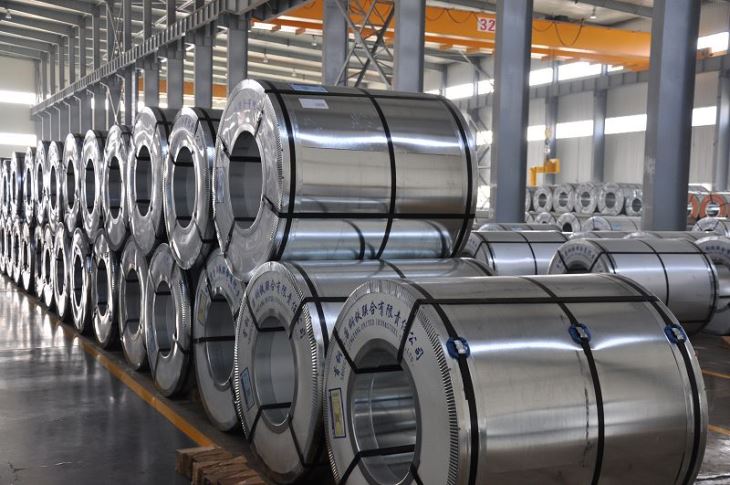
EU steel sections prices up as mills hold firm
European domestic steel sections prices increased on the week to Jan. 19, as mills maintained elevated levels amid high costs.
S&P Global Platts’ European medium sections price (category 1, S235 JR) was assessed at Eur1,090/mt delivered Jan. 19, up Eur20/mt on the week.
One distributor source in the Benelux region highlighted that continuously high energy costs in the region were pushing prices up with mills increasing offers for steel long products and trying to maintain elevated workable levels. “All mills are complaining about energy prices, saying that they have to account for them now while determining sales prices,” he told Platts.
The source put a tradable value for category 1 medium sections at Eur1,090/mt delivered Benelux.
One European mill source also put a tradable value for category 1 medium sections at Eur1,090/mt delivered.
“Demand is better than last week as it was the first week after holidays, so demand was slow people were still returning from holidays,” he told Platts.
“Scrap prices went down a bit in Italy but then recovered immediately as international scrap prices in Turkey also picked up,” he told Platts. “In addition, energy prices are still high. But it is too early to say if mills will be increasing prices again in the near-term, picture will be clearer next week,” he said.
Platts assessment for Southern European shredded scrap was at Eur447.50/mt delivered to the mill for January contracts on Jan. 10, down slightly from Eur452.50/mt delivered in December. Workable levels were largely heard between Eur440-450/mt delivered to the mill in Italy and Spain. S&P Global Platts assessed Turkish imports of premium heavy melting scrap 1/2 (80:20) Jan. 19 at $469.75/mt CFR, unchanged on the day.
— Rabia Arif, Staff