


Metinvest to invest $1.2 billion to boost air and steel coil quality
Ukrainian mining steel group Metinvest will invest $1.2 billion in a modernization program this year to, among other things, boost coil quality and replace 1 million mt/year of imported flat rolled steel products, the company said Feb.16.
This year, Metinvest will continue installing new cold-rolling, galvanizing and color-coating facilities at Ilyich Iron and Steel Works in Mariupol, southern Ukraine. The company broke ground on this $1 billion project in 2021, and once completed, it will enable the steelmaker to replace 1 million mt/year of cold-rolled and coated coil imports with quality domestic analogues.
Aside from import replacement, air quality and education are the other core focus areas of the company’s 2021 capital expenditures.
The reconstruction of the dedusting systems of the basic oxygen furnace shop at slab and plate producer Azovstal Iron & Steel Works, also in Mariupol, that will be done in phases during 2022-23, represents a $180 million investment – the largest with an environmental aspect in Metinvest history, the company said.
This year Metinvest also plans to complete the reconstruction of the gas cleaning plants at the casthouse of blast furnace No.4 and the construction of the air separation unit at Ilyich Iron and Steel Works, also in Mariupol.
Some of the gas cleaning systems at Severny iron ore mining and beneficiating complex (GOK) in Dnipropetrovsk region will be rebuilt too.
In 2021, Metinvest upgraded gas cleaning facilities servicing blast furnace No. 5 at the Ilyich mill, introduced cyclic-flow technology at Severny and Ingulets GOKs.
Last year, it broke ground on Metinvest Polytechnic, which would be Ukraine’s first private technical university. The steelmaker has allocated Eur30 million ($34 million) to create this institution.
“Metinvest has demonstrated the highest level of patriotism by investing a record amount of money in the industrial development in Ukraine,” company CEO Yuriy Ryzhenkov said in a statement. Last year, the company invested over $1 billion in projects that make Ukrainian industry more modern, competitive and environmentally friendly, he added.
— Ekaterina Bouckley


European HDG market quiet on maintenance break
European hot-dip galvanized market remained little changed Feb 16 as market participants report mills are involved in maintenance work on their galvanization processes now, an opportune time given reduced demand, sources told S&P Global Platts.
The lack of automotive demand has tightened the supply of galvanized material, with mills conducting maintenance to galvanizing lines given a relaxation of market activity.
In southern Europe, HDG saw offer levels reach Eur1,220/mt ex-works Italy, with no transactional activity confirmed at this higher level, producers were confident these would materialize in the near term.
The Platts northern Europe HDG base price dipped Eur5 to Eur1,145/mt EXW, while southern European base prices increased Eur5 to Eur1,105/mt.
The market is healthy in terms of supply and demand, with market participants expecting the semiconductor issue to resolve in the second quarter and larger inventories to be necessary.
Higher iron ore and coking coal prices continued to push up price expectations as steel margins remain squeezed.
A service center source also noted the gap between the values of hot-rolled coil and value-added products, such as HDG, which has been significantly slower to decline.
— Catherine Brown
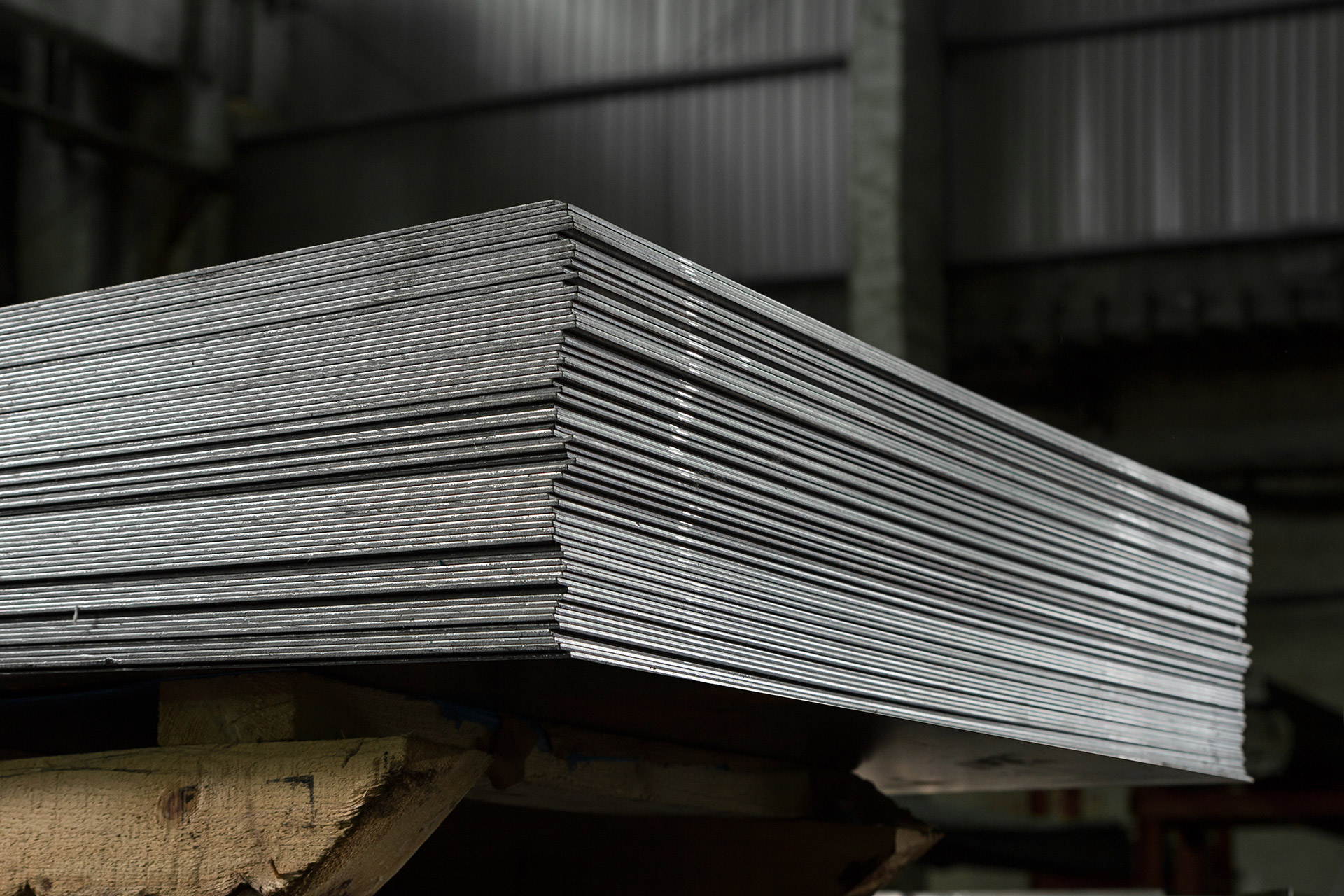
Danish mill Dansteel expands range of structural steel plates: NLMK
Danish plate mill Dansteel, part of Russian mining and steel group NLMK, has expanded its range of weather-resistant steel plates for bridge construction, with 30% stronger grades.
NLMK said Feb. 16 that Dansteel has added 10 structural steel grades with a tensile strength of up to 460 MPa and up to 100mm thicknesses. Previously, the mill developed production of 355 MPa steel in up to 80mm thicknesses.
The new grades are on average 30% stronger than their previous counterparts and ensure high welding quality and crack resistance at low temperatures.
The engineering characteristics of the new grades, which are also tolerant to corrosion, were achieved through optimizing the steel’s chemical composition, and developing optimal plate rolling modes with accelerated cooling.
— Ekaterina Bouckley

Europe steel growth moderates, Asia to surge: Commerzbank
The European steel market is expected to remain stable this year despite high demand in the industry, Commerzbank raw material analysts Daniel Briesemann said during the annual “Zukunft Stahl” conference on Wednesday.
The event, organised by business daily Handelsblatt in Düsseldorf, was monitored by Kallanish.
“The market has been stabilised, so the price of hot rolled coil in northwest Europe was 25% less than the record high of last August and prices for cold rolled coil decreased by 20%,” Briesemann noted. “However, both prices are still at an extremely high level in a historical comparison.”
According to him, after the quick recovery in 2021, Europe can expect a more moderate steel industry growth this year. “However, global steel production is expected to reach new record levels due to the economic growth in Asia and the Middle East. In Europe, on the contrary, we don’t expect this [record output] to happen,” he said.
There are still some supply problems and semiconductor shortages, which reflects on the automotive industry, Briesemann observed.
“In the EU, the focus will be on the decarbonisation of production facilities, so that the previous record high [output] from 2017 should not be reached again anytime soon,” the analyst concluded.
More than 80% of European steel capacities are expected to implement carbon emissions reform by 2025, and steel industry CO2 emissions are expected to peak before 2030, he says. “To achieve this, more steel scrap is to be used in production, over 300 million tonnes/year from 2025. To this end, more electric arc furnaces should or must be built,” Briesemann concluded.
Svetoslav Abrossimov Bulgaria

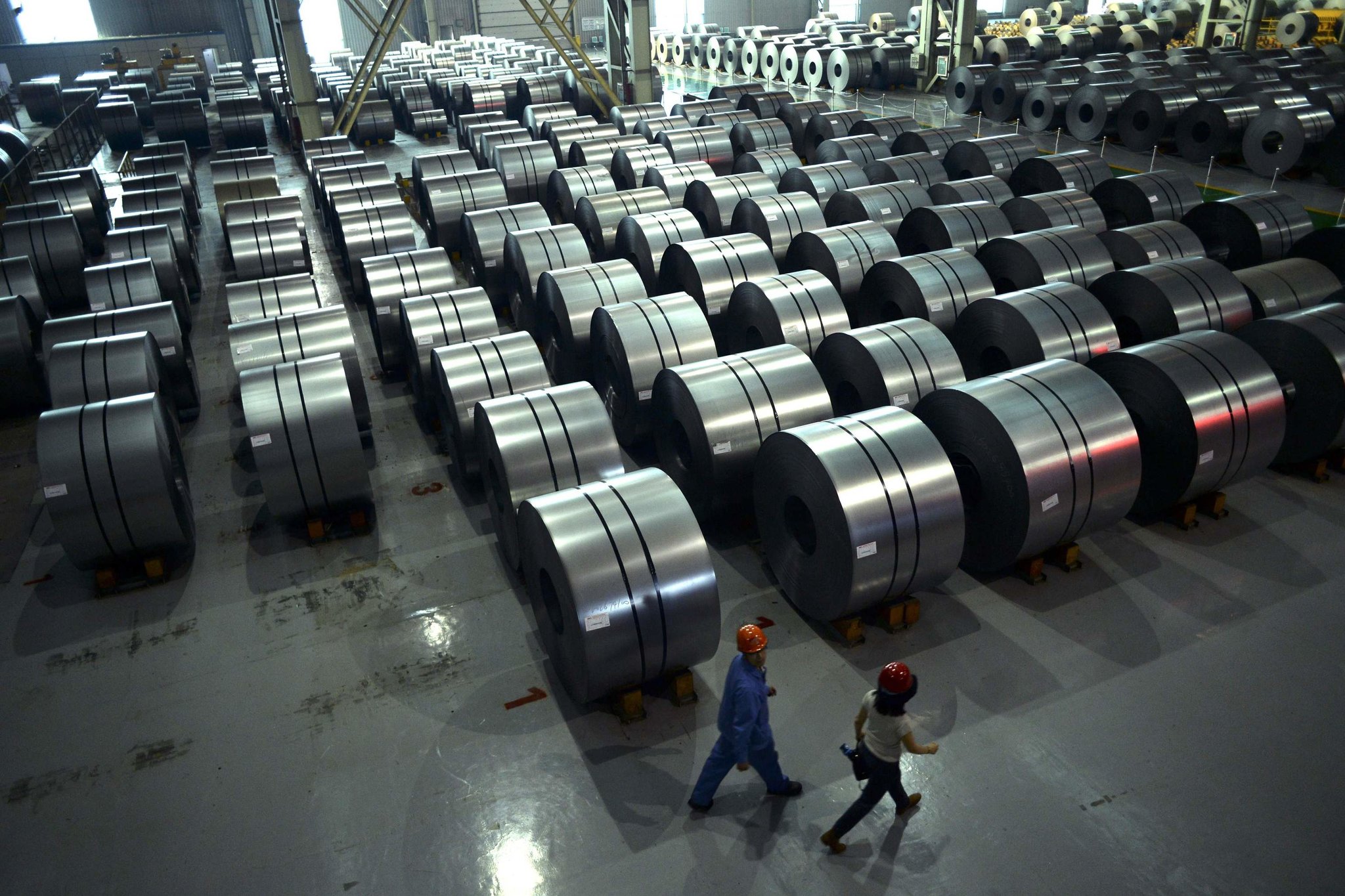
Unions concerned at Acciaierie d’Italia’s slow production restart
Steelmaker Acciaierie D’Italia’s Fim, Fiom and Uilm trade unions are urging the company to speed up the planned upgrade works on equipment that will allow sheet metal production department PLA/2 to resume production, Kallanish learns from the unions.
The workers aim to secure production continuity, a source says, expressing concern because the division is being affected by a significant level of temporary layoffs.
At the end of last year, the steelmaker mothballed blast furnace No.4 because of a technical issue. From 17 January, maintenance works will start at Meltshop No.1. This is a prelude to the resumption this month of BF No.4. In October last year, the steelmaker restarted BFs 1 and 4.
Acciaierie d’Italia posted approximately 4.4 million tonnes of output in 2020 and had a production target of 5mt for last year. Output for 2021 is yet to be announced.
Natalia Capra France
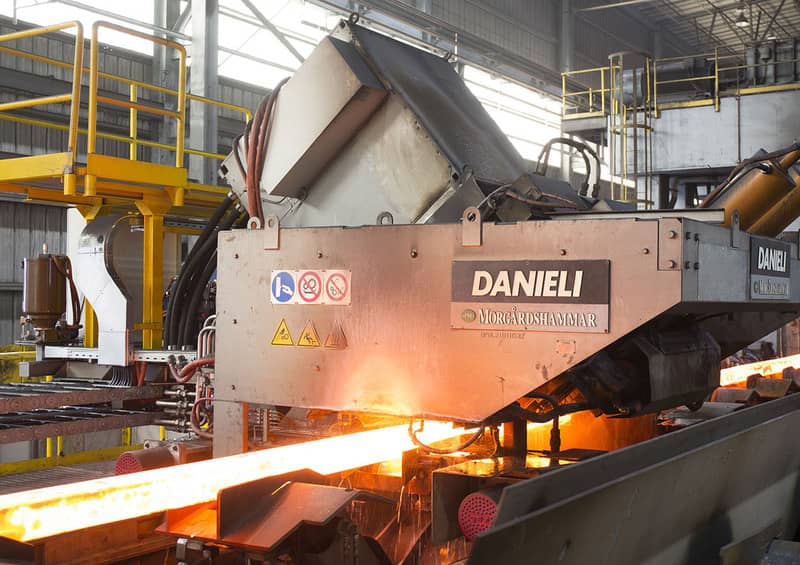
Cognor wins land tender for new rolling mill
Cognor has won in a tender a plot of developed land north of Katowice in southern Poland where it plans to build its new hot rolled bar mill.
The land, located in Siemianowice Slaskie, is being sold off by state investment vehicle Towarzystwo Finansowe Silesia. Cognor’s winning bid amounted to PLN 61.48 million ($15.6m). The sales contract for the land must be finalised within 90 days.
Last May, Cognor ordered for €38.2m ($43.4m) from Danieli a bar hot rolling mill that will replace the current line at Cognor’s Zawiercie location, as well as a rebar spooling line that is to be located at its Krakow site. The firm secured in December PLN 400m of financing from Santander and Polish export credit agency KUKE for the revamp of its production units, with a view to expanding operations and exports (see Kallanish passim).
In the nine months through September 2021, Cognor reported a 57% on-year revenue surge to PLN 2.02 billion, while net profit ballooned over nine-fold to PLN 238.2m. However, the firm said its profitability and semi-finished steel sales tonnages could come under pressure after the gap between scrap and iron ore prices narrowed in the third quarter.
Cognor’s Ferrostal plant has a 375,000 tonnes/year crude steel design capacity, while its HSJ unit has a 261,000 t/y capacity.
Adam Smith Germany

ArcelorMittal leads world’s largest-scale H2 project in Spain
ArcelorMittal says it has agreed to partner with Spanish energy companies Enagás and DH2 Energy, as well as one of the main producers of fertilisers – the Fertiberia Group – to create the world’s largest integrated renewable and competitive hydrogen hub.
The so-called HyDeal España joint venture will manage the development, funding and construction of the H2 plant and transmission infrastructures in northern Spain, Kallanish notes.
The start of production is scheduled for 2025. Total installed capacity should reach 9.5 gigawatts of solar power and 7.4GW of electrolysers by 2030, ArcelorMittal explains.
“HyDeal Spain is a strategic alliance that will give us access to the volume of green hydrogen necessary to advance in the decarbonisation of steel production,” says José Manuel Arias, president of ArcelorMittal Spain. The hub will supply hydrogen obtained from renewable energy sources and will be key to reducing CO2 emissions by 50% in our Spanish operations by 2030”.
ArcelorMittal and Fertiberia will become the main buyers of green H2 in Spain, planning to purchase almost 6.6 million tonnes of green energy from the HyDeal Spain hub in the next 20 years.
Todor Kirkov Bulgaria
2022 could decide Europe’s steel industry future: conference
The fate of the European steel industry could be decided this year amid the green steelmaking transformation, ArcelorMittal Europe chief executive Geerd Van Poelvoorde said at the annual “Zukunft Stahl” conference in Germany this week.
The event, organised by business daily Handelsblatt in Düsseldorf, was monitored by Kallanish.
“However, the European Commission is slowing decarbonisation efforts with its bureaucracy,” Van Poelvoorde noted. “The previous plans in Brussels were not sufficient to ensure the future viability of the steel industry. The European Union has to decide how it will act to achieve better results in decarbonisation.”
According to Van Poelvoorde, in 2021, CO2 prices tripled, as did electricity and natural gas prices, which makes the transformation to direct reduced iron-electric arc furnace route production unprofitable for the moment. “Green steel, made with hydrogen instead of carbon, is currently the hot topic in the industry, but H2 production is too expensive for the moment,” he added.
Green steel is more expensive than conventionally produced steel. Calculations by Accenture estimate that car production costs will increase by between €500 and €1,000 ($568-1,136) per vehicle, and washing machine production costs by around €30. “The companies would have to find out how they can compensate these additional prices,” Accenture managing director Gerd-Michael Hüesken said at the event.
The production of low-CO2 steel in EAFs is another goal of the industry, observed Georgsmarienhütte chief executive Alexander Becker. “The biggest lever for pushing the numbers further is the expansion of renewables. We really hope that the new German government will do everything in its power to achieve its goals, courageously and vigorously.”
Svetoslav Abrossimov Bulgaria
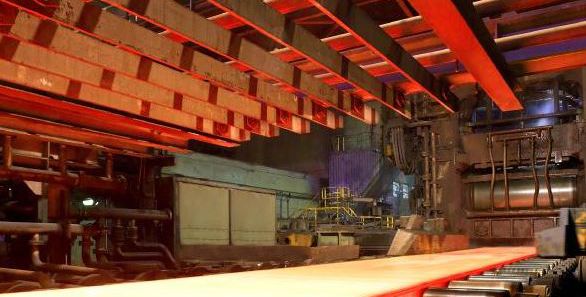
Energy transition means integrated mills losing independence: thyssenkrupp
The technological transformation European mills are undergoing to make carbon-free steel will require additional sourcing of energy which mills, so far, have produced themselves, says the chief executive of thyssenkrupp Steel.
Speaking at the “Zukunft Stahl” conference organised annually by business daily Handelsblatt, Bernhard Osburg noted that integrated mills like thyssenkrupp meet two thirds of their power demand from their internal processes. To achieve the “net zero” for CO2 emissions, however, the mills must do without the off-gases they use for power generation, and must buy green energy from outside.
The company would thus need “to buy 45 terawatt hours of green power – that’s equivalent to three-and-a-half times the consumption of a city like Hamburg”, Osburg observed. This is also nearly one tenth of the 507 TWh consumed in Germany per year.
In this context, he noted that the enormous recent increase in energy prices, power as well as gas have already hit the company with an additional three-digit million-euro amount of extra costs. If it would depend on external gas and power in full at this stage, “we would have to switch the plants off because they would not be profitable”, Kallanish heard him say.
Osburg pointed out that the scenario of transforming to direct reduced iron production and buying power outside, means handing over some of the autonomy mills used to have. “After all, the charm of an integrated mill is that you have the entire production on-site,” he explained.
However, another large problem of the transformation is the availability of future energy demand in Germany. According to another speaker, Jürgen Barke of the Saarland economy ministry, Germany does not have the resources to generate these volumes in the country, and will have to look to other shores for imports.
Christian Koehl Germany