


Ricardo Silva will take over as new EUROMETAL Director General on 01. April 2022

After 3 years at the helm of EUROMETAL, Mr. Daniel Guinabert will leave his functions as Director General on March 31st 2022.
Ricardo Silva will take charge as new EUROMETAL Director General on April 1st 2022.
To support Ricardo to his new mandate during the first months of transition, Mr. Daniel Guinabert will stay available to EUROMETAL as a consultant.
We would like to recognize and thank Mr. Daniel Guinabert for the huge dedication and effort to EUROMETAL during all these 3 years, taking the association to the highest standards and recognition, and we would like you all to join us in a warm farewell to him.
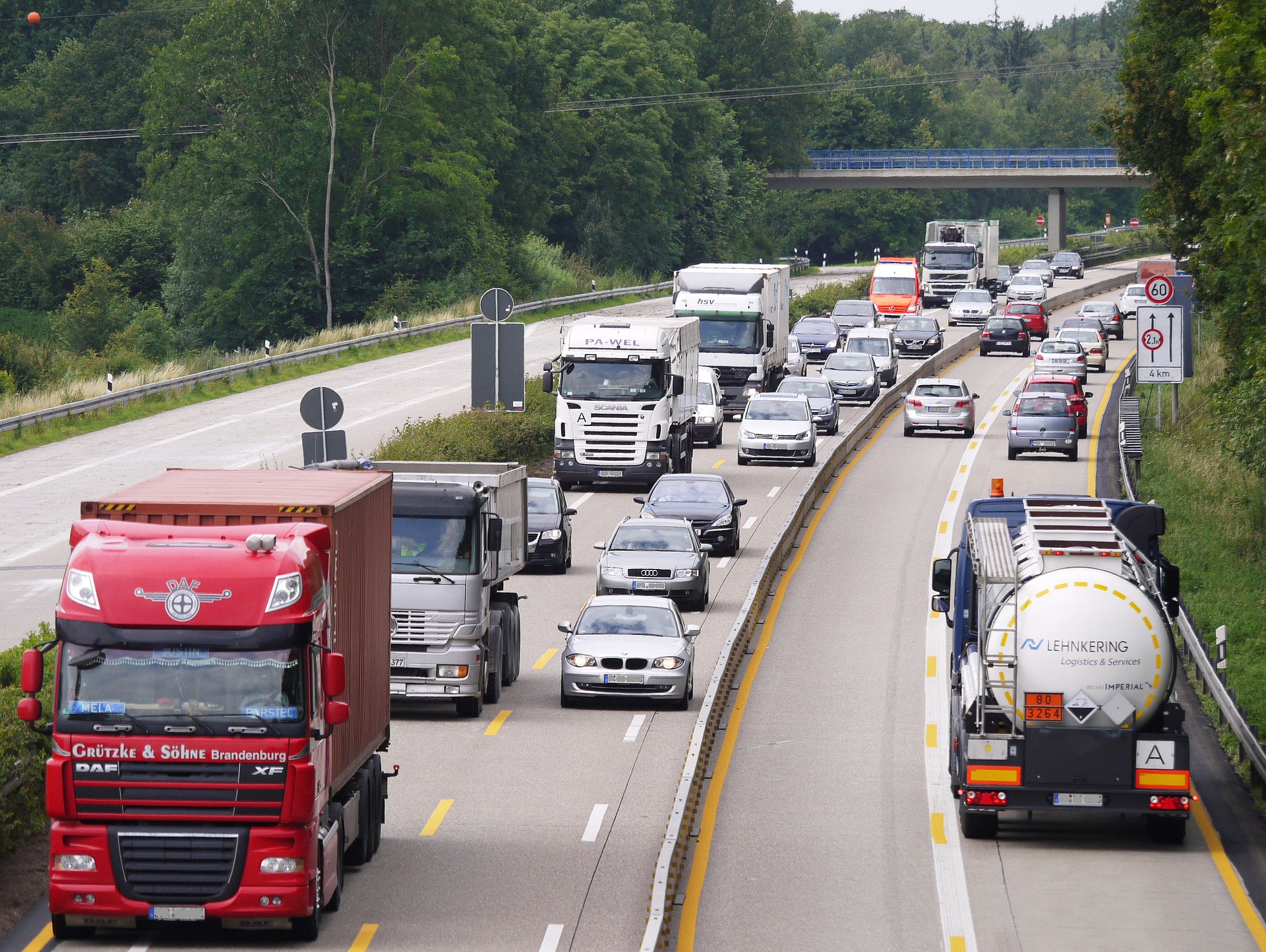
Ukraine: Impact on the European truck sector
The unfolding situation in Ukraine has given rise to questions concerning the likely impact on the automotive industry, including the Medium and Heavy Truck sector. The Ukrainian market and auto sector will, no doubt, bear the brunt but effects are also likely to be felt elsewhere in the region.
Some of the variables that are likely to be immediately affected are critically relevant to truck demand across the region.
Downside risks:
- Oil and gas prices: Gas futures surged on 24 February (the day Russian troops moved into Ukraine), signalling increased risk to already tight supplies, especially in countries whose energy supply is highly dependent on Russia. Rising oil and gas prices will put further upward pressure on inflation, hitting the consumer side of the economy via the impact on real incomes. From a Heavy Truck perspective, rising TCO (total cost of ownership) puts downward pressure on demand.
- Trade disruption: Russia’s position as a major supplier of energy, minerals and other raw materials, means further risk of disruption to already strained supply chains, leading to negative consequences for manufacturing and industrial output, a key driver of freight demand. Air, road, and rail freight flows are already affected and are exacerbating shortages in automotive manufacturing in some locations.
- Investment: The combination of impending sanctions, inflation and oil prices has sent the rouble – and European investor confidence – plummeting, just as Covid worries were starting to recede. A collapse in investment – as happened across the CIS region in 2015 – would deal a sharp blow to capital goods such as trucks.
- Drivers: The European driver shortage is intensifying, with transport firms based in Poland and Lithuania employing tens of thousands of Ukrainian drivers, many of whom are expected to prioritise supporting their families or take up arms in defence of their country.
Certain other factors may boost Heavy Truck demand, at least temporarily. Although Western economies are not (yet) war economies in the strict sense, huge sums of money have been pledged by governments in recent days.
Upside risks:
- Public investment: Western governments have announced massive defence budgets. In an unprecedented move, the new German Chancellor, Olaf Scholz, has pledged additional military investment amounting to EUR 100bn in 2022 in Germany alone. This will act as a significant stimulus to the military industrial sector. Heavy Truck demand is likely to benefit from the boost to military hardware manufacturing.
- Construction: Investment in construction also tends to rise during times of war as supply lines are extended and fortified to aid the logistical effort, and damaged or destroyed infrastructure needs to be repaired or replaced. As after natural disasters, construction vehicle demand tends to rise temporarily as a result.
Heavy vehicle demand is, thus, being pulled in different directions by different short-term factors.
Much will now depend on whether the invasion of Ukraine will be followed by a swift occupation and installation of a Moscow-oriented regime, or whether the conflict will become a prolonged war of attrition extending for months or even years. The situation is still very much in flux and predictions are difficult.
History:
A comparison with 2014/2015 (Maidan Revolution and subsequent Russian annexation of Crimean Peninsula) throws some light on how markets have reacted in the past:
- The Ukrainian economy nosedived, with exports, imports, industrial production and investment all falling in the double digits – the latter by 24% in 2014, followed by further steep falls in 2015. Truck output continued to grow through 2014, plateauing in 2015 and then falling drastically (-49%) in 2016 before a recovery got underway from 2017.
- In Russia and allied Belarus, meanwhile, industrial production initially increased in 2014, before receding in 2015. Although both countries experienced recessions as sanctions hit, the declines were less severe than in Ukraine. There was a bounce in truck output in both countries in early 2014, but it was short-lived and not sufficient to reverse the slide in output that had been ongoing since 2012.
Affected OEMs:
- AvtoKrAZ is the only complete cycle manufacturer of HD trucks in Ukraine. Its line-up includes 33 base models of two-, three- and four-axle conventional and cabover trucks. The KrAZ plant, based in Kremenchug, is estimated to have a capacity of around 1,500 units pa (data has not been published since 2018, coinciding with Ukraine’s gradual withdrawal from the CIS). Output is expected to be decimated in 2022, with an uncertain outlook beyond the immediate crisis.
- Russian OEMs: Overall Russian truck output in 2021 rose to its highest level since 2017. Production and sales of Heavy Trucks rose robustly in December, which was attributed to a number of active construction projects and high replacement demand resulting from an ageing parc.
- Western OEMs with Russian assembly operations: As of 28 February, Daimler Truck has suspended cooperation with KamAZ, whilst Volvo Trucks has halted all production and sales in Russia.
Outlook:
The outlook for the Ukrainian Heavy Truck sector and market has worsened dramatically and forecasts have been slashed; however, in the wider regional context, it is a small market. Belarus, as well as other bordering states (the Baltic states, Poland) are likely to feel some effects. Russian truck demand and output by domestic OEMs may receive a boost in the short term, though the medium and longer term will be constrained by a difficult economic outlook. Western OEMs continue to face supply-side constraints.
Different markets are likely to react differently, depending on the level and nature of their involvement in the crisis; and the Heavy Truck sector as a whole is likely to react differently than the Light Vehicle sector, due to its responsiveness to the demands of the industrial sector.


Corporate sustainability and due diligence:Introducing the new EU Directive
EU ESG Series Part 2
Last week, the European Commission published a draft Directive on Corporate Sustainability Due Diligence introducing minimum due diligence obligations in the EU-27. It follows French and German supply chain legislation and is based on international standards and conventions, obliging companies to embed sustainability and human rights standards in their own operations and to establish due diligence throughout their value chains.
The proposal covers actual and potential adverse impacts on human rights and the environment stemming from international conventions set out in an Annex. This includes for instance the International Labour Organization conventions, the Paris Agreement, and violations of prohibitions to unlawfully evict or to cause pollution of soil or drinking water. It covers companies’ own activities, those of their subsidiaries, and most significantly, companies involved in their value chain operations with whom they have an “established business relationship”.
Which companies will be in scope
The proposal applies to both EU and non-EU companies. For those established in the EU, the thresholds are:
- Group 1: With over 500 employees and a worldwide net turnover of over €150 million in the last financial year; or
- Group 2: With over 250 employees and a worldwide net turnover of over €40 million in the last financial year if over 50% of this turnover was generated in a specific sector (manufacturing and wholesale of textiles, leather and footwear; agriculture, forestry and fisheries, including raw materials, live animals, beverages; and mineral resources including fossil fuels, quarry products, construction materials, fuels and chemicals).
For those companies established outside the EU, the thresholds are:
· Group 1: Generated a net turnover of over €150 million in the EU in the last financial year; or
· Group 2: Generated over €40 million net turnover in the EU in the last financial year, 50% or more of which in one of the abovementioned sectors.
When will companies have to comply?
As it stands, the new rules would apply to Group 1 companies after two years once the law is in force and to Group 2 companies operating in the specific sectors after four years. These dates may still be adjusted as the draft law is amended.
What are the obligations?
The obligations are numerous, incurring significant compliance costs for most businesses. Selected key points include :
· Including due diligence into all company policies: Companies will need to integrate due diligence across the board and regularly publish and update a due diligence policy that meets the Directive’s specific criteria;
· Identifying potential and actual adverse impacts: This can be done through Environmental, Social and Governance (ESG) audits, independent reports, stakeholder consultations, and more. It is left to each Member State to provide further guidance. Financial services companies will face special obligations in that they will have to carry out an impact assessment before providing a credit, loan or other financial service.
· Preventing or mitigating potential and actual adverse impacts: This will require companies to take actions including developing prevention action plans, seeking contractual assurances from their business partners, investing into management of production processes, etc. They will also have to verify whether their business partners adhere to their contractual obligations and suspend or end the business relationship where this is not the case.
· Establishing a complaints procedure: Companies will be required to establish a complaints procedure for those who may reasonably be affected by the company’s activities, including individuals, trade unions, and civil society organisations.
· Reporting: Companies must monitor the effectiveness of their due diligence policy, publishing an annual statement in line with the Corporate Sustainability Reporting Directive.
· Civil liability: Member States are required to establish civil liability for failure to prevent or end adverse impacts which have led to damage.
The Directive also imposes a duty of care on company directors. The setup and implementation of any due diligence strategy will be the responsibility of the company director, with this individual being tasked with ensuring it remains embedded in corporate strategies. When taking decisions on behalf of the company, all directors will be required to take human rights, environmental, and climate considerations into account when assessing consequences. Any variable remuneration should also take the contribution of the business model and strategy towards achieving the Paris climate targets into account.
Supervision and sanctions
The proposal is a Directive, which means that each EU-27 Member State will have some flexibility when adapting the text into their own law. Supervision will be in the hands of national authorities, who are also tasked with imposing sanctions. Pecuniary sanctions should be based on turnover, though no more guidance is given. For comparison, German national law currently allows for a 2% annual global turnover fine for severe non-compliance. This set up is already raising concerns over a patchwork of 27 different sets of rules and a race-to-the bottom for sanctions.
Next, the proposed text will be discussed and amended by the European institutions. For questions on the above or the EU’s approach to ESG, please get in touch. Our experienced sustainability team will be happy to help.
Helena Walsh
Managing Director, EU Public Affairs
Cicero/amo

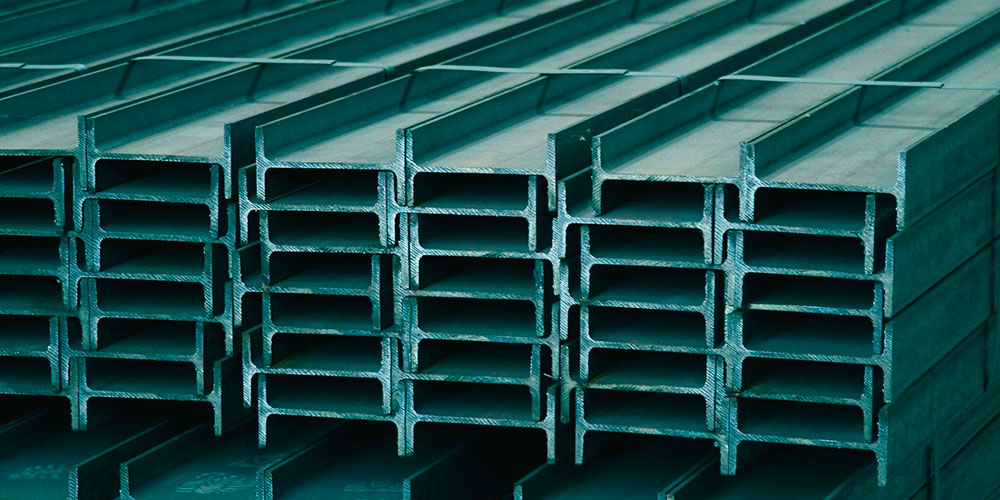
Revista InfoAcero Febrero 2022
En el siguiente enlace pueden acceder a la edición de Febrero de nuestra revista: INFOACERO FEBRERO 2022
A continuación destacamos algunos de sus contenidos:
- Opinión – D. Gerardo García de las Heras – Junta Directiva de la UAHE.
- Evolución del Índice de Precios de Productos Siderúrgicos – UAHE
- Formación UAHE: Interpretación de planos y simbología (1ª y 2ª Edición), Gestión del Crédito Comercial (21, 26 y 28 Abril)
- Sector Siderúrgico: Perspectivas del Mercado Siderúrgico Europeo (extracto informe Eurofer 1er trimestre 2022)
- Ayudas y Subvenciones: Programa Moves III para la adquisición de vehículos eléctricos, Fondo para pymes “Ideas powered for business”
- Próximos Eventos:Steel Net Forum Iberia en Barcelona (23 y 24 Mayo), MetalMadrid (19 y 20 Octubre)


G7 , EU impose further sanctions on Russian
The governments of the US, Canada, UK, France, Germany, and Italy, together with the European Commission, have decided to remove select Russian banks from the Swift messaging system. This is likely to cause disruption to ferrous trade financing, Kallanish notes.
The alliance, which now also includes Japan, signalling a coordinated response from the G7 nations, has also decided to impose restrictive measures on the Russian Central Bank, and take measures to keep wealthy Russians from becoming citizens of other countries through “golden passports”.
The governments are launching a transatlantic task force which will identify and freeze the assets of certain Russian individuals and companies and ensure successful implementation of the financial sanctions.
Among those targeted with EU sanctions on Monday are Metalloinvest owner Alisher Usmanov and Severstal chairman Alexey Mordashov. The latter responded to sanctions by saying: “For a very long time, I have been engaged in the development of economic, cultural and humanitarian cooperation with many European countries and I fail to understand how these sanctions against me will contribute to the settlement of the dreadful conflict in Ukraine”.
A senior Biden administration official said this week via teleconference. “We’ve now targeted all ten of Russia’s largest financial institutions, holding nearly 80% of the Russian banking sector’s total assets. We’ve cut off Russia’s largest bank from the US financial system, a very significant blow to its ability to function and process global trade”.
Laura Miller USA


German steel must prepare for turbulent energy markets
The steel industry will have to face fluctuations, possibly disruptions, to energy costs in the long run, and should bank more on long-term contracts, according to a German energy supplier representative.
“We never had as many inquiries for fill-in supply [of natural gas] as we did in December 2021,” says Steven Schönke of Leipzig- based VNG (VerbundNetzGas) Handel. Speaking last month at the Handelsblatt steel conference, “Zukunft Stahl”, he noted that many distributors of gas miscalculated prices and volumes last year.
This was true especially in the second half of the year, when “TTF” (Title Transfer Facility, a Dutch-based trading point) spot offers spun for a couple of weeks from €100 to €180 ($112-202) per KWh. They evened out in January at around €80, while one year ago they were more around €26, Kallanish heard Schönke say at the conference. Depending on the supplier, spot prices differ by €30-40 per day, “and this bow wave will carry on into the future”, Schönke added.
The supply outlook from Germany’s main international sources is not very comforting, he noted. The Netherlands will reduce output for environmental reasons and Norwegian fields are currently undergoing a larger maintenance period.
Potential worries over Russia arose even before the Ukraine war. The Nord Stream pipeline from Russia to Germany was among the largest pipeline projects for a decade, involving pipemakers like Europipe and OMK. In recent years, however, more German policymakers started questioning the project, causing Russia to forge supply contracts with China and Turkey in the meantime.
Schönke added that Nord Stream 2 is expected to become operational in the fourth quarter; however, that was before the outbreak of war in Ukraine.
Christian Koehl Germany
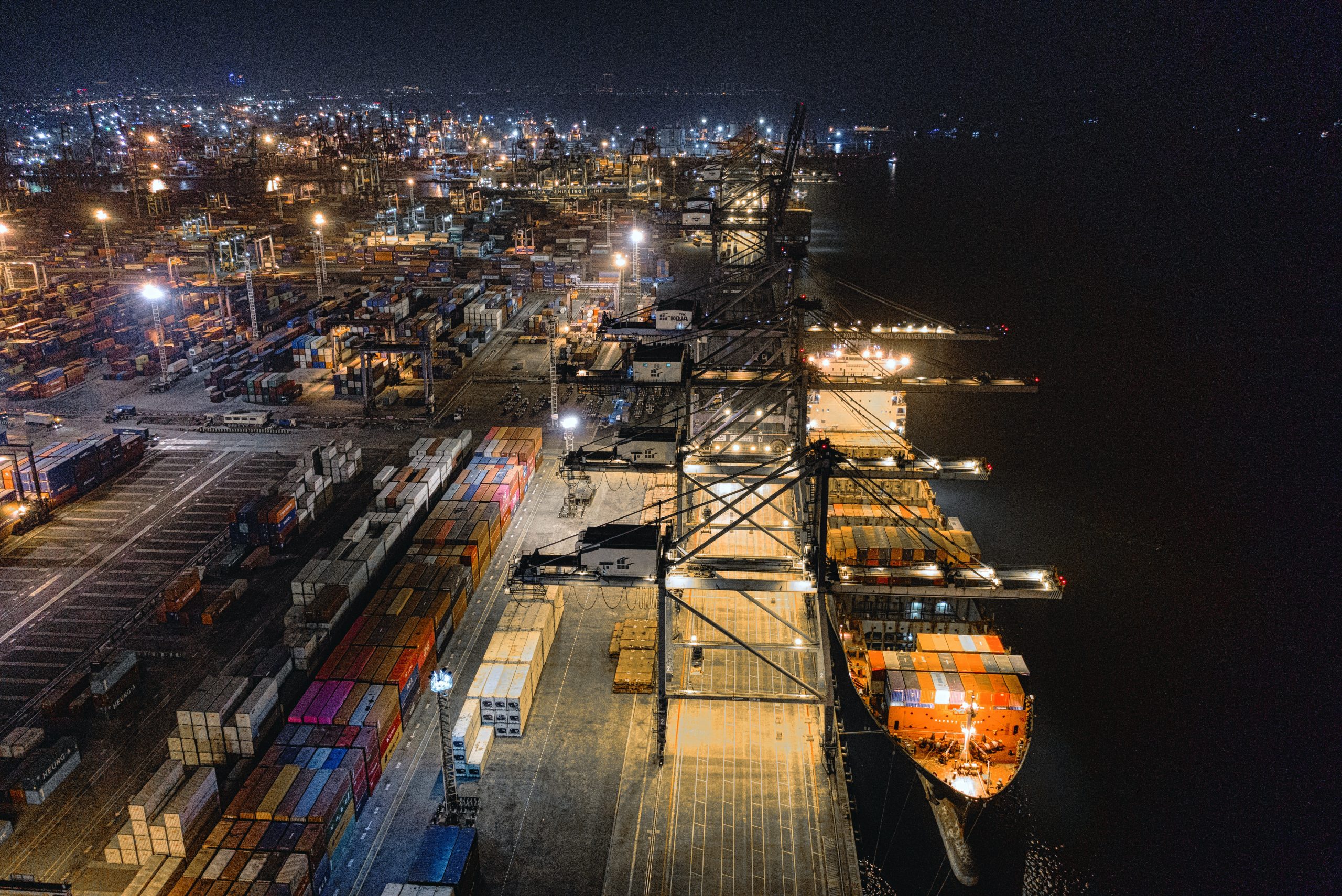
Russian steel trade feels pressure but carries on
Russian steelmaker sources tell Kallanish they are encountering some issues in conducting international trade, but it is premature to call it major disruption, yet. The situation is changing rapidly, however, they add.
On Monday, companies were still able to use regular financing mechanisms to book freight and reported regular traffic in buyers’ enquiries and orders, depending on availability. The list of banks companies are able to work with has narrowed after prohibitive sanctions were imposed on several Russian banks, including the state-owned VTB. However, some other banks and their European affiliates are all working well.
There are, however, buyers, who are attempting to renege on concluded contracts. Without sanctions on Russian goods coming into Europe thus far, these actions have no legal grounds and are likely to be processed via the usual resolution routes, such as courts.
Demand is also assessed as normal, although some EU countries’ enquiries have stopped completely, such as Germany and Austria, while Polish customers are inquiring more – likely due to Ukrainian supply being cut off. Some companies are also looking at redirecting their export volumes to Asia, possibly at lower prices, but away from the war stricken western Black and Azov Sea ports.
Some international buyers are asking for ddp-based sales, but it is too risky for the seller, and is thus far being declined. Sources nevertheless note some mills will have little choice if the situation does not ease and they still want to trade. This will increase costs and risks for producers most significantly, they add.
Logistics are functioning relatively well, albeit there were several instances of having to re-charter vessels, as captains declined to ship Russian goods. There is also a shortage of trucks with drivers, both incoming and outgoing, as drivers in Russia and Europe are refusing to carry goods to either destination, afraid of being attacked.
There are some issues with railway freight going through the Baltic States, as sellers need to receive railway plans from authorities by the last day of the month, and some had still not been received on 28 February.
Overall, companies are producing at regular capacity and continue to load cargoes in all destinations, including semi-finished materials to their western and US re-rolling mills. All sources note they are following the situation hour by hour, as it continues to change rapidly.
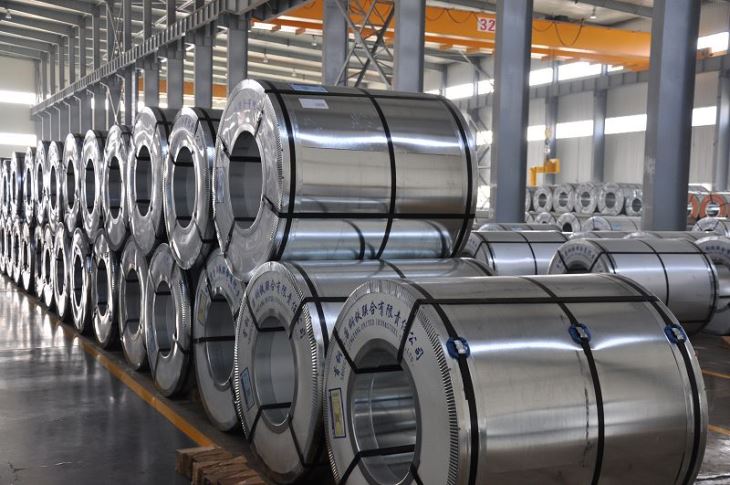
Russian steelmakers to sell dollars & euros to state: no chance for borrowing
Russia’s Ministry of Finance and the Bank of Russia said Feb. 28 they are requesting Russian exporting companies to sell 80% of their foreign currency revenue to the state in exchange for rubles. Additionally, Russia’s central bank hiked its key rate to 20%, up from 9.5% previously, to prevent hyperinflation. The moves will leave companies with greatly depreciated rubles, while making loans astronomically expensive.
On Feb. 28, the ruble crashed to a record low of 120 and 107 per Euro and dollar.
By obliging exporters, including metal producers, to convert the majority of their foreign currency into rubles, the government undermines their potential to import goods and services – from equipment components to foreign machinery – while the 20%+ interest rate effectively makes borrowing from Russian banks impossible, according to analysts.
In 2021, foreign currency made up 40% of Russian steelmaker Severstal’s revenue and 60% of that of its peer company MMK.
Major Russian steel producers have performed very successfully in recent months. MMK announced on Feb. 28 its 2021 EBITDA more than doubled year on year to $4.3 billion, providing $3.1 billion net profit. Previously, record high earnings were posted by Severstal and Evraz.
Major companies’ outstanding profits, cash flows and lower debt levels in 2021 (below 0.1 x EBITDA for MMK and 0.5x for Severstal and Evraz) should enable them to meet their liabilities this year and fulfil their investment plans, possibly without extra borrowings. However, for small non-integrated steelmakers and standalone EAF mills, the new reality means a race for survival.
Debt relief
Sources believe the government will support significant job providers, which most steel mills are.
The government is likely to step in to request banks to either write off debts or provide extensive repayment holidays to mills. Alternatively, the government might buy these mills’ debts, if not nationalize them, according to a source at one mill.
In 2021, Russia made 76 million mt of steel with roughly 40 million mt of this exported. With the financial strain of the sanctions already in place and those being negotiated, and with the Black Sea spot trade already having slowed, it is unclear whether it can achieve the same total again this year.
Russian steelmakers are in a wait and see mode. They may sustain production for a month or two, but if exports to Europe do not recover or if they are unable to fully offset losses in European markets with larger sales elsewhere, production cuts may be necessary, according to an industry source.
Apprehending output decline
EAF furnaces might be simply suspended, the source said. BF-BOF production lines may be slowed down via stoppages for planned maintenance or extended furnace repairs.
Steel producers may also be motivated to revisit the excise duty for liquid steel the government introduced in January. They may request this duty be levied on sales, not on production, according to the source.
While the Russia-Ukraine conflict is taking its toll on companies’ exports, affecting revenue, production may remain unchanged for some time, upholding duty liabilities. These are also being boosted by the sharp ruble depreciation, as the excise formula hinges on currency exchange rates.
Making the forex rate fixed could be justified too, although there is a general understanding that abolition of the excise won’t be under discussion, one analyst reckons.
A source at one of the steel mills told S&P Global Platts the company is too busy fulfilling contracts and keeping business afloat to think of the excise at this very moment. A spokesperson for Russian steelmakers’ association Russkaya Stal said there have been no requests on the association’s behalf to downsize the fiscal load on the industry.
Buyers’ attitude a challenge
SWIFT is working fine for country’s major lender Sber and a few other banks. Russian steel producers have diversified accounts to overcome the issue of several banks being under sanctions, according to the mill source.
It’s possible to ship steel, and the very cautious attitude of customers who are avoiding long contracts with Russia is potentially more problematic than banking or logistics problems, said the source. Work with clients has come to the fore, the source said.
Finance schemes adjusted
Russian steel producers are giving their full attention to leveraging the financial risks they face due to sanctions and interest rate hikes, noted a Moscow-based trader. “Most people, including foreign customers, understand that business in Russia stays out of politics. This is not the first crisis Russian steelmakers have to deal with, and they will be alright in the end,” the trader said.
Mills are not offering steel even in the Russian market, with new quotations expected to be formulated only by March 9. “When so much is going on and every day, if not every hour changes your vision of the immediate future, it’s better to take a pause and let it all settle down to spare a few mistakes,” the trader said.
The senior management of MMK said the company is not experiencing problems with liquidity and cash flows, although some adjustments are taking place.
MMK’s shipments are keeping up with the schedule with MMK’s Magnitogorsk Iron and Steel Works having sold out its March production and its April order book being half full, MMK CEO Pavel Shilyaev said during a Feb. 28 call with analysts.
Industry observers fear there might be cuts to capex plans this year, although some steelmakers say they are adhering to initial plans for now. MMK has earmarked $1.25 billion in capital expenditure for 2022 with no immediate plans to pare this down, it said.
— Ekaterina Bouckley

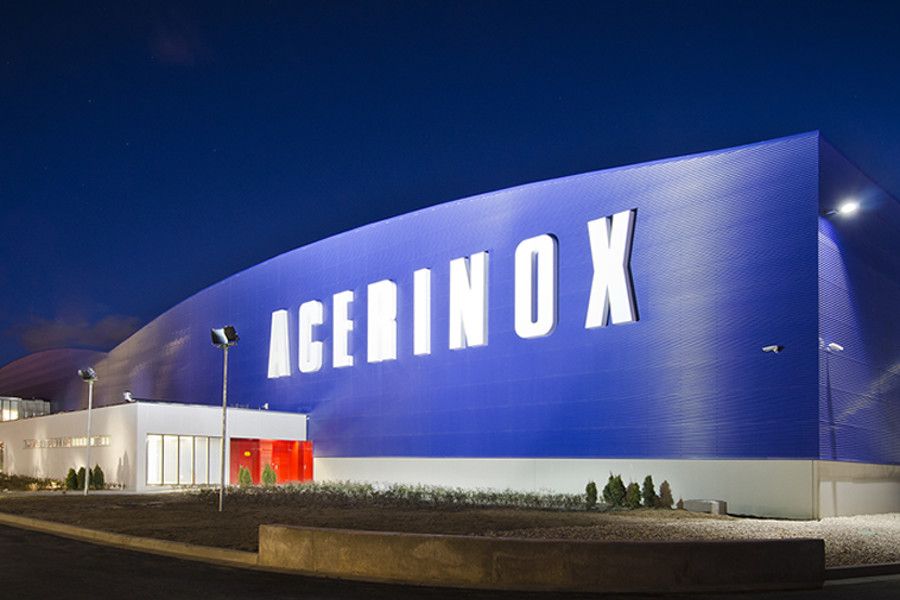
Spanish stainless group Acerinox produces record 2.6 million mt in 2021
Spanish stainless steel group Acerinox reported Feb. 27 record melt shop output of 2.6 million mt in 2021, a 19% increase year on year, driving the company to record high annual earnings.
Net profit increased 11-fold to Eur572 million ($641 million) in the full year – the greatest in its 52-year history – with units running at full capacity in the fourth quarter, chief financial officer Miguel Ferrandis said.
The company said it sees an improving outlook for Q1 2022, a seventh successive quarter of improvement thanks to high demand levels, low inventory levels increasing prices, and an increasing fracturing of markets into their respective regions.
The momentum should carry through for the first half of the year, CEO Bernardo Velazquez said, noting that contracts for the period have largely been agreed and the order book is also at a record level.
Velazquez noted that the company has almost no exposure to the Russian or Ukrainian markets, while it sees that an energy price spike that affected its Spanish operations likely peaked in Q4.
Overall, the company expects to increase its capital expenditure by 45% to Eur145 million in 2022 mostly on equipment updates and maintenance, but also to make projects more sustainable and reduce energy consumption, Velazquez said.
The company used recycled material for 90% of its raw materials in 2021, it noted.
Acerinox operates plants in Spain, Kentucky, US, South Africa and Malaysia with a combined melt shop capacity of 4.5 million mt/yr, as well as production facilities for high performance alloys in Germany.
Fourth quarter production was 627,000 mt, up 2% year on year but down 2% from the third quarter, partly due to the impact of the holiday season.
Cold-rolled production was 423,000 mt, up 14% year on year with the full year volume up 17% from 2020 to 1.6 million mt.
Long production in Q4 was 62,000 mt, up 17% year on year and 245,000 mt for the full year, also up 17% year on year.
Volumes were lifted by a restart of operations at its Bahru Stainless operation in Malaysia in the third quarter, following a two-and-a-half month halt due to COVID-19 restrictions. The US Columbus stainless operation optimized production capacity thanks to diversifying its production portfolio, following recent upgrades, Acerinox said.
In its Germany-based alloy business VDM, which it bought in 2020, the company saw Q4 production of 19,000 mt in the melting shop, up 53% year on year, while full year volume was 78,000 mt, up 22% year on year.
In VDM’s finishing shop, production was 11,000 mt in Q4, up 34% over the period, with full year output of 40,000 mt, up 7% year on year.
— Gianluca Baratti